
 Bathroom remodeling
 Kitchen remodeling
 Home additions & ADU
 Roofing
 Windows & doors
 Driveway & pavers
 Fence
Free written scope consultation - allowances, timeline, and change-order rules on paper before a single trade is scheduled
Styles & brands we work with
- Kitchen remodeling
- Bathroom remodeling
- Home additions & ADU
- Roofing
- Windows & doors
- Driveway & pavers
- Fence
See the difference
 Before
 After
 Before
 After
 Before
 After
Do You Need a Permit to Remodel a Bathroom in Miami? Yes – Here’s Exactly When
Yes, you need a permit to remodel a bathroom in Miami-Dade County – almost certainly. Paint, a mirror swap, or a faucet replacement generally falls outside permit territory, but the moment tile comes off the wall, a plumbing fixture moves, or a circuit changes, the county wants a permit and an inspection. That’s a stricter line than most Florida counties draw. And unlike other places where unpermitted work is merely a resale headache, in Miami it can pull you into a forced inspection under the 40-Year Recertification law at the worst possible moment.
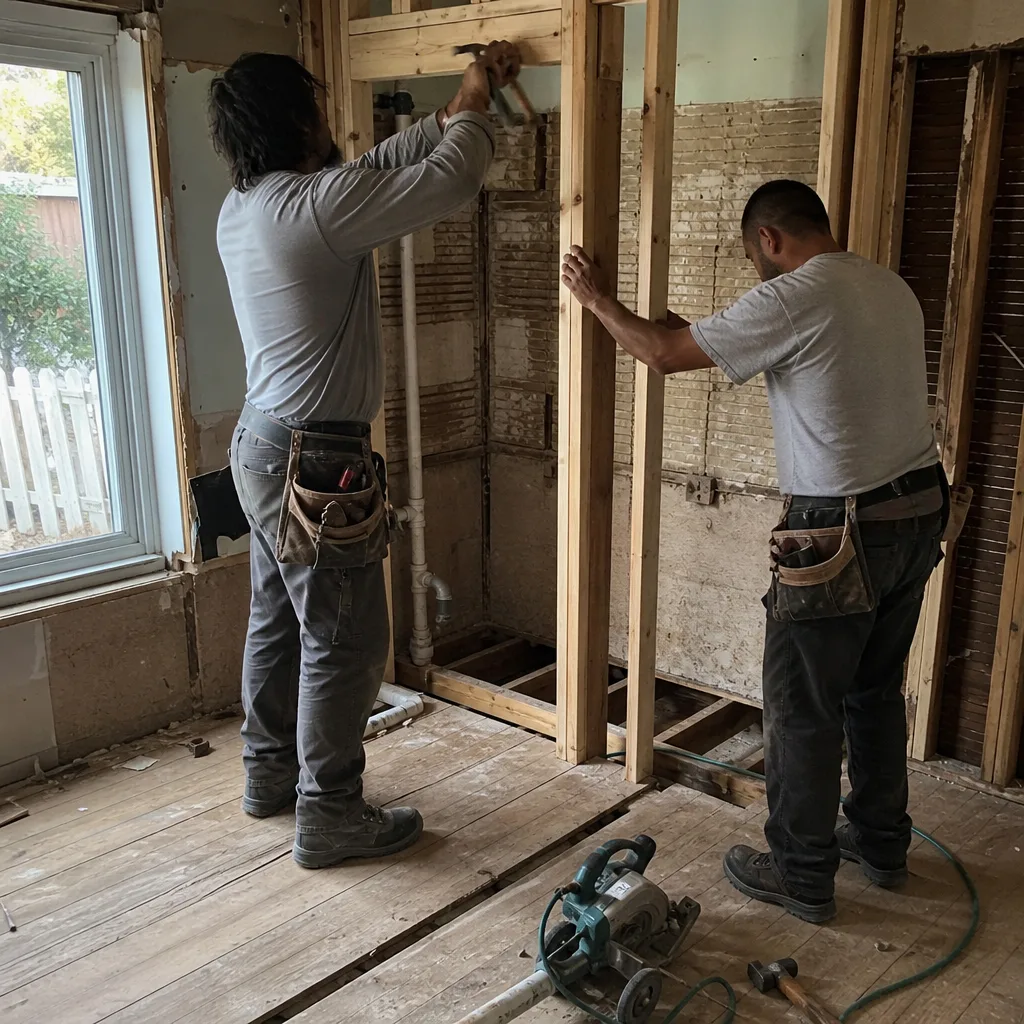
If you’re weighing a full renovation, our Bathroom Remodeling team walks through the sequence daily. A bathroom remodel in Miami runs $10,620 to $33,040 depending on scope, and every dollar of that should sit on a legal, closed permit record. Have questions about your specific situation? Call (833) 968-1198 and a live person will answer.
What Actually Triggers a Bathroom Permit in Miami-Dade County
Miami-Dade is more aggressive than surrounding counties about what counts as permitted work. The permit trigger isn’t the remodel’s price – it’s the trades involved. Here’s where the line sits:
- Tile removal and replacement – yes, this one surprises people. Pulling tile opens the waterproofing layer, and the county treats that as a waterproofing event requiring inspection. This is the single biggest difference from Broward and Palm Beach practice.
- Any plumbing work – moving a drain, adding a shower valve, relocating the toilet, converting a tub to a shower. Rough-in requires inspection before walls close.
- Electrical changes – GFCI outlets near water, replacing or adding exhaust fans, new lighting, moving a vanity outlet.
- Structural wall changes – opening a wall, moving a doorway, converting a closet into a shower alcove.
- Ventilation upgrades – a bathroom fan vented through the roof or exterior wall needs its own inspection in most cases.
What typically doesn’t need a permit: paint, replacing a mirror or vanity that doesn’t move plumbing, swapping a showerhead, re-caulking, or replacing a toilet with one in the same location. Small cosmetic refreshes in a Coral Gables or Pinecrest home often fall here.
The Waterproofing Inspection Nobody Warns You About
Here’s where out-of-county contractors trip up. Miami-Dade’s permit sequence for a tiled shower or wet-area floor includes a dedicated waterproofing inspection – the county inspector examines the full membrane system before a single tile is set. In practice, this means an inspector walks in, sees the backer board, the seams, the corners, and the drain bonding flange, and signs off (or doesn’t) before your tile installer touches the wall.
Fail that inspection and the timeline restarts. Tile comes back off, waterproofing gets redone, you re-inspect, and you’ve burned a week or two. We’ve seen this add real delays and cost when a contractor skipped the step, either because they didn’t know the county required it or because they were trying to compress the schedule. It’s one of the reasons every one of our bathroom projects starts with the permit pulled, not with demo.
One supporting detail worth knowing about Miami construction generally: under the High Velocity Hurricane Zone rules, Miami-Dade County requires its own product-approval numbers (NOA) for roofing, windows, and storm protection products – not just Florida or national listings. It’s a county that documents everything. The waterproofing inspection is the same philosophy applied to wet areas.
The 40-Year Recertification Problem for Unpermitted Bathroom Work
This is the piece competitors leave out. Miami-Dade requires buildings at 40 years old (25 years near the coast) to undergo a structural and electrical recertification inspection. Older concrete-block and CBS homes – the bulk of pre-1970s Miami housing stock – hit that deadline on a predictable schedule.
When the recertification inspector finds unpermitted bathroom work that touched plumbing or electrical, here’s what happens: it has to be retroactively permitted, opened for inspection, and corrected at your expense. If the wall is finished, it gets opened. If the shower was tiled, tile comes off. You pay for the redo and the permit fee and the inspection. Years after the original contractor left with your check.
| Scenario | Real cost of skipping the permit |
|---|---|
| Unpermitted tub-to-shower conversion | Full demo and re-inspection at recertification; $4,130-$11,800 replacement range paid twice |
| Unpermitted electrical (GFCI, fan) found at recertification | Re-open walls, re-permit, re-inspect – plus correction fees |
| Unpermitted work found at resale | Title insurance complications, buyer attorney leverage, forced price reduction |
Miami real estate attorneys routinely pull permit history on a property. A gap in the record on a bathroom update is a negotiating lever against you as the seller, regardless of the work’s actual quality. Buyers’ agents in Miami know what a missing final inspection means.
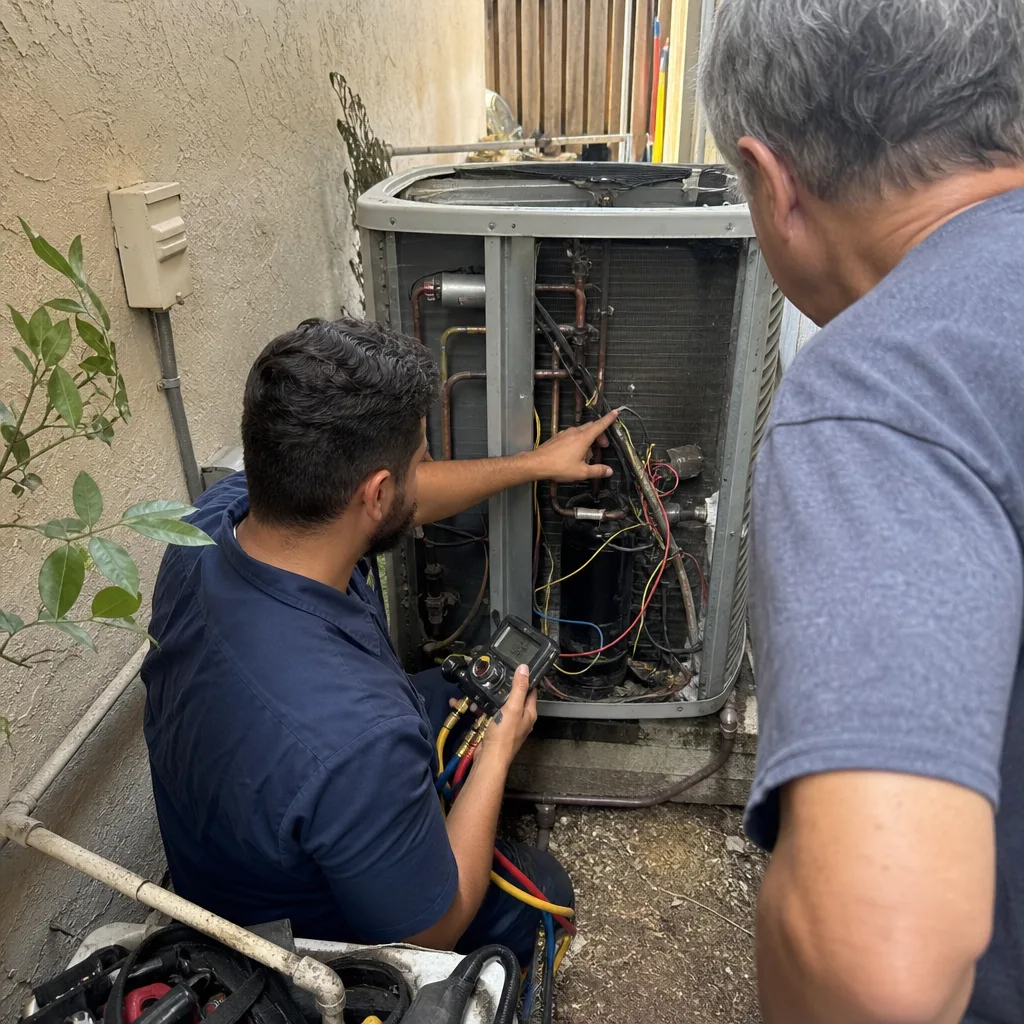
Our technicians have up to 12 years of experience with the county’s process, and the team at Groundwork Construction Co. of Miami pulls every required permit as standard practice – it isn’t sold as an optional add-on. The permit record you end up with protects you at resale, at recertification, and it’s what backs up the 730-Day Done Right Promise.
How Miami’s Climate Affects the Bathroom Work Itself
Year-round humidity and salt-laden coastal air are hard on a bathroom, and they make the waterproofing and ventilation details matter more than they would upstate. That’s why the county takes the waterproofing inspection seriously – and why anyone who knows home construction in South Florida won’t shortcut it. A tiled shower that passes inspection but skips the membrane still grows mold behind the wall within a few hurricane seasons.
Dense pre-1970s CBS homes – common through little Havana and Westchester and Coral Way – often need their plumbing brought up to current roughness and their ventilation brought up to code at the same time. Newer Brickell and Biscayne Boulevard high-rises operate under different rules: association approval, interior alteration rules, and separate recertification timelines. Same bathroom scope, different paperwork.
What the Permit Process Actually Looks Like
- Determine the scope and the required trades – a bathroom covering plumbing, electrical, waterproofing, and ventilation may need separate sub-permits or a combined one.
- Submit the permit application with drawings and scope documentation.
- Get the permit issued; do not begin any covered work before this point.
- Coordinate the rough-in inspections (plumbing, electrical) before walls close.
- Pass the waterproofing inspection before tile goes in.
- Complete the final inspection and get the permit closed – the record that protects you.
Timelines vary with the county’s current workload and the sub-permits involved. Most bathroom renovations in Miami run a permit window measured in weeks, not days once filed, and the schedule should build that in from the start. Ask any contractor you’re considering how long they expect the permit to take before demo begins; a vague answer is a red flag.
On the materials side, we work with a curated set of brand partners so the fixtures and finishes meet code and hold up to Miami’s conditions. Kohler and Moen fixtures, Delta valves, a waterproofing system specified for the county’s inspection standard – those choices are part of passing inspection the first time. And no-hassle upfront pricing means the permit fees and inspection coordination are quoted from the start, not billed as surprises mid-project.
FAQs
Yes, for almost any bathroom work beyond cosmetic swaps. In Miami-Dade County, a permit is required whenever tile removal and replacement is involved (because it triggers a waterproofing inspection), any plumbing is moved or added, electrical work happens, or a wall changes. Paint, a new mirror, a faucet swap, or re-caulking typically does not require a permit. If your project includes tile, plumbing, or electrical, assume a permit is needed and call (833) 968-1198 for a free estimate that includes the permit scope.
Unpermitted work is a risk that follows you, not the contractor who skipped it. It can complicate a sale when the buyer’s attorney pulls permit history, can void or complicate title insurance coverage, and – the Miami-specific part – if it’s discovered during a 40-Year Recertification inspection, the work must be retroactively permitted, opened for inspection, and corrected at your expense. The fix often costs more than the original work. When in doubt, permit it. Call (833) 968-1198 and we’ll walk through what your specific project requires.
A full bathroom remodel in Miami runs $10,620 to $33,040, and permit fees and inspection coordination are part of a properly quoted project. A smaller bathroom refresh lands between $5,900 and $14,160, a walk-in shower installation runs $5,310 to $14,160, and a tub-to-shower conversion sits at $4,130 to $11,800. We back every project with our 730-Day Done Right Promise; call (833) 968-1198 and we’ll get you a written quote with the permit scope spelled out.
Not always, and that’s the risk. Miami-Dade’s waterproofing inspection is a distinct step that contractors working primarily in Broward or Palm Beach often don’t anticipate – it means the membrane system gets inspected before tile is set, and a failed inspection restarts the schedule. Ask any contractor you hire to confirm they build that step in. Our team has up to 12 years of experience with the county’s sequence and plans for it from day one. Call (833) 968-1198 to talk through your project.
Get the Permit Record Right the First Time
If you’d rather have it looked at, Groundwork Construction Co. of Miami offers a no-pressure assessment in Miami – call (833) 968-1198 for a free estimate. We pull every required permit as standard practice and back the work with the 730-Day Done Right Promise, so the record protects you at resale and recertification both. Live person, 24/7, whenever you call.
Written by the team at Groundwork Construction Co. of Miami, serving Miami, FL.