
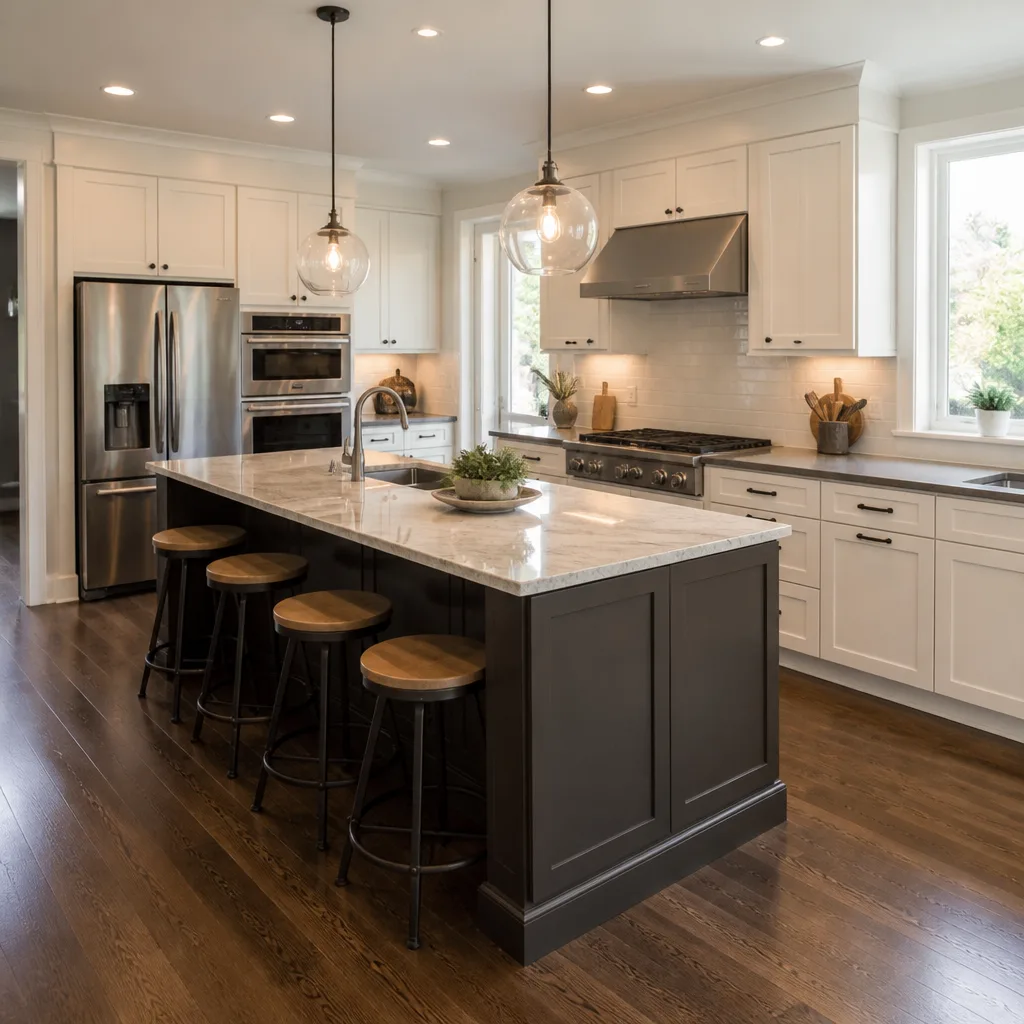
 Kitchen remodeling
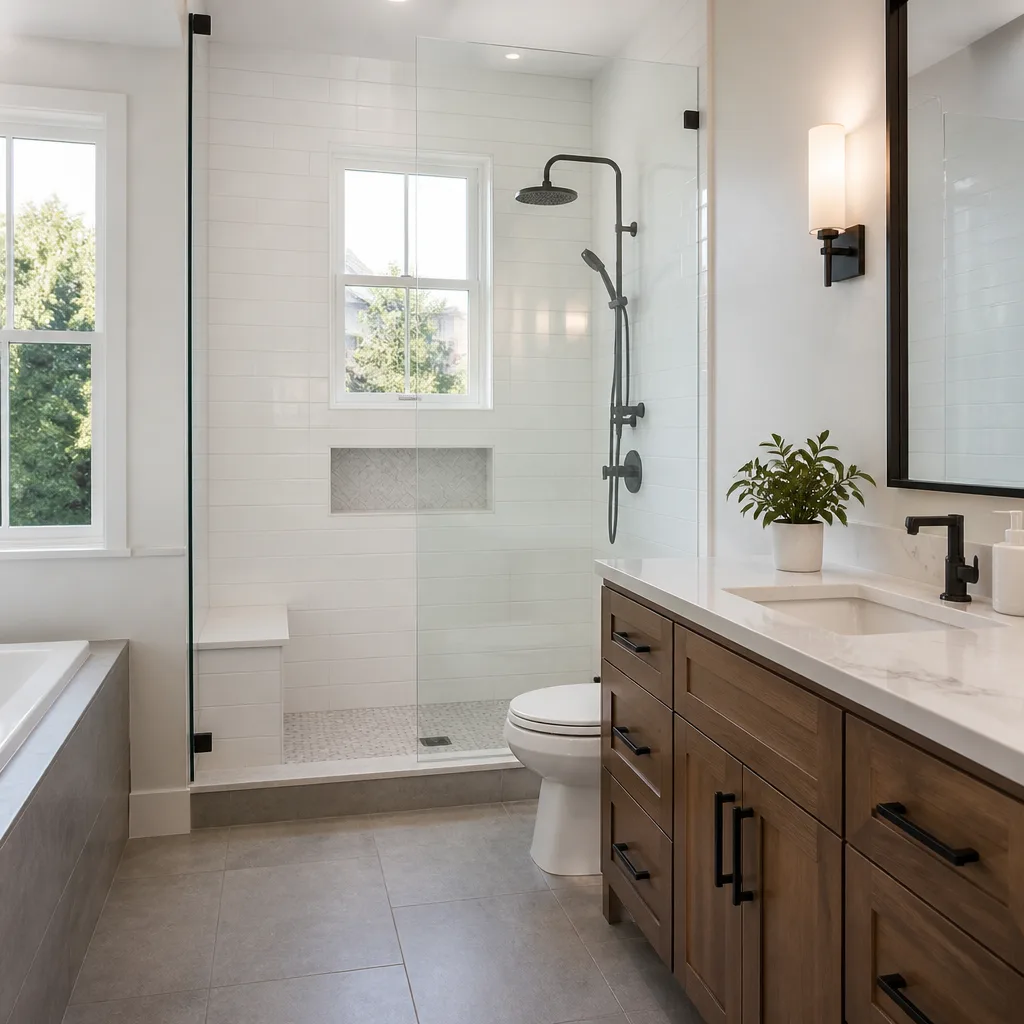 Bathroom remodeling
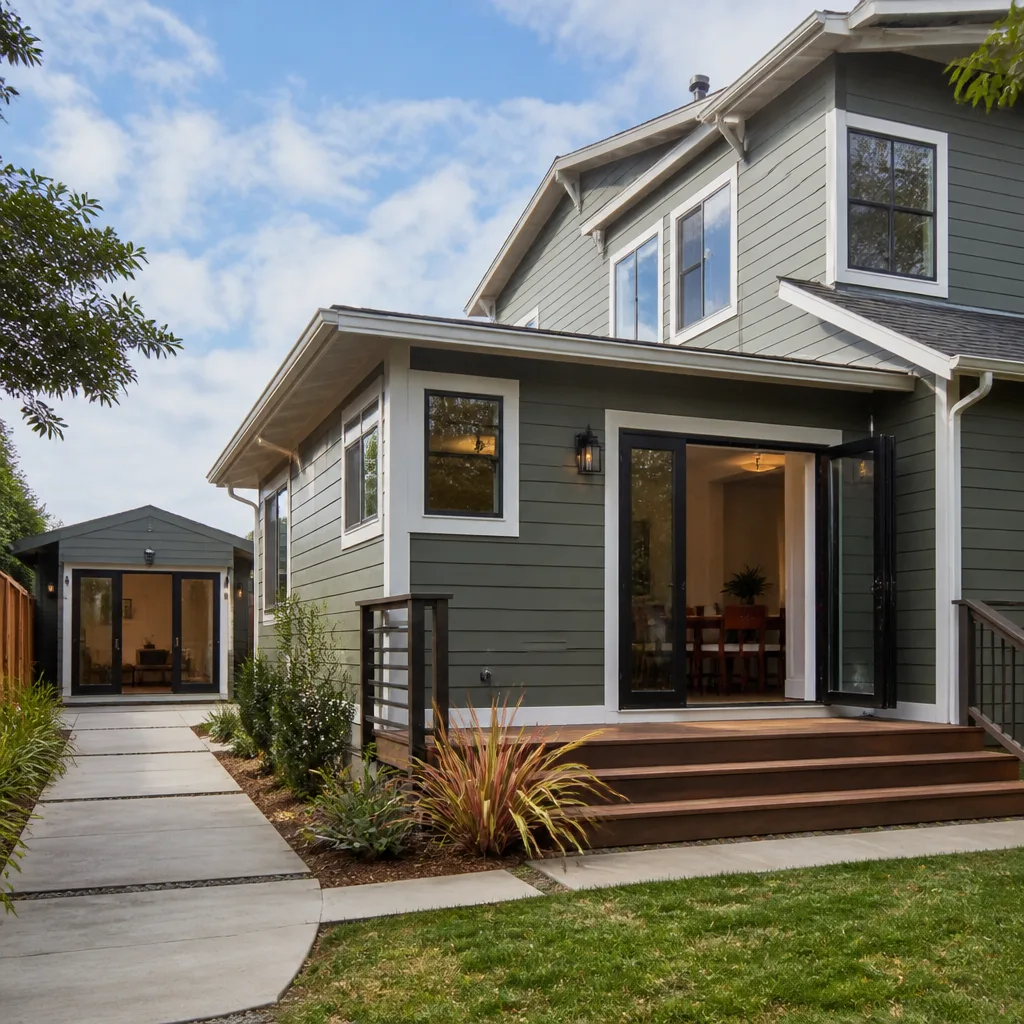 Home additions & ADU
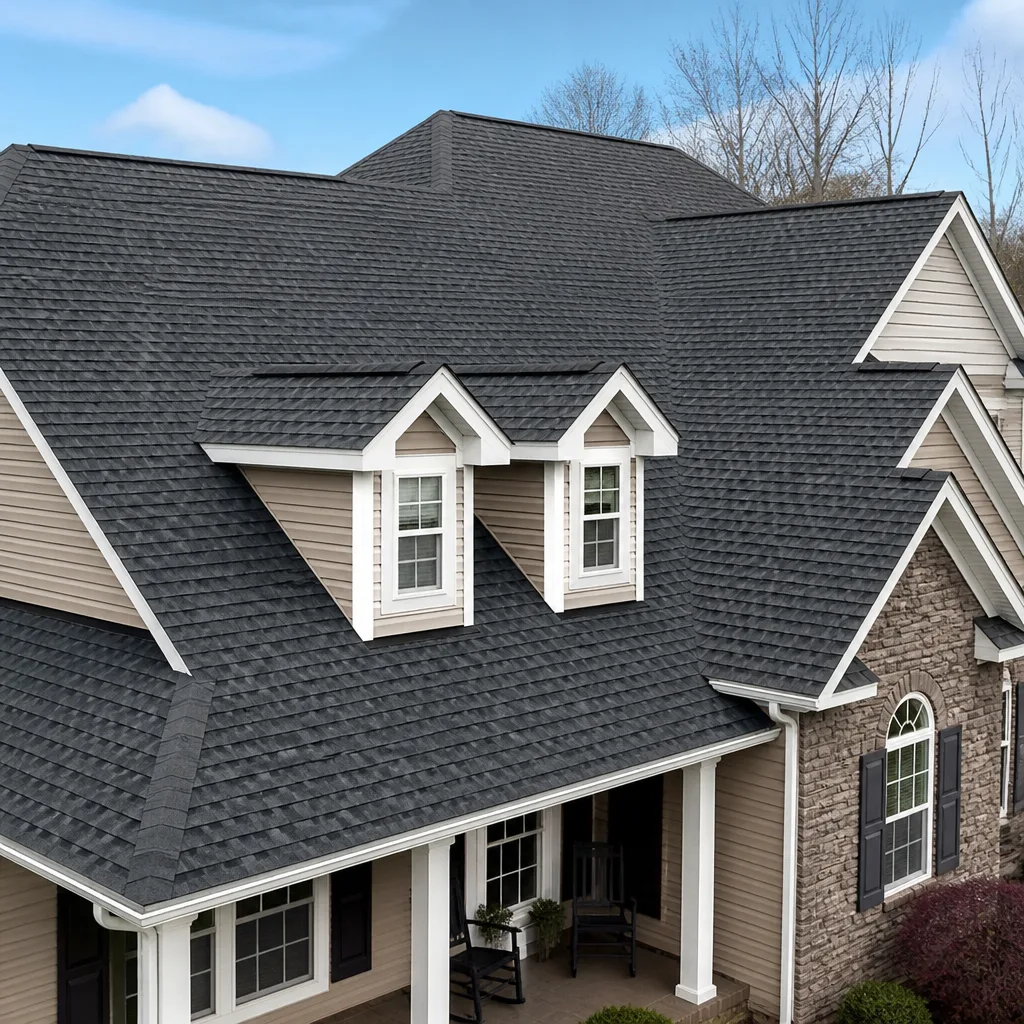 Roofing
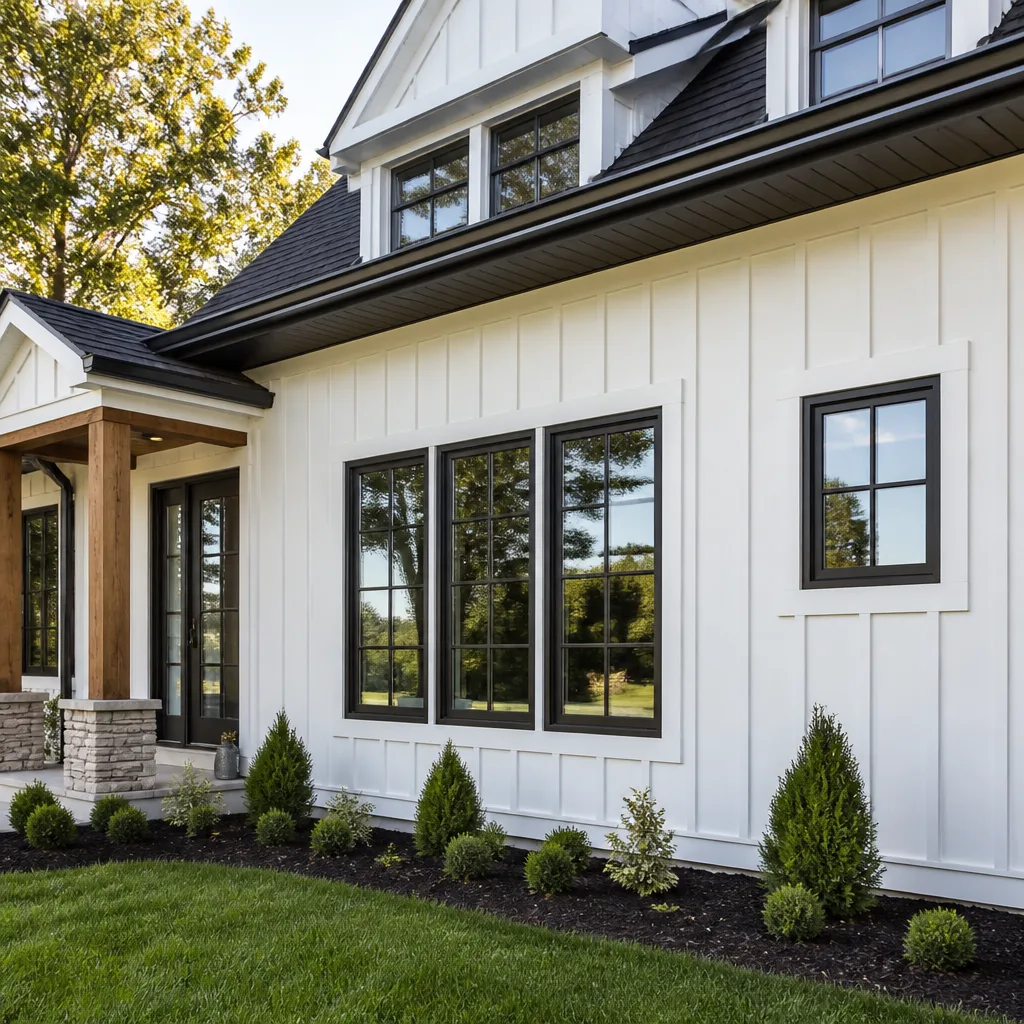 Windows & doors
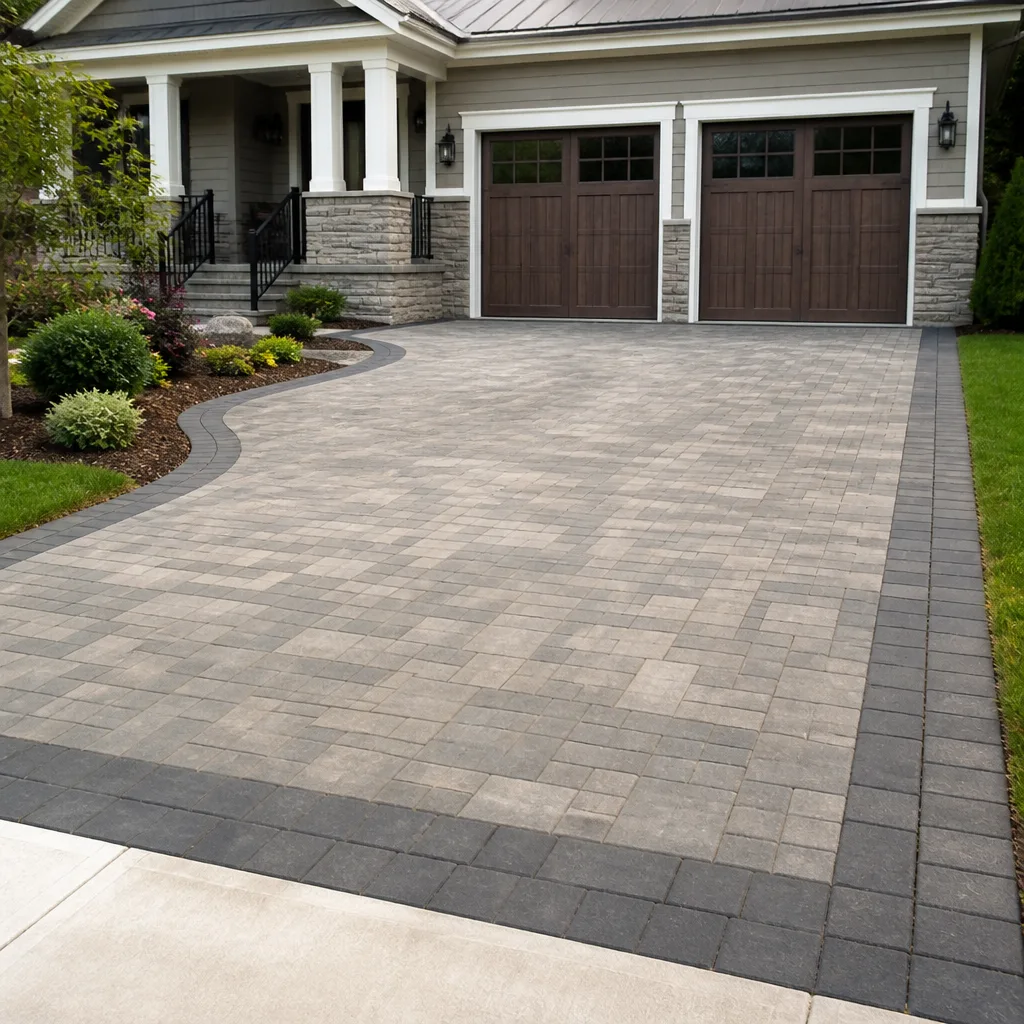 Driveway & pavers
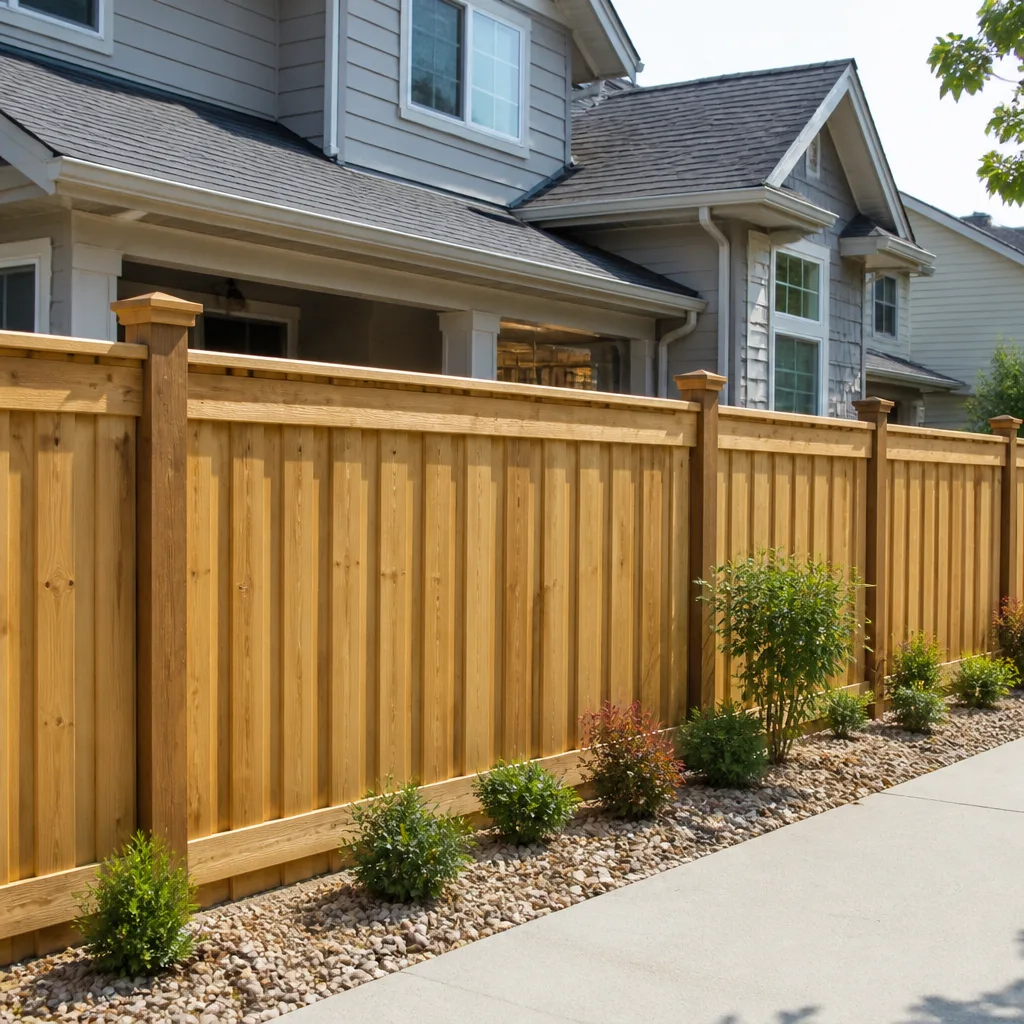 Fence
Free written scope consultation - allowances, timeline, and change-order rules on paper before a single trade is scheduled
Styles & brands we work with
- Kitchen remodeling
- Bathroom remodeling
- Home additions & ADU
- Roofing
- Windows & doors
- Driveway & pavers
- Fence
See the difference
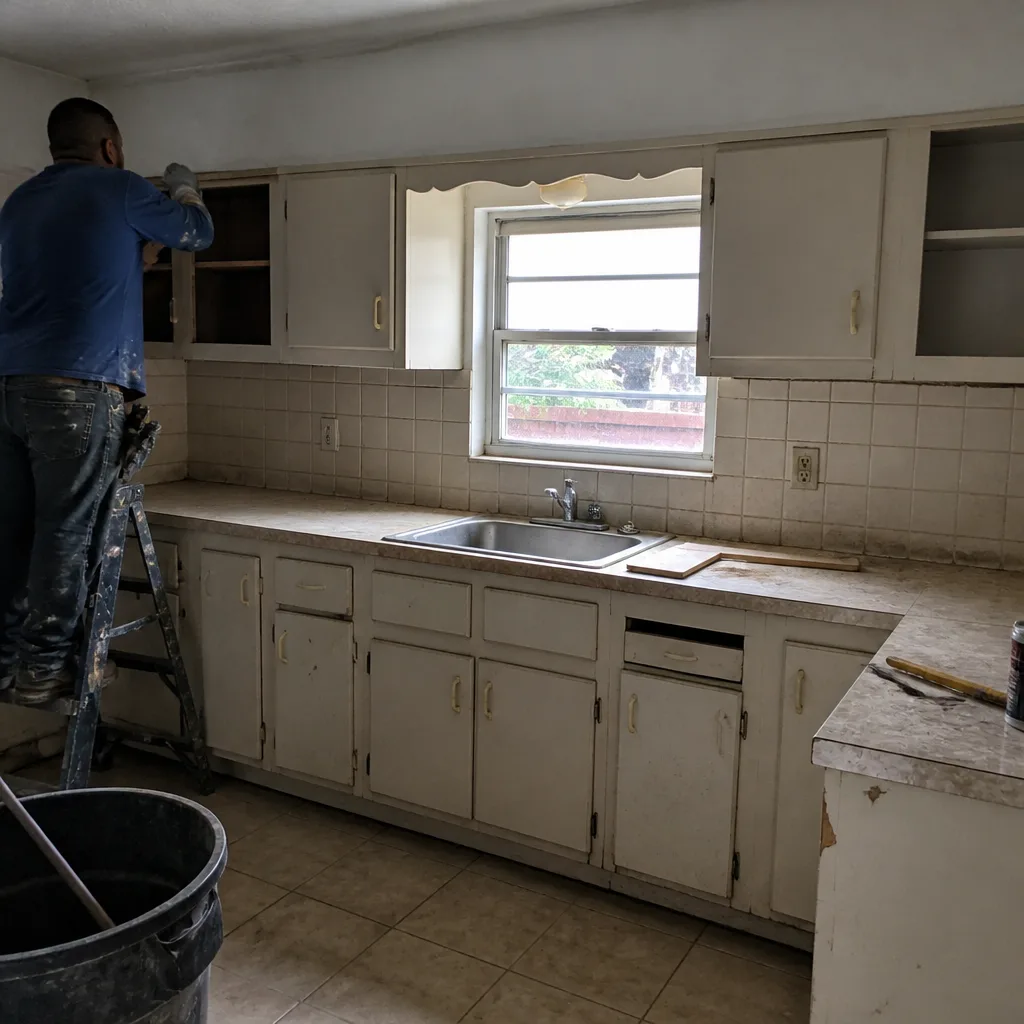 Before
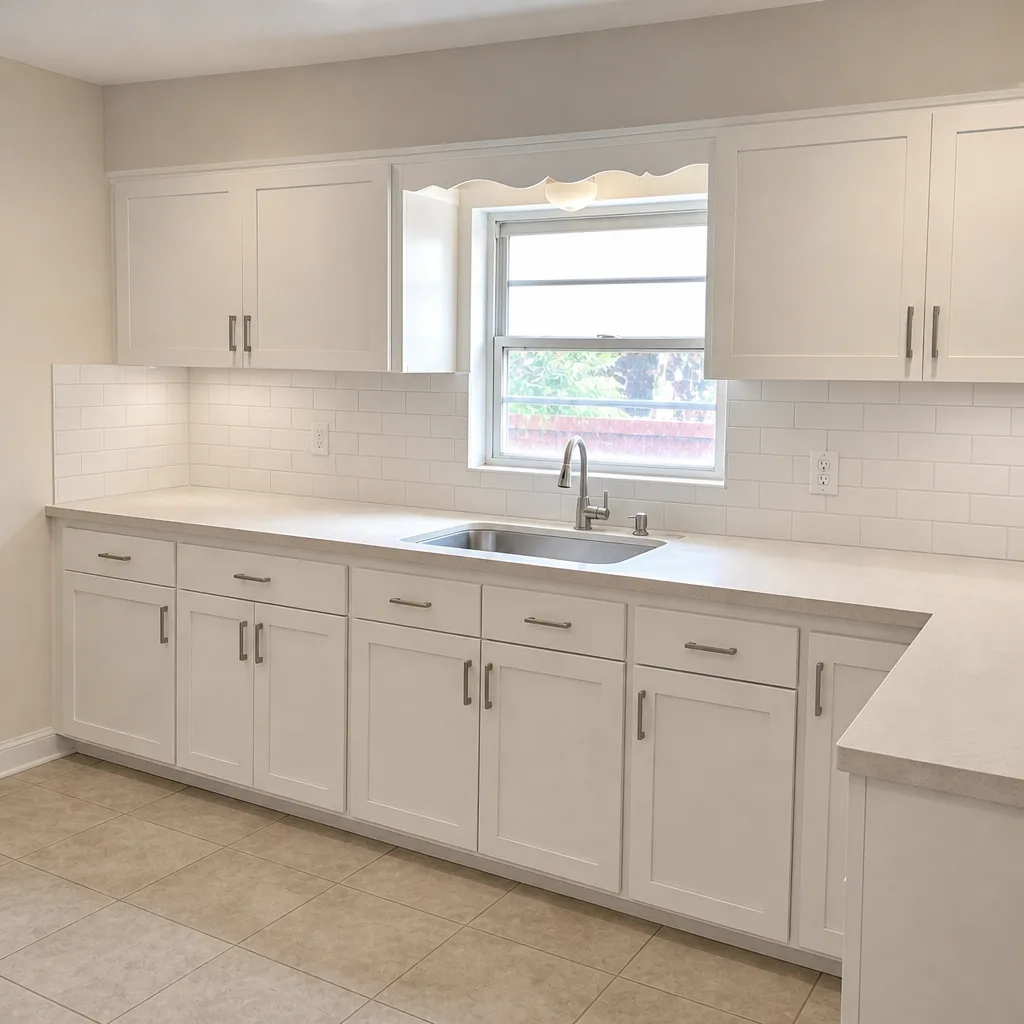 After
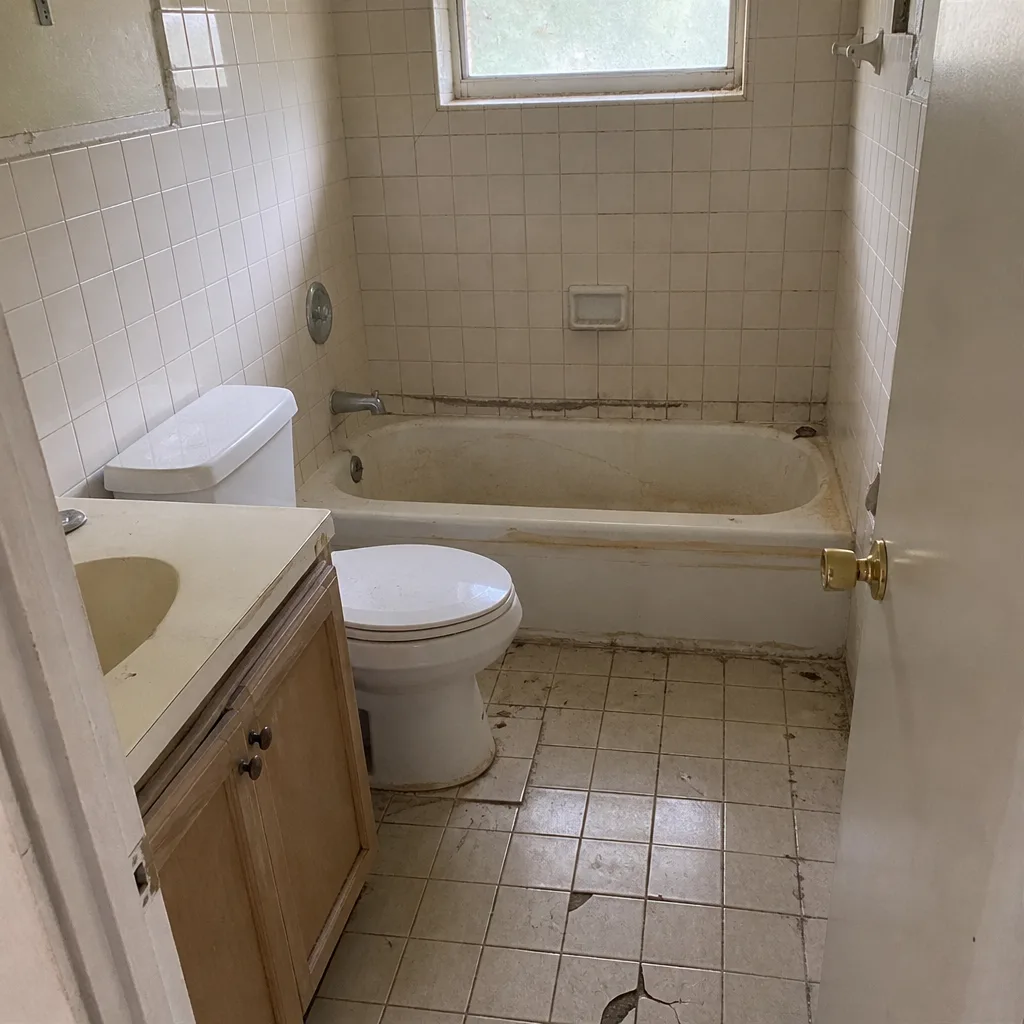 Before
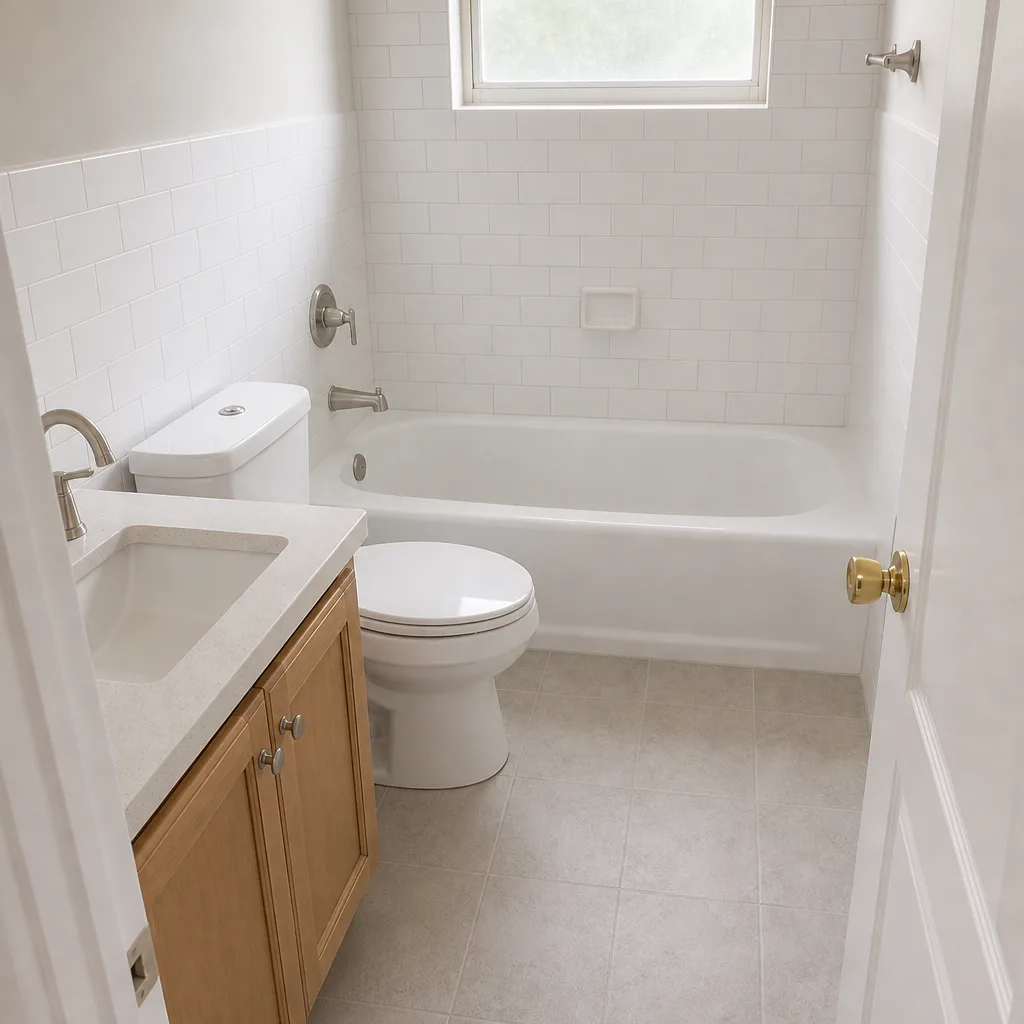 After
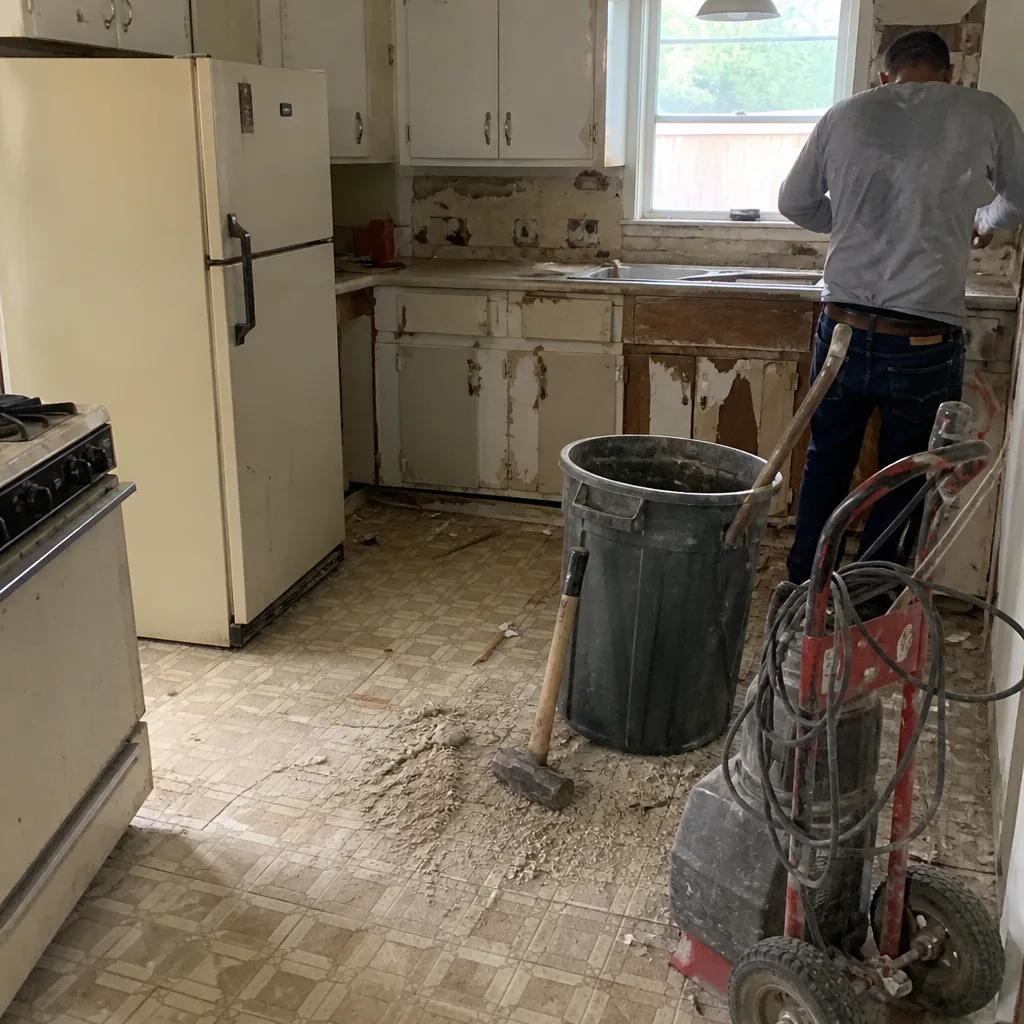 Before
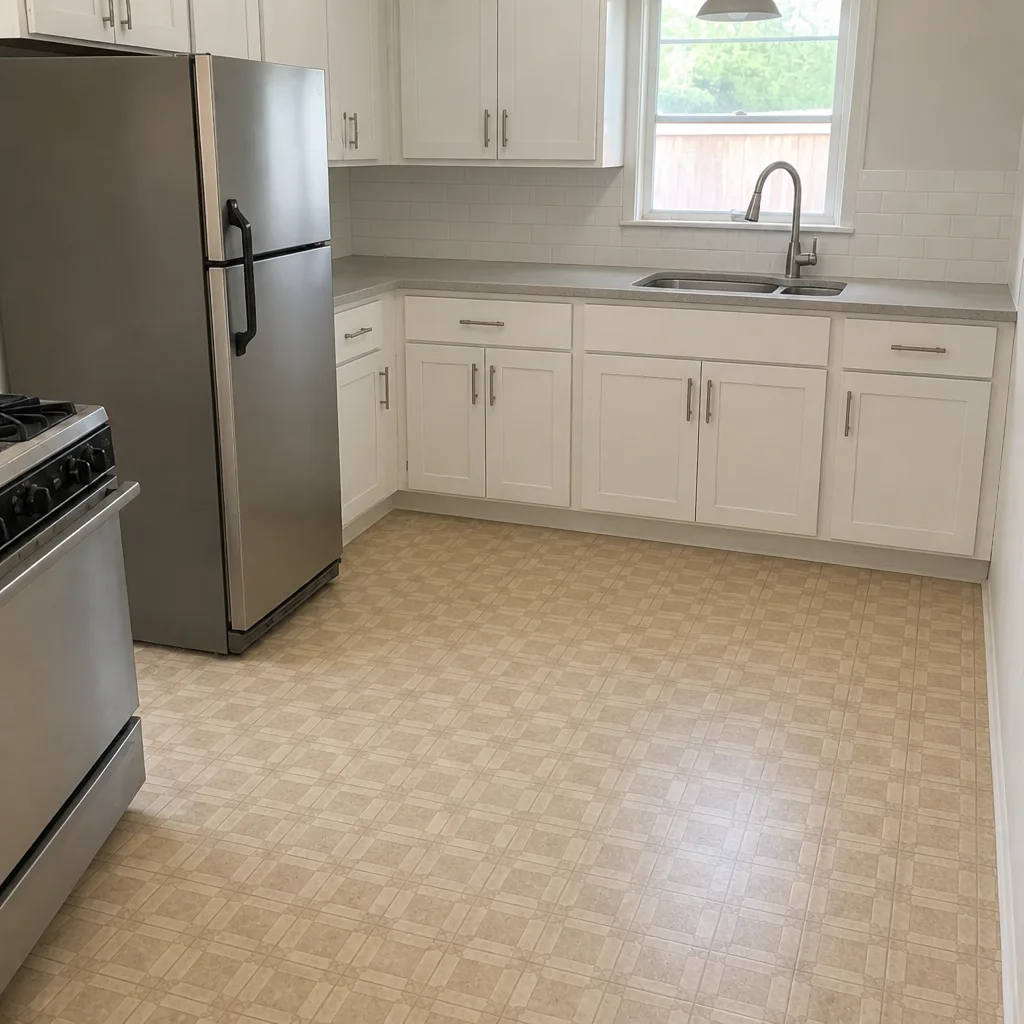 After
What Is Low-E Glass? The Miami Answer Most Explainer Pages Get Backward
Low-E glass is window glass with an invisible metallic coating that controls how heat moves across the pane. But here’s the part most explainers skip: in Miami, the standard Low-E coating designed to save energy in cold climates has the coating on the wrong side of the job. The northern spec traps heat inside the home. That’s the last thing you want when it’s 92°F outside and your AC is already running hard. Getting the coating type right is the difference between a window that pays you back and one that quietly raises your cooling bill for the next 20 years. For a free assessment of what your home actually needs, call (833) 968-1198.
Key Takeaways
- Low-E glass is coated glass that reflects heat and UV. In Miami, you need the solar-control variant, not the cold-climate one.
- Hard-coat (pyrolytic) Low-E keeps interior heat in - great for Chicago, wrong for Miami.
- Soft-coat (sputtered) solar-control Low-E blocks incoming solar radiation - the correct choice here.
- A Miami-ready unit stacks impact-rated PVB or SGP interlayer, solar-control Low-E, and argon fill - all three matter for Miami-Dade NOA eligibility.
- The wrong coating can still pass NOA. It just underperforms. That’s the mistake we catch before orders are placed.
Two Coatings, Two Climates - Why the Spec That Saves Chicago Costs You in Miami
Low-E coatings come in two basic families, and they do opposite things depending on which way the coating faces and how many silver layers it carries.
Hard-coat Low-E (the technical name is pyrolytic) is baked onto the glass while it’s still molten. It’s durable, cheap to produce, and it reflects interior heat back into the room. In a Chicago winter, that’s exactly what you want: your furnace heat stays inside instead of escaping through the glass. In Miami, that same coating fights your AC. It keeps interior heat trapped while doing less to reject the sun’s heat coming in from outside.
Soft-coat Low-E (sputtered) is applied in a vacuum chamber in multiple microscopic silver layers. It’s a far better solar-control coating. It reflects incoming solar radiation before it becomes heat inside your living room. The layers are delicate, so soft-coat glass has to go inside a sealed insulated unit - never exposed to the air. For Miami’s subtropical sun, this is the coating you want.
Here’s the mistake we see regularly in Miami: installers who operate nationally pull a standard Low-E spec sheet and submit it for a home in Coconut Grove or Kendall. It passes NOA. It meets code. And it still underperforms on the one thing you actually paid for - cooling savings. The installer did nothing technically wrong. They just specified for the wrong climate.
What’s Actually Inside a Miami-Ready Low-E Window
A window rated for Miami isn’t just “Low-E glass.” It’s a stack of layers, and each one earns its place. This is why we don’t order from a national catalog without checking the assembly against Miami-Dade requirements first.
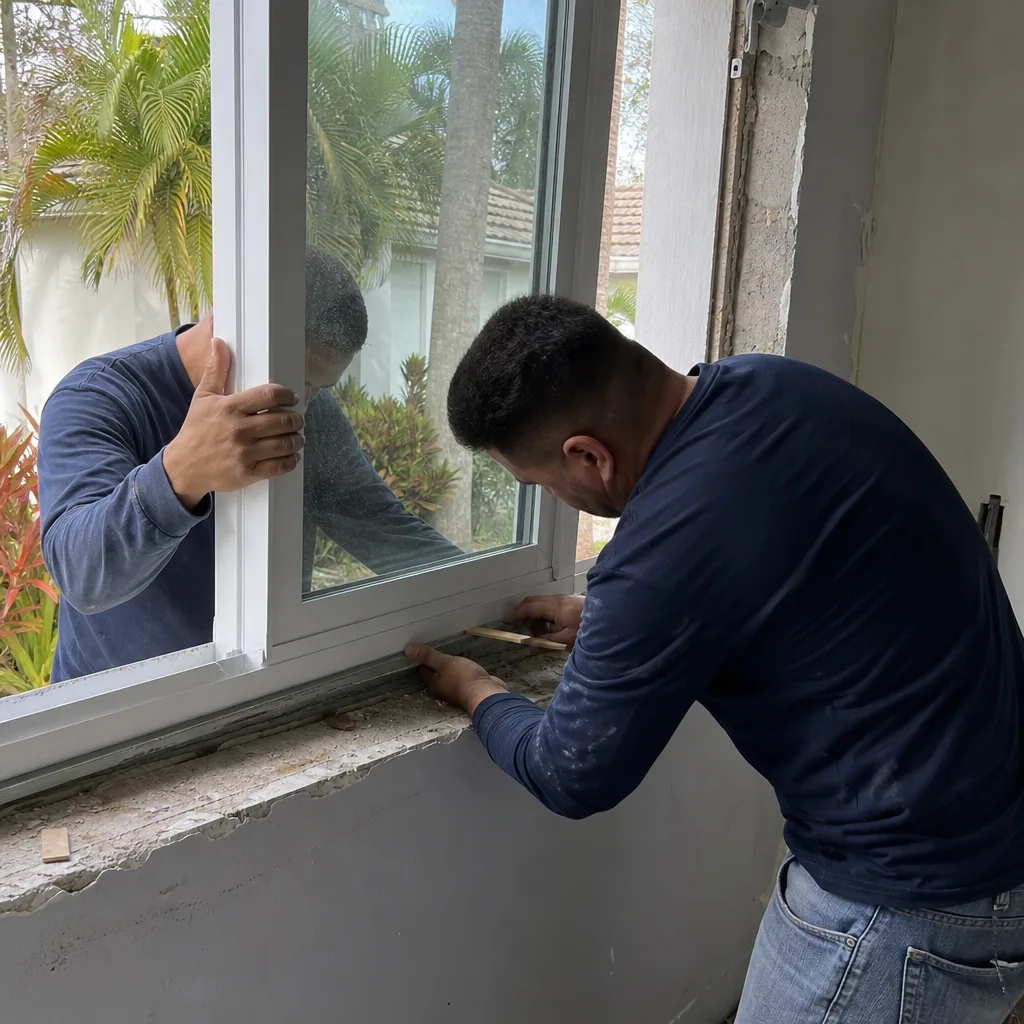
- The interlayer (PVB or SGP). Impact-rated windows in Miami-Dade require a laminated glass layer. PVB is standard; SGP (SentryGlas) is a stronger ionoplast interlayer that holds the glass together even after a break. For homes near the coast or in VE flood zones, SGP is worth the upgrade.
- The Low-E coating (soft-coat, solar-control). The silver-layer coating that rejects solar heat gain. This is the layer that determines your SHGC - the lower the number, the better the cooling performance.
- Argon fill. The gap between glass panes is filled with argon instead of air. Argon is denser and a slower conductor of heat, so it boosts the insulating value of the unit without adding visible tint.
- Miami-Dade NOA eligibility. Every window and door installed in this county has to carry a Miami-Dade Notice of Acceptance (NOA) number - not just a Florida approval, not just a national one. The NOA is issued to the specific product assembly: coating, interlayer, argon fill, frame, all of it. Change one layer, and you may need a new NOA.
We specify Andersen and Marvin glazing packages because both publish SHGC and visible transmittance (VT) data on their product pages, so you can verify the numbers yourself. A typical solar-control unit we’d propose for a Miami home lands around SHGC 0.25-0.30 with VT around 0.40-0.50 - meaning roughly a quarter of the sun’s heat comes through, and about half the visible light does. Every unit we install is covered by our 730-Day Done Right Promise. If it’s not done right, we make it right. See the full Windows & Doors service page for the complete lineup.
Why UV Protection Is Worth Real Money in Miami
The subtropical sun here doesn’t just heat your home - it fades it. Hardwood floors, area rugs, leather sofas, painted walls, artwork: all of it breaks down faster in Miami than most homeowners realize. UV radiation is the primary culprit.
A properly specified solar-control Low-E unit blocks roughly 95% or more of incoming UV. That has a dollar value most homeowners never calculate. Replacing a faded hardwood floor in a Brickell condo or refinishing a cedar ceiling in a Coral Gables home isn’t cheap. When you add a UV-blocking specification to an impact window order, you’re protecting interior finishes while you’re protecting the structure.
This is one of the reasons we push the specification process harder than most. A vetted brand partner (Andersen, Marvin, and their peers) publishes the UV-blocking percentage, the SHGC, and the VT on every product sheet. We match those numbers to your specific home before the order goes out. For context on what windows cost in Miami, the ranges run $9,440-$29,500 for impact window installation and $5,310-$17,700 for standard window replacement.
Common Local Scenarios We Actually See
Every Miami neighborhood has its own housing stock, and that shapes what a window order looks like.
- Pre-1970s concrete-block homes in Little Havana and Allapattah. These are often single-pane original aluminum windows. A solar-control Low-E impact unit is a substantial upgrade - both for cooling and for wind protection during hurricane season.
- MiMo and Mediterranean Revival buildings along Biscayne Boulevard. The windows here need to match the architectural profile while meeting current NOA requirements. We work with brands that offer custom profiles.
- Post-2000 high-rise units in Brickell. The problem isn’t wind liability - the building already has it. The problem is solar heat gain through floor-to-ceiling glass that faces due west. A solar-control Low-E retrofit on the worst-facing panes is often the cheapest cooling upgrade a homeowner can make.
- Coastal homes in VE flood zones. Here the interlayer spec matters most. SGP interlayer, higher wind rating, and a NOA number that matches the assembly exactly. We don’t substitute layers to save on cost when the flood zone says otherwise.
One more local wrinkle: Miami-Dade’s 40-Year Recertification rule (25 years near the coast) routinely triggers window and impact-glass upgrades for older buildings, usually when an inspector flags the existing assemblies. If you’re heading into a recertification inspection, that’s the moment to get the specification right the first time. Our Miami service area page lists the neighborhoods we work in.
FAQs
Low-E glass is window glass with a microscopically thin metallic coating that reflects heat and UV while allowing visible light through. The coating isn’t tinted film you can see. It’s applied at the factory as part of the glass manufacturing process, so it never peels or wears off. In Miami, you want the solar-control variant that rejects incoming heat, not the cold-climate variant that traps interior heat. Call (833) 968-1198 for a free assessment of what your home needs.
Yes - but only if the right coating is specified. A solar-control soft-coat Low-E unit with argon fill and an impact-rated PVB or SGP interlayer cuts solar heat gain significantly and blocks 95%+ of UV, which extends the life of your flooring, furniture, and interior finishes. The wrong coating (hard-coat pyrolytic) still passes code and NOA, but it doesn’t deliver the cooling savings you paid for. The specification matters more than the label. Call (833) 968-1198 and we’ll walk you through the exact product spec for your home.
Impact window installation in Miami runs $9,440-$29,500 depending on window count, size, and frame material. Standard window replacement with Low-E glazing runs $5,310-$17,700. The spec that drives Miami-Dade NOA eligibility - impact interlayer, solar-control coating, argon fill - is part of that cost, not an add-on. We offer upfront pricing (the number you see is the number you pay), a free project estimate and design consult, $1,000 off projects over $10,000, and 0% financing for 18 months. Call (833) 968-1198 for an exact quote.
Yes, and it happens more than you’d think. NOA eligibility is about wind resistance and structural compliance - not energy performance. A hard-coat Low-E unit from a national supply chain can carry a valid NOA number and still be a poor choice for Miami’s climate because the coating was designed for cold-weather markets. That’s why we verify both the NOA and the SHGC on every product before ordering. Call (833) 968-1198 for a no-pressure specification review.
If you’d rather have it looked at, Groundwork Construction Co. of Miami offers a no-pressure assessment in Miami - call (833) 968-1198. We answer live, 24/7, and our technicians bring up to 12 years of experience to every window and door project. See how we handle the full scope at our home page.
Written by the team at Groundwork Construction Co. of Miami, serving Miami, FL.