
 Windows & doors
 Kitchen remodeling
 Bathroom remodeling
 Home additions & ADU
 Roofing
 Driveway & pavers
 Fence
Free written scope consultation - allowances, timeline, and change-order rules on paper before a single trade is scheduled
Styles & brands we work with
- Kitchen remodeling
- Bathroom remodeling
- Home additions & ADU
- Roofing
- Windows & doors
- Driveway & pavers
- Fence
See the difference
 Before
 After
 Before
 After
 Before
 After
Looking at this comparison for a Miami market, here’s the specific guidance we give homeowners weighing glass packages in this climate.
Triple-pane windows cost 20-30% more than double-pane and are engineered to solve a problem Miami doesn’t have: extreme cold. In a climate where your HVAC fights solar heat gain, not heat loss, that extra pane adds weight to your lintel and dollars to your invoice without moving the needle on your energy bill. For almost every Miami home, a well-specified double-pane impact unit with solar-control Low-E and argon fill is the better buy. Call (833) 968-1198 for a no-pressure assessment and a free estimate.
Why Double-Pane Usually Wins in Miami’s Heat
The short answer comes down to what each window is actually built to do. Triple-pane glass earns its price in Minneapolis or Buffalo, where the enemy is heat escaping through the glass in January. Here in Miami, the enemy is the opposite: sun pouring in year-round and your AC working to push that heat back out. Those are different physics, and they reward different specifications.
The number that matters most in a Miami home is SHGC (solar heat gain coefficient) – how much solar heat the glass lets through. Lower is better when you’re cooling. A good double-pane solar-control unit lands around 0.22 to 0.25. Here’s the catch: most triple-pane units don’t improve that number much at all. The third pane adds a pocket of insulating glass that helps U-factor (heat loss), which is a secondary concern in a cooling-dominated climate. You pay a premium for a metric that barely moves your bill.
That’s why, when we spec a window in Miami, we push the budget into the coating and the gas fill, not more layers of glass. Solar-control Low-E does the heavy lifting against Miami’s sun; argon fill helps; the same frames work either way.
Where Triple-Pane Really Gets Complicated: Miami-Dade NOA
This is the part most comparison articles skip, and it’s the part that matters most here. Miami-Dade County is the only place in the US with its own product-approval system – the Notice of Acceptance (NOA). Every window installed here needs an NOA number, not just a Florida or national approval. The NOA process is product-specific. Each unit, as configured, gets tested and approved.
The universe of triple-pane windows that carry a Miami-Dade NOA is a fraction of the double-pane options. That narrows your design choices fast, and special-order triple-pane units that still need approval often mean longer lead times – weeks you may not have on a hurricane-season schedule. Double-pane impact units, especially from the major manufacturers, have far deeper NOA coverage. Fewer surprises, faster timelines, certified compliance.
If your building is approaching its 40-Year Recertification (25 years near the coast), window replacement often gets bundled into the same wave of structural and wind-mitigation work. In that situation you want the broadest, best-documented approval coverage – not a boutique glass package. Our Windows & Doors team builds the spec around what the county will actually sign off on.
The Weight Problem in Miami’s Older Homes
Miami’s housing stock turns glass choice into a structural question. A dense mix of pre-1970s concrete-block and CBS homes, 1920s Mediterranean Revival buildings, and post-2000 high-rises means many of the homes we work on still have unreinforced masonry lintels over the openings. Triple-pane units are heavier per square foot than double-pane – more glass, more frame, more sash. On those older lintels, the extra weight can approach the load limit.
When it does, the fix isn’t optional. Lintel reinforcement or a rebuilt header adds roughly $500 to $1,500 per opening – and that cost wipes out whatever theoretical energy gain the third pane offered. On a home with a dozen windows, that’s real money added before you’ve saved a dollar on cooling. In the homes we assess across Coral Gables and Little Havana, this weight conversation comes up more than homeowners expect, and it’s the detail that flips the decision toward double-pane.
Double-Pane vs Triple-Pane: Side by Side
| Factor | Double-pane impact (solar-control) | Triple-pane |
|---|---|---|
| Relative cost | Baseline | 20-30% higher |
| Typical SHGC | 0.22-0.25 | Similar; little gain |
| U-factor (heat loss) | Adequate | Better (secondary here) |
| Weight per opening | Standard | Heavier; lintel load risk |
| Miami-Dade NOA coverage | Wide | Limited; longer lead times |
| Best climate fit | Subtropical cooling | Cold climates |
Window pricing in this market reflects the spec: window replacement runs $5,310-$17,700, while full impact-rated installation runs $9,440-$29,500. That gap is why picking the right glass package matters – you want the performance, not the extra pane.
What We Specify and Why
Groundwork Construction Co. of Miami specifies Andersen and Marvin double-pane impact units precisely because they offer the widest Miami-Dade NOA coverage and solid solar-control glazing options. Homeowners get certified compliance and proven performance, not a heavier window that looks impressive on paper. It’s the same sourcing discipline we apply across roofs and doors – matching premium roofing and exterior work with materials that hold up to salt air and hurricane season.
On top of the glass spec, every project carries our 730-Day Done Right Promise – if it’s not done right, we make it right – and our technicians have up to 12 years of experience. Upfront pricing means the number you approve is the number you pay. If financing helps, we offer 0% financing for 18 months and $1,000 off projects over $10,000, and a free project estimate and design consult to start. If your project expands beyond windows, you can see the full range on our home page and the broader Miami service area.
Key Takeaways
- In Miami’s cooling climate, SHGC and solar rejection matter more than U-factor – and triple-pane doesn’t meaningfully improve SHGC.
- Triple-pane costs 20-30% more and is engineered for heat loss, not solar heat gain.
- Far fewer triple-pane units carry a Miami-Dade NOA, narrowing choices and lengthening lead times.
- On pre-1970s CBS homes, heavier triple-pane units can trigger $500-$1,500 per-opening lintel reinforcement.
- A well-specified double-pane solar-control impact unit is the better fit for almost every Miami home.
Quick neighborhood example: on the low-slope, flat-roof CBS homes common in neighborhoods like Coral Way, the sun load on east and west openings is relentless June through September. That’s exactly where a strong SHGC number pays back – and where a third pane doesn’t.
FAQs
Usually no. Triple-pane windows pay back in cold climates where heat loss dominates, but in Miami’s cooling-driven climate the extra pane adds cost, weight, and NOA complexity with little benefit to your energy bill. A double-pane solar-control impact unit delivers the performance that matters here for less. Call (833) 968-1198 for an exact comparison on your home – estimates are free.
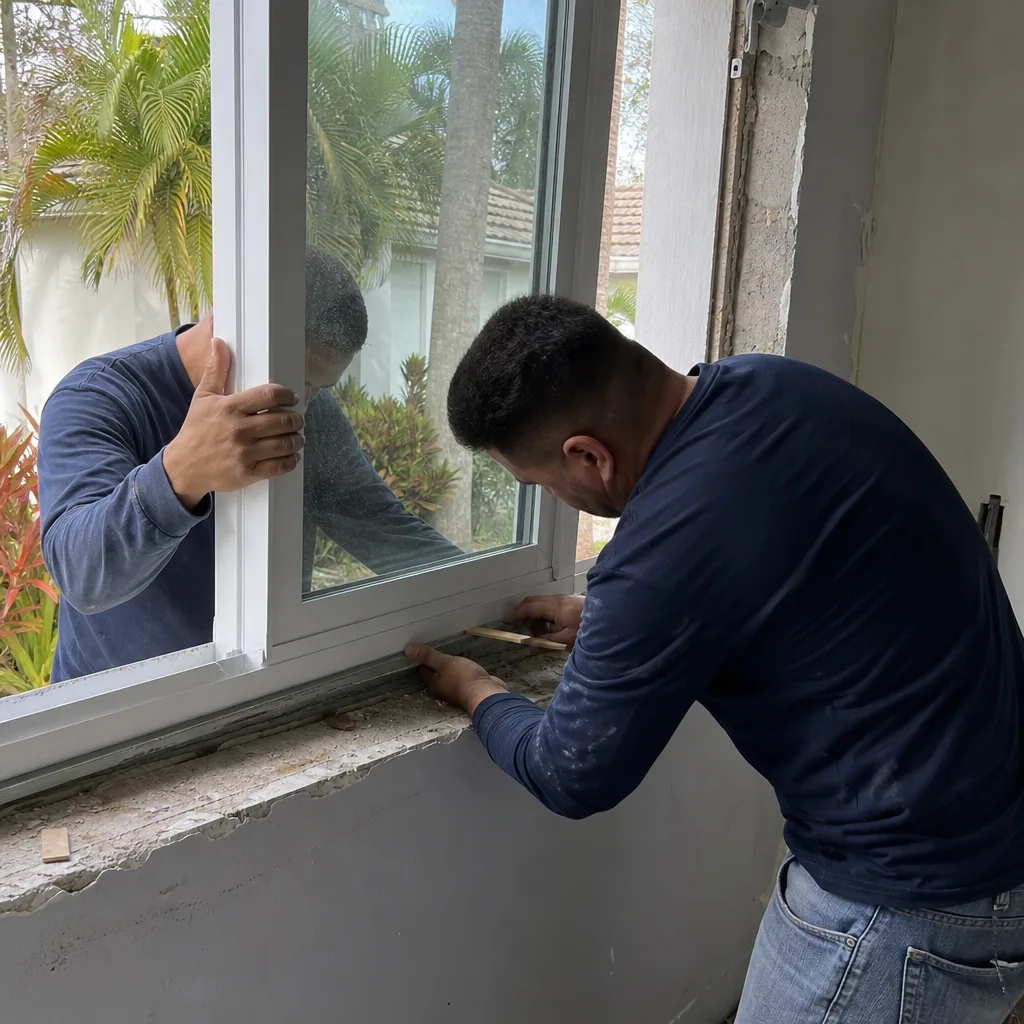
For hurricane protection, what counts is impact rating and a valid Miami-Dade NOA – not the number of panes. Many excellent double-pane impact units carry the required approvals, while fewer triple-pane units do. We spec the units with the widest NOA coverage so you get certified protection. Call (833) 968-1198 and we’ll walk through approved options for your openings.
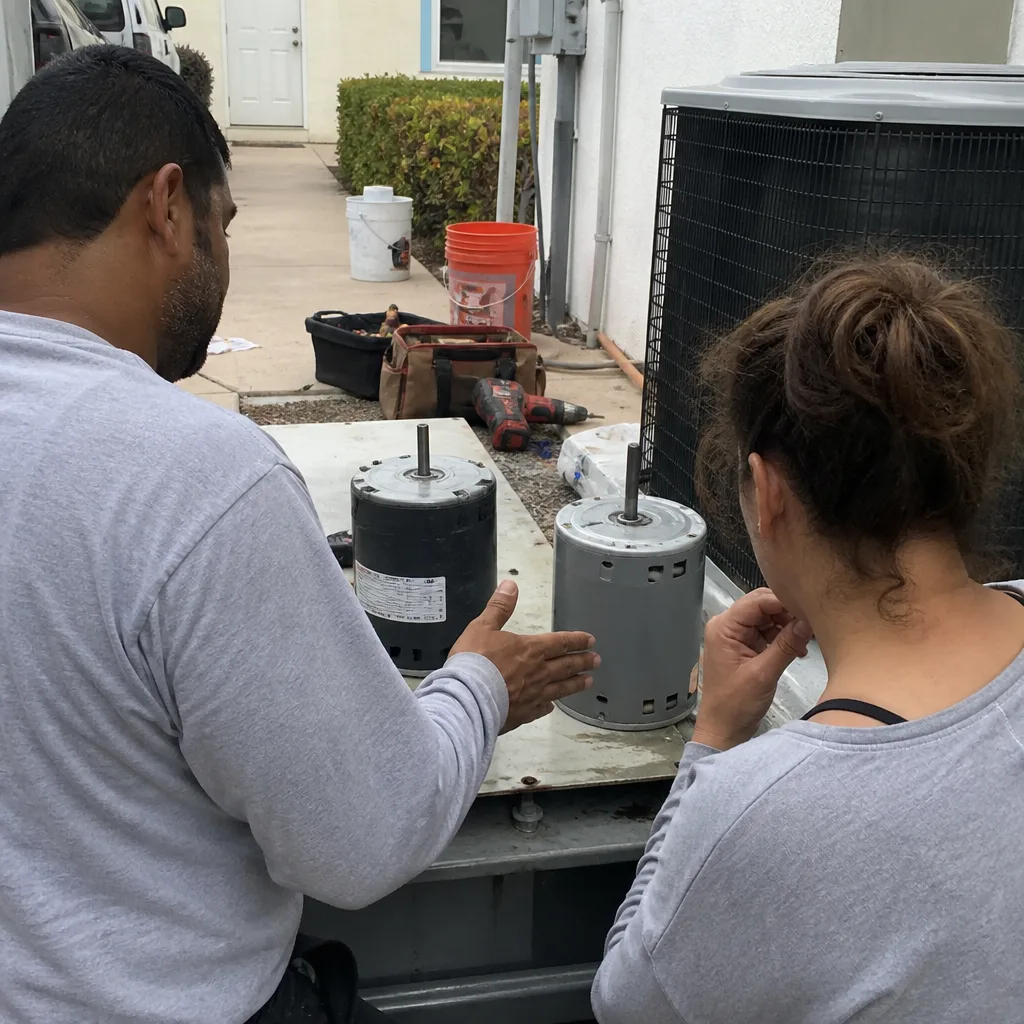
Triple-pane typically runs 20-30% more than double-pane, and on older CBS homes you may also need $500-$1,500 per opening in lintel reinforcement for the added weight. Full impact-window installation in Miami runs $9,440-$29,500 depending on size and count. Call (833) 968-1198 for a free estimate with upfront pricing.
Yes. We offer a no-pressure assessment where we check your lintels, confirm the impact and NOA requirements, and compare double-pane vs triple-pane for your specific home. Our technicians arrive in uniform and background-checked, and calls are answered by a live person 24/7. Call (833) 968-1198 to book your free estimate and design consult.
Close the loop with a straight recommendation: for most Miami homes, double-pane impact glass with solar-control Low-E and argon fill is the smarter spend. If you’d rather have it looked at, Groundwork Construction Co. of Miami offers a no-pressure assessment in Miami – call (833) 968-1198. We’ll tell you honestly whether the third pane earns its keep on your specific openings, and show you the numbers before you commit.
Written by the team at Groundwork Construction Co. of Miami, serving Miami, FL.