
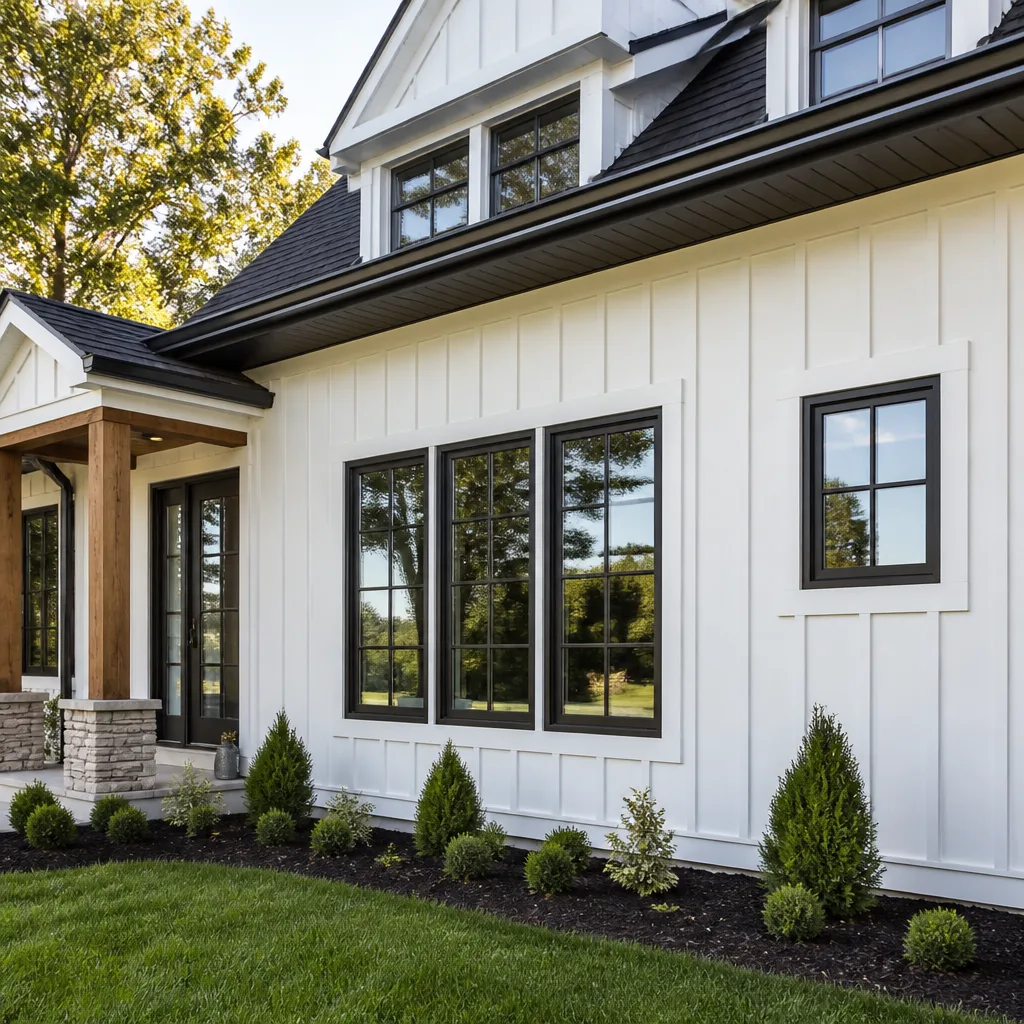
 Windows & doors
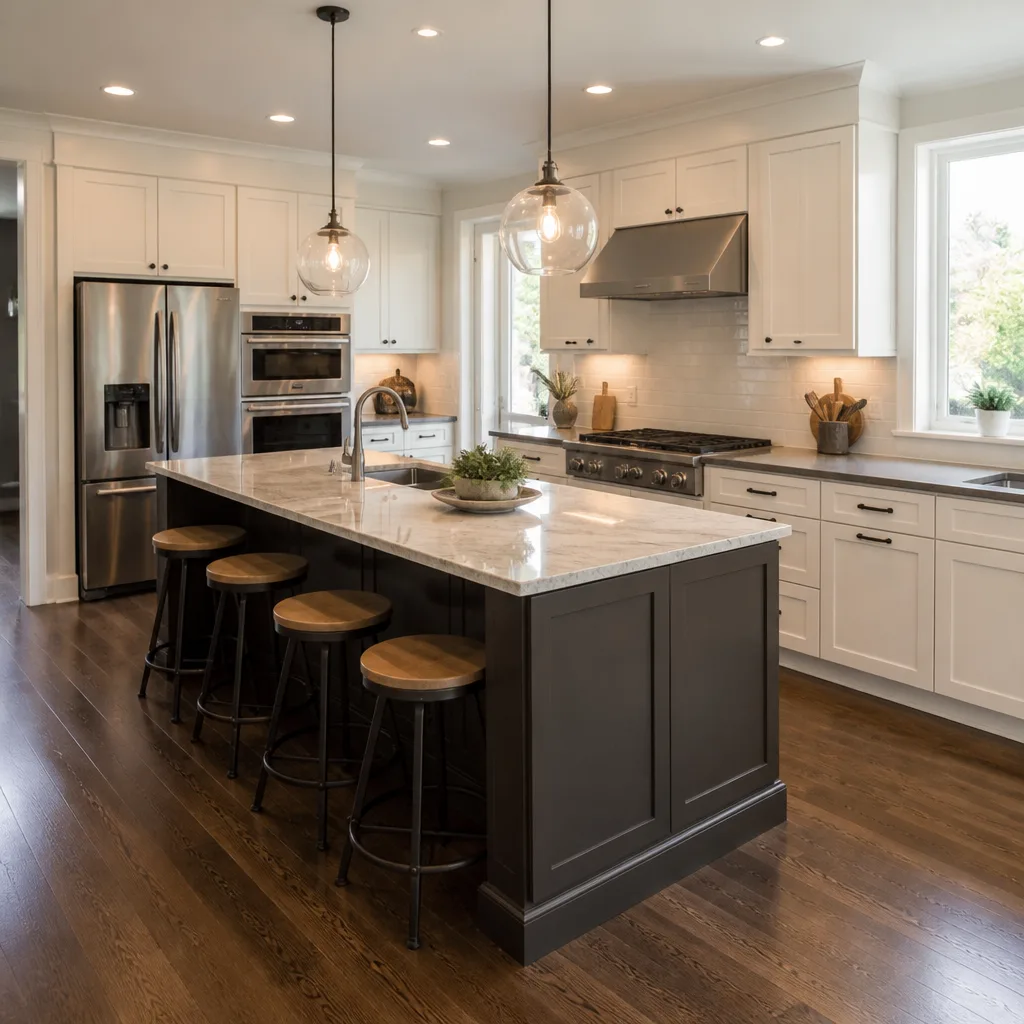 Kitchen remodeling
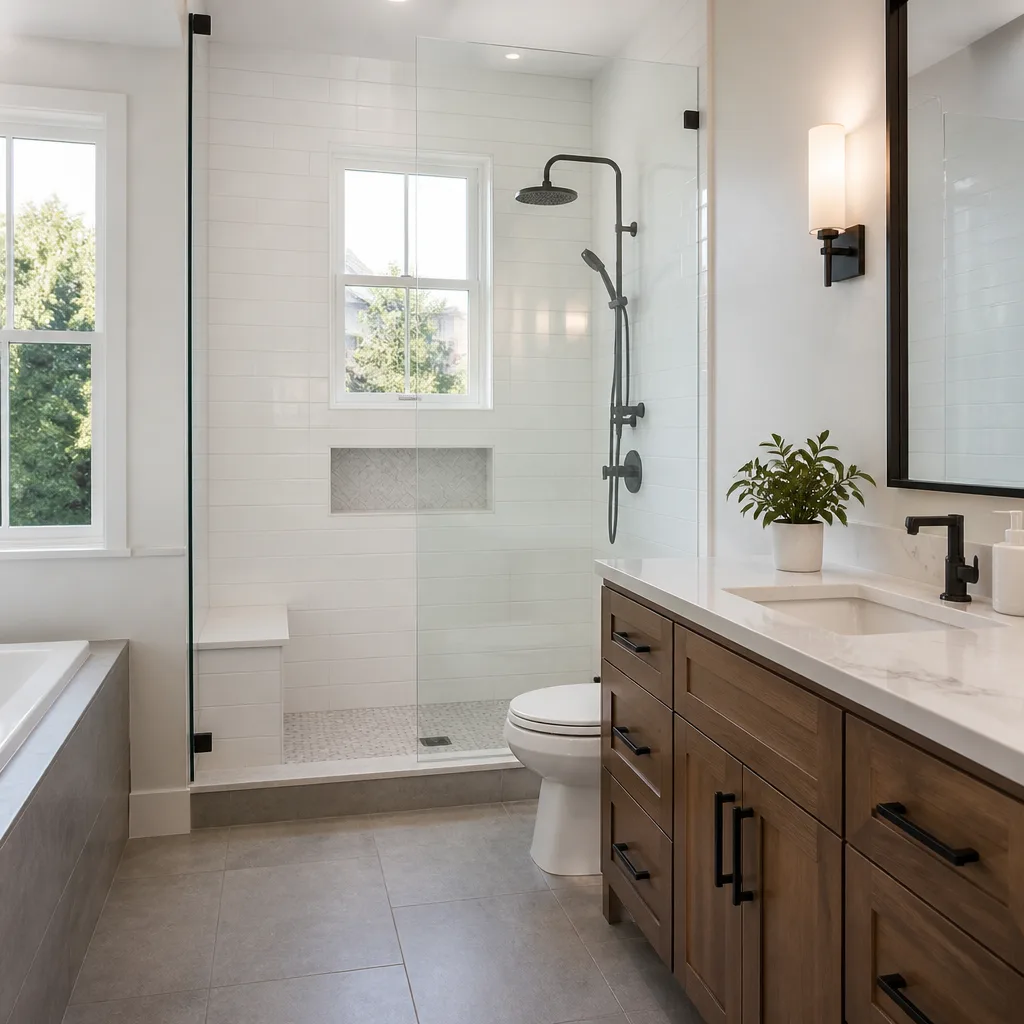 Bathroom remodeling
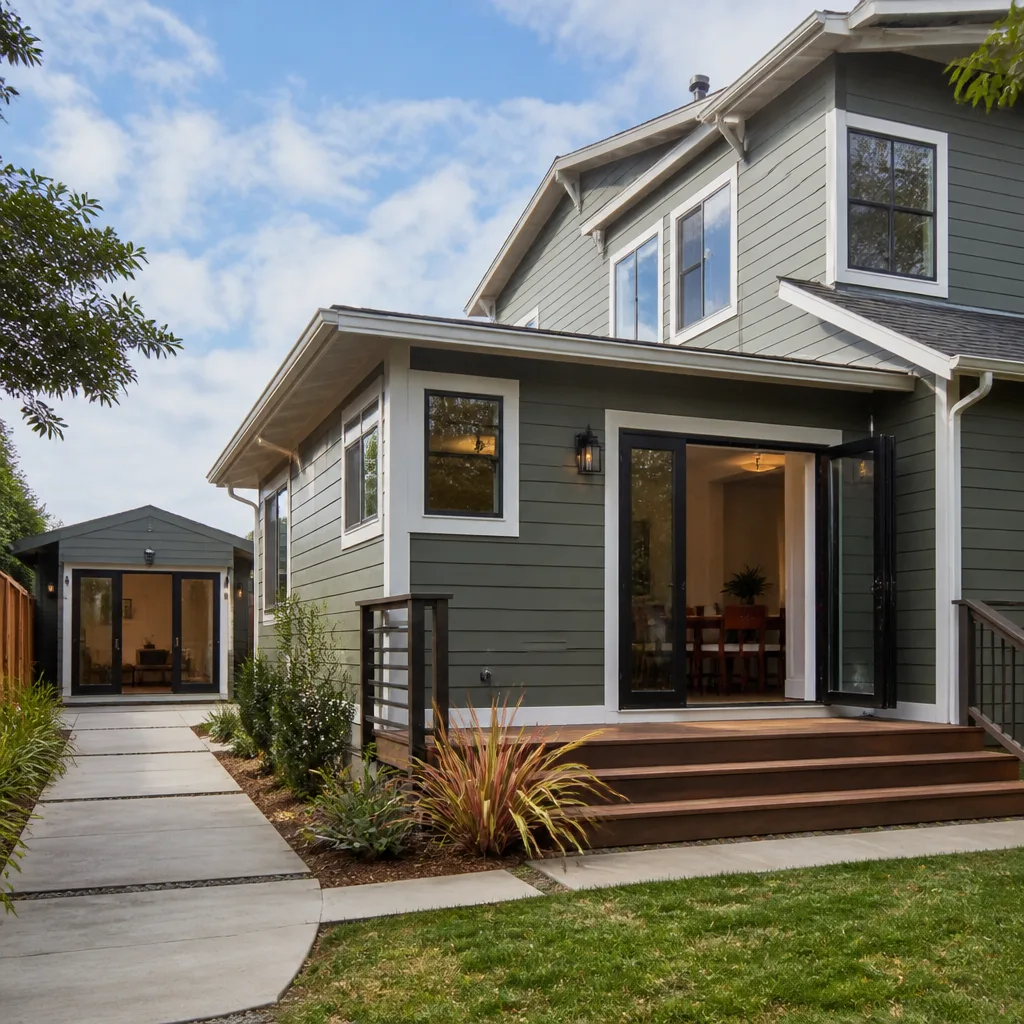 Home additions & ADU
 Roofing
 Driveway & pavers
 Fence
Free written scope consultation - allowances, timeline, and change-order rules on paper before a single trade is scheduled
Styles & brands we work with
- Kitchen remodeling
- Bathroom remodeling
- Home additions & ADU
- Roofing
- Windows & doors
- Driveway & pavers
- Fence
See the difference
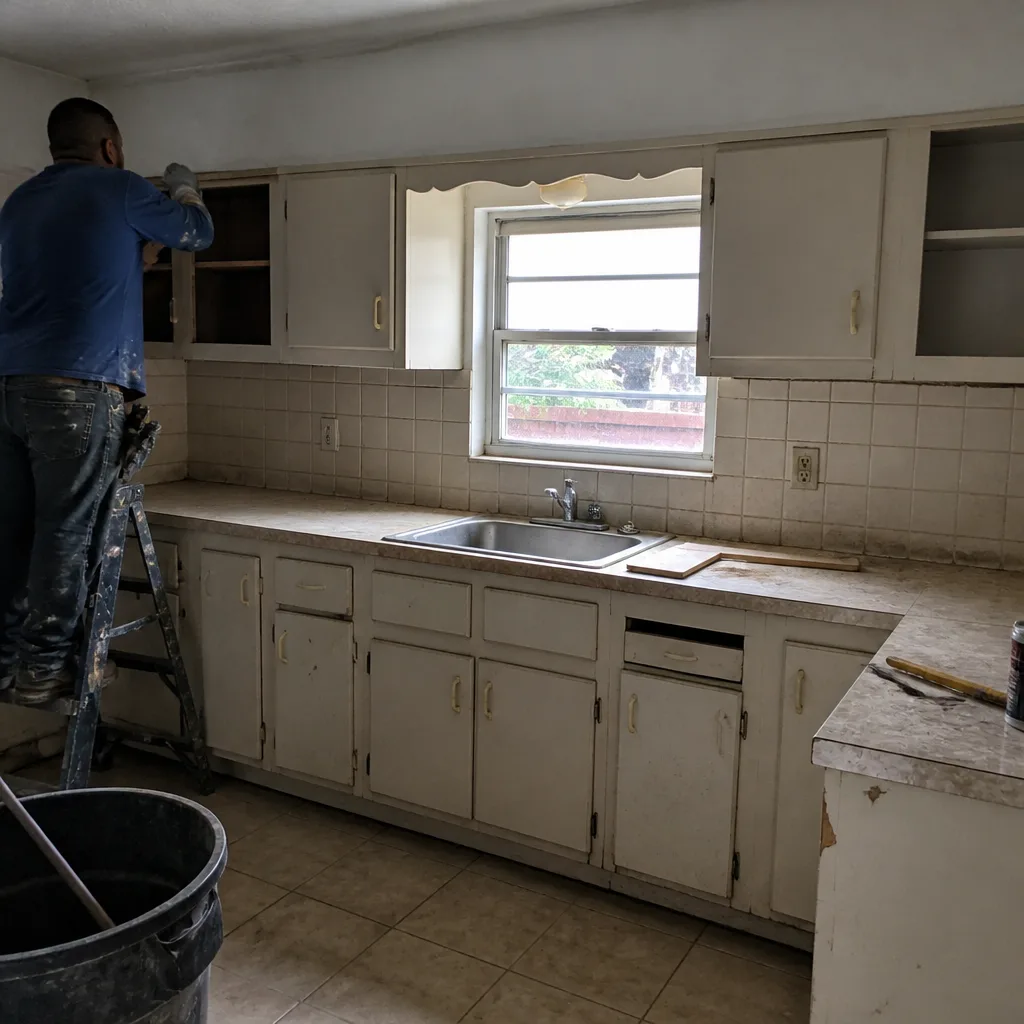 Before
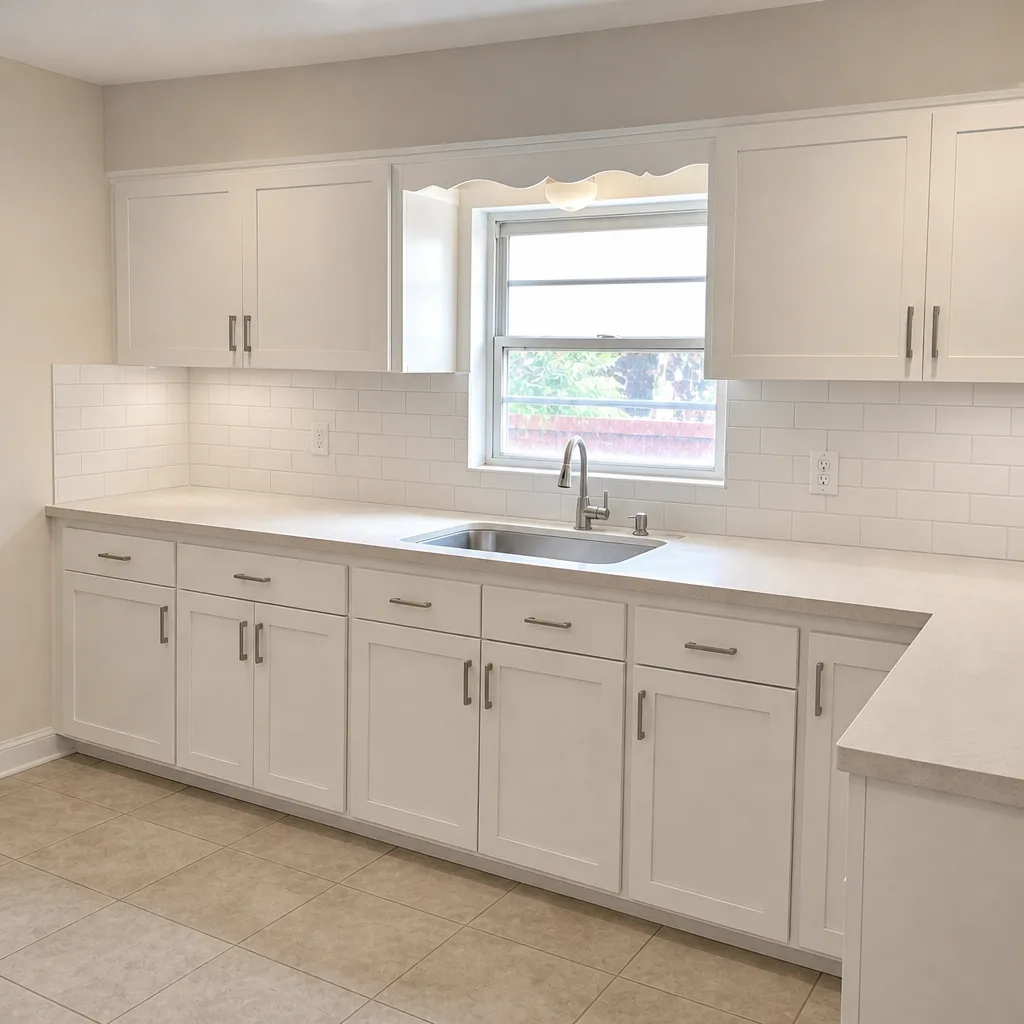 After
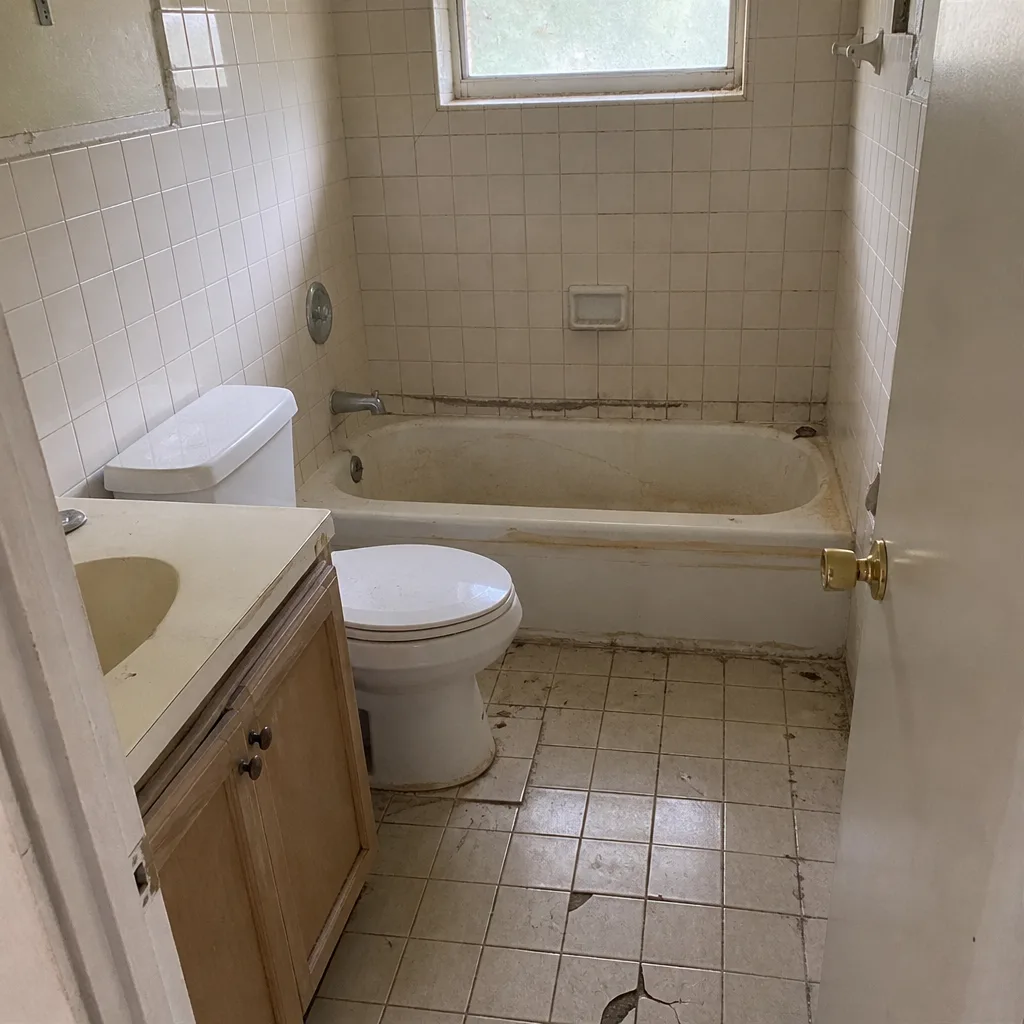 Before
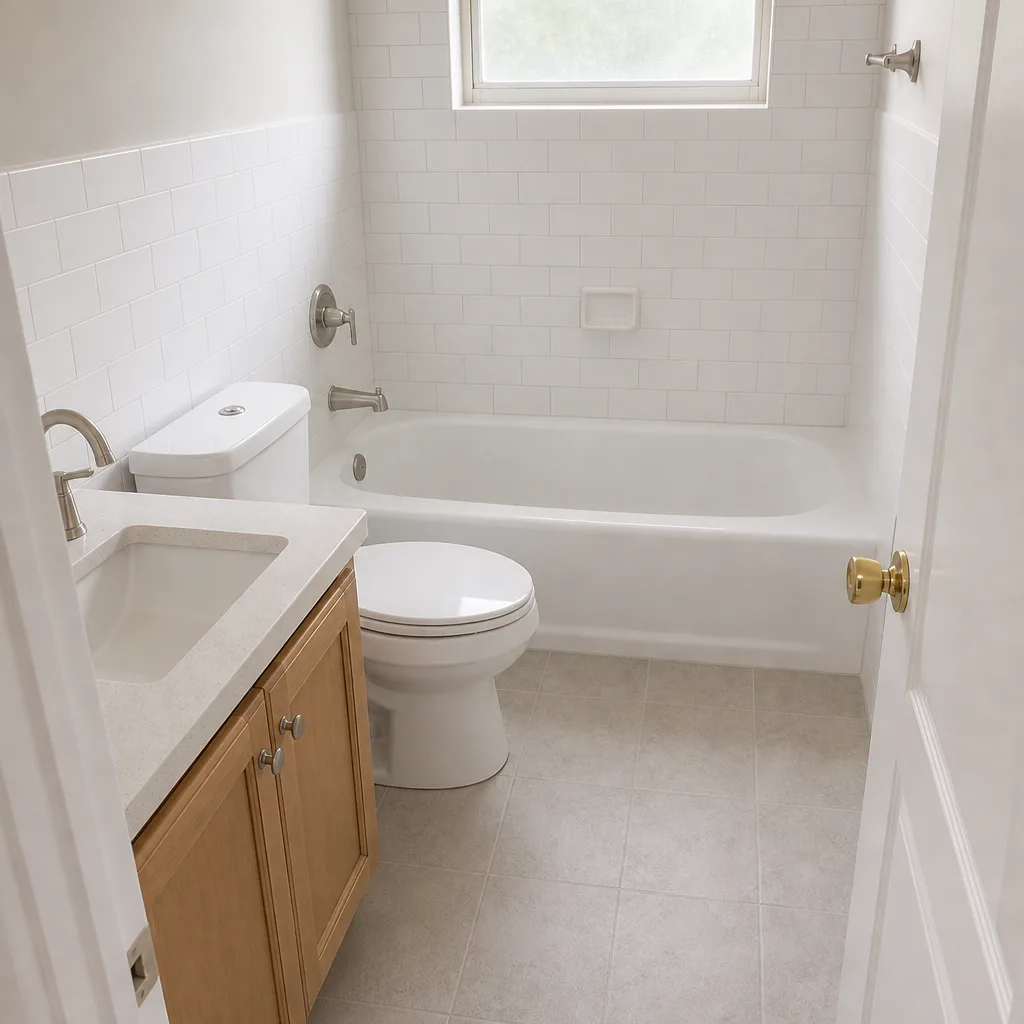 After
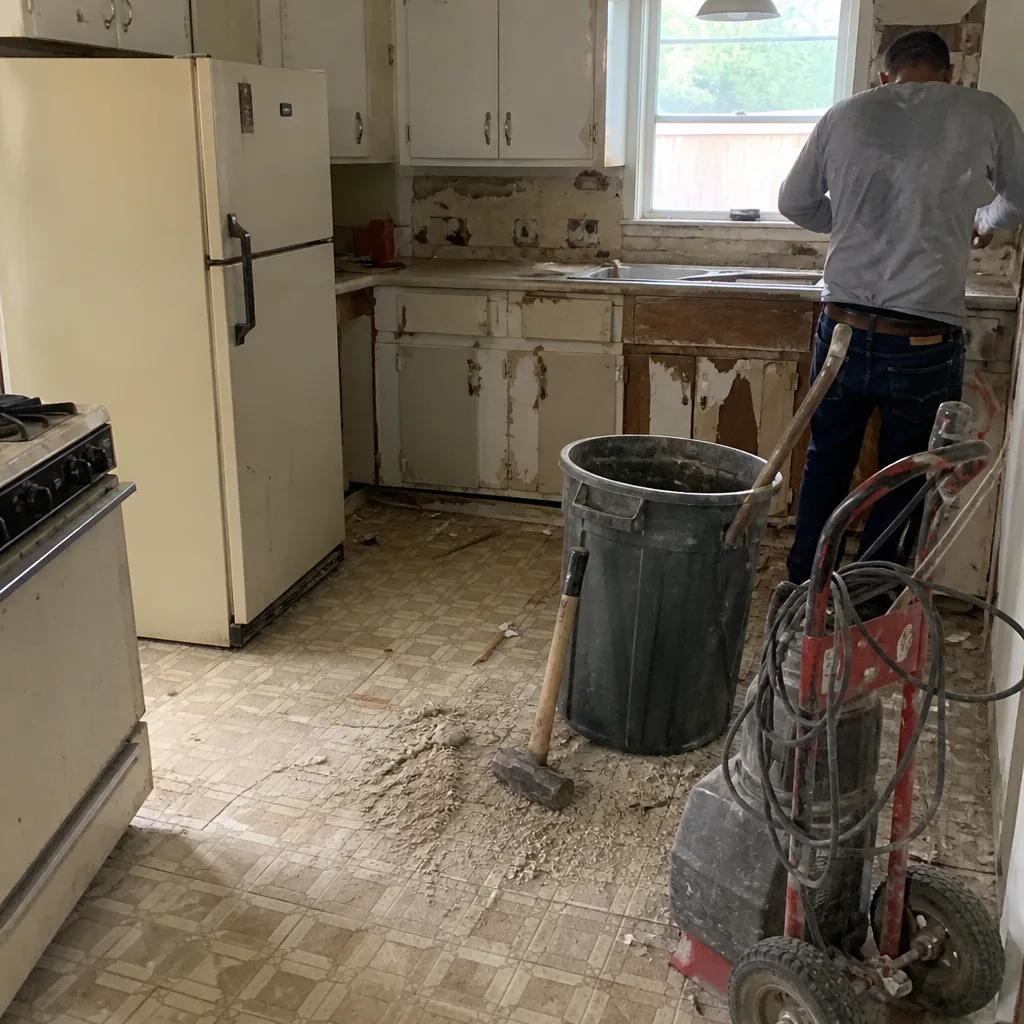 Before
 After
Impact vs. Hurricane Proof vs. Storm Rated Windows in Miami: What the Terms Actually Mean
Only one of these three terms has legal meaning in Miami-Dade County, and it’s “impact-resistant.” “Hurricane proof” has no definition, no testing protocol, and no regulatory standing anywhere in the US. “Storm rated” is a marketing phrase that may describe a window passing a national standard while still failing Miami-Dade’s stricter county test. If you’re shopping for windows in Miami, the single document that matters is a valid Miami-Dade Notice of Acceptance (NOA) number. Call (833) 968-1198 and our team will pull the NOA for any window we quote before you sign anything.
Why Miami Is Different From Everywhere Else in Florida
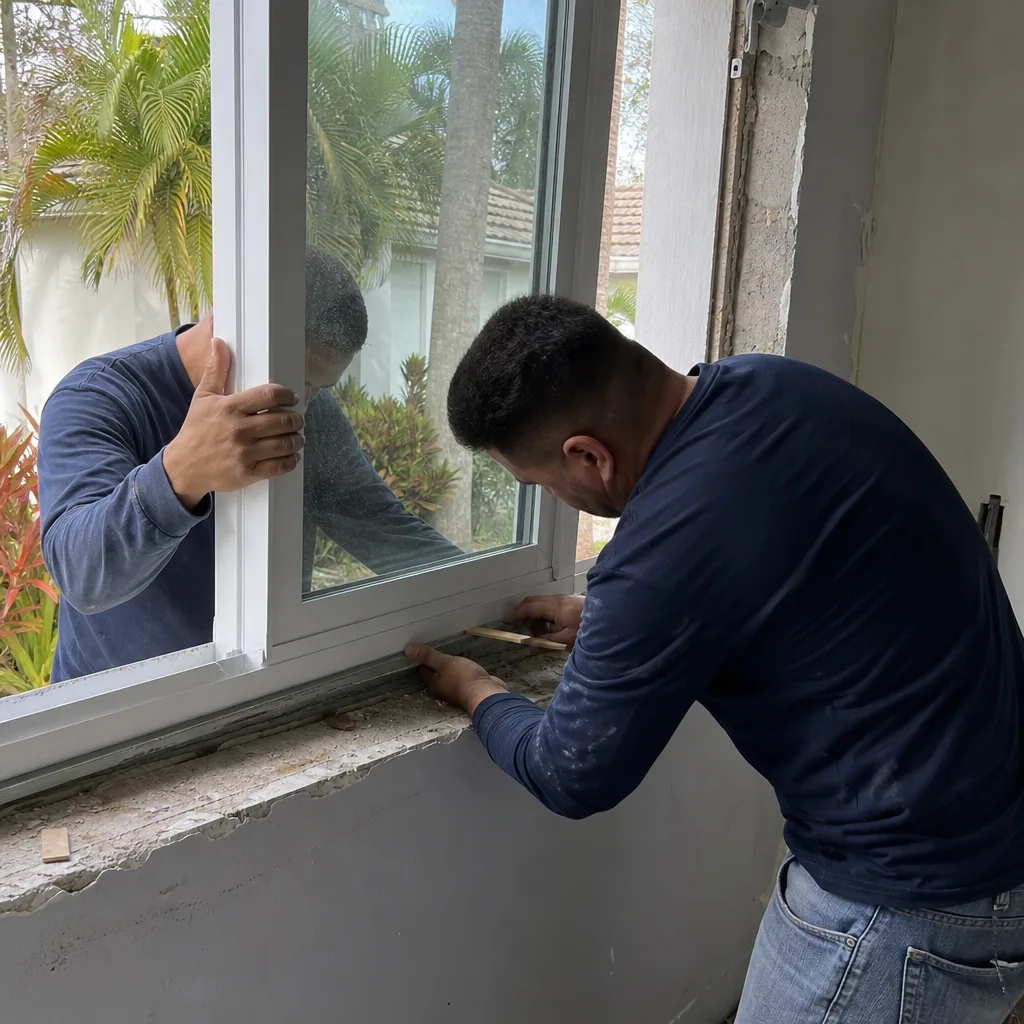
Miami-Dade County sits inside the High Velocity Hurricane Zone, and it’s the only place in the US with its own product-approval system. That means a window or door needs more than a Florida Product Approval or a national rating. It needs a Miami-Dade NOA, issued after the county’s own testing at higher wind-load and large-missile thresholds than the state baseline.
A window can be perfectly legal in Tampa, Orlando, or Jacksonville and still be illegal to install in Miami. That’s the trap most homeowners don’t see coming. The product page says “hurricane rated.” The price looks great. Then the permit office rejects the submittal because the unit carries no NOA and can’t legally go into a residential structure in Miami-Dade. Now you’re paying for re-ordering, restocking, and a schedule that just slid two months.
Housing stock makes this even trickier. Miami’s mix of pre-1970s concrete-block and CBS homes, 1920s Mediterranean Revival buildings, and post-2000 glass towers along Brickell and Biscayne Boulevard means opening sizes, anchoring conditions, and structural backups vary wildly from block to block. A window that fits a Coral Gables CBS wall is a different installation than one going into a Brickell high-rise curtain wall. The NOA tells you what the product is rated for; the installation detail tells you whether your specific wall can receive it.
The Three Terms, Defined With Precision
Here’s the breakdown in plain language, so you can hold your own in a sales conversation.
- Impact-resistant: A Florida Building Code designation tied to specific large-missile impact testing and cyclic pressure testing. In Miami-Dade, the qualifying version is the one with a Miami-Dade NOA behind it, tested to the county’s HVHZ protocols. This is the only term with legal weight here.
- Storm rated: Usually refers to AAMA or ASTM ratings. The product may meet national codes or another state’s requirements. It often does not meet Miami-Dade’s stricter HVHZ requirements, which means it may pass a statewide standard and still fail county approval.
- Hurricane proof: No regulatory definition. No testing protocol. Pure marketing language. When you hear it, ask for the NOA number. A vendor who can’t produce one is telling you something.
None of this means a “storm rated” window is junk. Some of those products are solid. The point is that the term doesn’t tell you whether the unit is legal to install in Miami, and it doesn’t tell you whether your insurer will credit you for it.
What a Miami-Dade NOA Actually Is (and Why It’s the Only Standard That Counts Locally)
The NOA is a county-issued document that says a specific product, from a specific manufacturer, has passed Miami-Dade’s product-control testing. That testing uses higher wind-load and missile-impact thresholds than the Florida statewide baseline. The document lists the product, the approved configurations, the design pressures, and the installation conditions under which it’s compliant.
Why does this matter to you as a homeowner? Three reasons:
- Permits. Miami-Dade’s building department will require the NOA number on your window submittal. No NOA, no permit, no installation.
- Insurance. Citizens and most private Florida carriers require documentation of NOA-compliant windows before they’ll issue wind-mitigation credits. A window with only a state approval or a “hurricane proof” claim will not qualify, no matter how it performs in a storm.
- Resale and recertification. Miami-Dade’s 40-Year Recertification law (25 years for buildings near the coast) has already created a predictable wave of window and envelope upgrades, especially in older concrete-block neighborhoods. When a building goes through recertification, documented wind-resistance and structural compliance get reviewed. Window documentation belongs in that file.
This is also where our brand partnerships do real work. Andersen and Marvin both make impact lines with valid Miami-Dade NOA numbers, and we produce those NOA documents at quote time. Not after the sale. Not at permit submission. Before you sign. You’ll know exactly which product, which NOA, and which design pressure the window is rated for, and you’ll see it in writing. When you’re comparing options under our Windows & Doors line, the NOA is the first thing we hand you.
How Much Do Impact Windows Cost in Miami?
Impact window installation in Miami typically runs $9,440 to $29,500 for a full project, and standard window replacement without impact glazing runs $5,310 to $17,700. The wide spread depends on opening count, size, frame material, and whether the wall needs structural reinforcement to receive the heavier impact unit.
| Project | Typical Miami Range |
|---|---|
| Impact window installation | $9,440 - $29,500 |
| Standard window replacement | $5,310 - $17,700 |
Upfront pricing, no surprises, is how we quote. You’ll see the product, the NOA, the install detail, and the total before work begins. We also offer 0% financing for 18 months and $1,000 off projects over $10,000, which helps when you’re replacing a whole envelope at once. Every install is covered by our 730-Day Done Right Promise; if it’s not done right, we make it right.
A word on the salt air: coastal humidity and salt-laden wind eat through sealants and exterior finishes faster in Miami than almost anywhere else in the country. On impact window installs, we spec marine-grade sealants and check existing flashing while the openings are exposed. It’s cheaper to fix a flashing detail during a window swap than to chase a water intrusion two seasons later. Our technicians have up to 12 years of experience, and background-checked, uniformed crews handle every job. Calls are answered by a live person, 24/7.
Common Traps When You Buy Windows in Miami
A national retail site advertises “storm impact” windows at a great price. The product passes Florida’s statewide standard. It does not carry a Miami-Dade NOA. It cannot legally be installed in any Miami-Dade residential structure. You find out at permit review, after the deposit is gone.
Another trap: a window labeled “hurricane proof” with a slick spec sheet and no NOA number. Ask for the number. If they can’t produce it, walk. You’re not being difficult; you’re doing the one piece of diligence that separates a legal install from an expensive mistake.
If you want to see the wider set of services we handle across the region, start on our home page, then check the Miami service area page for what we cover in your part of the county. The same NOA discipline applies across every trade we touch, from roofing to additions.
FAQs
Yes. Any window installed in a residential structure in Miami-Dade County must carry a valid Miami-Dade NOA, and the number is required on your permit submittal. A Florida Product Approval alone is not enough, and a “hurricane proof” claim with no NOA behind it has no legal standing. Call (833) 968-1198 and we’ll pull the NOA for any window we quote.
Often, yes, but only if the window carries a Miami-Dade NOA that your carrier can verify. Citizens and most private Florida insurers require documentation of NOA-compliant windows before issuing wind-mitigation credits. A “storm rated” or “hurricane proof” window with only a state or national approval will not qualify, regardless of how it performs. For an exact quote on compliant windows, call (833) 968-1198; estimates are free.
No. “Hurricane proof” is a marketing phrase with no legal definition, no testing protocol, and no regulatory backing in Miami-Dade or anywhere else in the US. The only term with legal meaning in Miami-Dade is “impact-resistant,” and only when the product carries a valid NOA. If a sales rep uses “hurricane proof,” ask for the NOA number before anything else.
Florida Product Approval is a statewide approval; the Miami-Dade NOA is a separate county-level approval issued after Miami-Dade’s own testing at higher wind-load and missile-impact thresholds. A product can hold a Florida Product Approval and still be non-compliant in Miami-Dade without a NOA. If you’re not sure which one applies to your windows, call (833) 968-1198 and we’ll sort it out at no charge.
If you’d rather have it looked at, Groundwork Construction Co. of Miami offers a no-pressure assessment in Miami. We’ll bring the NOA documents, walk your openings, and give you an upfront price. Call (833) 968-1198 for a free estimate.
Written by the team at Groundwork Construction Co. of Miami, serving Miami, FL.