
 Driveway & pavers
 Kitchen remodeling
 Bathroom remodeling
 Home additions & ADU
 Roofing
 Windows & doors
 Fence
Free written scope consultation - allowances, timeline, and change-order rules on paper before a single trade is scheduled
Styles & brands we work with
- Kitchen remodeling
- Bathroom remodeling
- Home additions & ADU
- Roofing
- Windows & doors
- Driveway & pavers
- Fence
See the difference
 Before
 After
 Before
 After
 Before
 After
When to Seal a New Asphalt Driveway in Miami, FL
For a new asphalt driveway in Miami, the safe sealing window is usually 6 to 12 months after paving, but that’s a South Florida number, not a national one. The standard “wait 90 days” advice assumes a cold winter that hardens the binder slowly. Miami has no winter, so the surface cures faster and the UV starts breaking it down almost immediately. If you want a specific date for your driveway, call Groundwork Construction Co. of Miami at (833) 968-1198 and we’ll walk you through it.
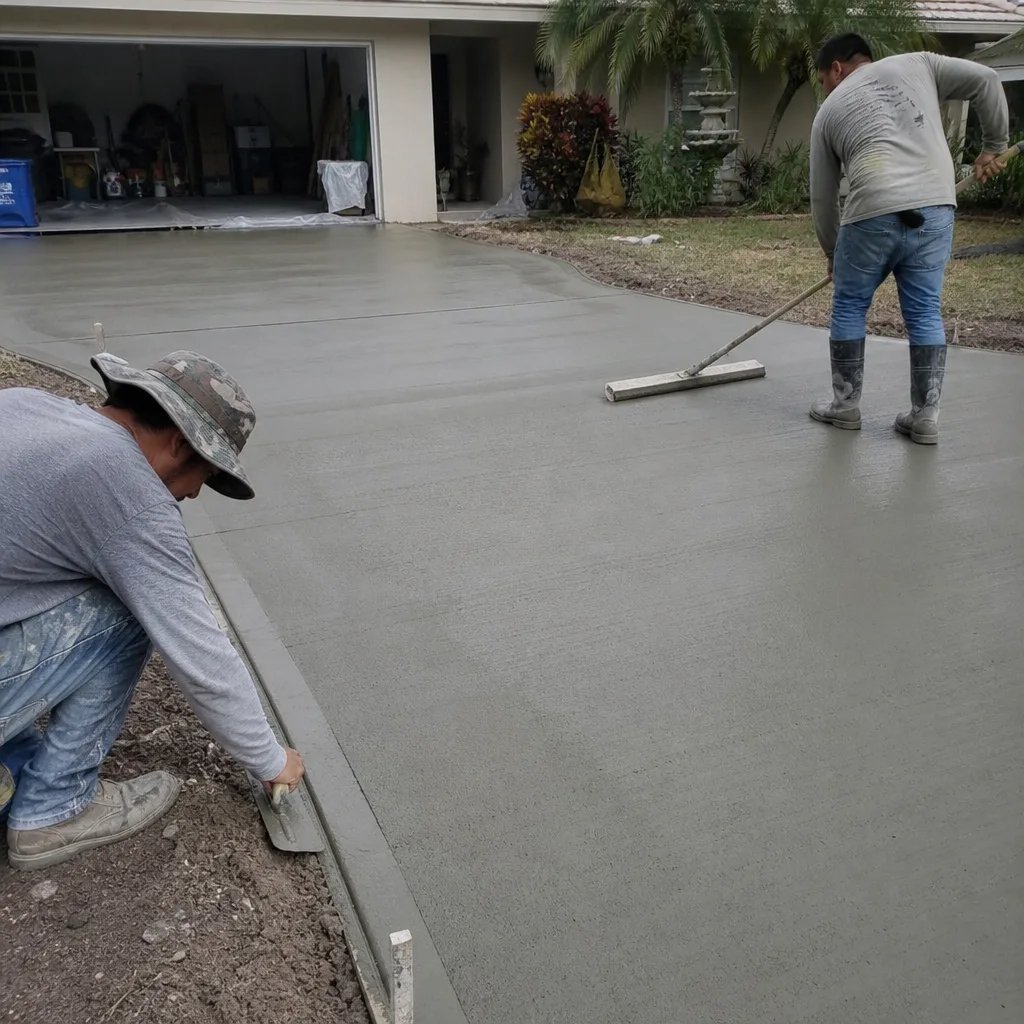
Most sealing guides were written for climates with a real winter. Here, your driveway cures, oxidizes, and fails on a completely different timeline than the instructions assume. Get the timing wrong and you either lock moisture into fresh asphalt or wait so long the surface has already grayed out and started to ravel.
The Miami Timeline: Why 90 Days Isn’t the Whole Story
Fresh asphalt needs to cure before sealer goes down. Trapped solvent and moisture under a seal coat can blister and peel, and that failure shows up within a season. In northern states, the slow cure is a gift. In Miami, the same heat and sun that cure asphalt fast also start the clock on oxidation.
What we see on driveways around Miami is aggressive graying. Asphalt laid in April can look chalky and oxidized by July. The intense UV index and year-round humidity pull the light oils out of the binder, and once those oils are gone the surface gets brittle. The gray you see isn’t dirt. It’s the binder breaking down.
So the practical window for a Miami driveway splits into two ranges:
- Fresh asphalt (new install): Seal after 6 to 12 months. Enough time for the binder to cure, not so much that oxidation has already taken hold.
- Older asphalt that’s graying: Seal sooner rather than later. Once the aggregate starts to show and ravel, sealing protects what’s left but won’t rebuild a worn surface.
The other variable is the product. Coal-tar sealers have been phased out in much of the country for environmental reasons and they crack more in heat. In Miami we lean on asphalt-emulsion and acrylic-modified sealers, which stay flexible through the humidity swings and handle UV better. Choosing the wrong chemistry here is a performance problem, not a preference.
Salt Air, Coastal Humidity, and Why Sealer Chemistry Matters Locally
If your driveway sits within a mile or two of Biscayne Bay or the Atlantic, salt-laden air is working on it every day. Salt and moisture penetrate the asphalt binder faster than they do inland, which is why driveways in coastal neighborhoods gray out and crack earlier than the same paving did out west near the Everglades.
That changes the sealing decision. A cheap sealer applied on a coastal driveway may look good for a season and then peel. We match the sealer to the exposure: higher-solids asphalt emulsion for inland lots, acrylic-modified products for coastal homes where UV and salt are both gnawing at the surface. It’s a small upgrade in cost and a large one in durability.
Sealing a driveway in Miami typically runs $295 to $825, depending on square footage and product. That’s not a big line item next to a full repave, and a properly timed seal is what buys you years of life out of the asphalt underneath. If the surface has already failed, the honest answer is that sealing won’t fix it. A full Driveway & Pavers in Miami replacement or re-pave is the route, and that’s a different conversation.
Timing Around Hurricane Season (June Through November)
Sealer needs to cure before rain hits it. In Miami that’s not a minor scheduling detail. A tropical downpour two hours after a seal coat can lift the product off the surface at the bond layer, and the whole job has to be redone.
We watch the radar daily through hurricane season. The rule on our jobs is straightforward: don’t seal when there’s rain in the forecast within a 24 to 48-hour cure window, and never seal ahead of a named storm. That means the best months to schedule a seal job in Miami are late fall through spring, when the convective afternoon storms back off and the cure window is more predictable.
If you’re sealing in summer, the job is still doable. It just takes more attention to timing, and we’d rather delay a day than redo a driveway. That’s part of why the 730-Day Done Right Promise matters here: if a seal fails within that window because of workmanship or product choice, we make it right at no cost. Contractors who take the check and disappear can’t offer that.
Flat Lots, CBS Homes, and the Ponding Problem
Miami’s older neighborhoods were built on very tight, flat lots, and many of those homes are pre-1970s concrete block and CBS. The roofs drain hard and the runoff hits the driveway at steep angles. When water stands anywhere on the driveway after a storm, that’s a signal the surface isn’t draining the way it should.
Sealing a driveway that ponds is asking for trouble. A sealer rated only for surface exposure will lift at the edges where water sits. We look at grade and drainage before we quote a seal. If the low spot is significant, we may recommend correction first, then seal. It’s also worth knowing that Miami-Dade construction runs under the High Velocity Hurricane Zone rules, and while a driveway seal isn’t a wind-rated product, the same discipline applies: the details are what hold up in a storm.
What to check before you seal
- Has the asphalt cured at least 6 months? Fresh blacktop and sealer don’t mix.
- Is the surface raveling or showing aggregate? If so, sealing helps slow it but won’t reverse it.
- Does water stand anywhere after a rain? Fix the drainage before the seal.
- Is there rain within 48 hours? Move the job.
- Is the sealer rated for coastal UV and humidity? Most big-box products aren’t.
Driveway Sealing Cost in Miami
| Service | Typical Miami Range |
|---|---|
| Driveway sealing | $295-$825 |
| Asphalt driveway paving | $4,130-$10,620 |
| Concrete driveway installation | $5,310-$14,160 |
| Paver driveway installation | $8,260-$21,240 |
| Driveway replacement | $5,900-$16,520 |
Those paving numbers tell you why the timing decision matters. A seal is a few hundred dollars. A failed driveway is thousands. Groundwork Construction Co. of Miami quotes sealing jobs upfront, so the number you see is the number you pay, and we back the work with the 730-Day Done Right Promise. Our technicians have up to 12 years of experience with pavers and asphalt, and they’ll tell you honestly if your driveway is a seal candidate or a replacement candidate. Learn more about our Driveway & Pavers work and how we handle a Miami install from start to finish.
Common Local Scenarios
Every driveway is a little different. These are the cases we handle most often around Miami:
- New construction in a newer subdivision: The paving was done months ago and the homeowner wants to seal before hurricane season. We check the cure date and schedule for late spring.
- Older CBS home with a tight lot: Roof drainage hits the drive hard and the surface ponds near the garage. We correct grade, then seal with a product rated for standing water.
- Coastal condo or townhome driveway: Salt air has oxidized the surface faster than expected. We specify acrylic-modified sealer and time the job between storm systems.
- Driveway already raveling: Sealing now would be throwing money at a failing surface. We quote a repave or replacement instead, and we say so upfront.
FAQs
Seal a new asphalt driveway in Miami 6 to 12 months after it was paved, ideally in fall or spring to dodge the summer storm pattern. Sealing too early traps moisture in the binder, and waiting too long lets UV oxidation get ahead of the protection.
Wait at least 48 hours after rain and make sure the surface is fully dry before sealing. Any moisture trapped under the sealer can cause blistering or peeling, which means the job has to be redone.
Yes. Salt-laden air within a mile or two of Biscayne Bay or the Atlantic accelerates oxidation of the asphalt binder, so a driveway on the coast needs resealing more often than one inland. Matching the sealer chemistry to that exposure makes the biggest difference.
Sealing is far cheaper at $295 to $825 in Miami, while a replacement runs $5,900 to $16,520. Seal whenever the asphalt is still structurally sound; replace when it’s raveling or cracking through. Call us and we’ll tell you which one you’re looking at, no charge for the assessment.
If you’d rather have it looked at, Groundwork Construction Co. of Miami offers a no-pressure assessment in Miami. We’ll tell you whether your driveway needs a seal, a repave, or nothing at all this year. Call (833) 968-1198 for a free estimate, and our team will get you scheduled around the weather.
Written by the team at Groundwork Construction Co. of Miami, serving Miami, FL.