
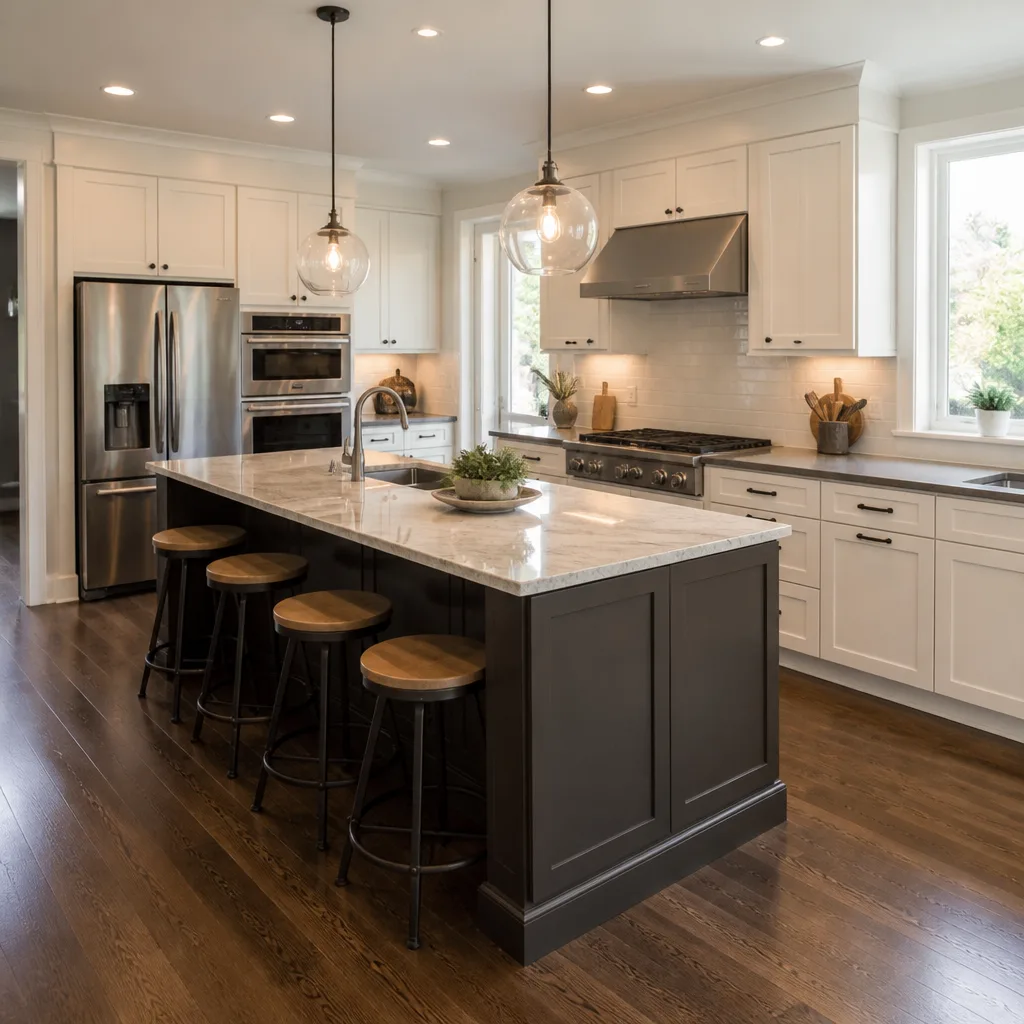
 Kitchen remodeling
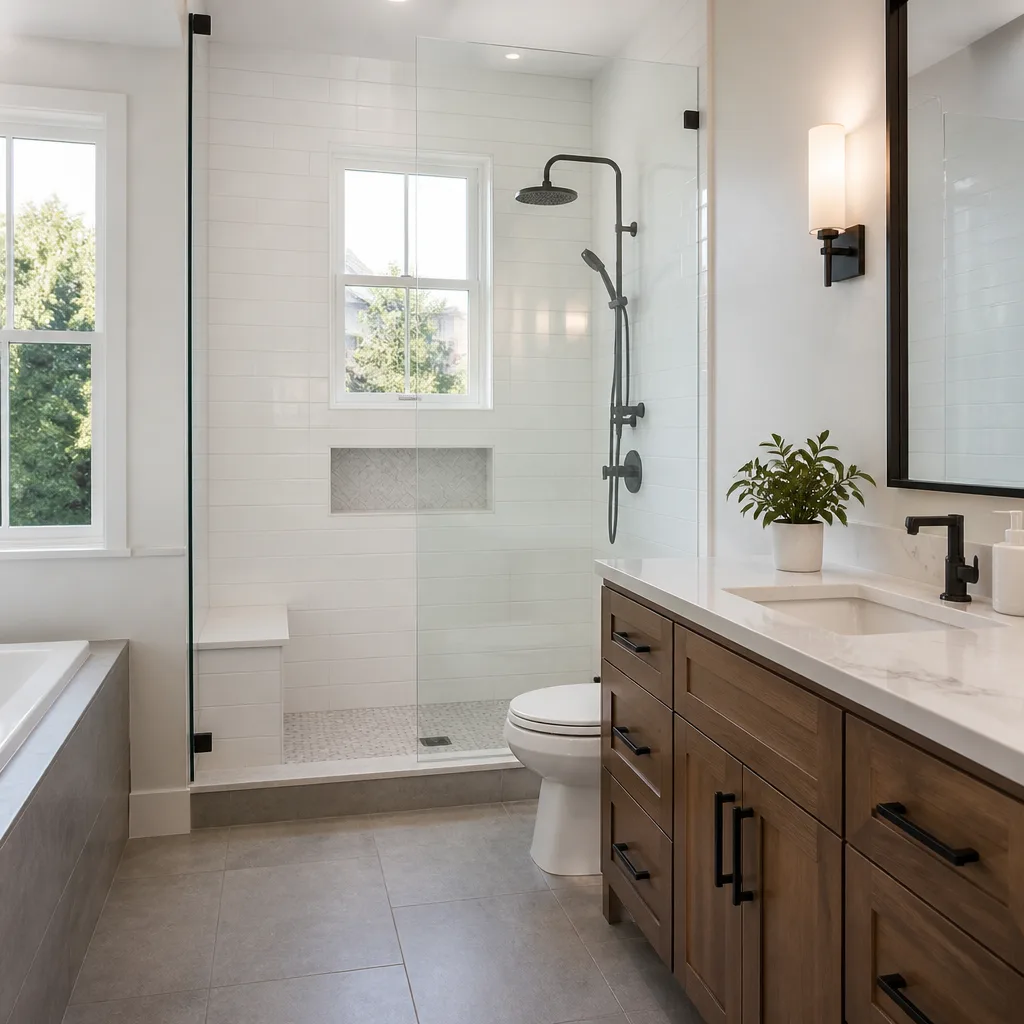 Bathroom remodeling
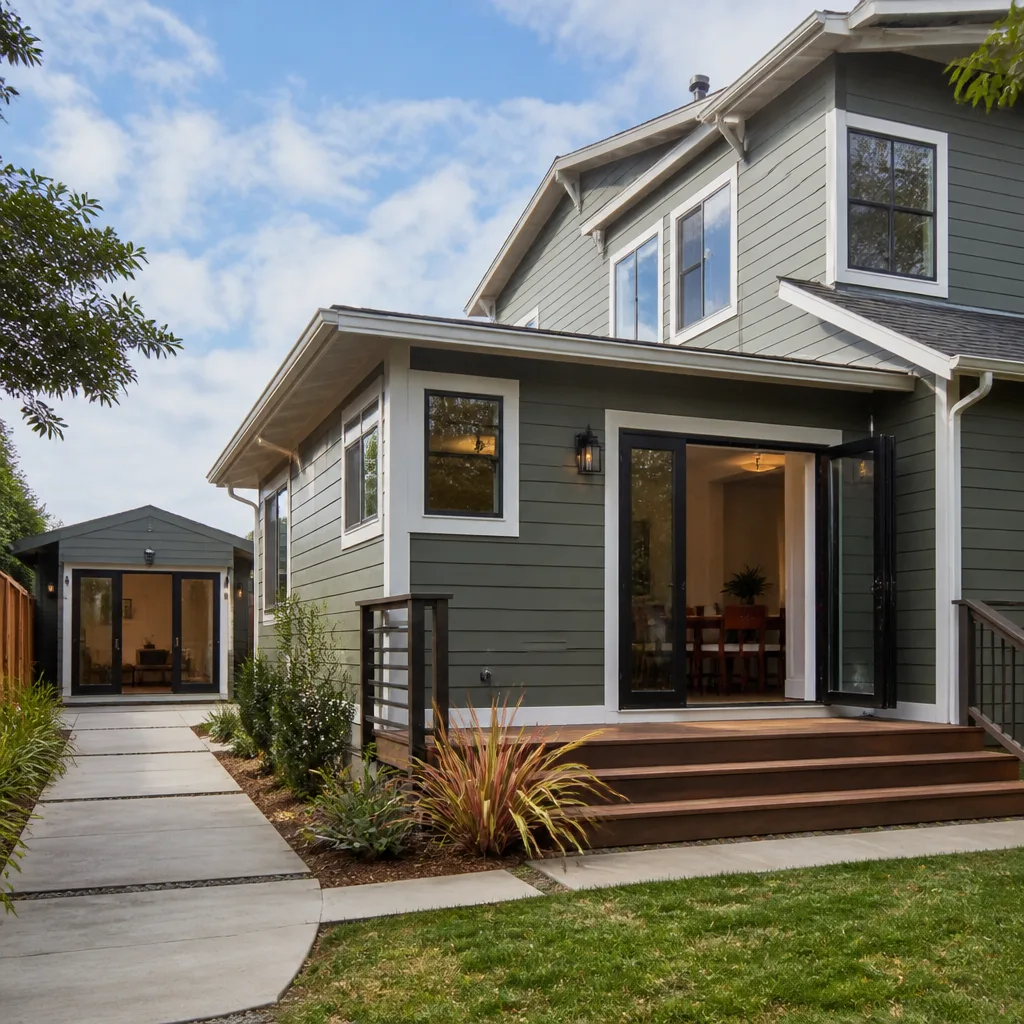 Home additions & ADU
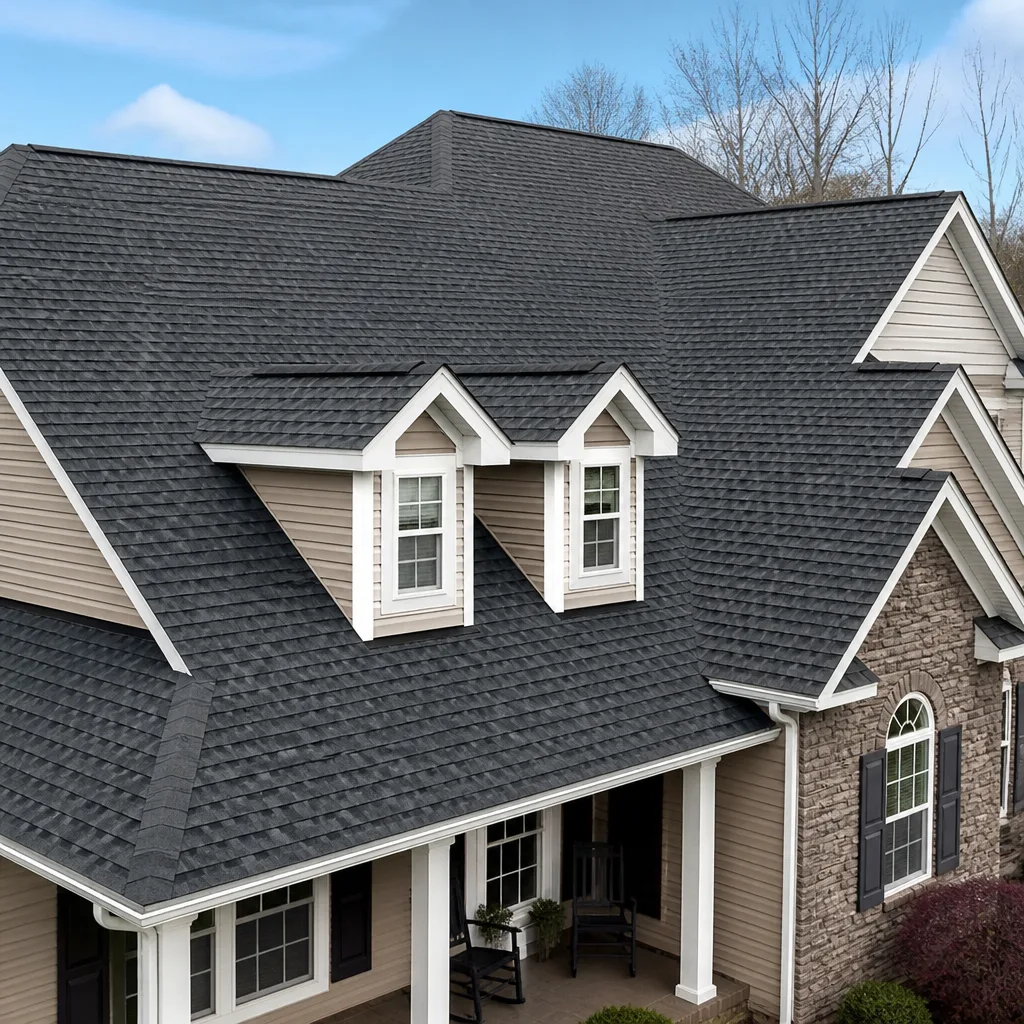 Roofing
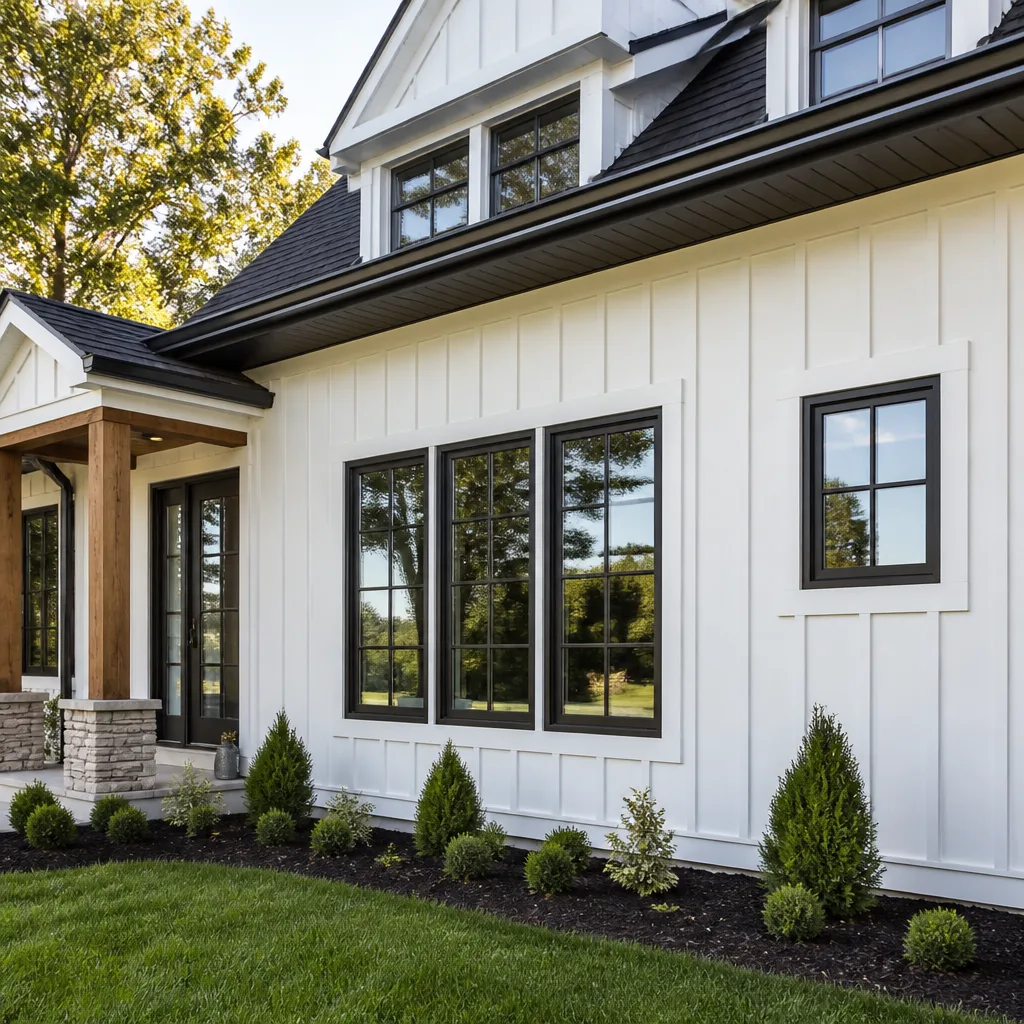 Windows & doors
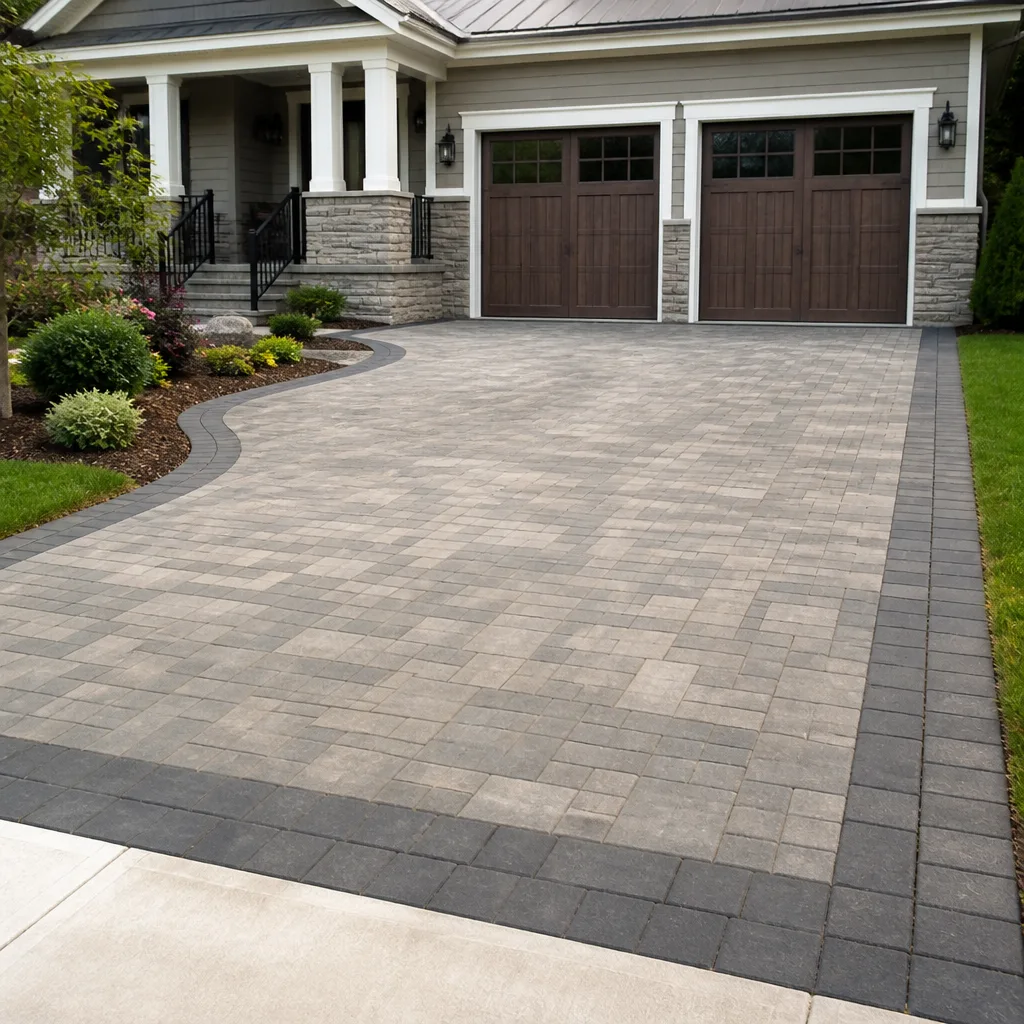 Driveway & pavers
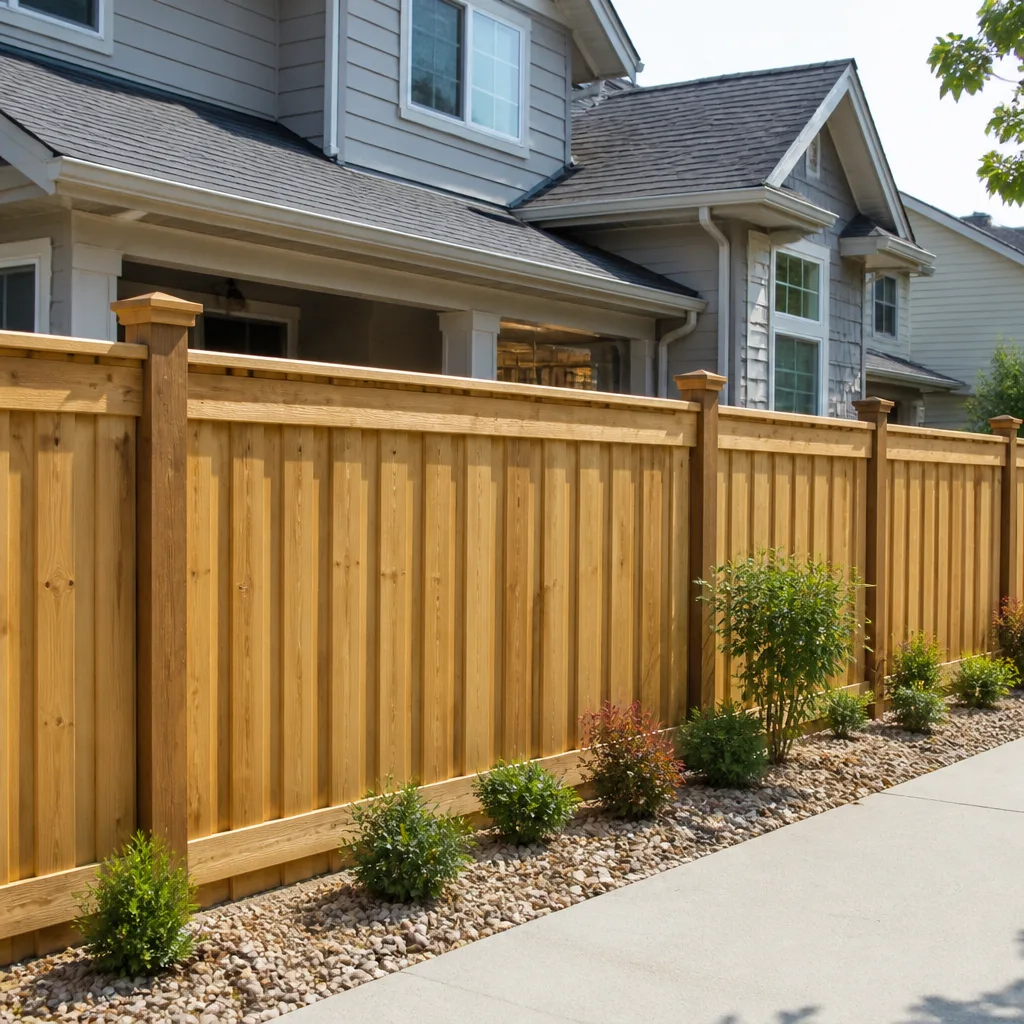 Fence
Free written scope consultation - allowances, timeline, and change-order rules on paper before a single trade is scheduled
Styles & brands we work with
- Kitchen remodeling
- Bathroom remodeling
- Home additions & ADU
- Roofing
- Windows & doors
- Driveway & pavers
- Fence
See the difference
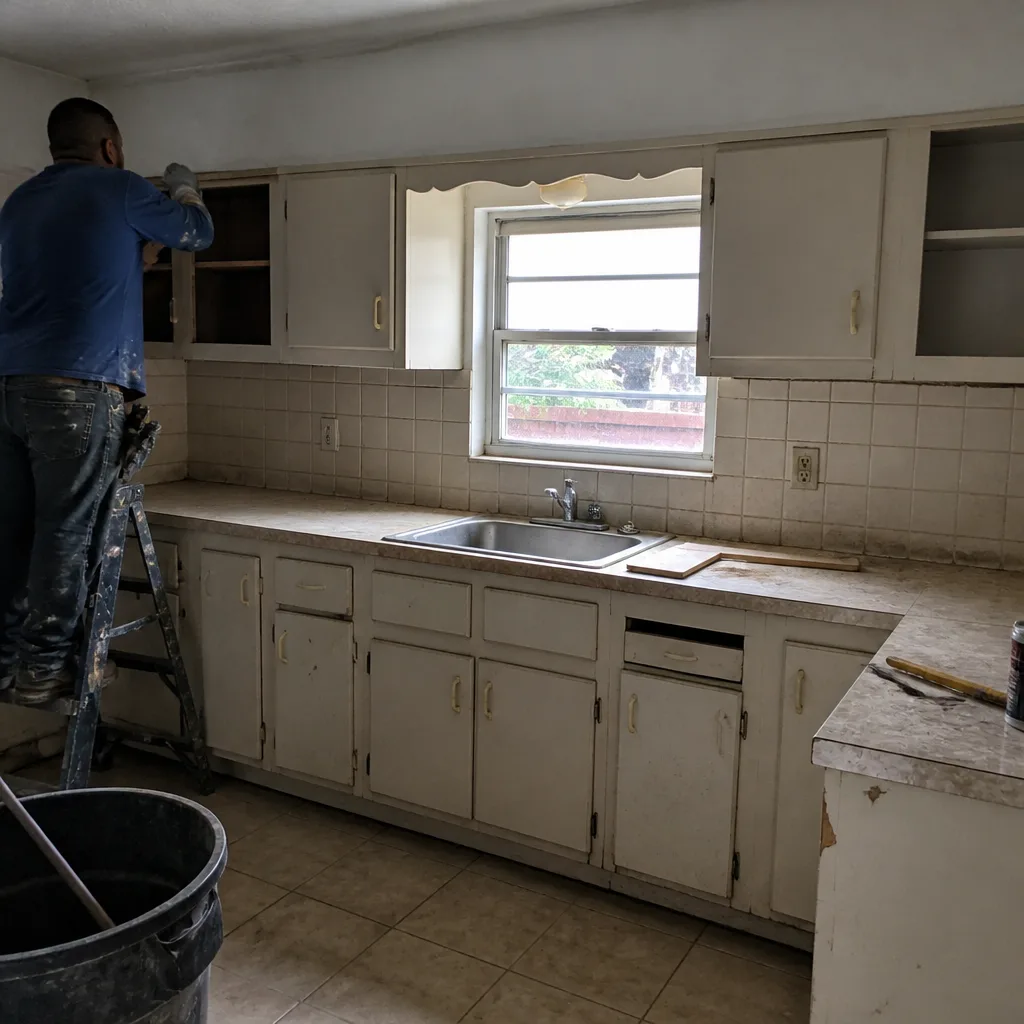 Before
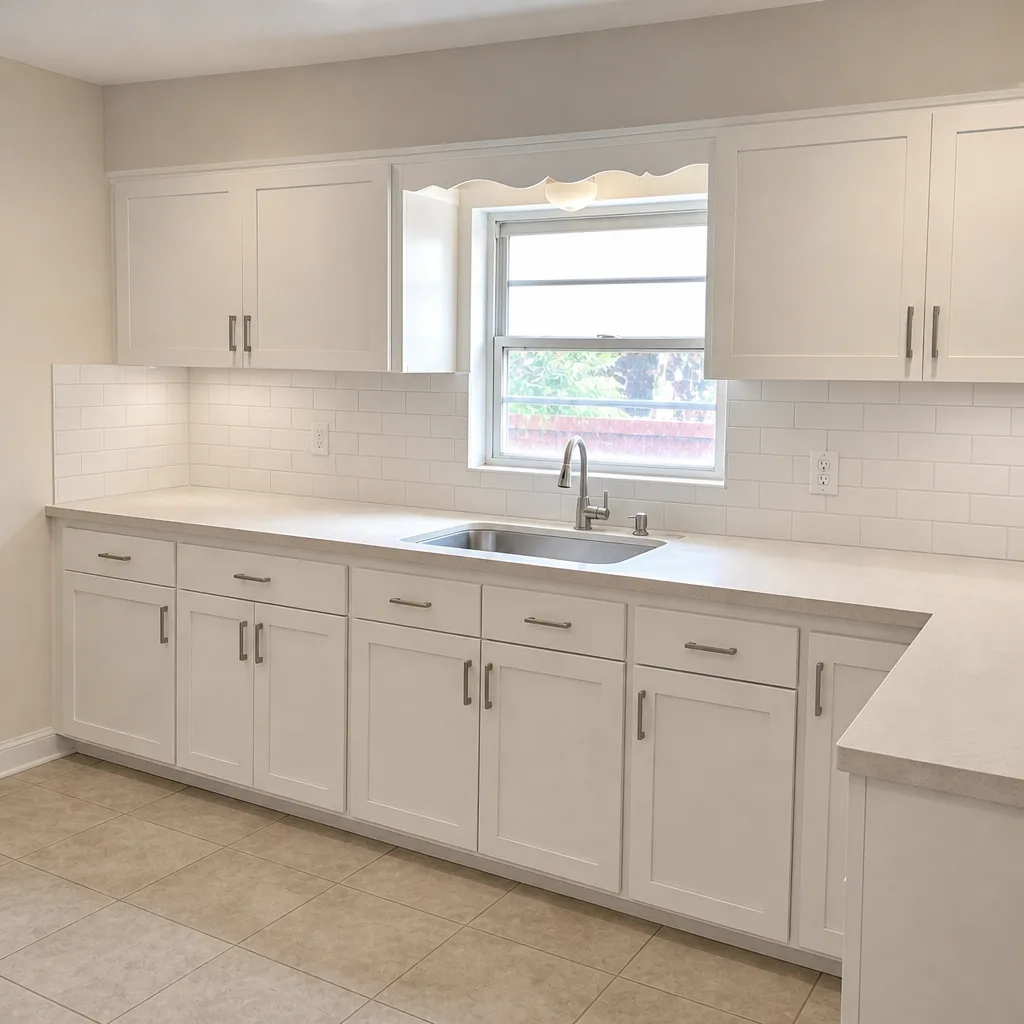 After
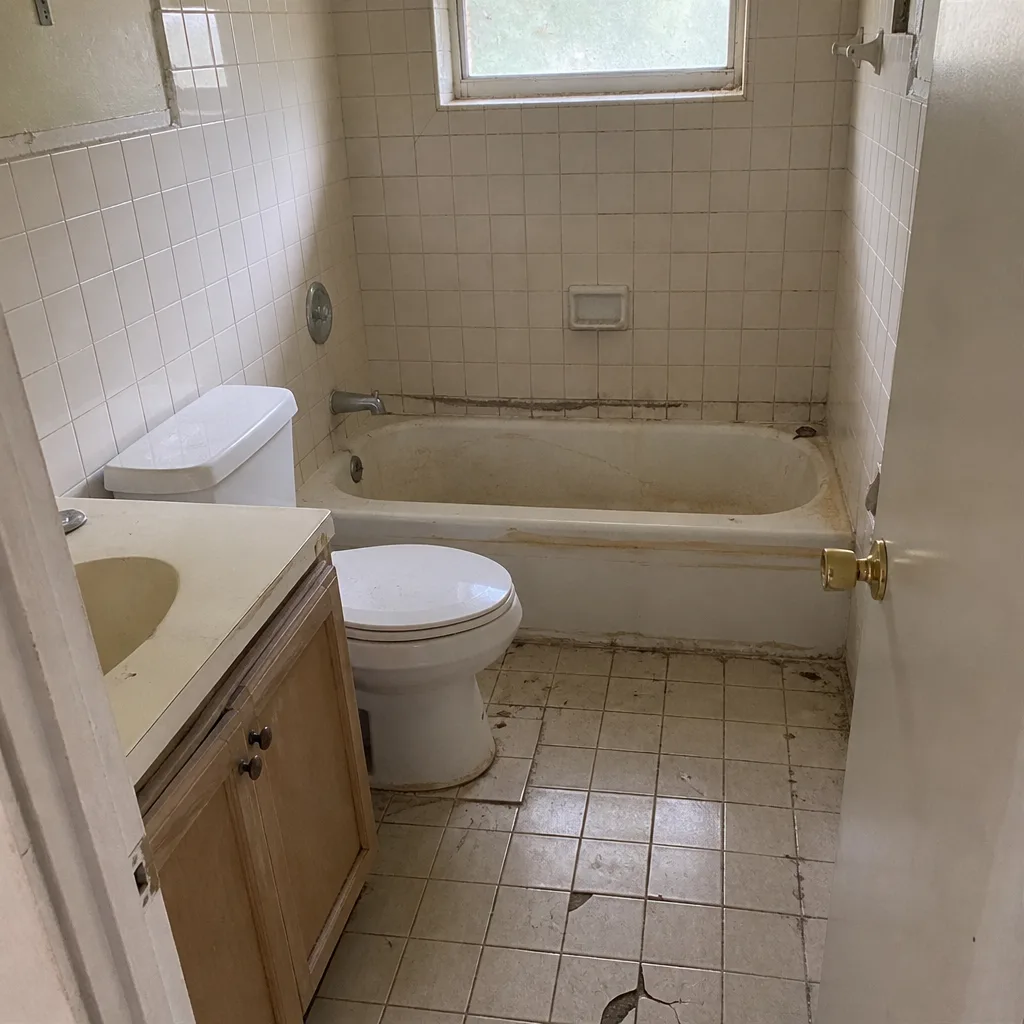 Before
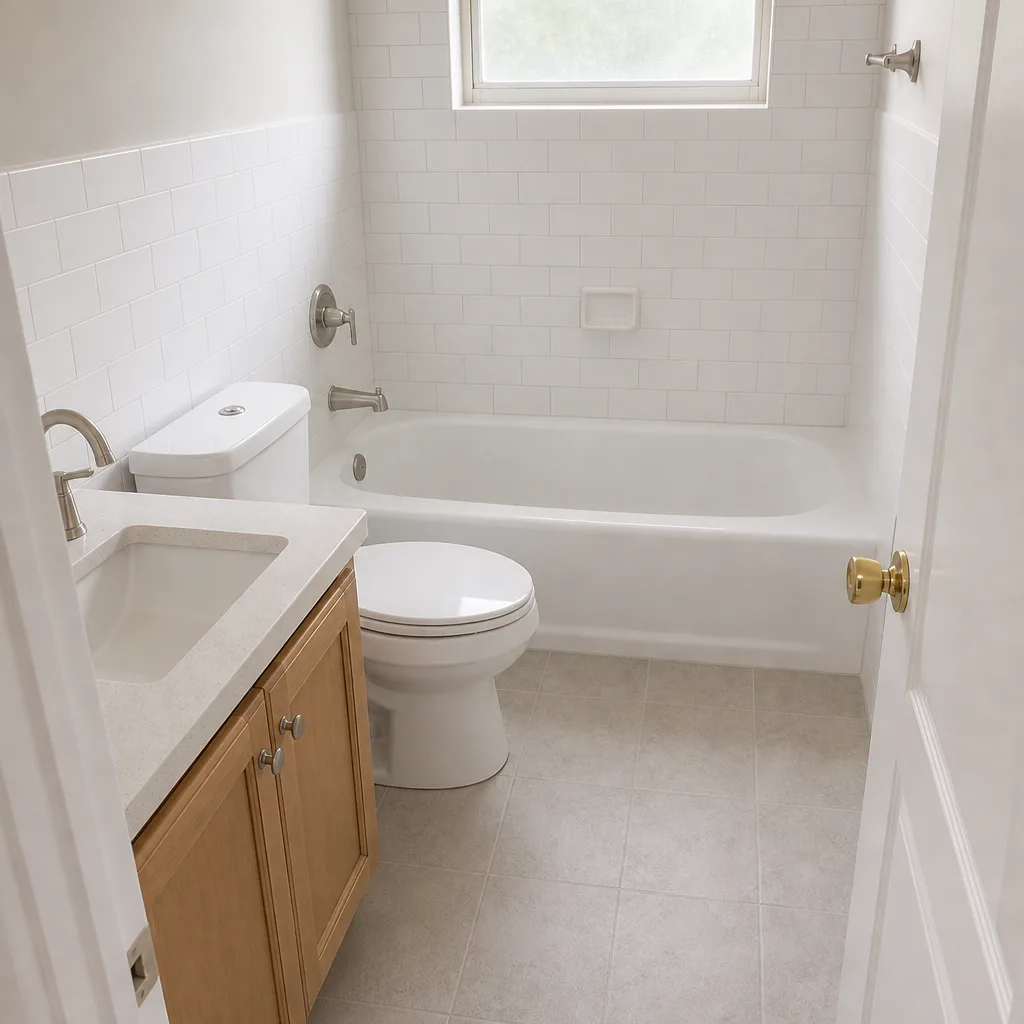 After
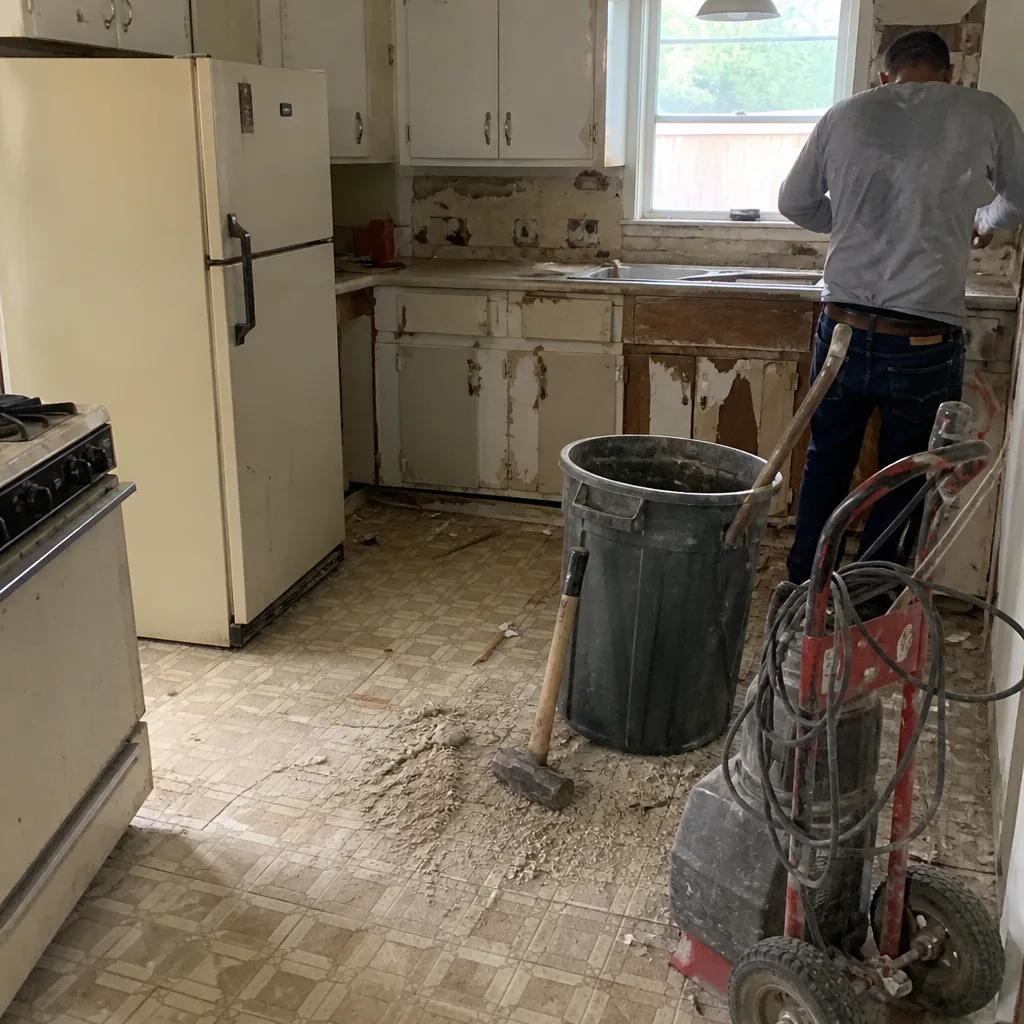 Before
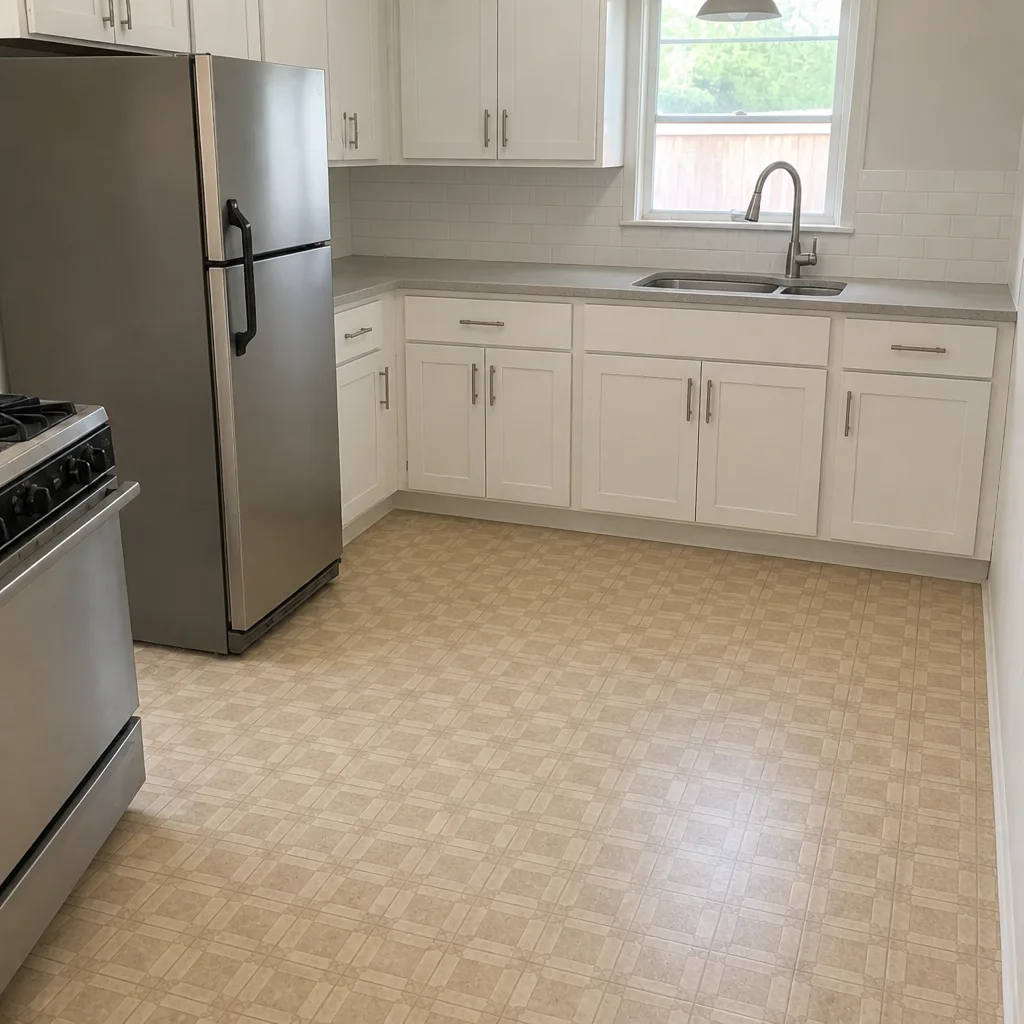 After
How Long Does It Take to Build an ADU in Miami? The Honest 6-10 Month Timeline
Plan on 6 to 10 months from first sketch to certificate of occupancy for a detached ADU in Miami. That answer surprises people who read national guides promising 3 to 4 months, but those guides weren’t written for a county where permit review alone can run 8 to 14 weeks before a shovel touches the ground. Miami-Dade’s building department, the High Velocity Hurricane Zone product approvals, and hurricane-season scheduling are what stretch the calendar. Call Groundwork Construction Co. of Miami at (833) 968-1198 and we’ll walk you through the real phases for your property.
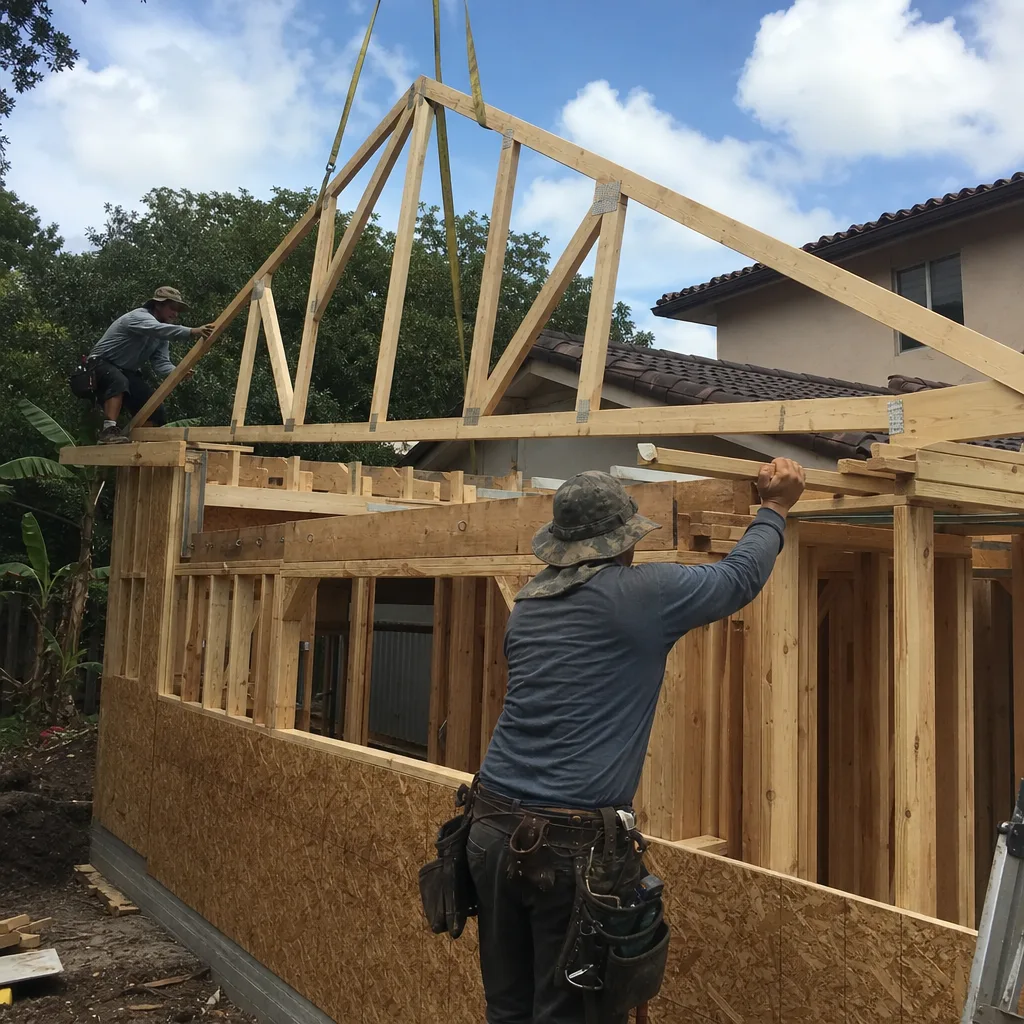
Key Takeaways
- Design and NOA product specification: 4-6 weeks.
- Permit submission and Miami-Dade review: 8-14 weeks.
- Construction: 8-16 weeks depending on ADU type.
- Inspections and certificate of occupancy: 2-4 weeks.
- Realistic total: 6-10 months, not the 3-4 months national timelines suggest.
Why Miami-Dade’s Permit Queue Sets the Pace, Not the Hammer
Most of an ADU project’s calendar is spent waiting on paper, and that’s the part contractors tend to gloss over with an “estimated start date.” In our experience around Miami, the building department’s plan review is the single biggest variable. A clean submittal with every product approval verified moves faster than a package that comes back with corrections. Every round of corrections adds weeks.
The reason is the High Velocity Hurricane Zone. Miami-Dade County is the only place in the US with its own product-approval system, so every roof, window, door, and shutter on your ADU must carry a Miami-Dade NOA (Notice of Acceptance) number, not just a Florida or national approval. If your plans specify a product without a current NOA, review stalls. We verify NOA documentation during design, before anything goes to the county, which is why our submittals tend to clear review without the correction cycles that eat months off a schedule.
This is also where building here becomes a documented wind-resistance exercise as much as a construction one. The 40-Year Recertification law (25 years for buildings near the coast) shapes how the county looks at older structures, and that has a direct effect on ADU timelines.
The Four Phases of a Miami ADU, Broken Down Honestly
Here’s how the calendar actually splits for a Miami ADU, phase by phase. Yes, these are ranges – every property is different – but this is the realistic shape of the timeline rather than a sales pitch.
| Phase | Typical Duration | What Drives It |
|---|---|---|
| Design & NOA product spec | 4-6 weeks | Site survey, hurricane-zone product selection, drawings |
| Permit submission & Miami-Dade review | 8-14 weeks | Plan review queue, correction cycles, NOA verification |
| Construction | 8-16 weeks | ADU type, concrete pours, HVHZ framing, weather windows |
| Inspections & certificate of occupancy | 2-4 weeks | Trade inspections, final CO sign-off |
Add it up and you land in the 6 to 10 month range. A national guide that quotes 3 to 4 months is describing a jurisdiction with a fraction of Miami-Dade’s review load and none of the NOA requirement. Budgets follow the same reality: a full ADU build here typically runs $106,200 to $259,600, with the scope and site conditions deciding where you land. If you’re mapping out the bigger picture, our Home Additions & ADU in Miami page covers what each option involves.
The 40-Year Recertification Variable Nobody Warns You About
Here’s a wrinkle specific to Miami that national timelines never mention. If your main house is approaching its 40-year recertification – and plenty of Miami’s pre-1970s concrete-block and CBS homes are well past that line – the county can flag structural or electrical safety items during ADU permit review. When that happens, concurrent structural inspections have to be completed and resolved before ADU work is approved to proceed. That can add 4 to 8 weeks to your start date, and sometimes more if concrete restoration or spall repair enters the picture.
We build that possibility into the schedule from the start rather than discovering it mid-review. On a Miami property with a flat or low-slope roof over unreinforced masonry, we’d rather know about a recertification flag in month one than month four.
Hurricane Season Changes the Calendar Too
Miami’s June-through-November hurricane season is a real scheduling force, not a footnote. When an active tropical watch is up, material deliveries get held, concrete pours get paused, and roofing work stops. You can’t pour concrete into a storm or set HVHZ-compliant roof panels with a system bearing down. A project running through the summer and fall has built-in weather windows that a January start simply doesn’t.
There’s a materials angle as well. Salt-laden coastal air, year-round humidity, and severe termite pressure on wood framing mean we specify components that hold up in this climate, and some of those carry longer lead times than the cheapest available substitute. We plan those orders early. Product selections from brands like Boral and PGT are evaluated for NOA status and availability together, because a great product without a current approval doesn’t help your schedule.
Interior JADU, Garage Conversion, or Detached Build: The Timelines Differ
The type of ADU you choose moves the needle more than most homeowners expect. Interior junior units move fastest because there’s no new footprint to review. Garage conversions land in the middle, since structural upgrades often come into play. Detached new construction is the longest, because it needs full hurricane-zone engineering drawings and the deepest review.
- Interior JADU: shortest overall timeline, lighter review, no new footprint. Minimal exterior engineering.
- Garage conversion: mid-range. Expect structural upgrades and sometimes a new door opening that triggers additional review. Typical budget $35,400 to $94,400.
- Detached new construction: longest timeline. Full HVHZ engineering drawings, new foundation, complete NOA documentation. Typical budget $106,200 to $259,600.
Whichever route fits, the work falls under our Home Additions & ADU service line, and every project carries the 730-Day Done Right Promise. If something isn’t done right, we make it right. That’s backed in writing, not just in a handshake.
Why Live, 24/7 Contact Matters During a Permit Wait
Permit status is where homeowners lose sleep, because the answer to “did the inspector show up” often doesn’t come until someone picks up a phone. Calls to Groundwork Construction Co. of Miami are answered by a live person 24 hours a day, seven days a week – no voicemail, no waiting until Monday morning to learn your review moved or stalled. During a 6 to 10 month build, that accessibility is the difference between a project that feels managed and one that feels like a black box.
Our technicians have up to 12 years of experience, arrive in uniform, and are background-checked. Pricing is upfront. Financing is available at 0% for 18 months, and projects over $10,000 come with $1,000 off, so the budget side isn’t a surprise either. From foundation to finish line, one contractor sees the whole job through.
FAQs About ADU Build Times in Miami
Expect a realistic total of 6 to 10 months. Design and NOA product specification take 4 to 6 weeks, Miami-Dade permit review runs 8 to 14 weeks, construction is 8 to 16 weeks depending on type, and inspections plus certificate of occupancy add 2 to 4 weeks. National timelines of 3 to 4 months don’t account for this county’s review queue or hurricane-zone approvals. Call (833) 968-1198 for a phase-by-phase estimate for your property.
Yes, the biggest lever is a clean submittal. Verifying every NOA number before plans go to the county avoids correction cycles that add weeks, and we do that during the design phase. It won’t skip the review queue, but it prevents the back-and-forth that pushes projects into extra months. Call (833) 968-1198 to hear how we structure submittals to clear review faster.
It can. Active tropical watches pause concrete pours, material deliveries, and roofing, so projects running June through November carry built-in weather windows. Starting design in the drier months, or planning around the season, keeps the build on track. Call (833) 968-1198 and we’ll map the season against your schedule.
A garage conversion is generally cheaper and faster, at roughly $35,400 to $94,400 versus $106,200 to $259,600 for detached new construction, because it avoids new foundation and exterior engineering. The right answer depends on your lot and how much space you need. Call (833) 968-1198 for a free estimate and design consult.
If you’d rather have it looked at, Groundwork Construction Co. of Miami offers a no-pressure assessment in Miami – call (833) 968-1198 and we’ll lay out your real ADU timeline, from permit queue to certificate of occupancy, with no surprises.
Written by the team at Groundwork Construction Co. of Miami, serving Miami, FL.