

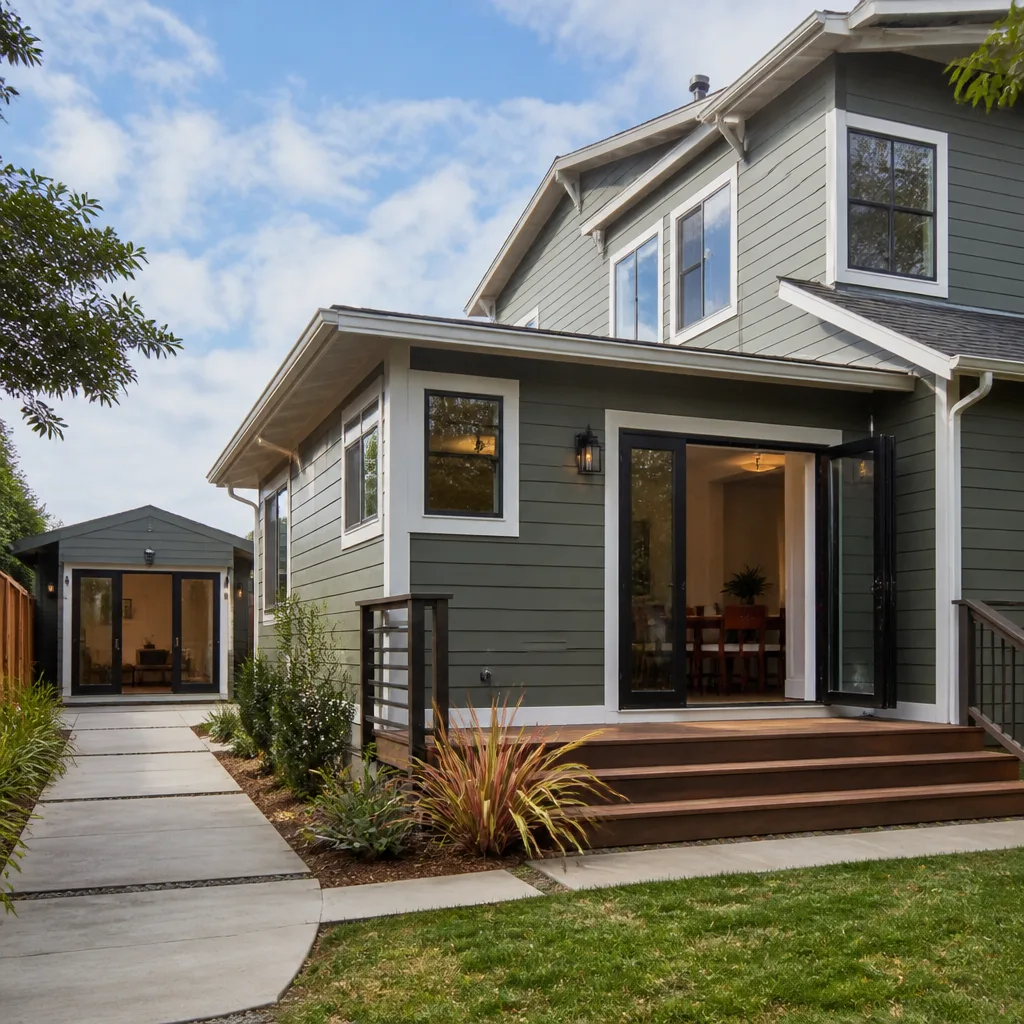
 Home additions & ADU
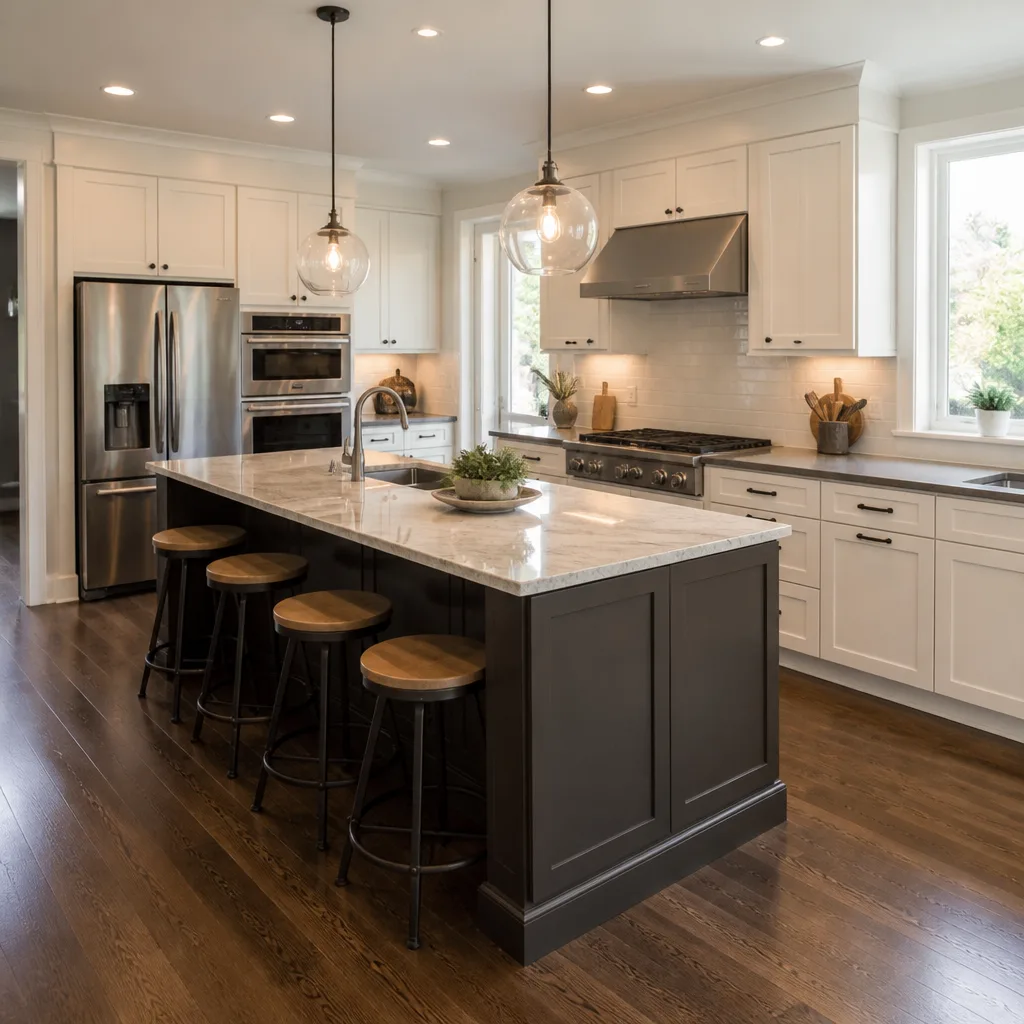 Kitchen remodeling
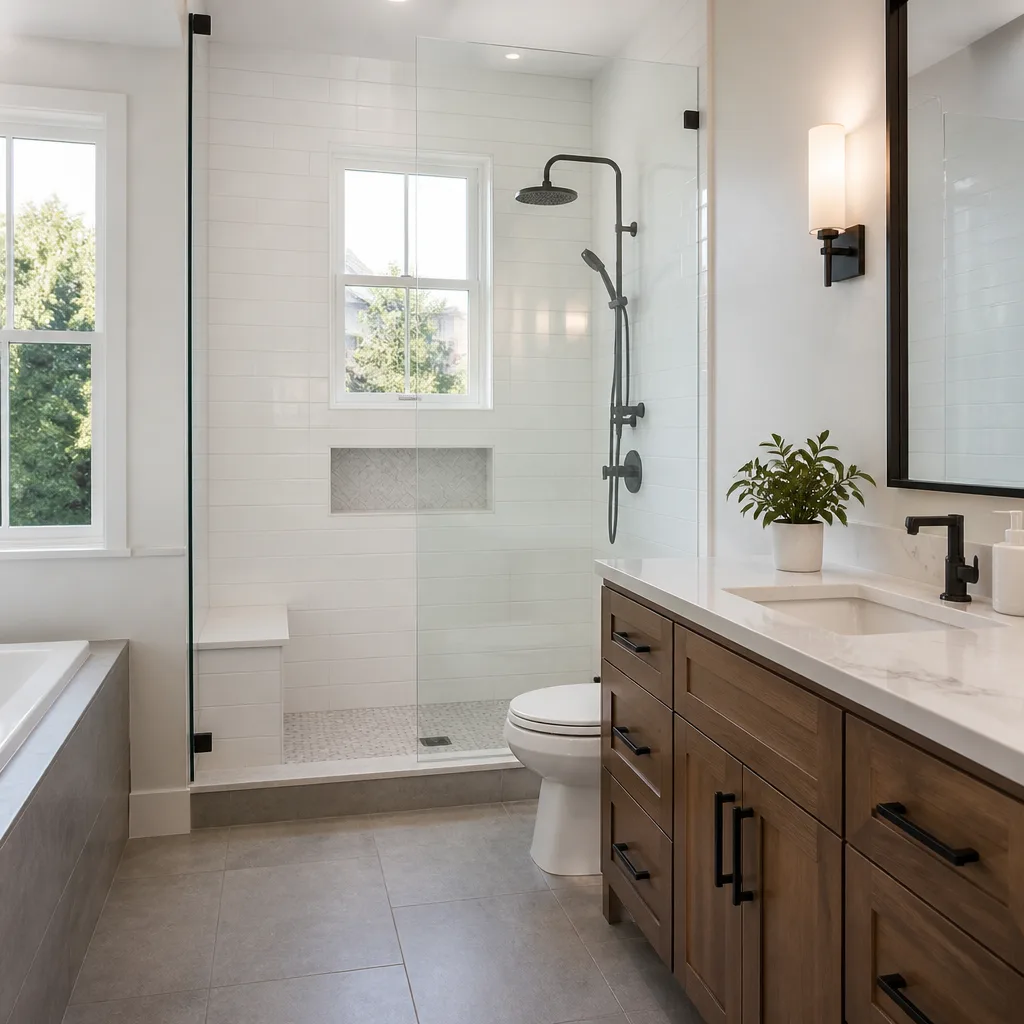 Bathroom remodeling
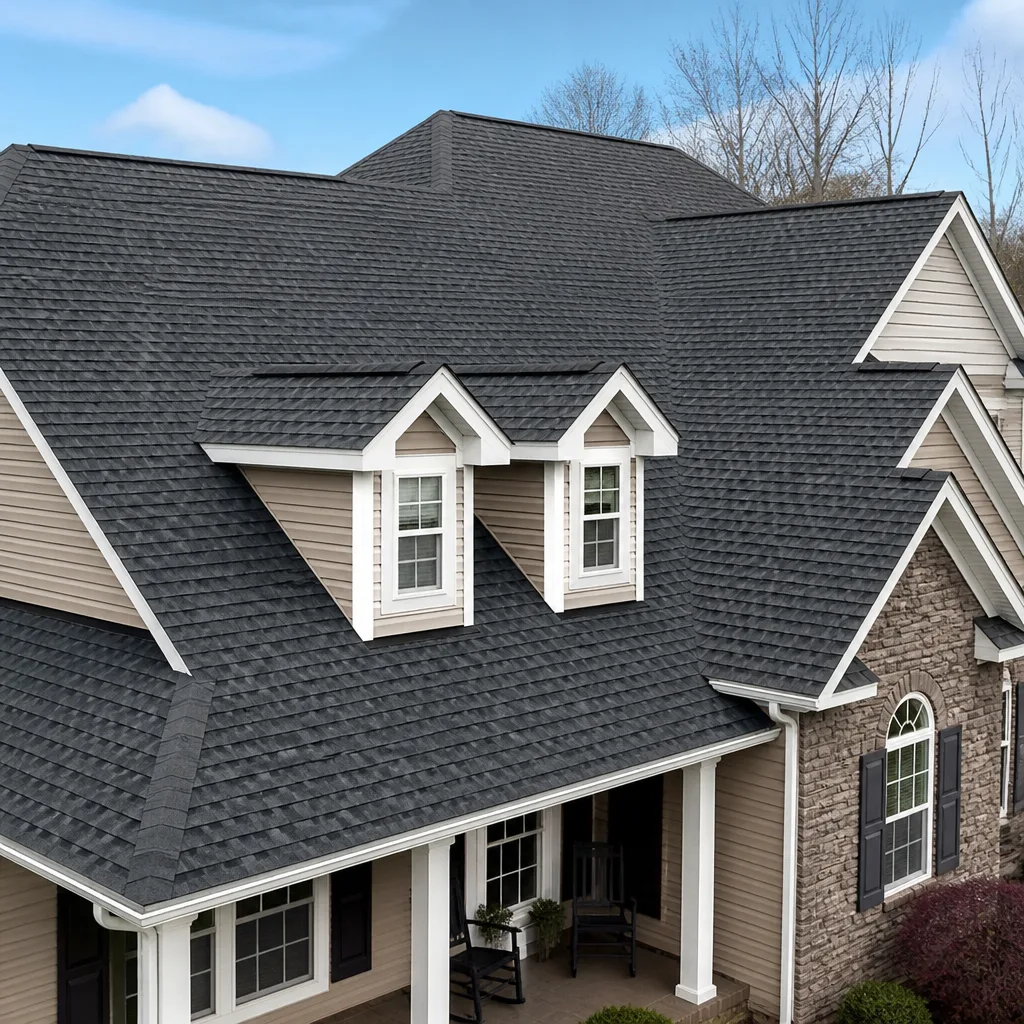 Roofing
 Windows & doors
 Driveway & pavers
 Fence
Free written scope consultation - allowances, timeline, and change-order rules on paper before a single trade is scheduled
ViewLux Home Additions & ADU: The Miami Owner’s Guide
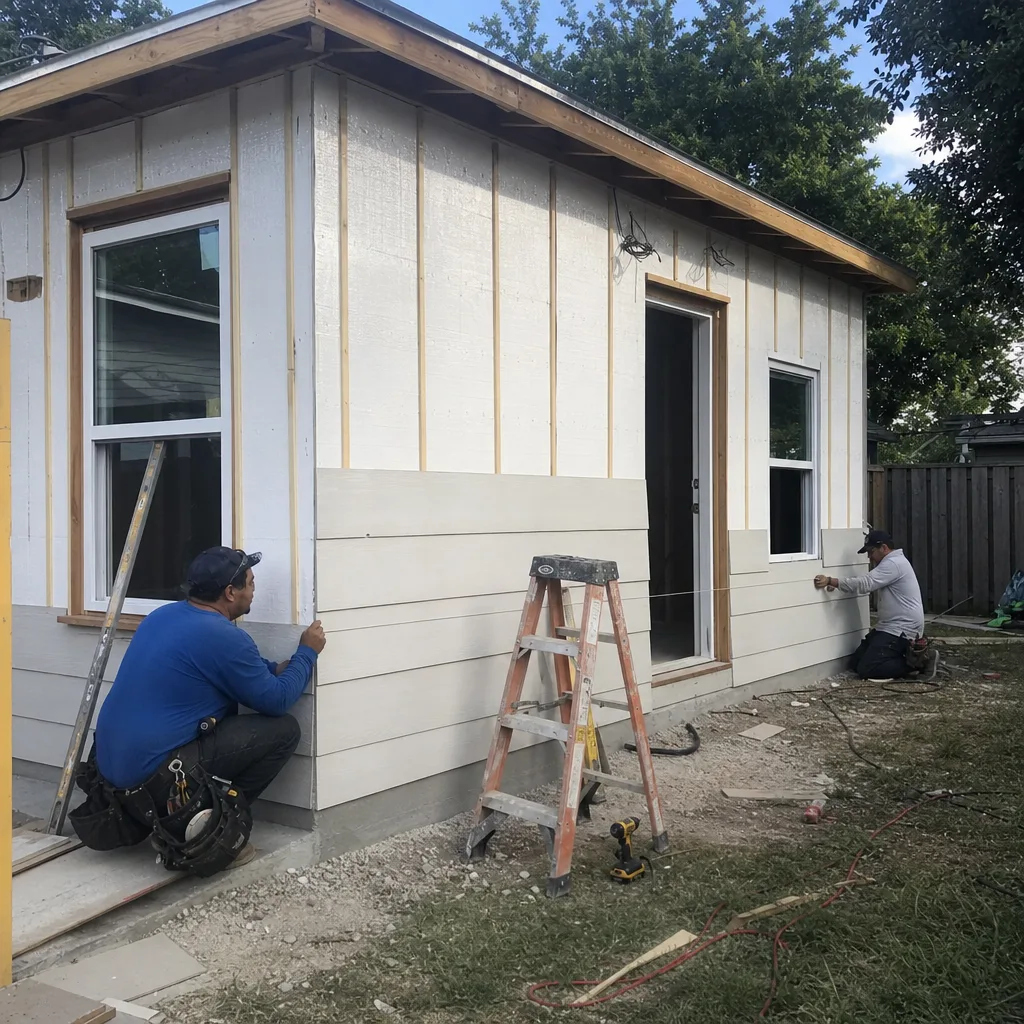
We build ViewLux-compatible home additions and ADUs for Miami homeowners, and the installed cost for an addition typically runs $53,100 – $153,400, with a full detached or attached ADU landing at $106,200 – $259,600. A garage conversion that becomes a rental-ready unit usually falls between $35,400 and $94,400. Most Miami owners don’t start by saying “I need an addition.” They start with a symptom: a spare room that’s too humid to sleep in, a garage that floods every June, a “finished” bonus space where the drywall is soft behind the paint. That’s usually the moment the questions get serious.
Key Takeaways
- ViewLux additions are built on modular and panelized systems; matching the exact series and panel spec is what keeps your warranty and your permit intact.
- Budget $53,100 – $153,400 for a home addition and $106,200 – $259,600 for an ADU in Miami.
- Miami-Dade wind and flood requirements drive the cost more than square footage does.
- We’re an independent contractor, not affiliated with ViewLux. We install and build to their specs.
Which ViewLux Models This Applies To
ViewLux structures aren’t a single product. They’re a family of modular and panelized systems, and the panel schedule, connector spacing, and tie-down hardware change between series and between vintages. The biggest compatibility trap we see: a homeowner (or a contractor who didn’t check) orders panels cut for one series and finds the connector layout doesn’t match the existing anchor embed pattern. That’s a re-inspection and a rebuild, not a delivery swap.
To nail down what you actually have, look for the stamped plan set (usually in the permit package the city keeps on file), the panel identification marks on the framing, and the model and series designation on your original approval documents. Your Miami-Dade permit record is the single best source. If the previous owner built it and left no paperwork, we’ll measure connector spacing and panel profiles on site and cross-reference them against the spec.
On the OEM-versus-aftermarket question, here’s the honest version. For structural connectors, anchor hardware, and tie-downs, use the specified ViewLux-compatible hardware. This isn’t a brand loyalty issue. It’s that Miami-Dade’s product approval process is tied to a specific system configuration, and substituting an unlisted connector can void that approval at inspection. For finishes, cladding, trim, and interior fit-out, quality aftermarket equivalents are fine and often better value. The structural connection points are where you don’t improvise.
Styles & brands we work with
- Kitchen remodeling
- Bathroom remodeling
- Home additions & ADU
- Roofing
- Windows & doors
- Driveway & pavers
- Fence
Signs Your ViewLux Home Additions & ADU Is Failing
Most failures in Miami show up at the seams and the transitions, not in the middle of a wall. Here’s what to watch for:
- Soft or bubbling drywall at the base of walls. Water is wicking up from a compromised sill plate or a failed flood vent. In Miami’s wet season, this spreads fast.
- Musty smell that returns after cleaning. This points to trapped moisture behind the vapor barrier or in a wall cavity, often from a roof-to-wall flashing detail that wasn’t right from day one.
- Sticking doors and windows that used to close cleanly. Seasonal movement from a settling foundation or a footing that’s not holding under Miami’s high water table.
- Visible gaps or rust at connector plates and anchors. Corrosion on coastal-side hardware tells you the fasteners weren’t rated for the salt air or sat in standing water.
- Warm floors and a hot ceiling on the addition side. Insulation has likely settle-packed or the thermal break at the connection to the main house has failed, which in Miami heat is a real comfort problem and an energy problem.
See the difference
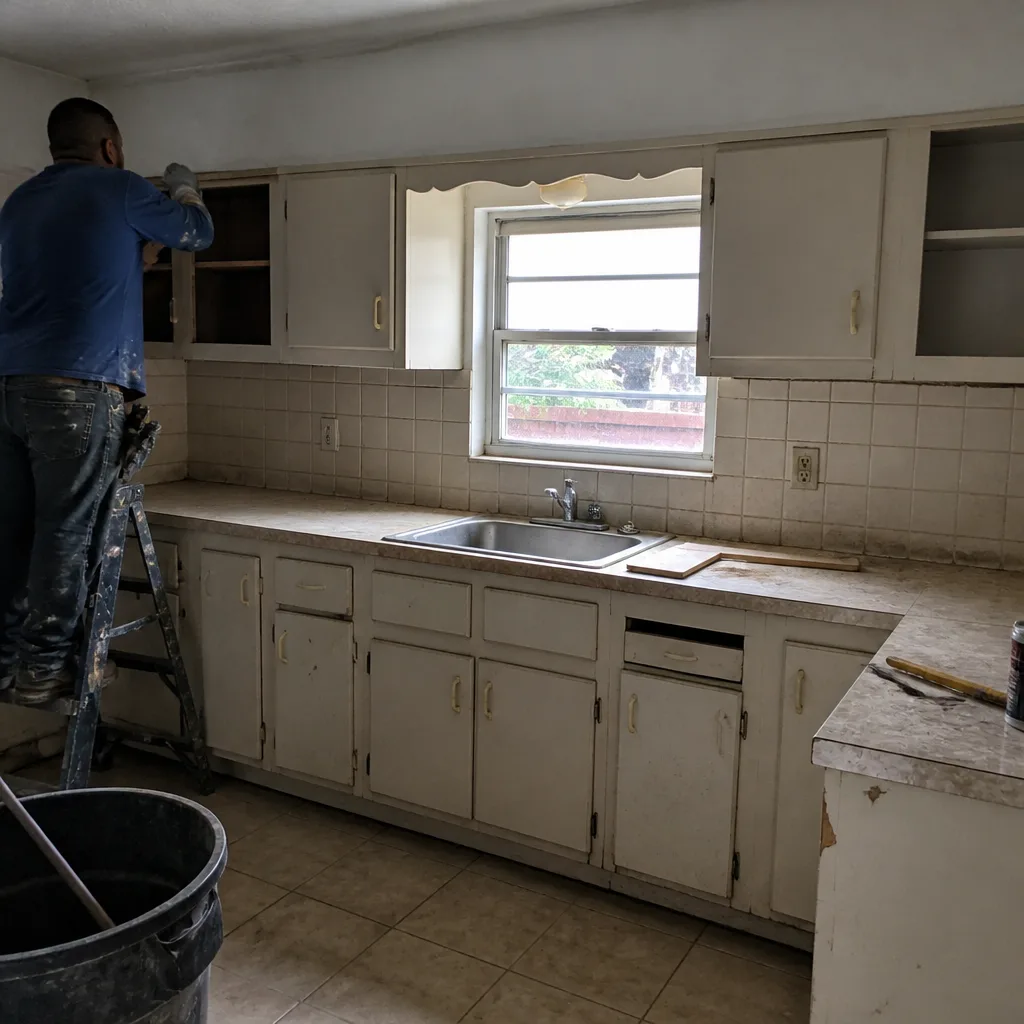 Before
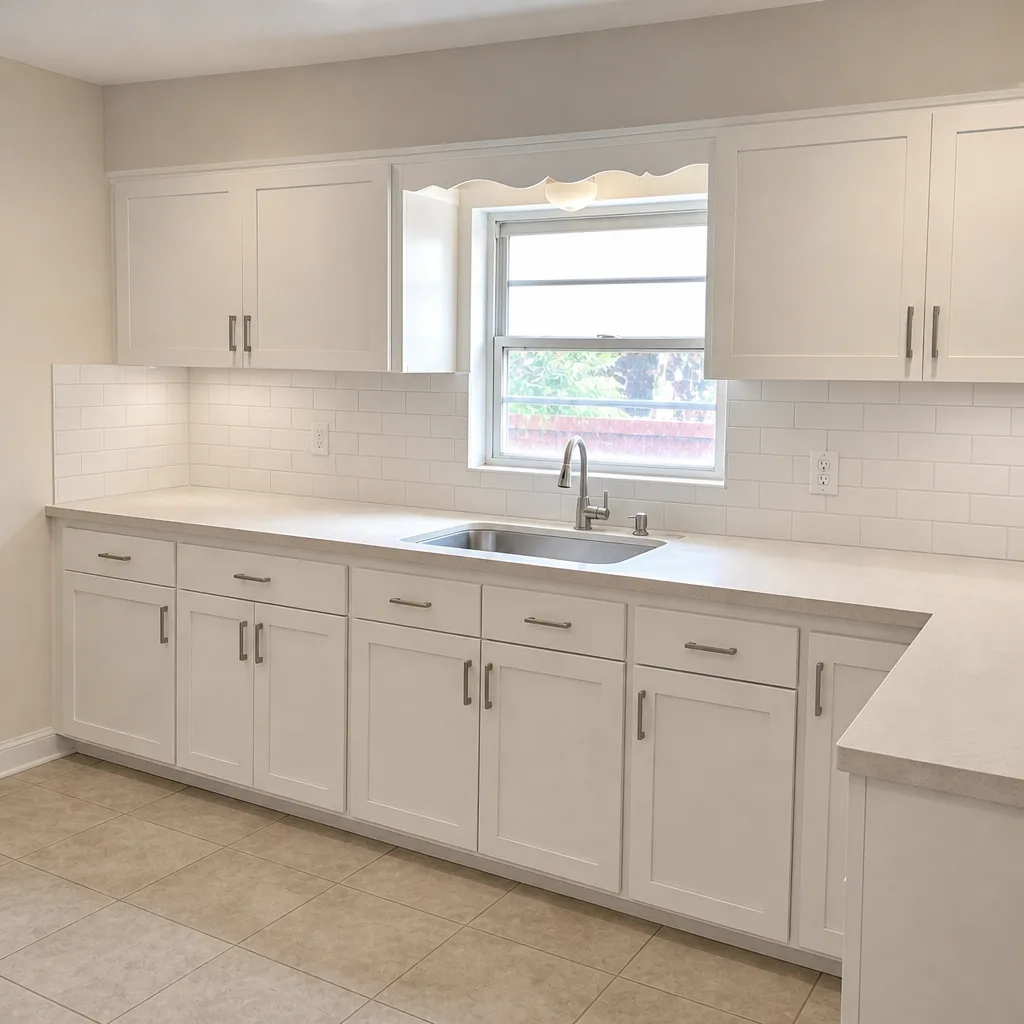 After
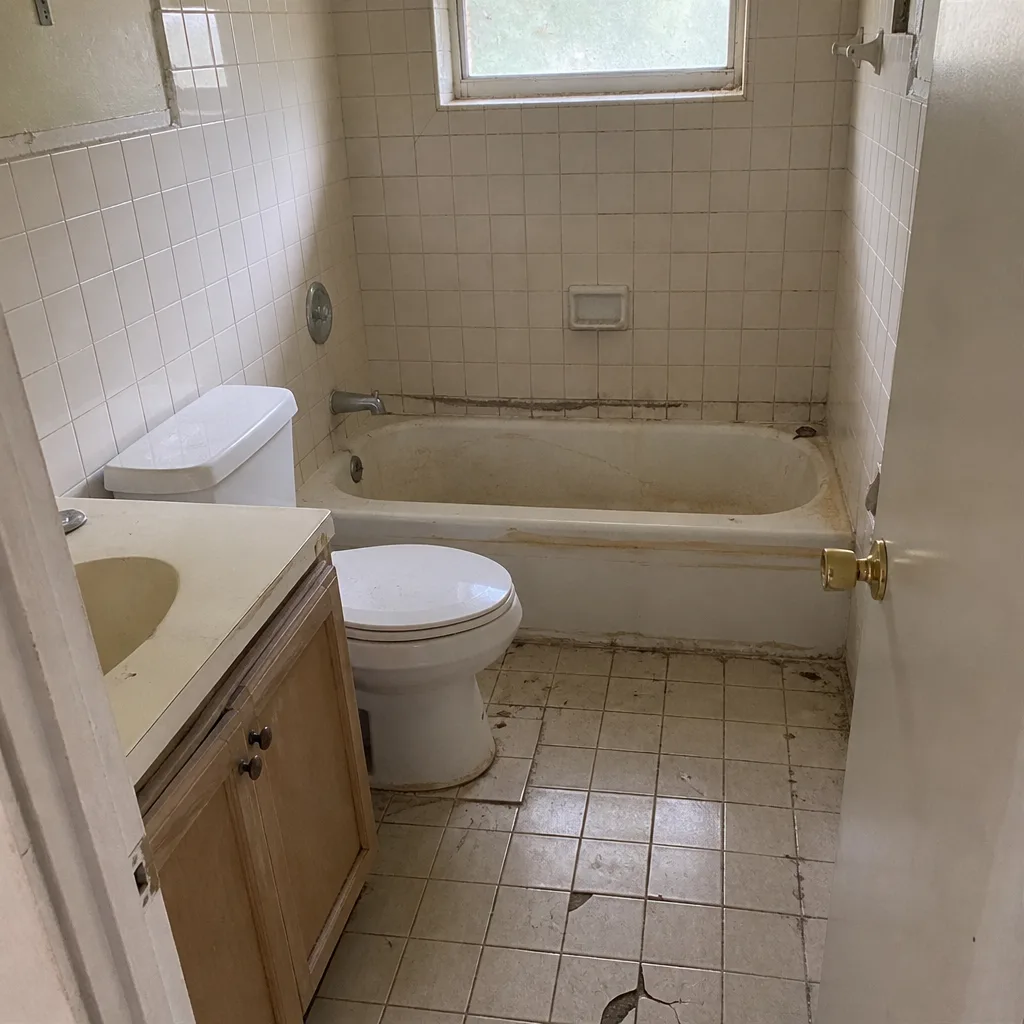 Before
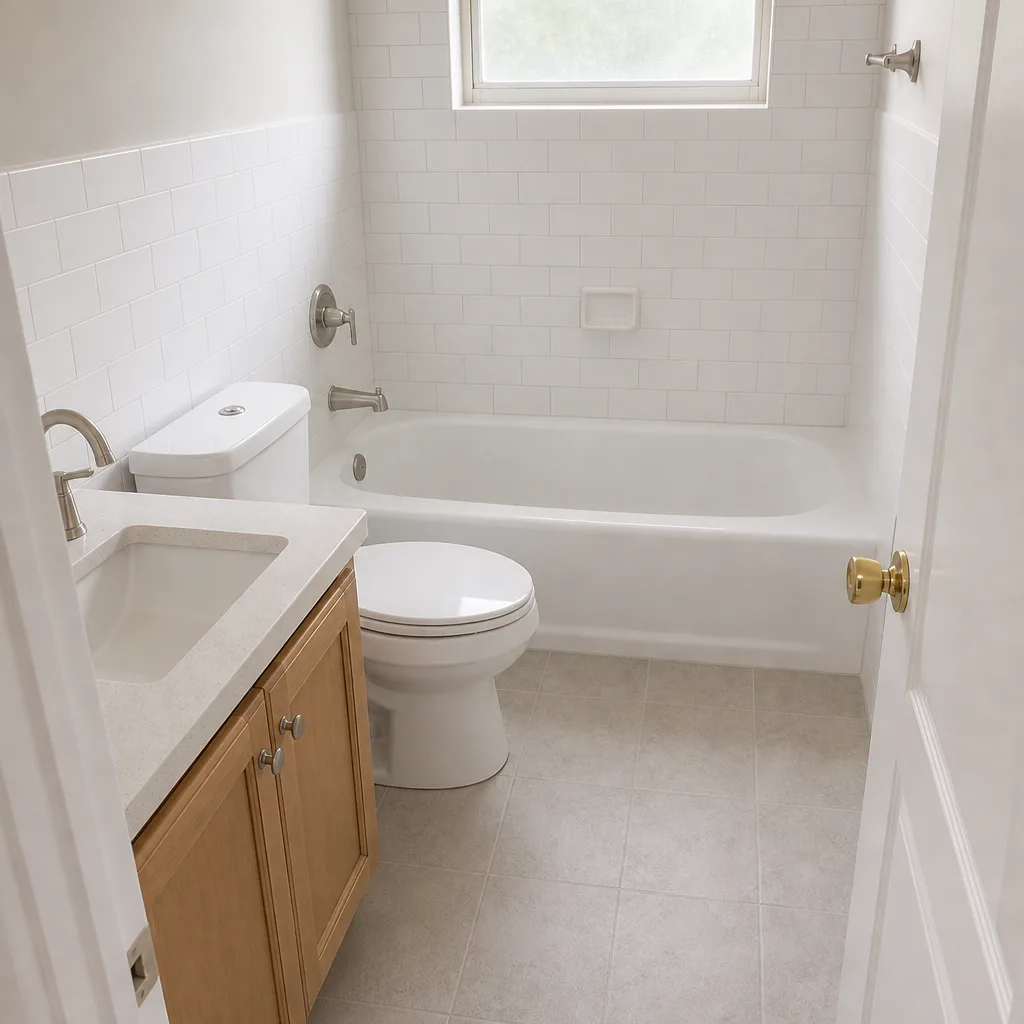 After
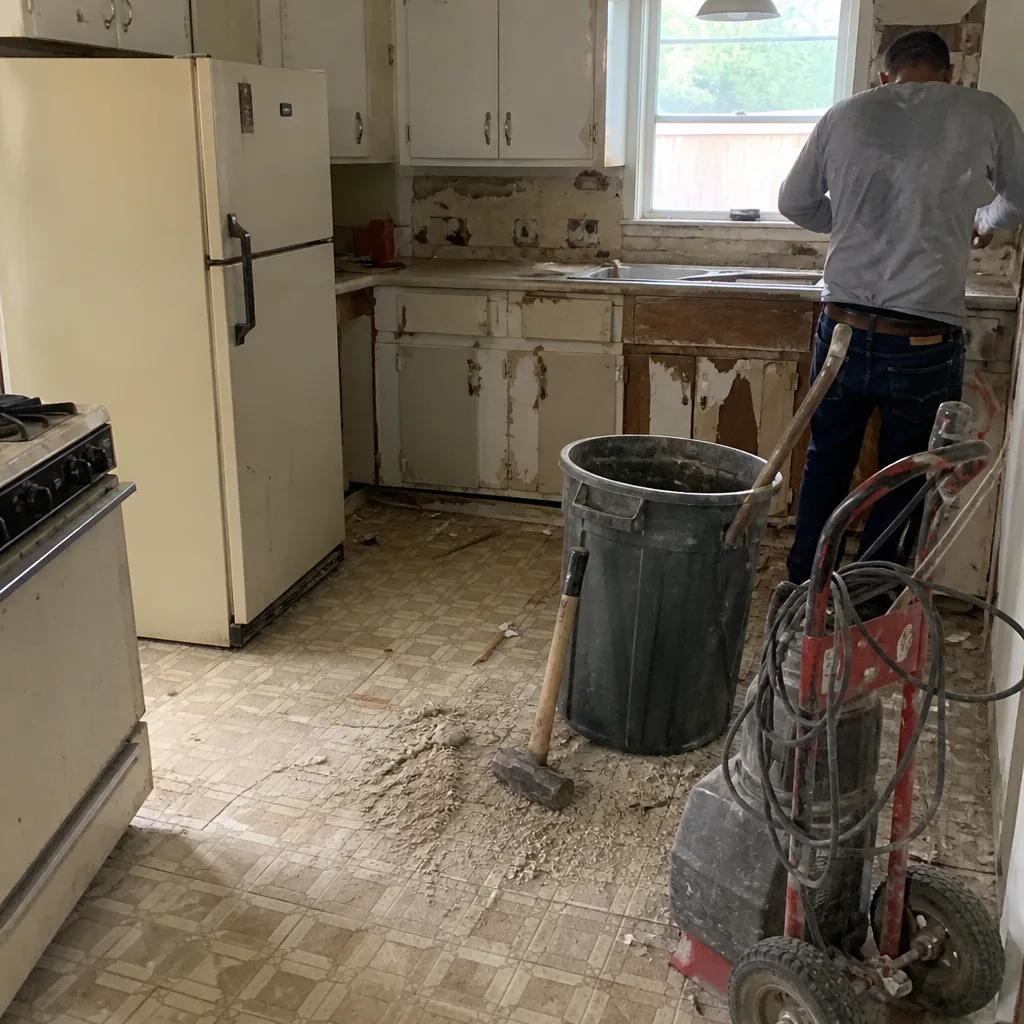 Before
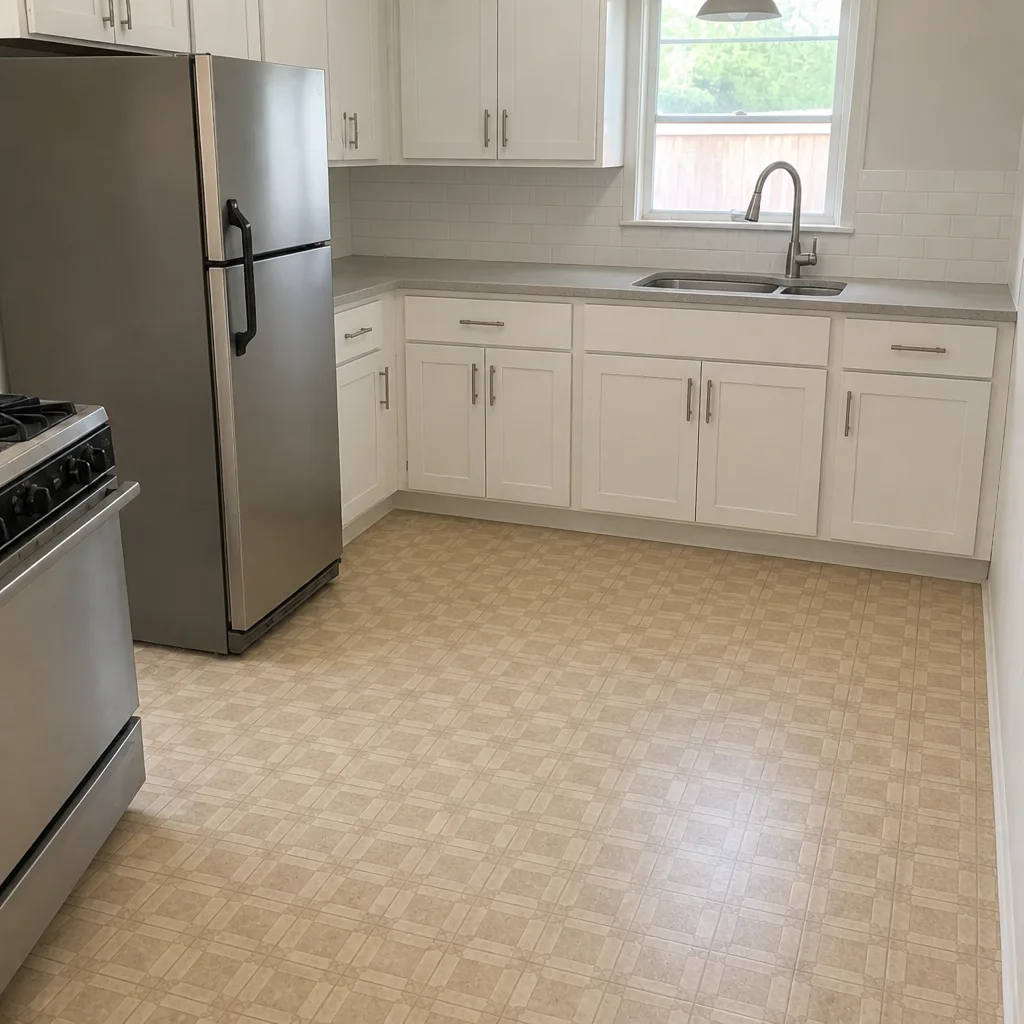 After
Replacement Cost & What’s Included
What you’ll actually pay in Miami depends far more on scope and site conditions than on square footage alone.
| Scope | Installed Range |
|---|---|
| Home Addition | $53,100 – $153,400 |
| ADU Construction | $106,200 – $259,600 |
| Garage Conversion | $35,400 – $94,400 |
What drives the upper end: foundation work through Miami’s water table, impact-rated glazing required by code, roof structure and tie-downs engineered for wind, and permitting through the City of Miami or Miami-Dade County. What drives the lower end: a straightforward slab, an attached build with less exterior envelope, and finishes you’ve already picked out. We quote parts and labor as separate line items so you can see exactly where the money goes, and the number you see is the number you pay. All work is covered by the 730-Day Done Right Promise.
DIY or Call Us?
There are checks you can do without touching structure. Look for water staining along the base of addition walls. Feel for soft drywall. Watch during heavy rain for where water first appears. Take photos and note dates. You can also pull your permit records and look for the plan set.
What you shouldn’t touch yourself: any repair that involves structural connectors, anchor hardware, roof-to-wall transitions, or wind-load-rated assemblies. Once you start changing how the addition ties to the main house, you’re working under a building code that carries real consequences in Miami-Dade, and a wrong substitute can fail inspection or compromise the structural connection. That’s a call-a-professional job. If you’re standing in front of it now, call (833) 968-1198 and we’ll walk through it with you.
FAQs
A properly built and maintained addition should give you 40 to 50 years of service in Miami’s climate, but the roof and the wall-to-roof flashing will be the first to need attention, usually inside 15 to 20 years depending on the material and how much salt air hits it. Call (833) 968-1198 and we’ll assess the age and condition of yours.
Often, yes. Water intrusion at a flashing or sill can frequently be repaired without touching the structure, and that’s where we look first. If the structural connectors or the wind-rated assembly are compromised, a rebuild of the affected section may be necessary. We’ll tell you honestly which one you’re facing. Call (833) 968-1198 for a free estimate.
A targeted repair is often done in a day or two, a garage conversion typically runs a few weeks, and a full addition or ADU runs longer because of permitting and site work. Call (833) 968-1198 for a realistic schedule based on your specific scope.
We work from your stamped plan set and permit documents to identify the exact panel and connector specs, then source to that spec rather than guessing at a look-alike. Structural hardware comes from the specified ViewLux-compatible line; finishes come from quality brand partners, and we also work with KraftMaid, Cambria, and Silestone for the interior fit-out.
Groundwork Construction Co. of Miami is an independent contractor and is not affiliated with ViewLux. Our technicians have up to 12 years of experience, and every project is covered by the 730-Day Done Right Promise. We answer calls with a live person 24/7, our technicians are background-checked and uniformed, and you get a free project estimate and design consult along with 0% financing for 18 months and $1,000 off projects over $10,000. Call (833) 968-1198 to schedule your free estimate.
Written by the team at Groundwork Construction Co. of Miami, serving Miami and nearby areas.