
Last updated November 17, 2026
 Windows & doors
 Kitchen remodeling
 Bathroom remodeling
 Home additions & ADU
 Roofing
 Driveway & pavers
 Fence
Free written scope consultation - allowances, timeline, and change-order rules on paper before a single trade is scheduled
Windows & Doors Warning Signs Every Homeowner Should Know
If your impact window’s glazing bead is cracked, it’s not a cosmetic issue. It’s the first point of failure in a pressurized wind event. Most homeowners walk past that hairline crack every day without knowing what it means – until a Miami-Dade inspector or insurance adjuster points it out after a storm. This guide walks you through the five structural indicators that a window or door has lost its impact rating, how to read water stains to find the actual entry point, how your FPL bill is secretly a diagnostic tool, which installation years predate current Miami code, and what a legitimate inspection should look like versus a pressure-tack sales pitch. Miami homeowners who finish this will know exactly when to call.
Quick Answer
The clearest warning signs that a window or door needs replacement are cracked glazing beads, visible gaps at frame corners, fogging between glass panes (seal failure), misaligned hardware that no longer latches, and daylight showing through the frame-to-wall transition. In Miami, any of these means the unit may no longer meet its original impact rating – and if the installation predates the 1994 Florida Building Code adoption or the 2002 code update, replacement may be required regardless of visible condition. A professional assessment is the only way to confirm.
Styles & brands we work with
- Kitchen remodeling
- Bathroom remodeling
- Home additions & ADU
- Roofing
- Windows & doors
- Driveway & pavers
- Fence
Table of Contents
- The Five Miami-Specific Failure Indicators That Mean Impact Rating Loss
- Water Stain Patterns Around Windows and Doors: What Each Shape Actually Means
- Using Your FPL Bill Trend as a Seal-Degradation Diagnostic
- When Age Alone Is a Red Flag: Installation Years That Predate Miami-Dade Code
- Contractor Red Flags During a Window and Door Assessment
- What a Legitimate Inspection Process Looks Like Step by Step
- Common Mistakes to Avoid
- When to Call a Professional
The Five Miami-Specific Failure Indicators That Mean Impact Rating Loss
Miami’s building stock includes impact-rated windows installed across four decades, from early PGT single-hungs to modern CWS and ES Windows units. Impact ratings aren’t permanent. UV exposure, salt air, thermal cycling between 68-degree winters and 95-degree summers, and the sheer number of pressure cycles from seasonal storms all degrade the assembly. Here are the five indicators we look for first on a Miami inspection – each one tells us something specific about which part of the assembly has failed.
- Glazing bead cracks. The glazing bead is the trim strip holding the glass in the frame. A hairline crack in the bead means the retention system is compromised. In a wind event, that crack becomes the point where the glass separates from the frame – the exact failure the impact rating was supposed to prevent.
- Frame corner separation. Look at the mitered corners where frame sections meet. A gap of even 1/16 inch means the corner joint has worked loose. In vinyl frames this typically comes from thermal expansion; in aluminum it’s often from wind loading. Either way, it’s the first sign the frame no longer holds the glass under lateral pressure.
- Seal failure on insulated glass units (IGUs). Fogging or a milky haze between the two panes is a broken perimeter seal. The argon or krypton gas has escaped, and the unit has lost its insulating value and its structural integrity as a composite assembly. A fogged IGU has a measurable U-value penalty and a wind-load rating that’s no longer what the label says.
- Hardware misalignment. A door handle that needs a shoulder-check to close, or a window lock you have to lift the sash into place to engage, is telling you the frame has racked. This is often the first sign of framing settlement or termite damage in the rough opening, not just a hardware problem.
- Frame-to-rough-opening gaps. Where the window frame meets the wall, the sealant should be continuous and bonded. If you can see daylight, feel air movement, or run a finger through the sealant and find it crumbled, the weather barrier has failed. In Miami, this is also the entry point for water intrusion during a heavy afternoon squall – not just air.
Any single indicator warrants an assessment. Two or more means the assembly has likely dropped below its original impact rating and should be treated as a storm vulnerability. For a broader look at how these units connect to the rest of your home’s envelope, see our Groundwork Construction Co. of Miami home page for context on how we assess whole-house performance.
Water Stain Patterns Around Windows and Doors: What Each Shape Actually Means
Water stains around a window or door don’t always point to the window or door. We’ve walked into Miami homes with a stain across the ceiling three feet from a slider and found the actual entry point at an exterior nail fin twenty feet away. The pattern tells you where the water exits, not necessarily where it enters. Here’s how to read the four most common patterns we see in Miami homes.
- Horizontal band directly below the sill (interior). This typically means the sill pan is overwhelmed or missing. Silicone sealant at the exterior sill has failed, and water is pooling on top of the sill before migrating inside. Common on sliders from the 1990s that were flashed with felt paper only.
- Vertical streak down the wall corner (interior). The corner joint of the frame is the culprit, usually combined with missing backer rod behind the sealant at the rough opening. The water is entering at the head of the window, running down the king stud, and appearing at the drywall seam below.
- Radiating stain on the ceiling above a door. The water is coming in from the exterior head flashing or the wall above the opening. On Miami homes with stucco over CMU, this is often a lath termination issue at the opening, not the door itself.
- Stain on the drywall adjacent to the frame, within 6 inches. This is usually a window problem – the weather barrier is compromised where it was tied into the rough opening. Salt air exposure in coastal neighborhoods like Miami Beach and Key Biscayne accelerates the failure of the sealant joint.
Every one of these patterns is a sign to get someone on the property with a moisture meter and a hose test. A visual stain is often six to twelve months behind the actual intrusion, which means mold can already be established in the wall cavity. If you’re already seeing the stain, the question isn’t whether you have a water problem – it’s how far it’s spread.
Using Your FPL Bill Trend as a Seal-Degradation Diagnostic
Miami’s cooling-dominated climate makes FPL bills one of the most reliable diagnostic tools available to a homeowner – if you know how to read them. The principle is simple: in a sealed, well-insulated home, air conditioning load tracks outdoor temperature with a predictable, roughly linear relationship. When that relationship starts to break, the envelope is leaking.
Here’s the process we recommend to Miami homeowners:
- Pull the last 24 months of FPL bills. The FPL app or website lets you download historical usage as a table. You’re looking for kWh consumed, not dollars – dollars are contaminated by rate changes.
- Plot monthly kWh against the average monthly temperature. Free weather data for Miami is available from multiple sources. For a stable home, the cool months (January, February) should establish a baseline, and the warm months should scale predictably.
- Look for a step change in the ratio. If your kWh per degree-day jumped by 15 to 25 percent in a single year and nothing else changed (no new appliances, no additional occupants, no thermostat changes), you have an envelope problem. Windows and doors are the most common cause.
- Cross-reference against storm events. The 2024 and 2025 seasons brought enough wind and pressure cycling to have popped seals on older units. A step change in the summer of 2024 followed by a worse summer in 2025 is the fingerprint of impact window seal degradation.
For a Miami home with four sliders and eight impact windows, we’ve seen step changes of $60 to $120 per month represent nothing more than degraded window seals. Over a five-year horizon that’s a window replacement paid for in electric bills alone – before you factor in the insurance and storm-protection implications. If your FPL trend shows this signature, an assessment is worth the phone call. And when the assessment points to replacement, our Home Additions & ADU in Miami team frequently coordinates window upgrades into larger scope projects when it makes sense to do everything in one permitted job.
When Age Alone Is a Red Flag: Installation Years That Predate Miami-Dade Code
Impact windows aren’t a luxury in Miami-Dade County – they’re code. But the code has evolved, and a Miami home that was “built to code” twenty years ago may not meet the current standard, or may have windows that were installed before the standard existed. Here are the specific year thresholds every Miami homeowner should know.
- Pre-1994 (pre-Florida Building Code). Florida adopted a unified statewide building code in 1994. Anything installed before that was built under the old South Florida Building Code, which was far less stringent on wind-borne debris protection. Pre-1994 windows are almost certainly not impact-rated, even if they look newer because a prior owner painted the frames.
- 1994 to 2002 (early FBC). The early Florida Building Code established impact protection requirements in High-Velocity Hurricane Zones, but the standards and grandfathering provisions were inconsistent. Many Miami-Dade homes permitted in this era got a mix of impact and non-impact units on the same facade.
- 2002 code update. The 2002 FBC update tightened the missile impact test standards and codified product approval requirements. Units from this era are more likely to meet current standards but should be evaluated on a case-by-case basis. Products from that era across PGT, CGI, and CWS lines are generally more reliable than pre-2002 installations.
- Post-2002 with a Miami-Dade NOA. Units installed from 2002 forward should have a Notice of Acceptance (NOA) number on the label. If you can’t find the NOA label on the frame, that’s a red flag regardless of install year. The label is the proof of compliance.
- Post-2017 (post-Hurricane Irma). Irma pushed significant tightening of inspection requirements and product approval documentation. Windows from this era should have full documentation. If you bought the home and can’t find it, a licensed inspector can pull the permit history.
There’s a nuance many Miami homeowners miss: even a post-2002 window can be non-compliant if it was installed without a permit. We see this in older neighborhoods like Coral Gables and Little Havana where a prior owner had a “friend” do the install. No permit means no inspection, which means no verification the unit was properly integrated into the weather barrier. Age thresholds are a starting point, not the whole answer – the permit record matters just as much.
Contractor Red Flags During a Window and Door Assessment
The single biggest red flag in a window and door assessment is a full replacement recommendation on the first visit without a written diagnostic. If a contractor walks through your Miami home with a clipboard, taps a few frames, and hands you a quote for $28,000 in replacement units – you’ve just been sold, not assessed. Here’s how to tell the difference.
Red flags to walk away from include any contractor who recommends replacement before identifying a specific failure mode; anyone who won’t put the assessment findings in writing; a quote presented on a tablet with “today-only” pricing; people who use high-pressure tactics like a “regional manager” showing up later the same day to close the deal. We hear these stories monthly from Miami homeowners who called us for a second opinion.
A legitimate assessment includes a written report with photographs of every issue, moisture meter readings at suspect locations, confirmation of the product label and NOA number on each existing unit, and a clear statement of what is a failure versus what is normal wear. Time on site matters – a proper assessment of a typical Miami home takes 60 to 90 minutes, not 15. If the contractor can’t tell you why each individual unit failed (and some units on the same wall often fail for different reasons), they haven’t diagnosed anything.
Ask to see the diagnostic template before the site visit. Ask what happens if the report comes back with only two failing units – does the quote drop proportionally? A contractor who is genuinely assessing your home will always leave room for “these four are fine.” If every window in the house is marked for replacement with the same justification, that’s not a diagnosis – it’s a sales script.
What a Legitimate Inspection Process Looks Like Step by Step
Here’s the sequence we follow on a Groundwork Construction Co. of Miami assessment. It’s what you should expect from any contractor you hire for this work, and it’s a good benchmark to compare against whichever bid you’re reviewing.
- Pre-visit permit and label check. Before showing up, we pull the property’s permit history from Miami-Dade County’s online portal. We also ask you to photograph the NOA labels on each window and door. This alone eliminates 20 percent of the guesswork.
- Interior walkthrough with a moisture meter. Starting inside, we probe the drywall below each sill, in the wall cavity at frame corners (using a pin meter where accessible), and along the ceiling line above each opening. Readings above 15 percent indicate active moisture.
- Exterior observation with a hose test at suspect locations. Where interior readings or visual stains suggest an active entry point, we run a controlled water test – typically 5 minutes at moderate pressure to mimic a heavy Miami afternoon squall. This confirms the actual entry point before we start recommending scope.
- Cycle test on door and window hardware. Each operable unit is opened and closed three times while we watch the frame and the lock strike. Any binding, misalignment, or hesitation is noted with the specific cause.
- Glass inspection under polarized light. This reveals seal failures in IGUs that aren’t visible to the naked eye – the perimeter seal often goes before the fogging is obvious. Polarized light shows the moisture pockets inside the sealed unit.
- Written report with photos and unit-by-unit recommendations. You get a report identifying each unit as “good,” “monitor,” or “replace,” with the reason documented. If a unit is in the “monitor” column, you’ll know exactly what to watch for over the next 12 months.
A proper assessment shouldn’t be free, but it shouldn’t be expensive either – and any contractor who’s serious will credit the assessment fee toward the project if you move forward. We treat the assessment the same way: the point is to find the truth about your window and door system, not to force a sale.
Common Mistakes to Avoid
- Treating a fogged window as a cosmetic problem. In Miami, a fogged IGU means the perimeter seal has failed and the unit no longer meets its wind-load rating. Aesthetic-only fixes like window film don’t restore the seal. The unit is structurally compromised the moment the gas escapes.
- Assuming replacement is required because a neighbor replaced theirs. Every home is different. Framing, orientation, and prior install quality vary wildly between homes on the same Miami block. Base the decision on your own assessment report, not the neighbor’s scope.
- Hiring a contractor who skips permit research. Miami-Dade permit records are public and accessible in minutes. A contractor who doesn’t check them is telling you they don’t care whether the existing installation was ever code-compliant. That’s not the person you want installing new units.
- Relying on caulk to fix water intrusion. A tube of silicone at the exterior seal will hold off the next storm, but it’s masking a failed weather barrier underneath. In Miami’s humidity, that moisture stays in the wall cavity and sets up mold – visible mold typically appears 8 to 14 months after the first intrusion.
- Skipping the FPL bill diagnostic. Most Miami homeowners can identify an envelope problem from their bills before any other sign appears. Downloading 24 months of usage and doing a quick ratio check takes 15 minutes and can flag a window or door problem six to twelve months before water intrusion becomes visible.
- Accepting a quote on the first visit without a diagnostic report. The single most expensive mistake we see in Miami window replacement – a homeowner replaces 14 units based on a pressure close, when the actual failure was in 6. A written assessment protects your money.
- Ignoring frame corner separation because “it still shuts.” A door that latches is not a door that holds pressure. Corner separation of a sixteenth of an inch can be the difference between an impact-rated assembly and a failed one in a wind event.
See the difference
 Before
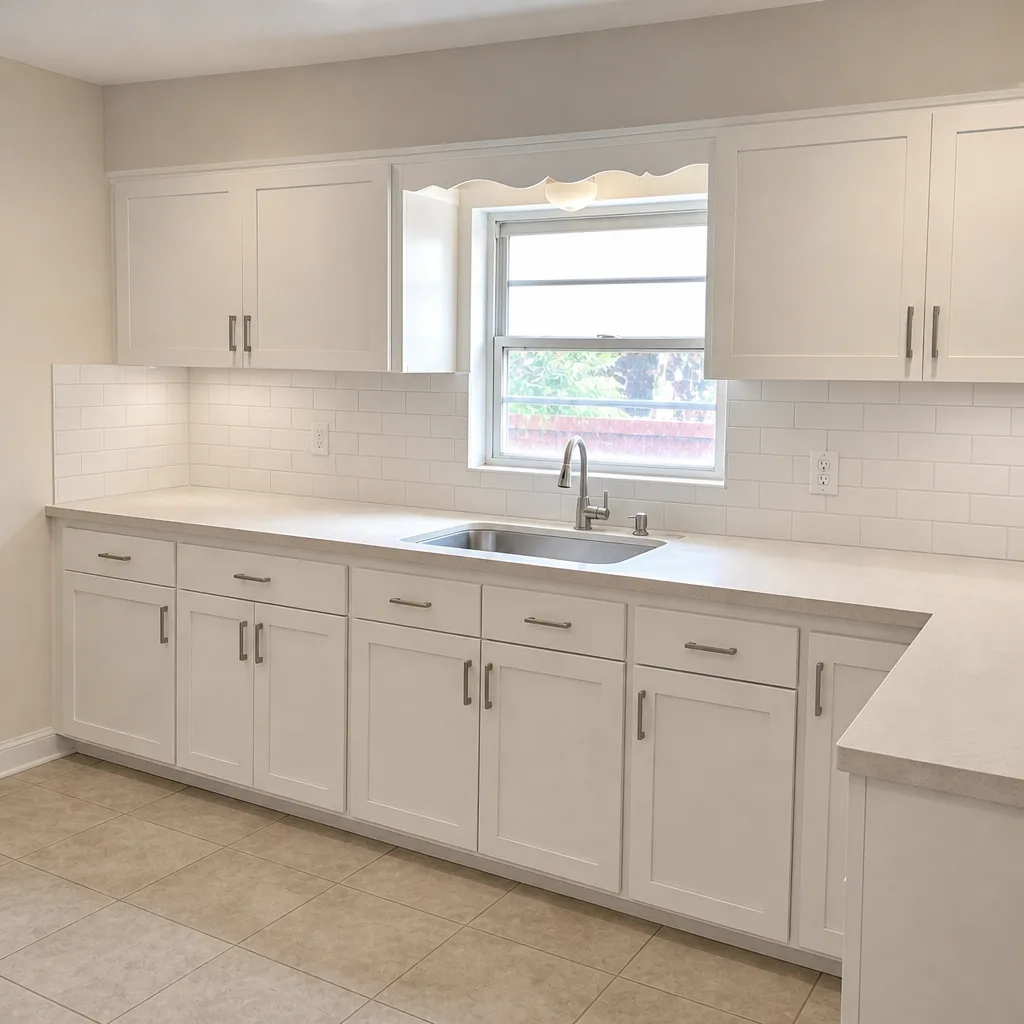 After
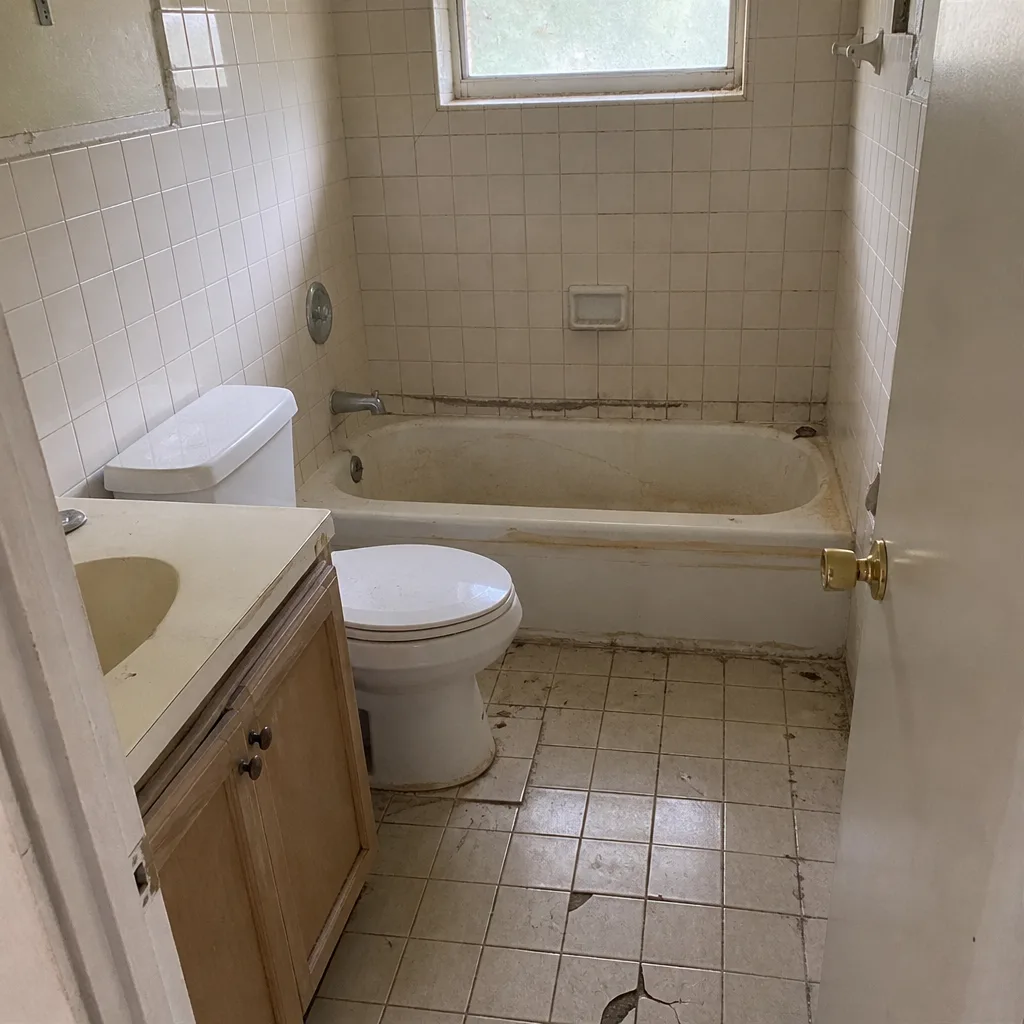 Before
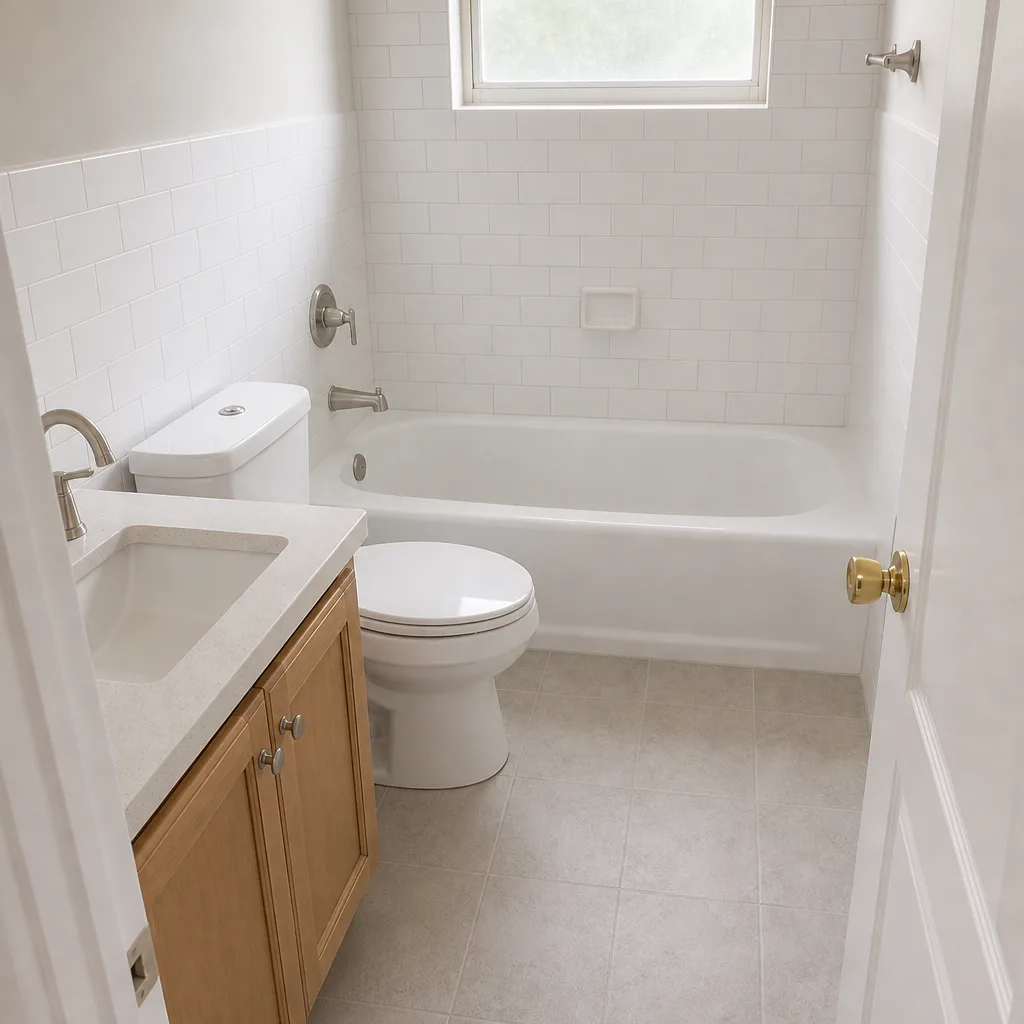 After
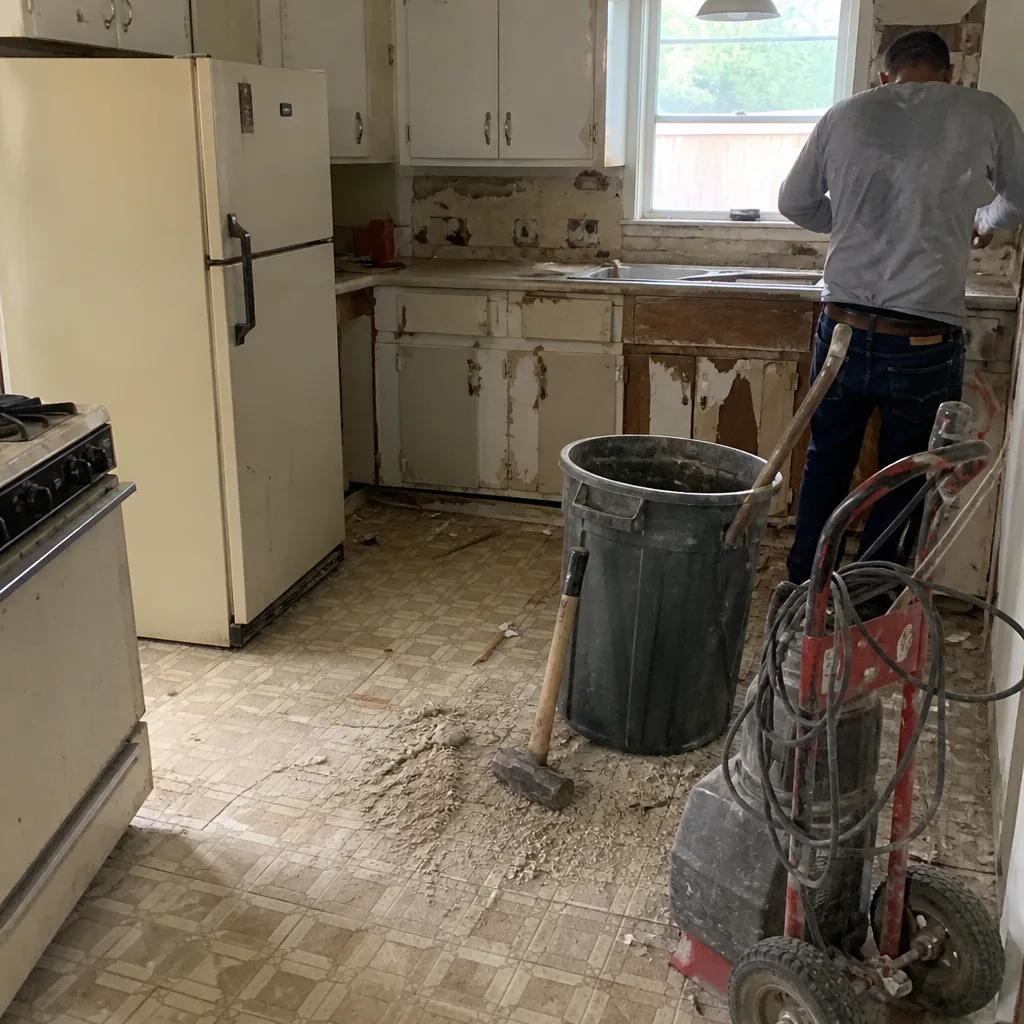 Before
 After
When to Call a Professional
Call a licensed window and door professional immediately if you find any of the following: visible cracks in the glazing bead or frame; daylight showing through the frame-to-rough-opening transition; fogging between the panes of an IGU; hardware that no longer aligns without force; stains on the interior drywall within 6 inches of a window or door; or a sudden uptick in your FPL bill not explained by rate changes. If your Miami home’s windows were installed before 2002 and you can’t locate the NOA label on the frame, an assessment is worth scheduling regardless of visible condition. Groundwork Construction Co. of Miami offers free estimates in Miami – call (833) 968-1198. Our technicians have up to 12 years of experience, and every assessment ends with a written report – not a pressure close.
Frequently Asked Questions
A professional assessment in Miami typically runs $150 to $400 depending on the number of openings and whether a moisture and hose test is included. Many contractors, including Groundwork Construction Co. of Miami, offer a free initial estimate, then charge for deeper diagnostics only when necessary. The assessment fee is often credited toward replacement work if you move forward. Call (833) 968-1198 for your free estimate – we’ll tell you upfront what an assessment on your home will cost.
The only reliable way to confirm impact rating is to check the NOA (Notice of Acceptance) label on the frame and to have a licensed inspector examine the glass, glazing bead, and frame corners for signs of failure. If the label is missing or the unit is pre-2002, treat the unit as unconfirmed until assessed. Call (833) 968-1198 to schedule a professional inspection in Miami.
Single-unit replacement is completely normal and often the right answer. There’s no code requirement that all windows be replaced at once – each opening is a separate unit with its own condition. The only exception is when mismatched units create a visual or performance issue the homeowner doesn’t want. Get a unit-by-unit diagnostic before you scope the project. Call (833) 968-1198 for estimates on single-unit or whole-home replacements.
Insurance generally covers replacement when the damage is from a covered peril like a named storm, sudden impact, or water intrusion event – not from gradual wear or age-related seal failure. Document the damage with photos and the assessment report before filing a claim. An insurance adjuster will want the same diagnostic evidence a professional inspection produces. Call (833) 968-1198 if you need an assessment to support a claim.
A typical Miami home with 12 to 18 openings takes 2 to 4 days for replacement, assuming permits are already pulled and the units are on site. Permit approval in Miami-Dade County adds 2 to 6 weeks before install begins. Most jobs are completed in a single visit once the crew is on site, and we don’t leave openings exposed overnight. Call (833) 968-1198 for a project timeline specific to your home.
Miami homeowners have strong choices across several manufacturers with proven NOA approvals for this climate – PGT, CGI, CWS, and ES Windows are the names we see most in the field. The best unit for your home depends on orientation, opening size, and whether you’re matching specific frame profiles. We specify only brands with a current Miami-Dade NOA and a documented product warranty. Call (833) 968-1198 to discuss which units fit your project.
The Bottom Line
In Miami, a failing window or door doesn’t just cost you on your FPL bill – it costs you hurricane protection, insurance compliance, and potentially thousands in water damage remediation. The warning signs are subtle but identifiable: cracked glazing beads, frame corner separation, seal failure on the IGUs, hardware misalignment, and frame-to-rough-opening gaps. Read your FPL bill trend, know your installation year, and demand a written diagnostic before you sign a replacement contract. Most Miami homeowners who take those three steps either catch a problem early or avoid an unnecessary full replacement. Either way, the assessment is worth the call. For paving, fencing, or additions coordinated with your window project, our Driveway & Pavers in Miami and Fence Installation in Miami teams work the same way – written scope, upfront pricing, no surprises.
Ready for real answers about your windows and doors? Call Groundwork Construction Co. of Miami at (833) 968-1198 for a free estimate. Live person, 24/7. Upfront pricing, no surprises. Every project backed by our 730-Day Done Right Promise – if it’s not done right, we make it right. With $1,000 off projects over $10,000 and 0% financing for 18 months available, you can move on necessary work now without waiting for the next storm to force your hand.
Written by the team at Groundwork Construction Co. of Miami.