
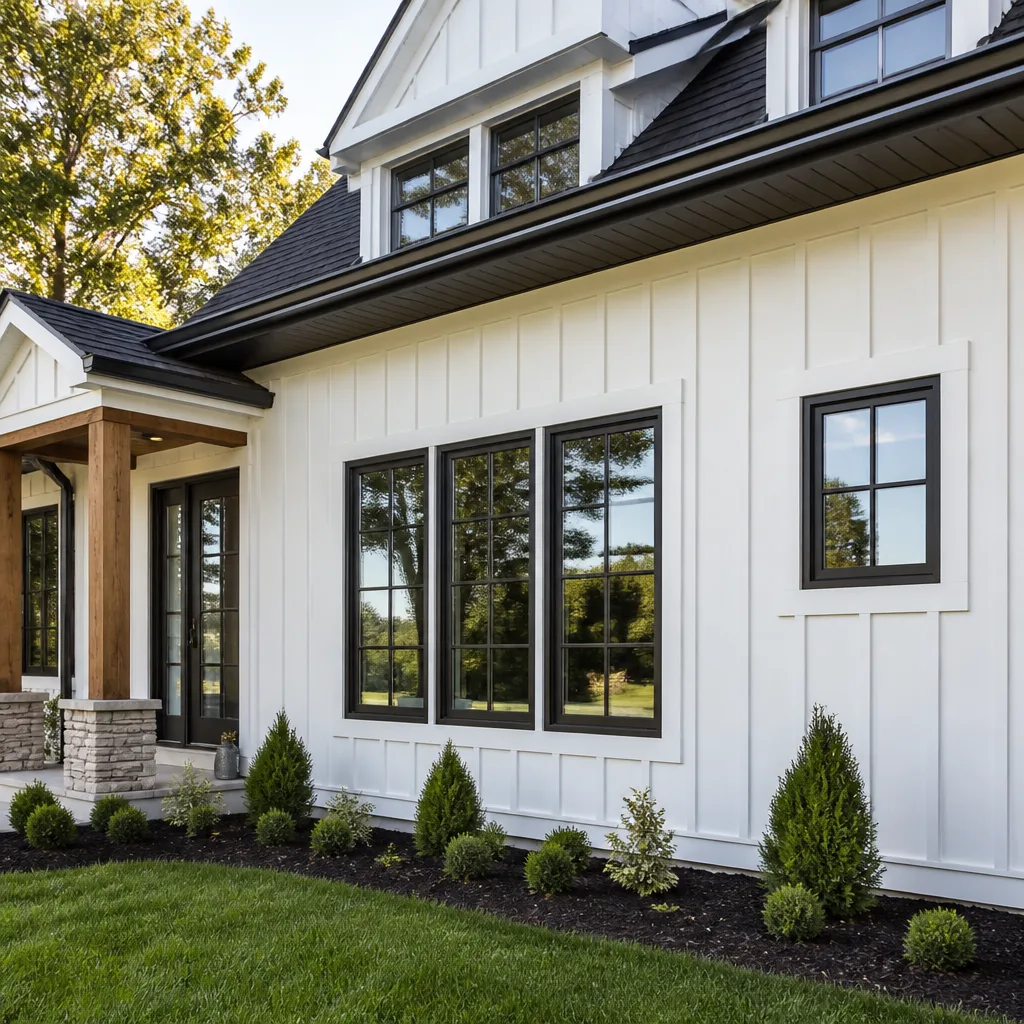
 Windows & doors
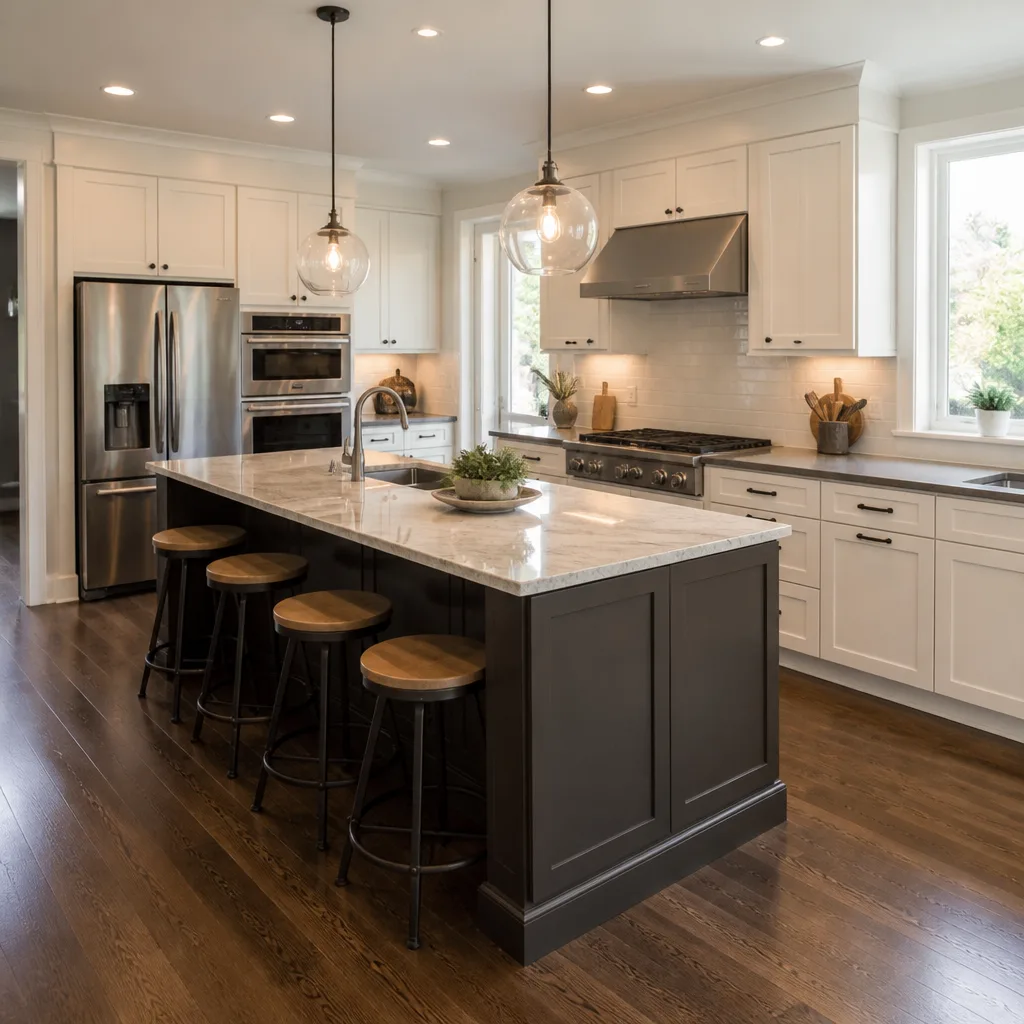 Kitchen remodeling
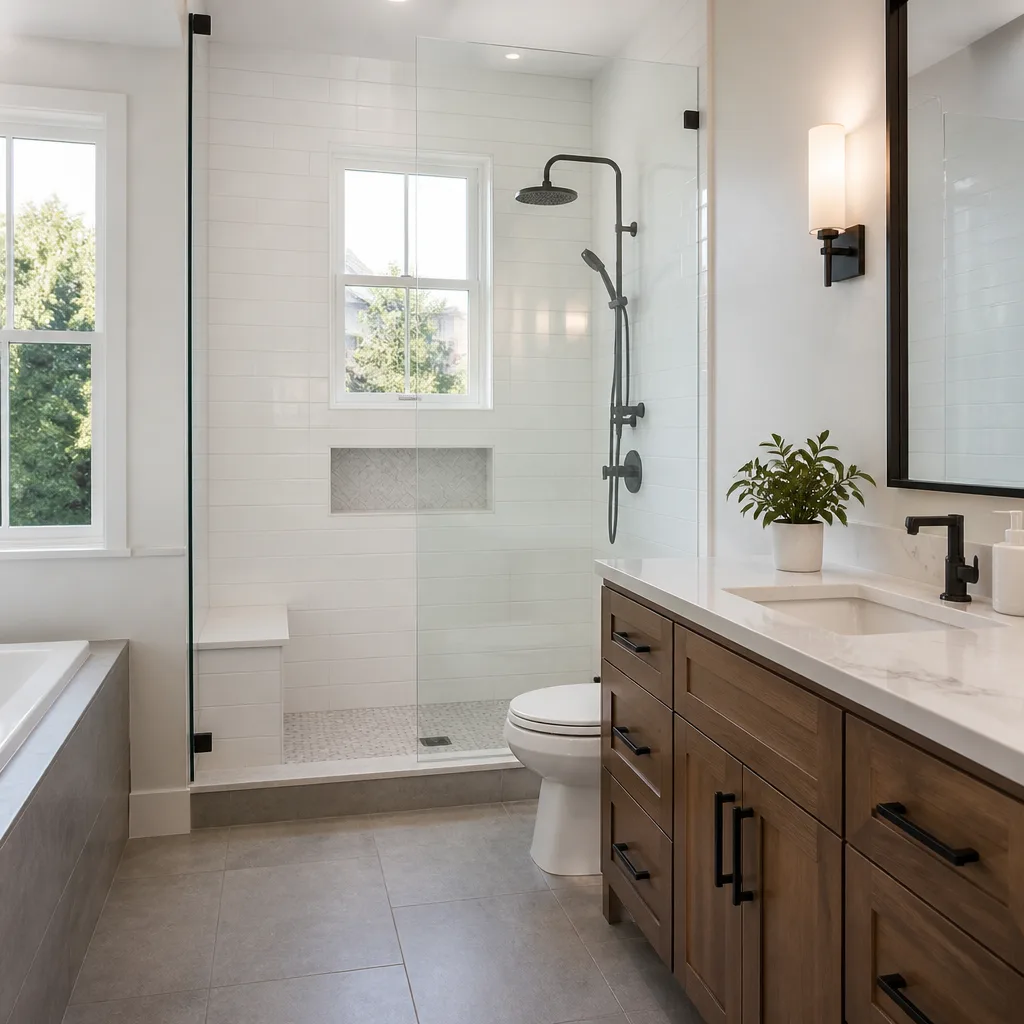 Bathroom remodeling
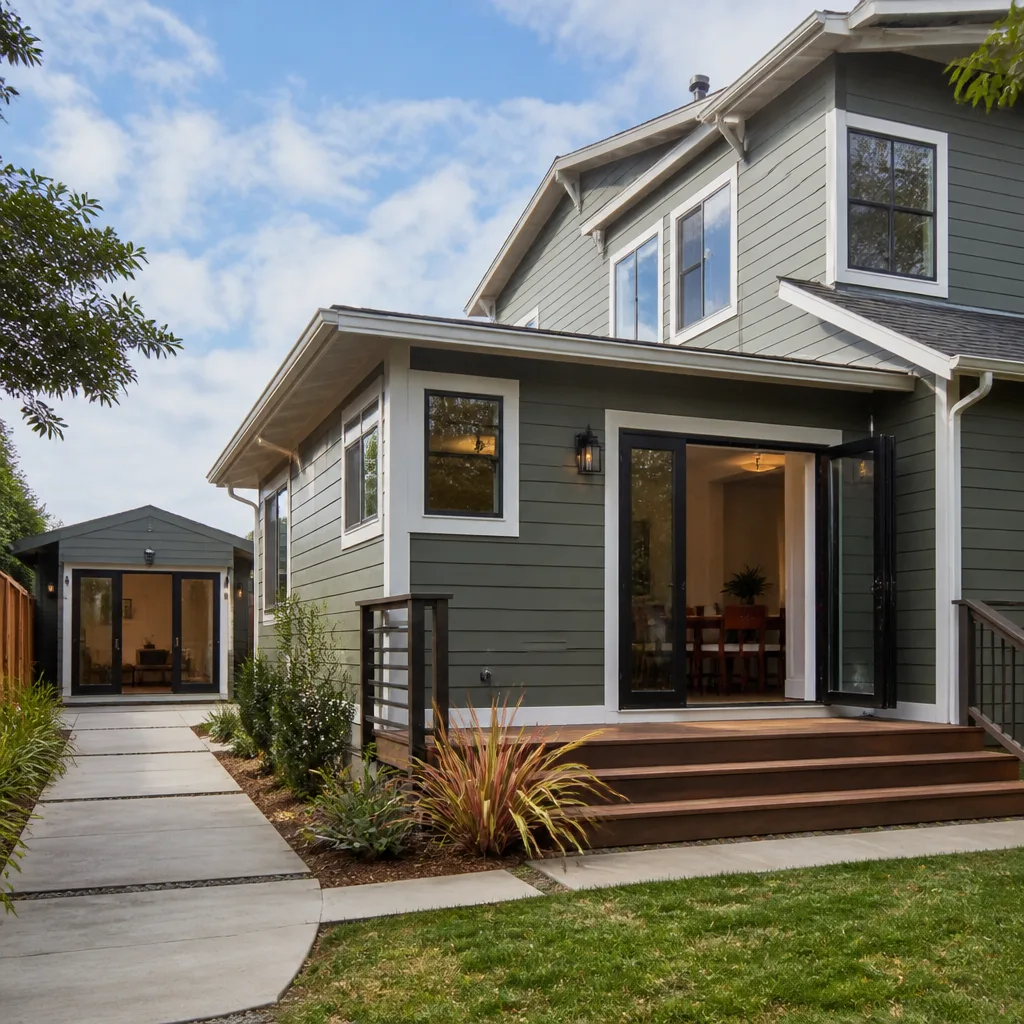 Home additions & ADU
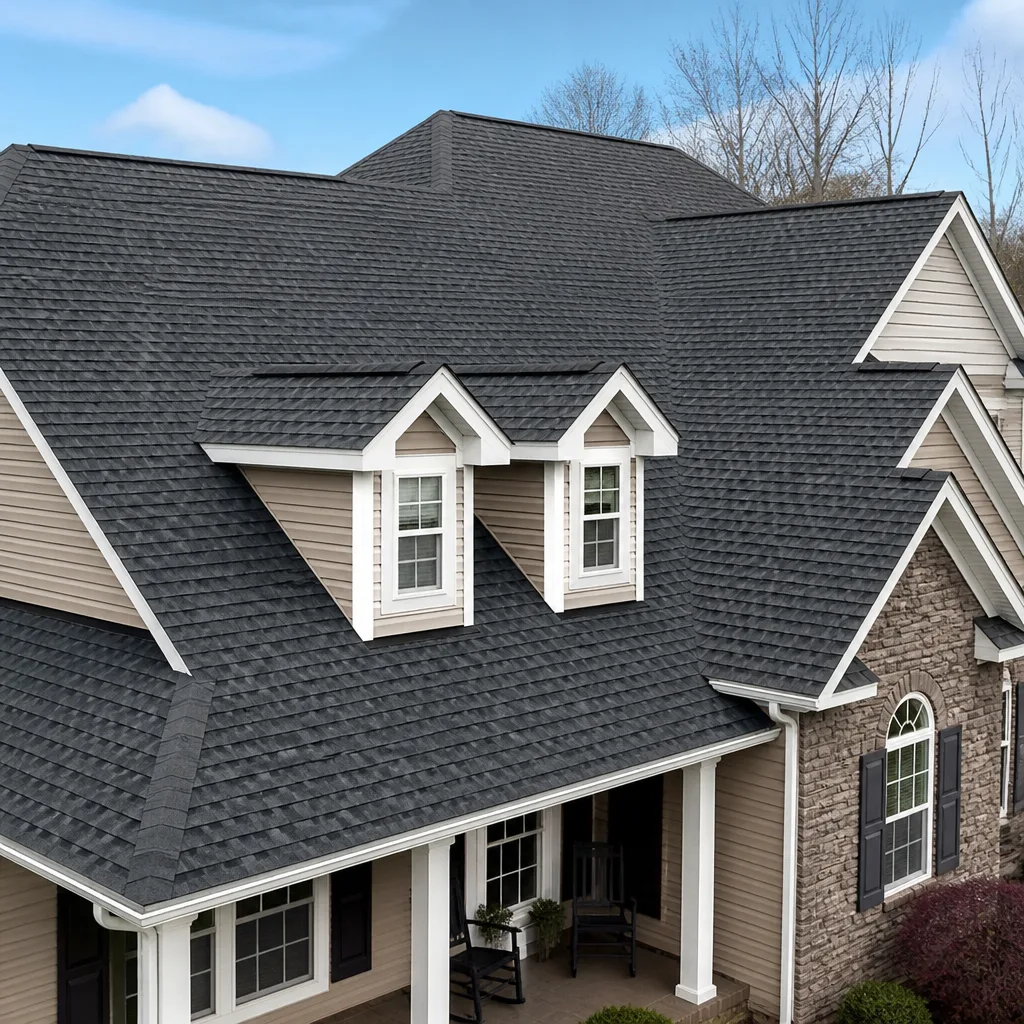 Roofing
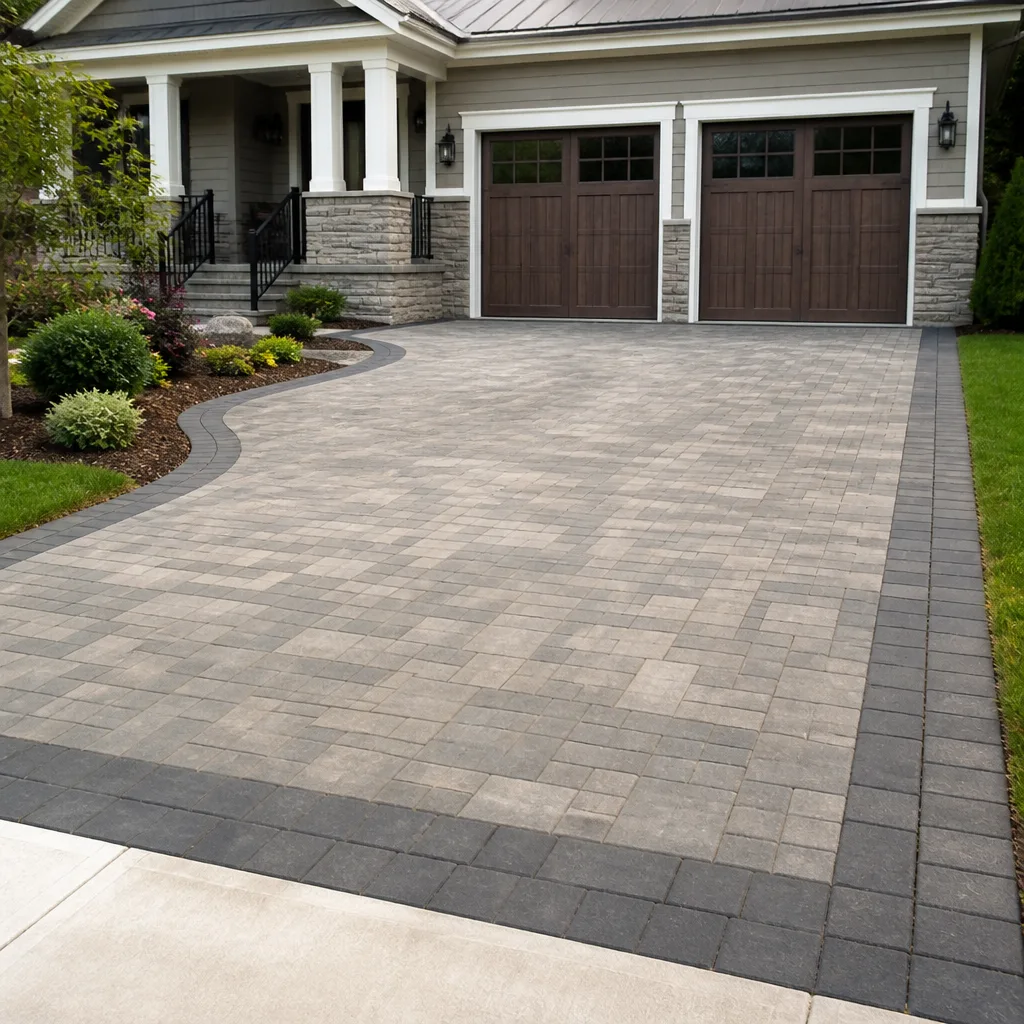 Driveway & pavers
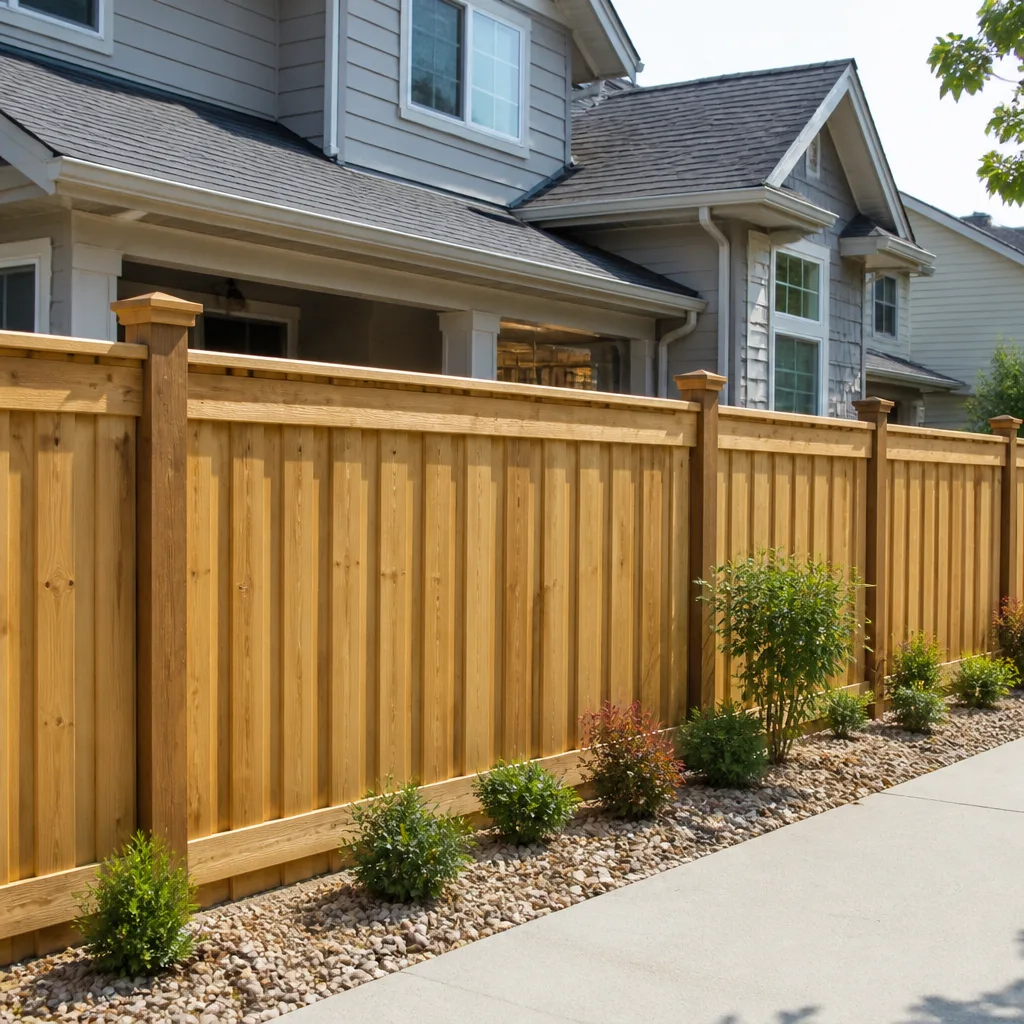 Fence
Free written scope consultation - allowances, timeline, and change-order rules on paper before a single trade is scheduled
Styles & brands we work with
- Kitchen remodeling
- Bathroom remodeling
- Home additions & ADU
- Roofing
- Windows & doors
- Driveway & pavers
- Fence
See the difference
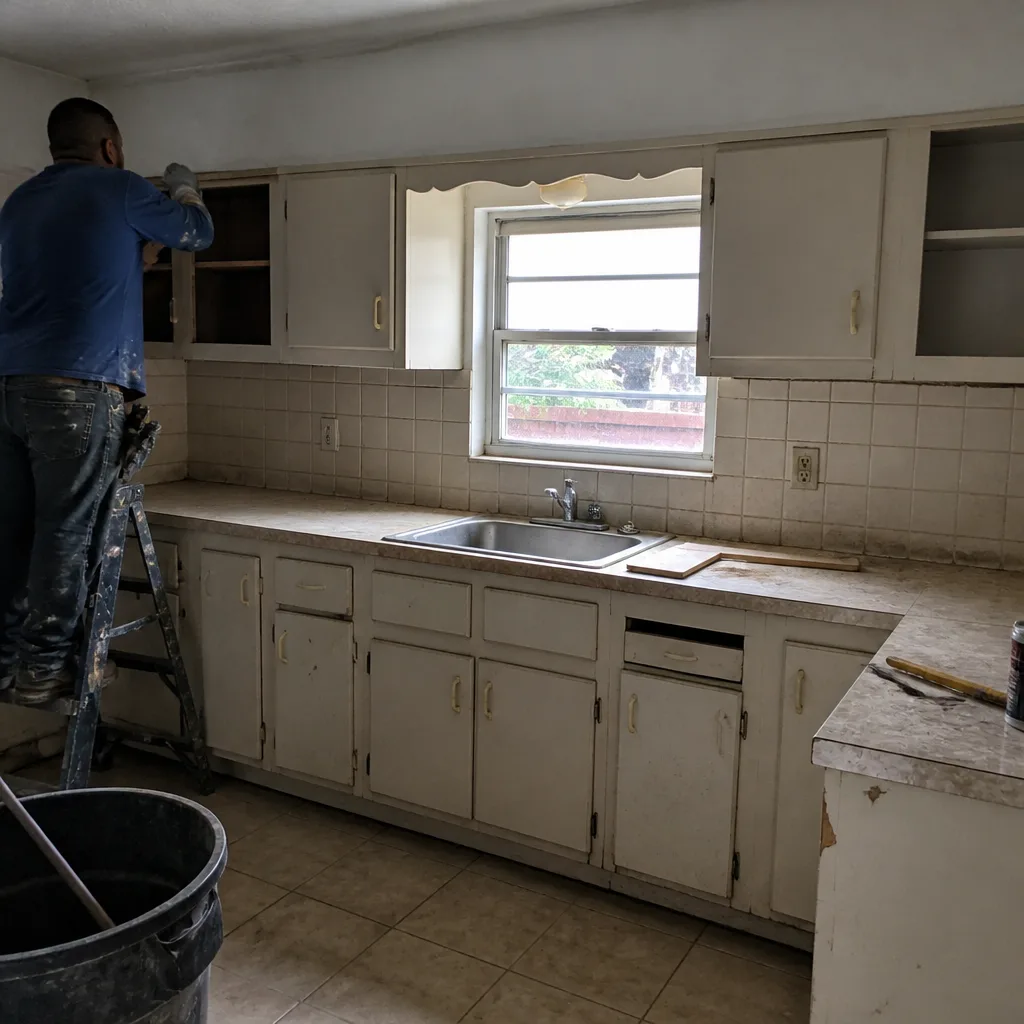 Before
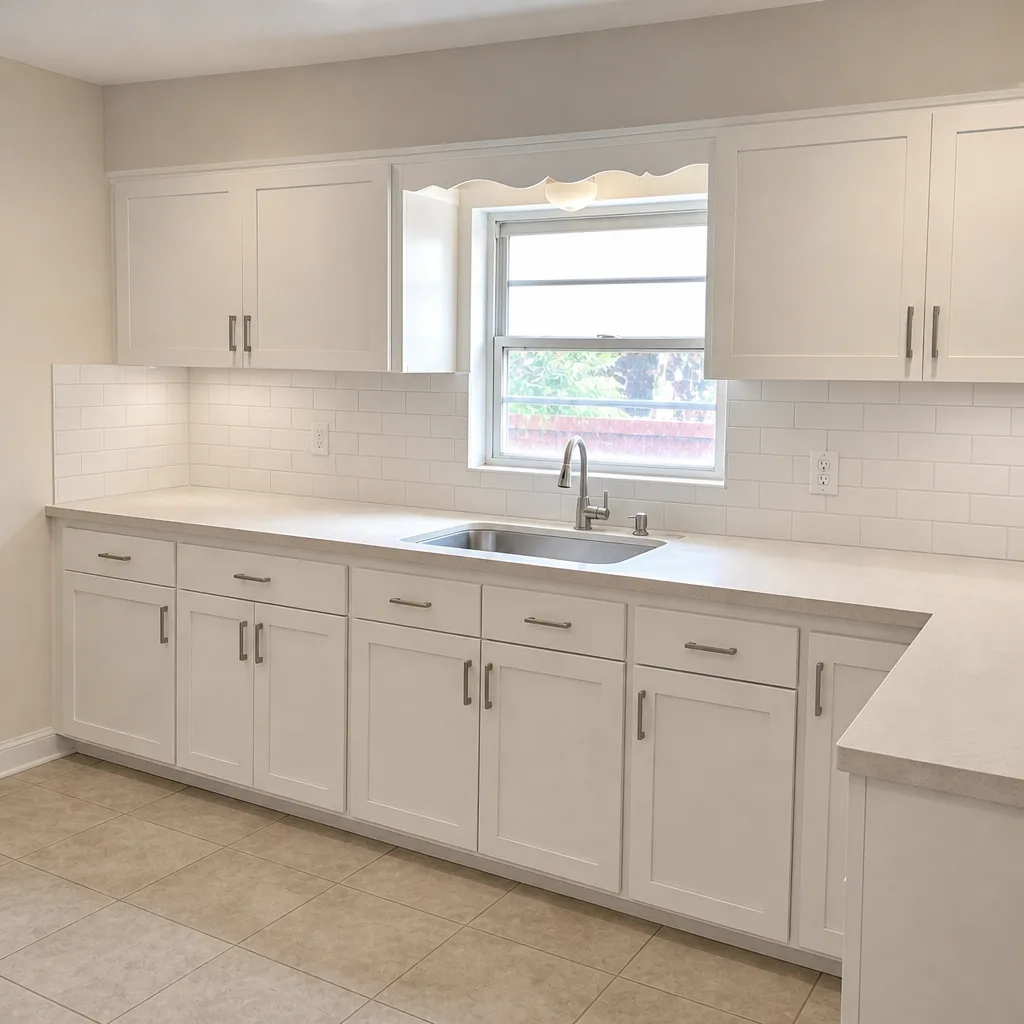 After
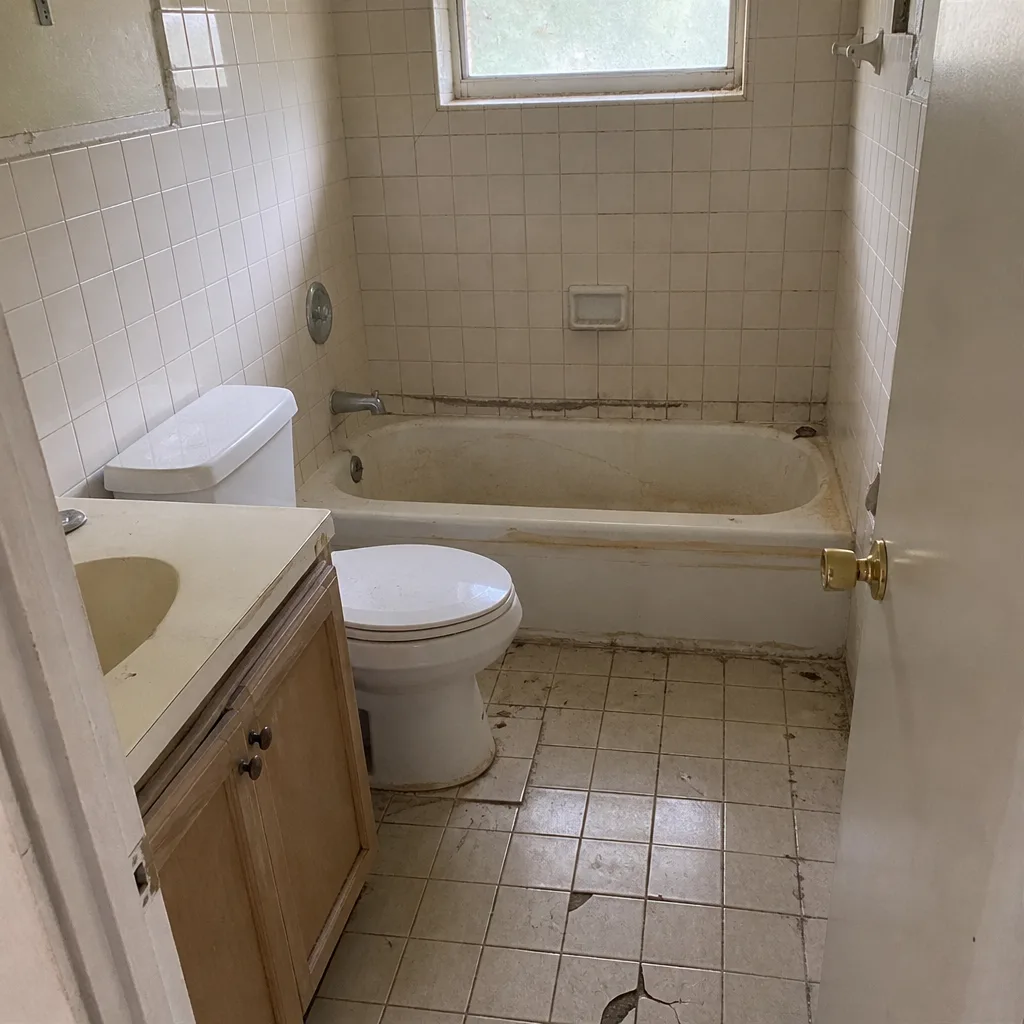 Before
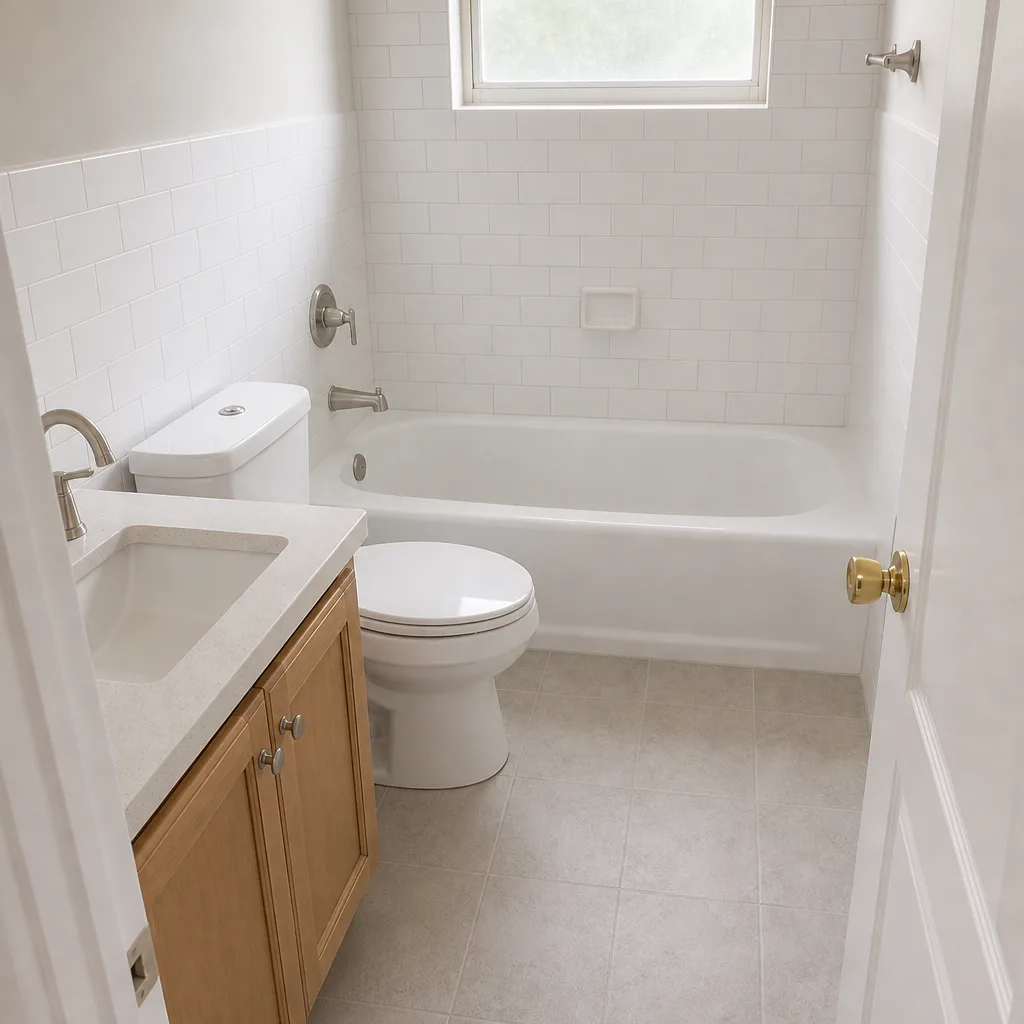 After
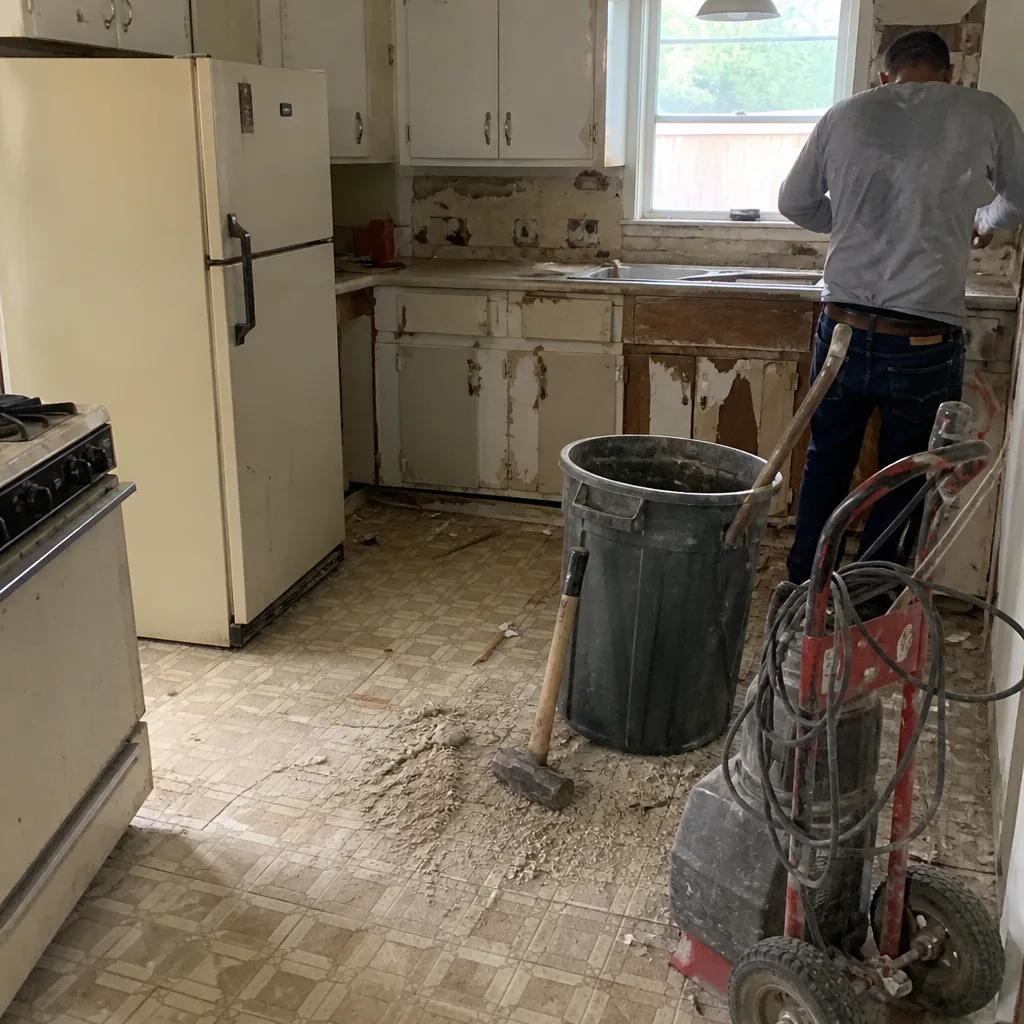 Before
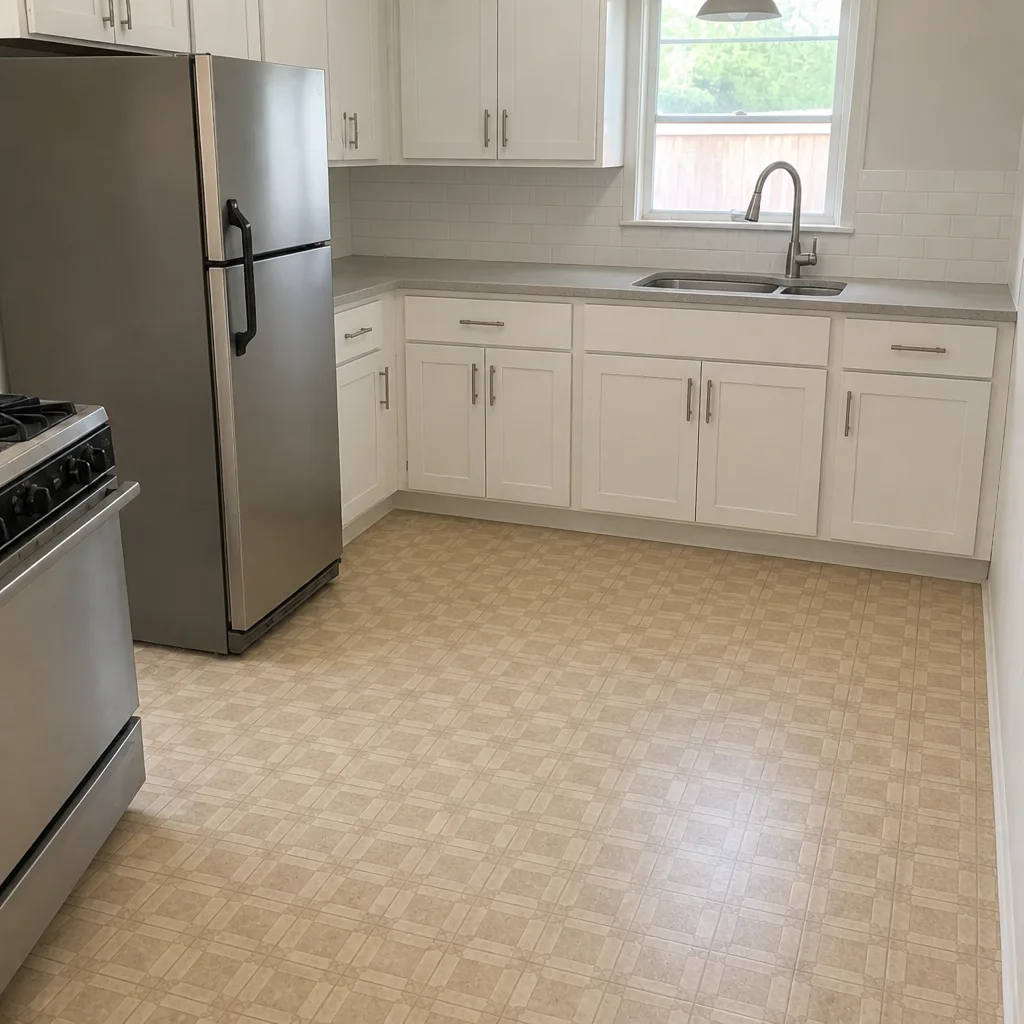 After
Impact Windows Cost in Miami, FL: What You’ll Actually Pay (and Where the NOA Number Fits In)
Impact window installation in Miami runs $9,440 to $29,500 for a whole-home project, and most single units land between $600 and $1,600 depending on type and size. Those numbers only tell part of the story, though. The figure that determines whether your windows pass inspection, hold your insurance credit, and survive a storm is the Miami-Dade NOA number on each unit, and it’s why two bids for the “same” windows can differ by thousands. Call (833) 968-1198 for a free estimate, and we’ll walk you through the product and installation spec before you commit a dollar.
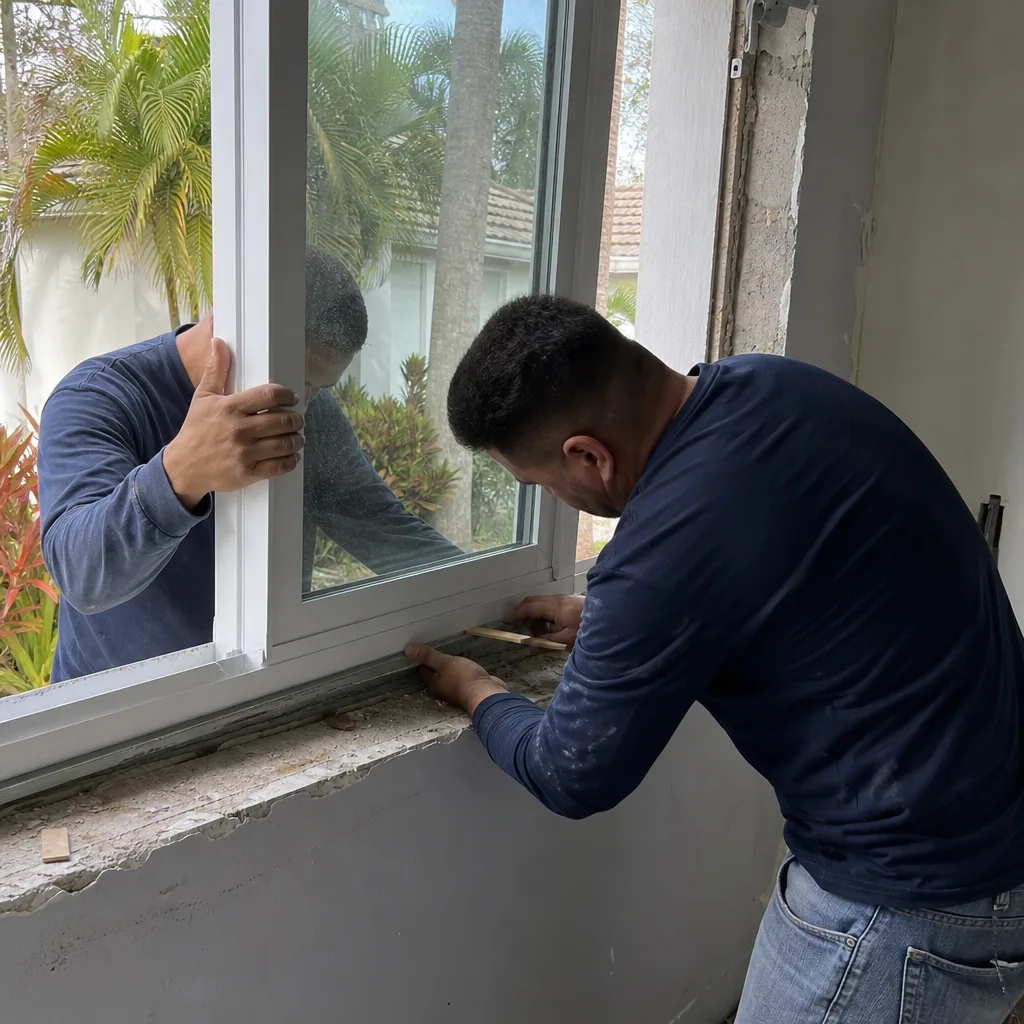
You’re Not Really Buying Glass. You’re Buying a Compliant Installation.
Miami-Dade County is the only place in the US with its own product-approval system. Every window that goes into a Miami home has to carry a Miami-Dade Notice of Acceptance (NOA), and that approval is narrower than most homeowners realize. The NOA number is tied to the window model, the frame material, the rough opening dimensions, and the wall assembly the unit is installed into. A window that’s fully approved at one company’s install specification can fail inspection at another, because the installation condition doesn’t match what the NOA covers.
This matters in Miami more than in most of Florida because the whole county sits in the High Velocity Hurricane Zone (HVHZ). Product approvals aren’t a formality here; they’re the gate. If your window goes in without the right NOA match, the inspection fails, and the cost of that failure is real: a re-inspection fee, potentially pulling and reinstalling the unit, and a delayed certificate of occupancy if you’re mid-renovation. At policy renewal, your insurance carrier looks at the same paperwork.
Here’s the older-Miami wrinkle we run into constantly. The city’s housing stock is heavy on pre-1970s CBS (concrete block and stucco) homes and unreinforced masonry, mixed with 1920s Mediterranean Revival and MiMo buildings and the post-2000 glass high-rises along Brickell and Biscayne Boulevard. In a pre-1970s CBS house, the wall assembly is concrete block, and in some homes the rough opening has been modified over the decades by an earlier renovation. The same window order that’s clean on paper can hit a wall condition the specified unit isn’t NOA-approved for. That’s the gap between a bid and a compliant install, and it’s exactly why we confirm the installation condition before the product is ordered, not after the frame is in.
Large Missile vs. Small Missile: Why Your Neighborhood Matters
Impact ratings aren’t one thing. Windows carry a large missile impact rating or a small missile impact rating, and the difference affects product selection and, in turn, cost. Small missile impact applies to higher floors in larger buildings, where wind-driven debris is the concern. Large missile impact covers the ground floor and lower elevations, where heavier debris and pressure both come into play. In Miami, a single-family home near ground level needs large missile-rated product at the lower elevations, which puts more demand on the frame and glazing spec and factors into the price.
Our pre-vetted brand portfolio is the reason we can match spec to condition before an order is placed. Partners like Andersen and Marvin carry the approvals, but the approval is only valid for the exact assembly it was tested in. We confirm the model, frame material, and rough opening against the wall assembly first, then order. That’s the step that keeps an install on schedule and inspection-ready.
What Impact Windows Cost in Miami, by Window Type
These are installed ranges, not retail. Installation labor, HVHZ-compliant product, and the NOA-correct spec are all baked in, and that’s why Miami prices run above statewide averages: the product requirements are stricter here than anywhere else in the state.
| Window / Door Type | Installed Cost Range |
|---|---|
| Single-hung, aluminum frame (most common in CBS homes) | $600-$1,200 per unit |
| Casement | $900-$1,600 per unit |
| Picture window | $800-$1,400 per unit |
| Sliding glass door conversion | $2,500-$5,500 |
| Whole-home impact window installation | $9,440-$29,500 |
Single-hung aluminum is the workhorse for a reason: it’s the most common window in Miami’s CBS homes, it’s field-proven in this climate, and the aluminum frame holds up against salt-laden coastal air better than most alternative materials. Casements and picture windows cost more because the frame and hardware specs are heavier, and a sliding glass door conversion carries its own NOA and labor story.
If you’re replacing windows across the whole house, our Windows & Doors page covers the full scope. If you’re comparing against a partial upgrade, our Miami service area page outlines how the project scope works in this market.
Three Costs Most Guides Leave Out
The wind-mitigation credit. Miami homeowners with fully compliant impact window installations typically qualify for wind-mitigation credits worth $800 to $2,500 per year on homeowner’s insurance. That credit belongs in every cost conversation and almost never is. On a mid-range whole-home install, the credit can offset a meaningful slice of the project cost over a few renewal cycles, and that’s before you count the corrosion and sealant wear your old windows were already costing you. Fully compliant is the operative phrase: an install that doesn’t match the NOA can disqualify the credit at renewal.
The frame-to-wall seal. Gaps in the frame-to-wall interface seal are the primary failure point in Miami impact window installations. A window can pass visual inspection and still have inadequate sealant at the interface, and in a 150-mph wind event that’s where water enters. Our 730-Day Done Right Promise covers exactly this failure mode: if the seal isn’t right, we make it right, in writing, for two full years.
The failed-inspection bill. If a unit goes in on the wrong NOA condition, the re-inspection fee, potential re-install, and a delayed certificate of occupancy (on a renovation where other trades are waiting on that final inspection) can add thousands to the project. Skipping the spec-match step to save a few hundred on product is the wrong trade.
Common Local Scenarios
- A 1960s CBS home in a flood-zone overlay. The wall assembly is straightforward, but if the rough opening was modified by an earlier renovation, the specified unit has to be confirmed against the actual condition before ordering.
- A mixed-age block with an older flat-roof section. The window install is paired with a roof scope, and both have to clear HVHZ approvals. If you’re looking at the roof alongside the windows, our roofing team works the same NOA logic.
- A coastal home in a VE or AE flood zone. Elevation rules and large-missile requirements at lower elevations tighten the product spec, and the cost conversation reflects it.
- A whole-home replacement on a pre-1990s house. Almost always exceeds $10,000, which means the project qualifies for our $1,000 off and 18-month 0% financing, and it’s the right way to do the job in one pass rather than piecemeal over several hurricane seasons.
We keep this simple for the homeowner: upfront pricing, no surprises, and a background-checked, uniformed technician on your job. Calls are answered by a live person, 24/7, so you’re not leaving a message in a voicemail black hole while a storm approaches. Groundwork Construction Co. of Miami is licensed, insured, and our technicians have up to 12 years of experience on impact window installs across Miami homes.
FAQs
Impact window installation in Miami runs $9,440 to $29,500 for a whole-home project, with single units at $600-$1,600 depending on type and size. Call (833) 968-1198 for an exact quote. Estimates are free, and we’ll confirm the NOA spec for your wall assembly before you approve the numbers.
Because Miami-Dade sits in the HVHZ and requires its own NOA product-approval on every unit, and the approved spec is narrower than what the rest of the state uses. That stricter product requirement, not labor, is the main driver of the price difference. Call (833) 968-1198 to price a Miami-specific scope.
Yes. Fully compliant impact window installations typically qualify for wind-mitigation credits of $800 to $2,500 per year on homeowner’s insurance. “Fully compliant” is the key phrase: the install has to match the NOA at your wall condition or the carrier can decline the credit. Call (833) 968-1198 and we’ll walk through the documentation.
Yes, if the frame-to-wall interface seal is inadequate. Visual inspection can miss sealant gaps at the interface, and those gaps are where water enters during a 150-mph wind event. Our 730-Day Done Right Promise covers that failure mode in writing. Call (833) 968-1198 for a free estimate.
Get Your Impact Window Numbers in Writing
Impact windows in Miami are a compliance purchase as much as a comfort one, and the NOA match is where the money is made or lost. We’ll confirm your wall assembly, spec the right product, and put the price in writing with no surprises. Full-home replacements qualify for $1,000 off projects over $10,000 and 18-month 0% financing. Call (833) 968-1198 for a free estimate, live person, 24/7.
Written by the team at Groundwork Construction Co. of Miami, serving Miami, FL.
What Our Customers Say
"The schedule he gave me at the start was accurate to within four days on a three month job. Anyone who has done a renovation knows how unusual that is."
- Laura Bennett"He pulled the permits himself, scheduled every sub and ran the inspections. I made one decision a week and otherwise stayed out of it, which is exactly what I was paying for."
- Robert Sullivan"He told me one part of what I wanted was a bad idea structurally and offered an alternative instead of just taking the money."
- Angela Wong