
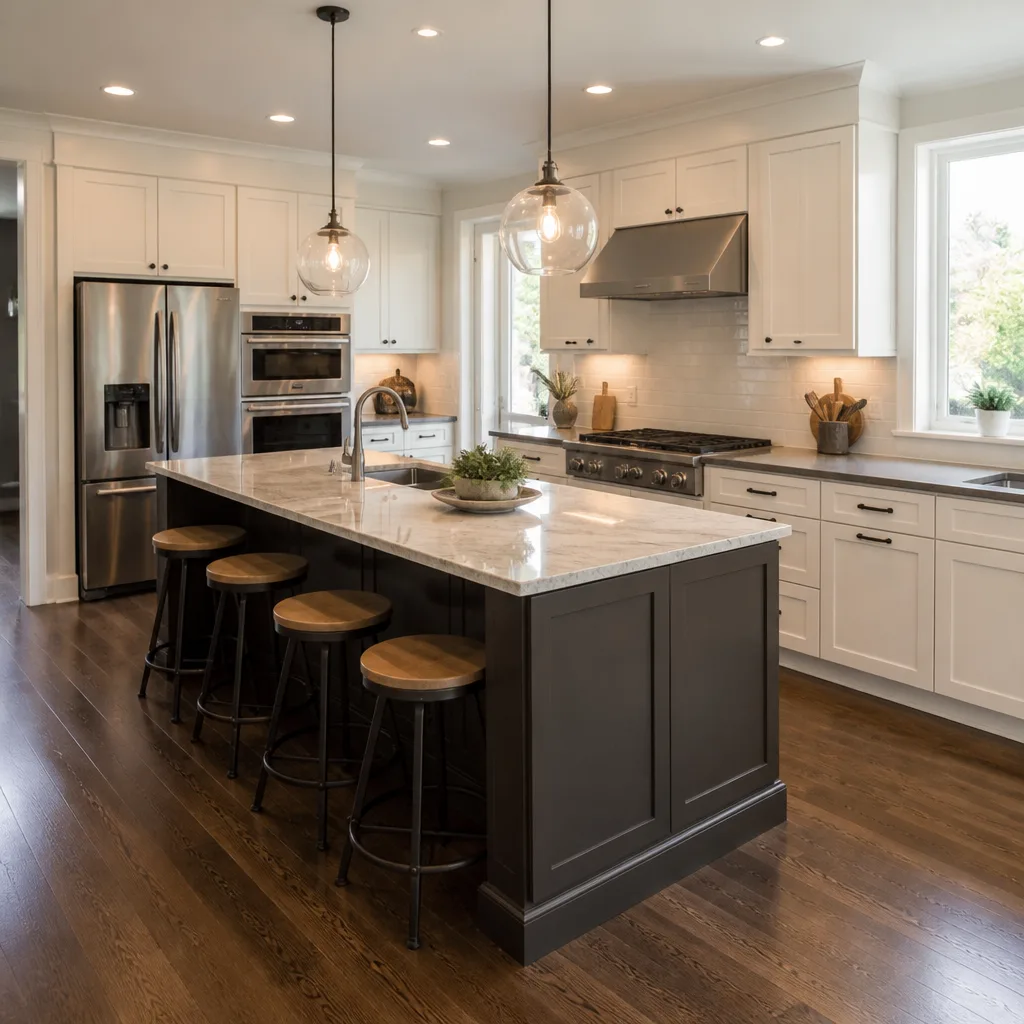
 Kitchen remodeling
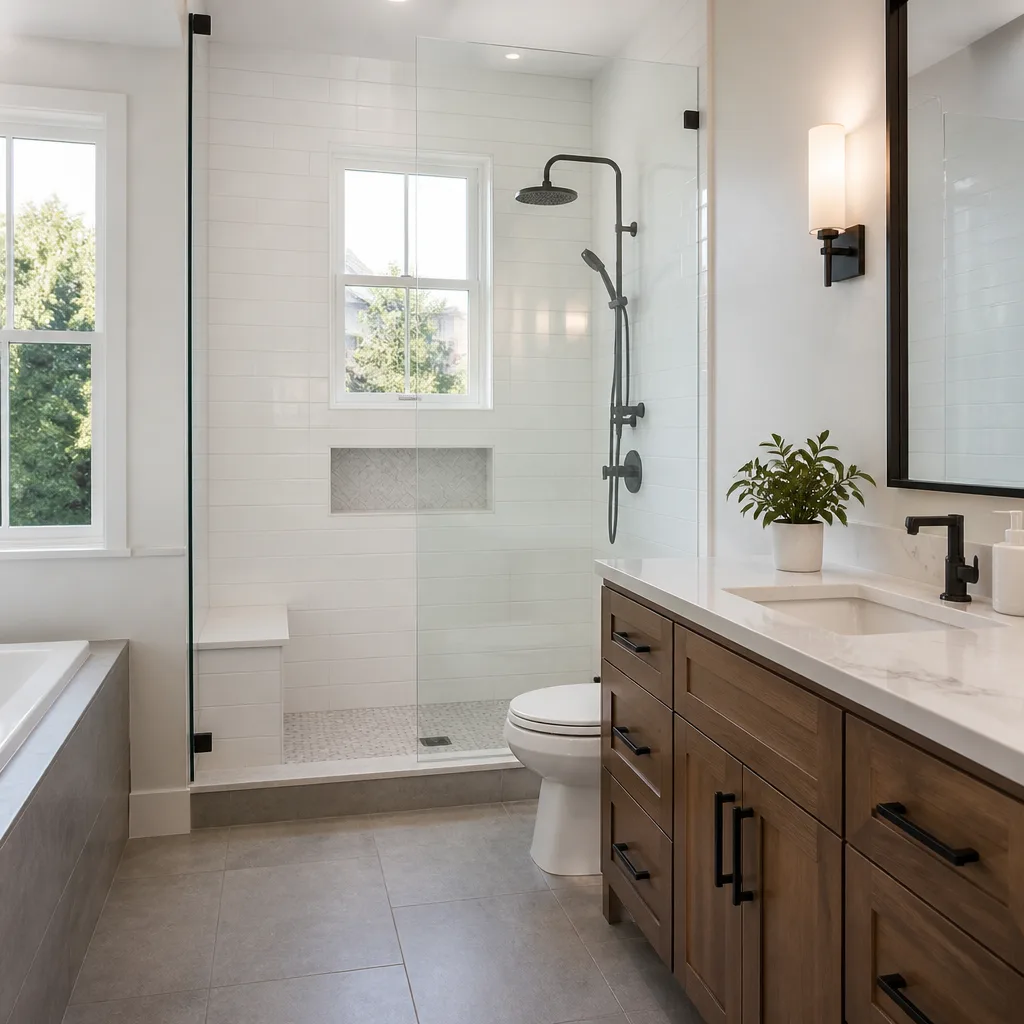 Bathroom remodeling
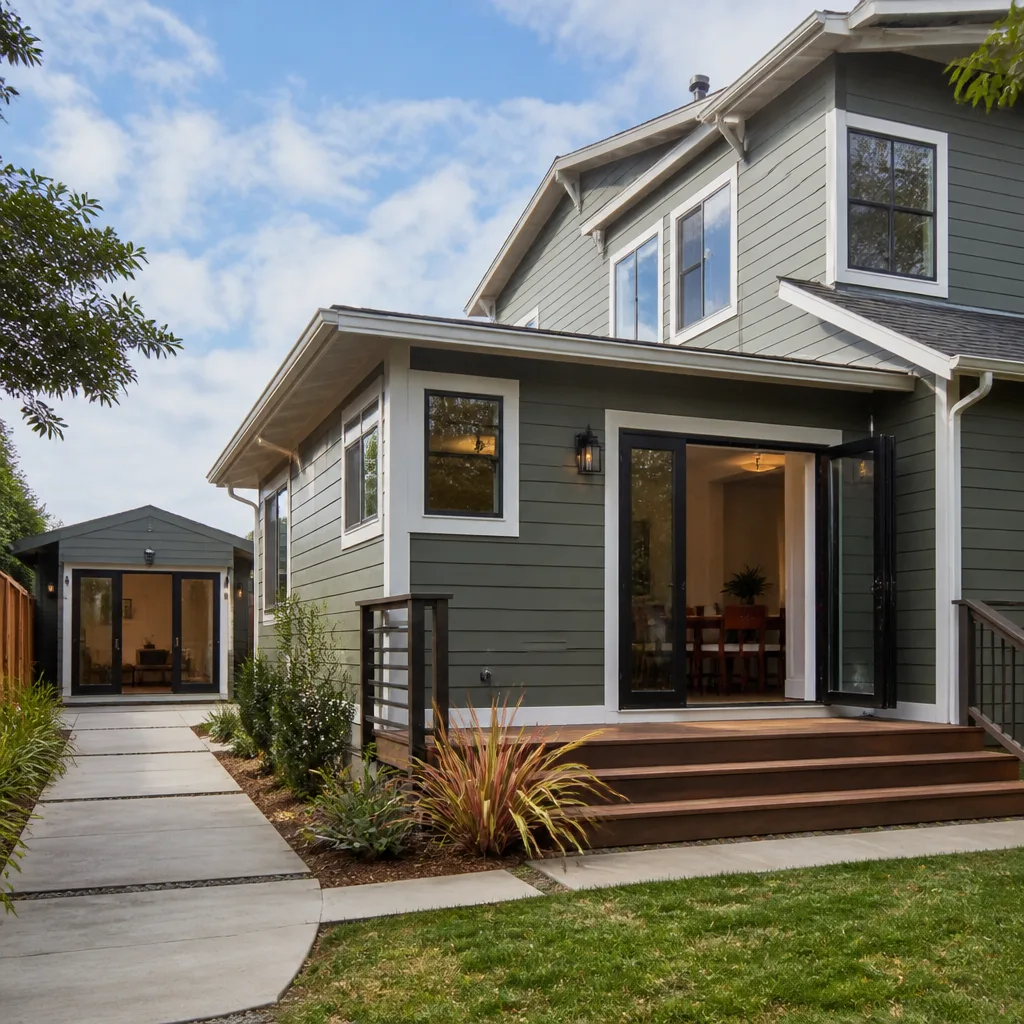 Home additions & ADU
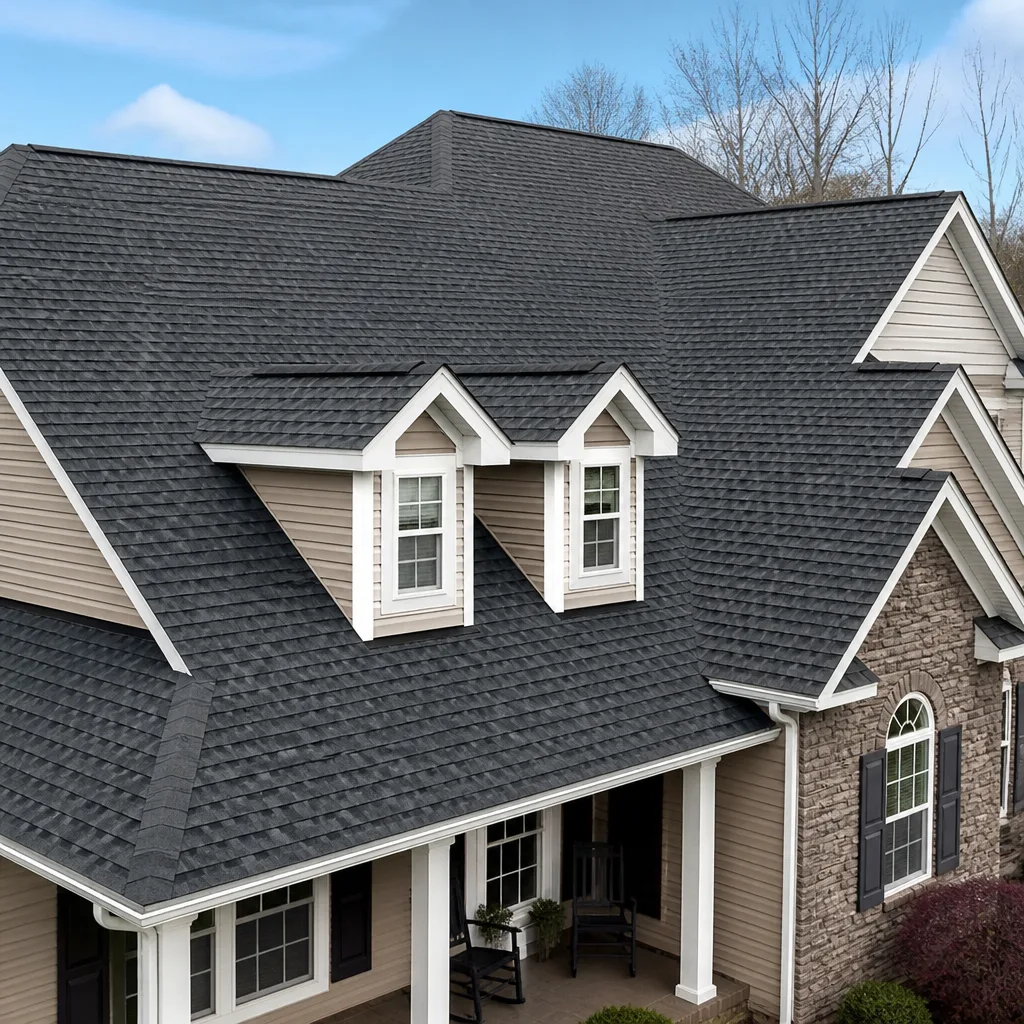 Roofing
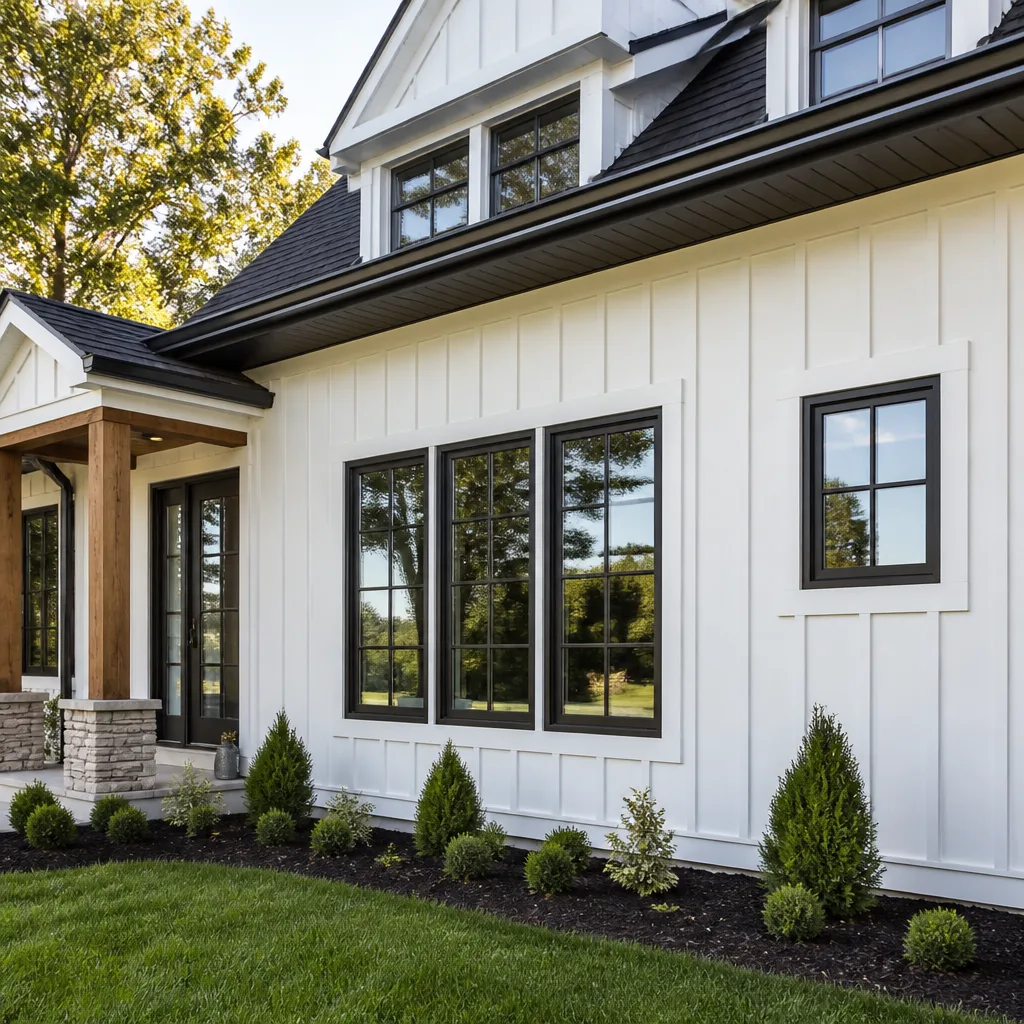 Windows & doors
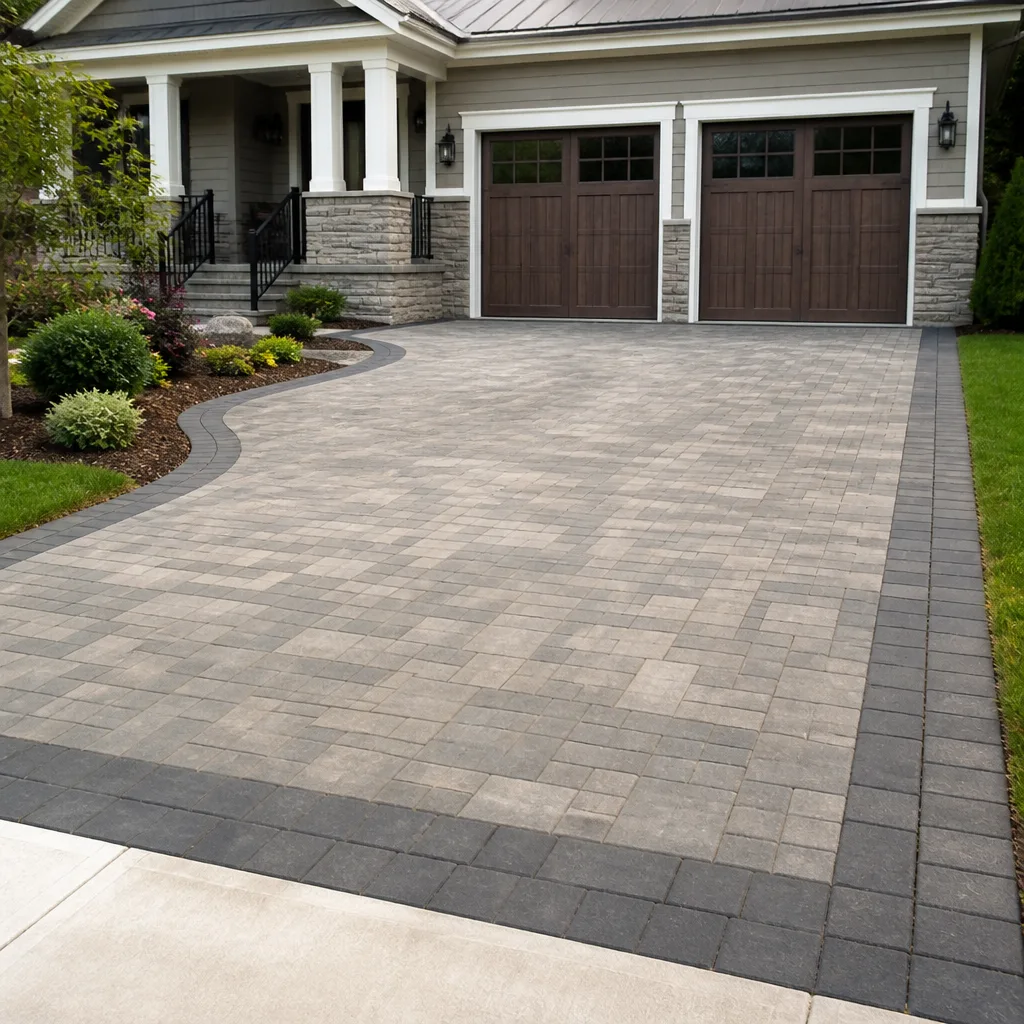 Driveway & pavers
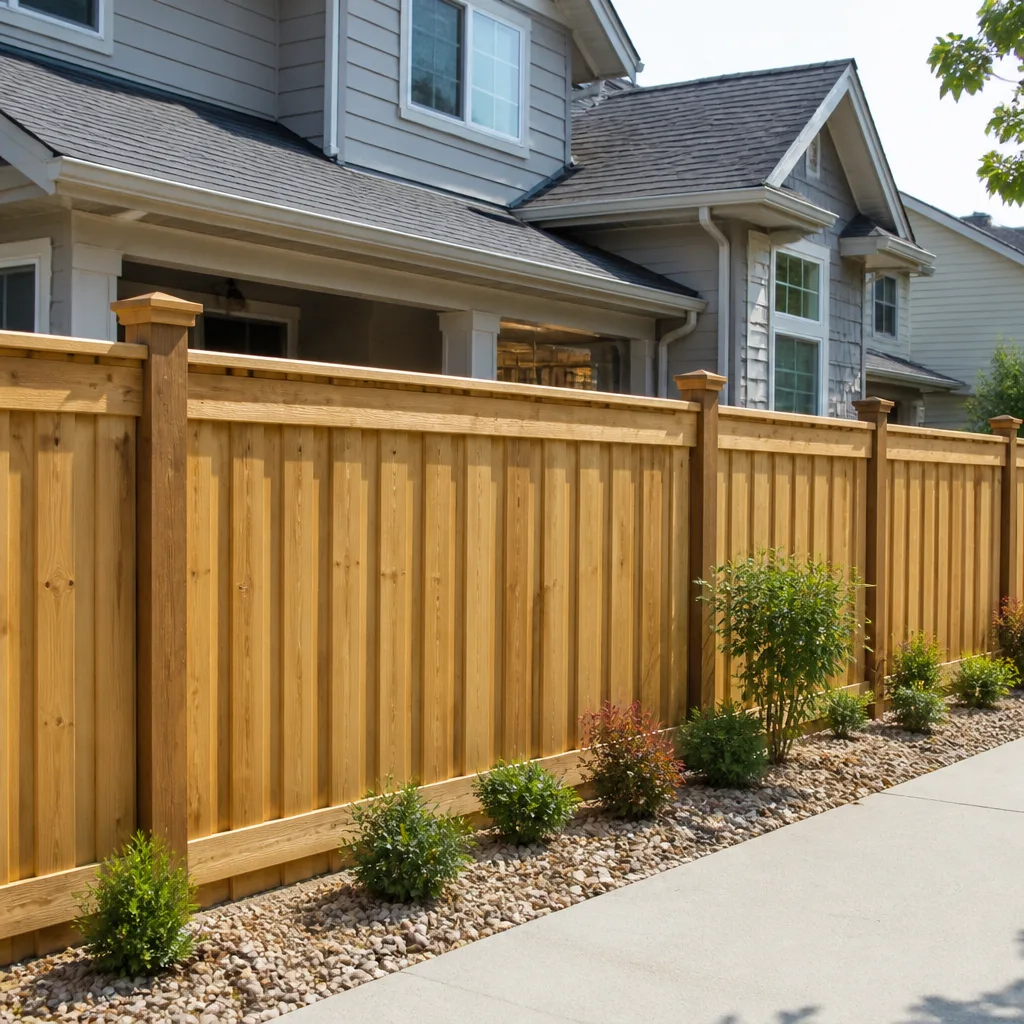 Fence
Free written scope consultation - allowances, timeline, and change-order rules on paper before a single trade is scheduled
Styles & brands we work with
- Kitchen remodeling
- Bathroom remodeling
- Home additions & ADU
- Roofing
- Windows & doors
- Driveway & pavers
- Fence
See the difference
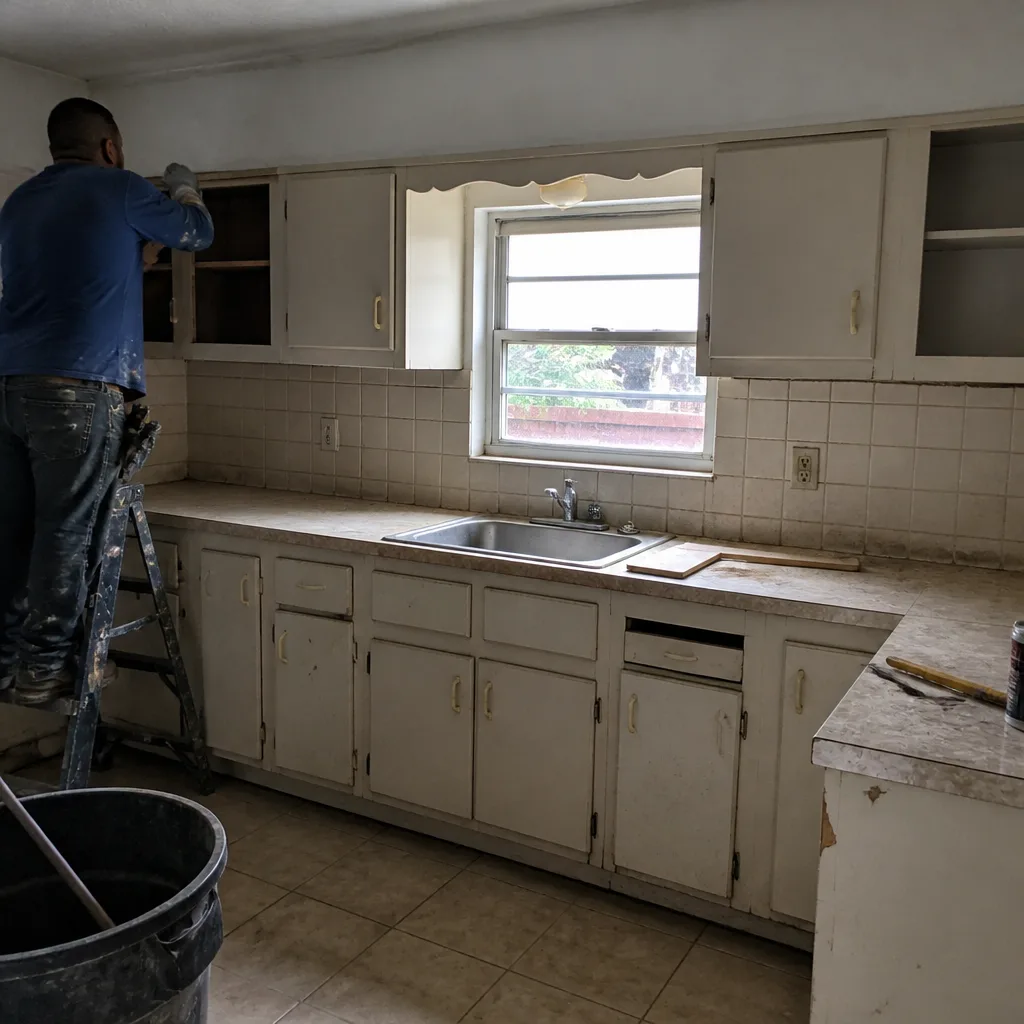 Before
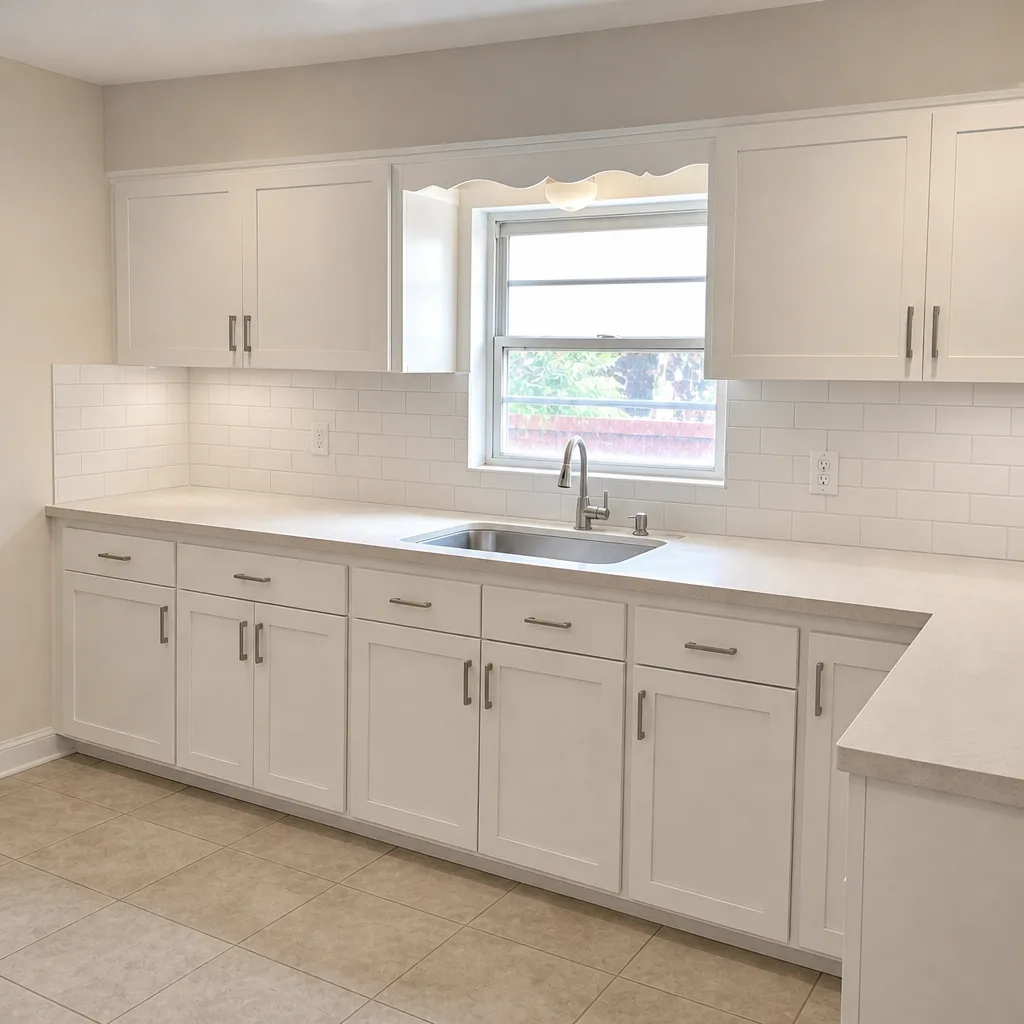 After
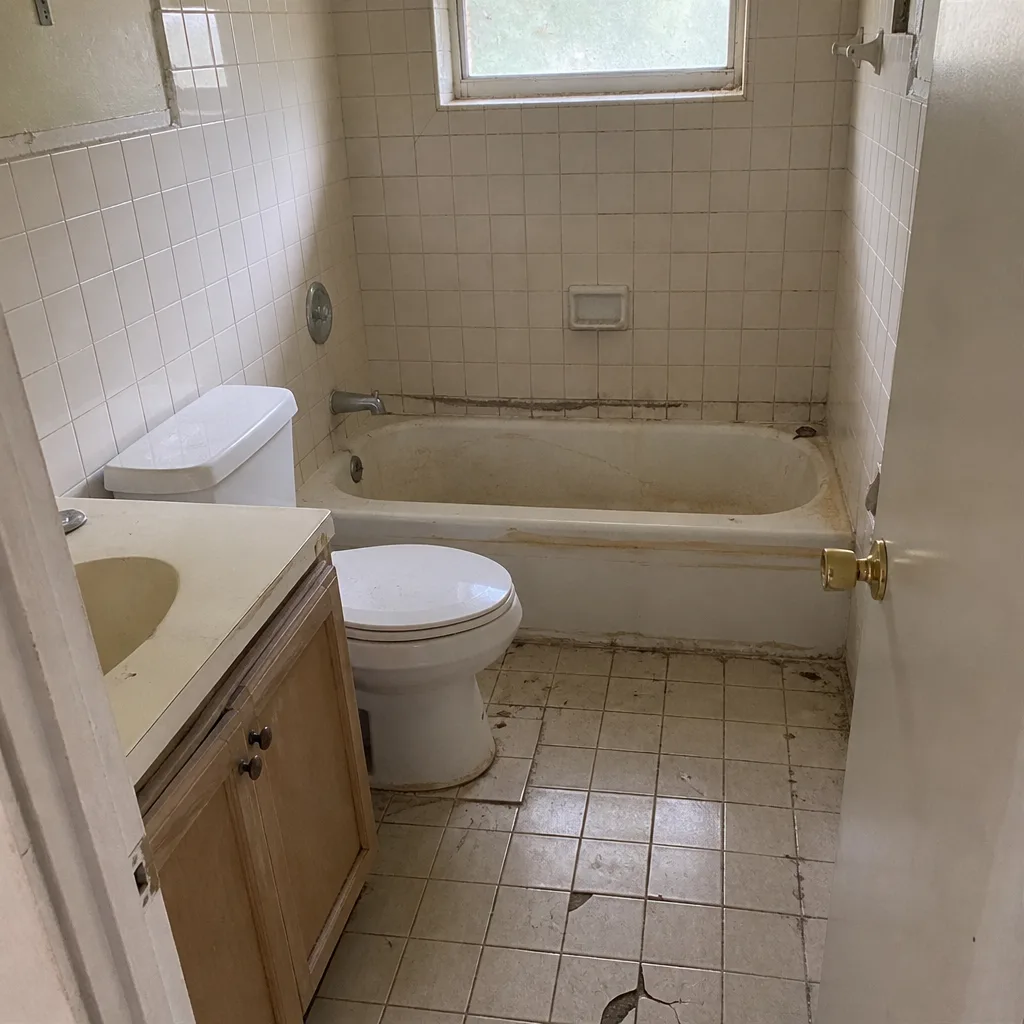 Before
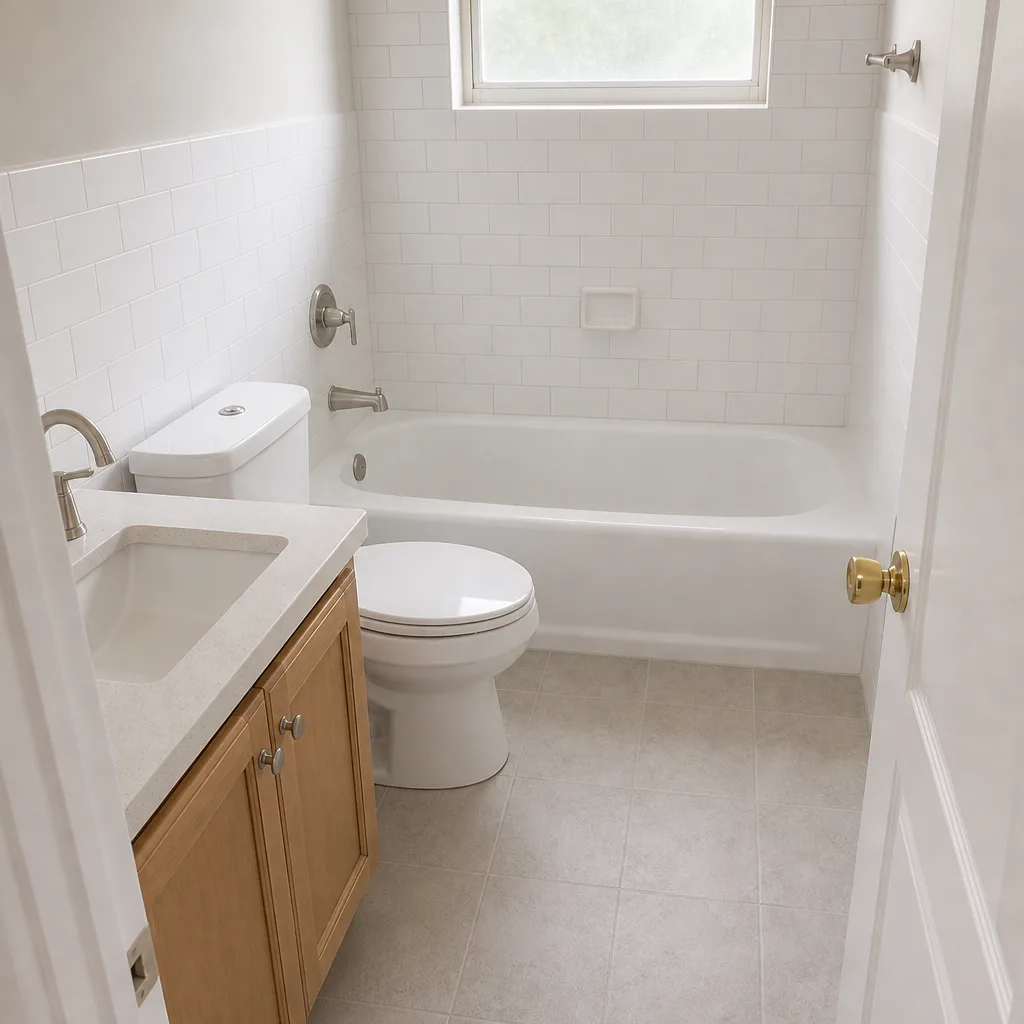 After
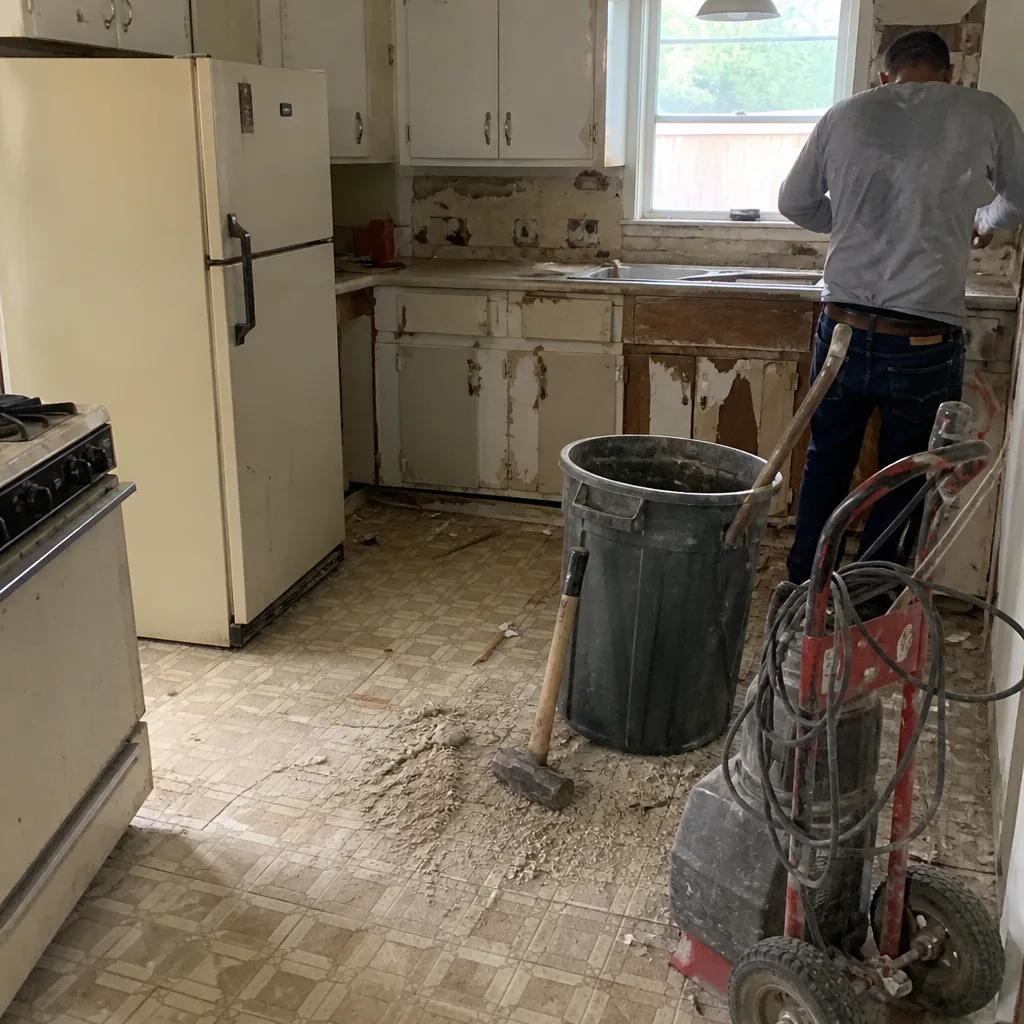 Before
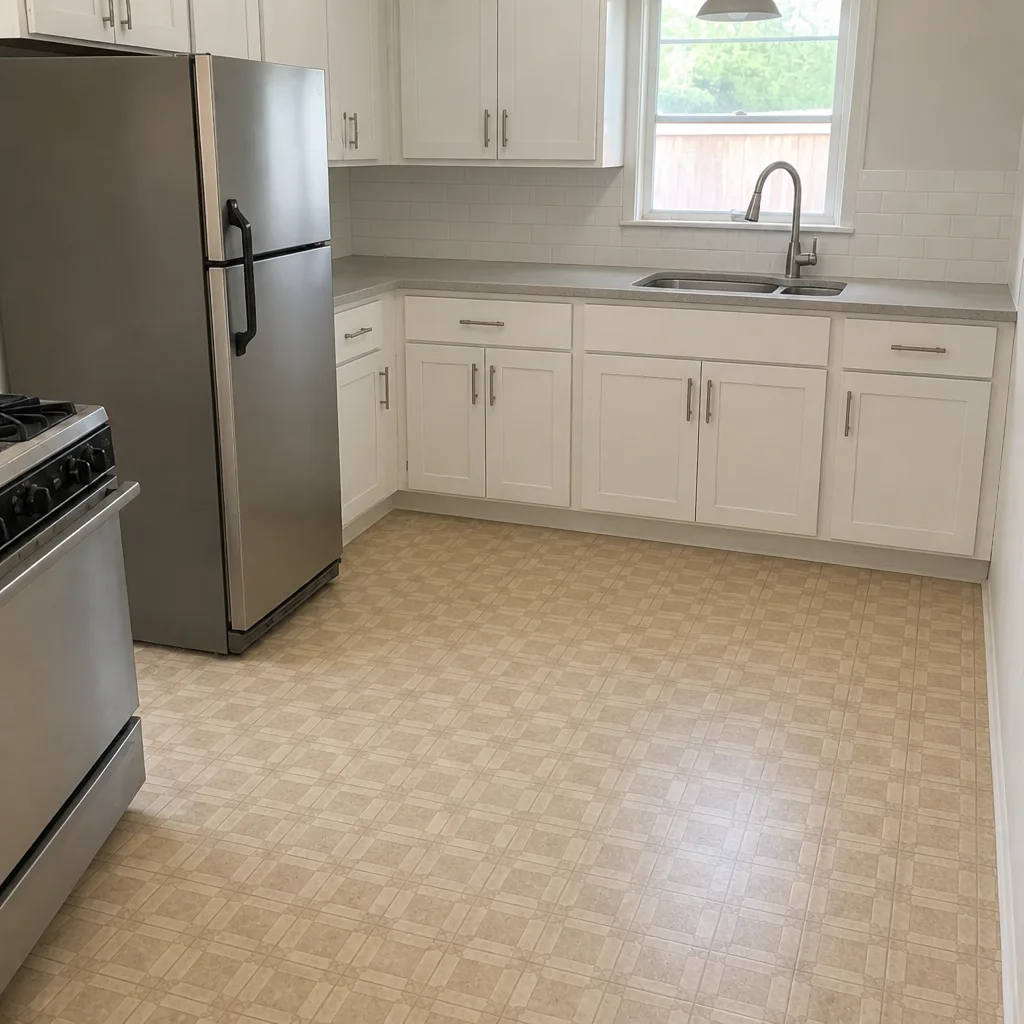 After
Construction Companies Near You in Miami: The Inspection Filter That Actually Matters
If you search “construction companies near me” in Miami, the right filter isn’t review count or how polished the website looks. It’s whether the company’s work passes Miami-Dade’s wind-mitigation and NOA inspections on the first visit. This county runs the only product-approval system of its kind in the country, and county inspectors are trained specifically on NOA compliance. A first-pass rate tells you more about a builder than any star rating. Groundwork Construction Co. of Miami builds to that standard, from foundation to finish line, and you can reach a live person at (833) 968-1198 any hour.
Why Miami-Dade Inspections Separate Real Builders From Pretenders
Every roof, impact window, and shutter on a Miami-Dade job has to carry a Miami-Dade Notice of Acceptance number, not just a Florida or national approval. That’s the High Velocity Hurricane Zone rule, and it’s the single biggest reason out-of-county crews stumble here. Inspectors look at roof-to-wall connections, secondary water barriers, impact glazing, and product documentation with a level of detail you won’t see in most of Florida. When a job fails inspection, the fix, the re-inspection fee, and the schedule slip all land on the homeowner. So when you’re vetting construction companies near you, ask two direct questions: who pulls the permits, and how often does your work pass the first time? Most companies don’t publish that number. A serious one can tell you.
The housing stock makes this harder. Miami runs on a dense mix of pre-1970s CBS homes, 1920s Mediterranean Revival and MiMo buildings, and post-2000 glass towers along Brickell and Biscayne. A lot of the older stock is unreinforced masonry with flat or low-slope roofs, so a re-roof or a kitchen gut often uncovers structural and wind-mitigation upgrades nobody budgeted for. Builders who work Miami’s actual housing every week see those coming. Builders running generic new-construction playbooks don’t, and that gap becomes a change order with your name on it.
What Older Miami Homes Hide Inside the Walls
Pre-2000 Miami homes regularly turn up aluminum branch wiring, cast-iron plumbing, and unreinforced masonry once you open things up. None of that is a dealbreaker, but it changes the scope once a wall comes down. On a bathroom or kitchen gut in a 1950s CBS house, the discovery of aluminum wiring means an electrician has to be scheduled before finish work, and cast-iron drains usually mean a plumbing swap before tile goes in. A construction partner who expects these finds and prices them upfront is a different animal from one who “discovers” them mid-project and hands you a revised number.
Add the subtropics. Salt-laden coastal air, year-round humidity, and a June-through-November hurricane season chew through roof underlayments, sealants, and exterior finishes faster than most national product guides assume. Termite pressure on wood framing is severe. Materials that perform fine in drier climates can fail here inside a decade. That’s part of why we build around a curated brand portfolio instead of whatever is in stock: home projects get GAF and Owens Corning roofing systems, Andersen and Marvin windows, and finish brands chosen for how they hold up in this climate, not just for price.
The 40-Year Recertification Wave and What It Means for You
Miami-Dade requires buildings at 40 years old (25 near the coast) to pass a structural and electrical safety recertification. The result is a predictable wave of concrete restoration, balcony and spall repair, and re-roofing work that rolls through neighborhoods by building age. If your building or the one next door just crossed that line, you’re likely looking at shared-wall and structural work, not a simple cosmetic refresh. Condos, attached townhomes, and zero-lot-line properties all sit in this bucket, where the impact of your project on the neighboring unit has to be managed carefully.
That’s a real distinction. A residential-only remodeler can handle your kitchen; a full-scope construction company is set up for attached and shared-structure work where the plan has to account for the unit next door. Groundwork’s technicians bring up to 12 years of experience, are background-checked, and show up in uniform on every job, but the real proof is in how the work holds up to county inspection and the 730-Day Done Right Promise that backs all of it.
What Construction Projects Cost in Miami
Miami’s change-order culture is the quiet killer of construction budgets. Large-scope projects here routinely finish 20-30% over the initial quote, and homeowners absorb the difference. We work on upfront pricing instead: the number you see is the number you pay, backed by 0% financing for 18 months and $1,000 off projects over $10,000. Here’s what the core scopes actually run in this market:
| Project | Typical Miami range |
|---|---|
| Kitchen remodel | $16,520-$53,100 |
| Bathroom remodel | $10,620-$33,040 |
| Roof replacement | $9,440-$23,600 |
| Impact window installation | $9,440-$29,500 |
| Paver driveway installation | $8,260-$21,240 |
| Home addition | $53,100-$153,400 |
| ADU construction | $106,200-$259,600 |
| Garage conversion | $35,400-$94,400 |
Smaller scopes land lower: a small kitchen remodel runs $10,620-$23,600, and a paver patio as little as $4,130-$12,980 depending on layout and base prep. The point isn’t just the number. It’s that you get it in writing before work starts, so a Miami inspection surprise doesn’t become your financial one. Call (833) 968-1198 for a free estimate and design consult before you sign anything.
One Accountable Partner, Vetted Materials, No Sub-Sourcing Roulette
When you hire a general contractor who sub-sources from whoever has inventory, you inherit every weak link in that chain. We don’t do that. Our seven service lines, kitchen remodeling, bathroom remodeling, roofing, windows and doors, fence installation, driveway and pavers, and home additions and ADUs, all draw from vetted brand partners in each trade. That means KraftMaid cabinetry, Cambria countertops, Kohler fixtures, and GAF and CertainTeed roofing under one accountable roof, with a Jerith or ActiveYards fence if you’re adding one. You choose quality instead of availability, and you have a single name to call if anything needs correcting.
- 730-Day Done Right Promise on every project. If it’s not done right, we make it right.
- Live person, 24/7 on the phone. No voicemail, no waiting until Monday.
- Upfront pricing, no surprises, plus 0% financing for 18 months and $1,000 off projects over $10,000.
- Background-checked, uniformed technicians with up to 12 years of experience.
If you’re narrowing the field, here’s a short checklist that separates the real operators from the rest:
- Ask how the company handles Miami-Dade NOA compliance and wind-mitigation tie-ins before you sign.
- Confirm who pulls the permits and who’s accountable for inspection passes.
- Ask how they plan around shared walls on attached or zero-lot-line properties.
- Get the price in writing, finance terms included, with no “estimates subject to discovery” language.
Our technicians do this work on Miami streets every week, on everything from a Biscayne Boulevard high-rise unit to a 1920s MiMo flat-roof house. That local footing is why the work passes inspection and holds up to the next hurricane season.
FAQs
Ask three things first: who pulls the permits, how often your work passes Miami-Dade’s NOA and wind-mitigation inspections on the first visit, and how you handle pre-2000 housing surprises like aluminum wiring or cast-iron plumbing. A company that can answer all three confidently is a lower-risk hire than one that deflects. Call (833) 968-1198 for answers on a free estimate.
Miami-Dade is the only place in the US with its own NOA product-approval system, so every roof, impact window, and shutter must carry a Miami-Dade NOA number, not just a Florida or national approval. Inspectors are trained on that compliance specifically, which is why non-compliant work gets rejected here more often. Groundwork builds to that standard on every project.
Change-order culture and mid-project surprises are the main reasons large Miami projects finish 20-30% over the initial quote. Pre-2000 housing with aluminum wiring, cast-iron drains, and unreinforced masonry is where a lot of that comes from. We work on upfront pricing and quote structural upgrades upfront, so the number you see is the number you pay. Financing at 0% for 18 months and $1,000 off projects over $10,000 help on larger scopes.
It depends on scope, but typical Miami ranges run $16,520-$53,100 for a kitchen remodel, $9,440-$23,600 for a roof replacement, and $9,440-$29,500 for impact windows. Larger projects like a home addition start around $53,100. Call (833) 968-1198 for a free estimate and design consult, and we’ll put a firm number in writing.
If you’ve been burned by vague bids or a crew that vanished mid-project, this is where that stops. We back every job with the 730-Day Done Right Promise, answer the phone live 24/7, and price it upfront with $1,000 off projects over $10,000 and 0% financing for 18 months. Call (833) 968-1198 for a free estimate and design consult on your Miami project today.
Written by the team at Groundwork Construction Co. of Miami, serving Miami, FL.
What Our Customers Say
"The schedule he gave me at the start was accurate to within four days on a three month job. Anyone who has done a renovation knows how unusual that is."
- Laura Bennett"He pulled the permits himself, scheduled every sub and ran the inspections. I made one decision a week and otherwise stayed out of it, which is exactly what I was paying for."
- Robert Sullivan"He told me one part of what I wanted was a bad idea structurally and offered an alternative instead of just taking the money."
- Angela Wong