
Last updated November 17, 2026
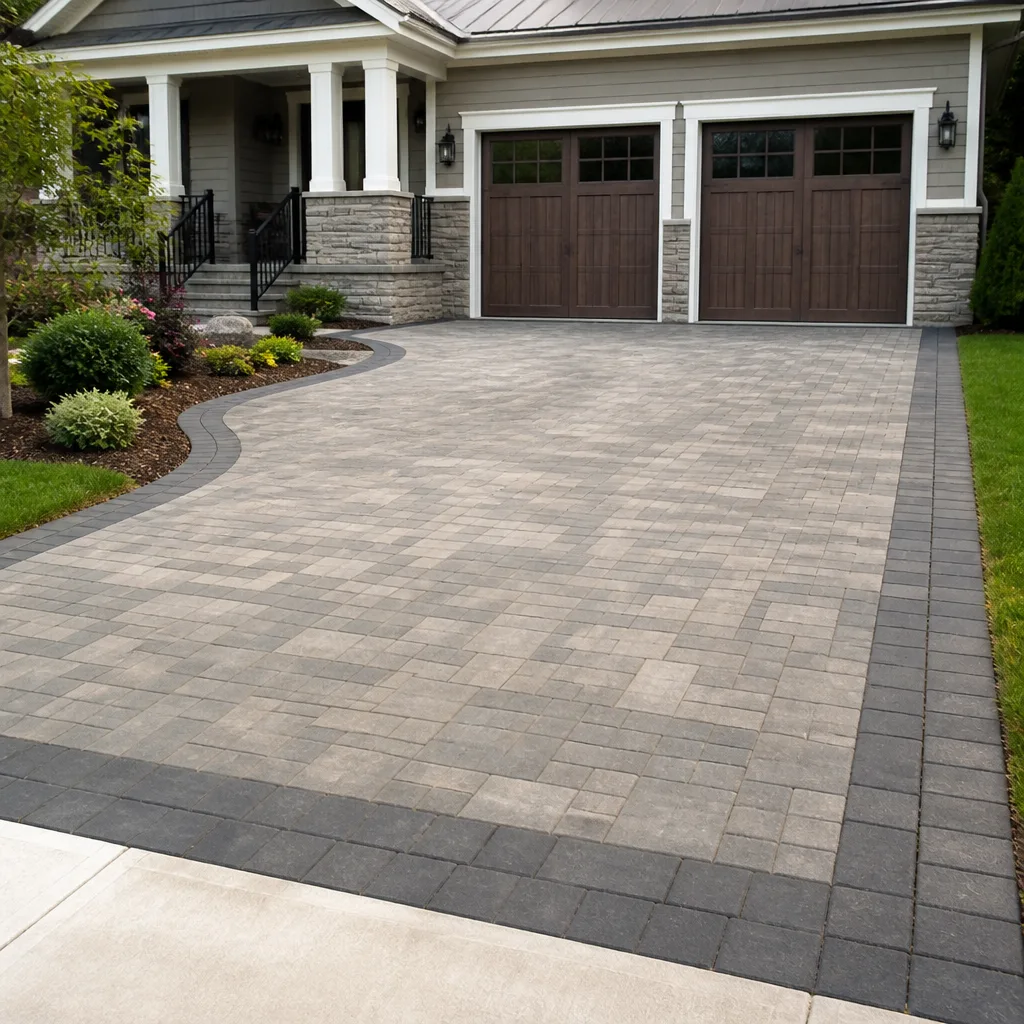 Driveway & pavers
 Kitchen remodeling
 Bathroom remodeling
 Home additions & ADU
 Roofing
 Windows & doors
 Fence
Free written scope consultation - allowances, timeline, and change-order rules on paper before a single trade is scheduled
The Complete Driveway & Pavers Guide for Miami Homeowners
Most driveway paver guides are written for climates where the ground freezes. Miami’s ground doesn’t freeze – it floods, shifts, and bakes at 95°F. That single difference breaks half the advice you’ll find online. An installer following a Minnesota spec sheet in Kendall will give you a base that pumps and settles within two rainy seasons. This guide covers what actually holds up here: how Miami’s marl and sandy soils change base compaction, which pavers survive South Florida UV and salt air, what Miami-Dade County requires before you break ground, how to slope for stormwater, and real 2024 cost ranges for Miami labor and materials.
Quick Answer
A driveway paver project in Miami typically runs $18 to $32 per square foot installed, or roughly $9,000 to $19,000 for a standard two-car driveway, depending on base conditions and paver selection. The three decisions that matter most are correct base compaction for Miami’s expansive soils, a paver material rated for intense UV and salt exposure, and drainage engineered to Miami-Dade stormwater rules. Get those three right and the surface lasts decades; skip any of them and you’ll be repairing within three years.
Styles & brands we work with
- Kitchen remodeling
- Bathroom remodeling
- Home additions & ADU
- Roofing
- Windows & doors
- Driveway & pavers
- Fence
Table of Contents
- Why Miami Driveways Follow Different Rules
- Miami’s Soil and Base Compaction Requirements
- Which Paver Materials Survive South Florida
- Miami-Dade Permitting: When You Need a Licensed Contractor
- Drainage Slope and Stormwater Compliance
- Real 2024 Driveway Paver Costs in Miami
- What a Proper Miami Paver Installation Looks Like
- Keeping Pavers Alive Through Hurricane Season
Why Miami Driveways Follow Different Rules
Three forces shape every paver driveway in Miami, and none of them show up in a generic national guide.
The first is water. Miami gets roughly 60 inches of rain a year, most of it between June and November, and much of the city sits at or barely above sea level. A driveway that sheds water poorly doesn’t just puddle – it holds standing water for days after a storm, which works its way into joints, softens base material, and speeds up settlement. In low-lying neighborhoods like The Roads and parts of Little Havana, we’ve seen driveways with no positive slope turn into shallow ponds after a single tropical system.
The second is heat and sun. Miami’s UV index runs high most of the year, and pavers that look fine in a showroom can chalk, fade, or develop surface crazing fast when they sit in full afternoon sun. Dark pavers absorb more heat and can reach surface temperatures that make bare feet genuinely painful in July.
The third is the ground itself. Much of Miami-Dade sits on limestone bedrock close to the surface, topped with layers of marl, sand, and fill that behave very differently under load than the compacted clay or gravel many national guides assume. You can’t just dig down, dump a foot of base, and compact on autopilot. The base has to be built for what’s actually under your driveway.
That’s the context behind every recommendation below, and it’s the same lens we bring to any hardscape work in Miami.
Miami’s Soil and Base Compaction Requirements
Base prep is where most Miami paver driveways fail, and it’s the part homeowners never see once the job is done. A national guide will tell you to lay 4 to 6 inches of compacted base at 95% density. In Miami, that number is a starting point, not a spec you can apply blindly.
Marl, the crumbly limestone-and-clay mix common across much of Miami-Dade, is the main culprit. It’s expansive and moisture-sensitive: it swells when wet and shrinks when it dries, and it can pump under repeated vehicle loads if it isn’t removed or properly capped with structural fill. Sandy fill settles more evenly but washes out at edges without containment. Limestone rock near the surface means excavation is harder and costs more, but it also gives you a stable foundation once you’re on it.
What a correct base build looks like in Miami:
- Assess before you dig. A contractor should identify what’s under the driveway – marl, sand, fill, or rock – before quoting a base depth. Assuming uniform soil across a whole property is how bids go sideways.
- Excavate to structural material. In marl areas, that often means removing the top layer and replacing it with clean, graded fill rather than trying to compact the native soil in place.
- Compact in lifts. Base goes down in 2- to 3-inch layers, each compacted with a plate or roller, not dumped as one thick slab and hit once. Density testing is the only way to know it’s right.
- Contain the edges. Edge restraint that’s properly pinned keeps the base from spreading under Miami’s rain and traffic loads.
- Build a drainage path into the base. Base design and surface slope work together; the base is where a lot of the water needs to move.
If a bid quotes a flat base depth without asking about your soil, that’s a red flag. The right compaction specification in Miami is site-specific.
Which Paver Materials Survive South Florida
Not every paver that survives a Midwest winter survives a Miami summer. Freeze-thaw resistance is what northern guides obsess over. Here, the enemies are UV, salt air, heat, and standing water – and they grade pavers differently.
Here’s how the main material families actually perform in South Florida:
- Clay brick pavers. Excellent color retention because the color runs through the full thickness rather than sitting on the surface. They handle UV well and won’t chalk the way some colored concrete does. They run hot underfoot in direct sun, and cost more than most concrete options.
- Concrete pavers (interlocking, high-quality). A broad category, and quality varies enormously. Premium lines with through-color pigmentation and proper density hold up for decades; cheap, surface-colored concrete can fade and chalk within three years in Miami sun. This is the single biggest “looks the same on the pallet, fails fast” trap.
- Travertine and natural stone. Popular in Miami for a reason – travertine stays noticeably cooler than concrete or brick underfoot and has a coastal look that fits South Florida. It needs correct sealing and slip-tested finishes on sloped driveways, and salt air means selecting the right variety.
- Permeable pavers. Worth serious consideration in Miami given the rainfall volume. They let water drain through joints and base rather than running off, which helps with stormwater compliance, but the base engineering is more demanding and not every contractor installs them correctly.
Materials that common sense says to avoid: thin veneer-style products with surface-only color, very light-colored concrete with no UV-stable pigment, and any paver sold purely on price with no density or absorption spec. When we specify material through a premium paver line like Belgard, it’s because the manufacturing spec holds up to what Miami throws at a driveway.
The practical test: ask any contractor what the paver’s water absorption and freeze-thaw ratings are, then ask how that material has performed in Miami specifically. If they can’t answer the second question, keep looking.
Miami-Dade Permitting: When You Need a Licensed Contractor
This is the section that saves homeowners from the worst outcomes, so read it carefully. Miami-Dade County regulates driveway and hardscape work, and the permit rules depend on what you’re changing.
Simple replacement – pulling up old pavers and installing new ones on the same footprint and grade, with no change to drainage or the right-of-way – is often the least regulated project. But that’s not a blanket exemption, and the county’s rules have thresholds. The moment a project changes the driveway’s footprint, alters how water drains, touches a swale or the county right-of-way, or connects to a swale setback, you’re likely in permit territory.
Where homeowners get burned:
- They hire an unlicensed crew to save money. In Florida, contractor licensing is regulated at the state and county level. An unlicensed contractor can’t legally pull permits, which means the county can’t inspect the work – and if it fails later, you have no recourse.
- The work encroaches on the right-of-way without an approved plan. Changing how a driveway meets the street or a swale can trigger county review.
- No permit, no inspection. Unpermitted hardscape can complicate a future home sale, an insurance claim, or a storm-damage dispute.
The safe rule for Miami-Dade homeowners: if the project changes the driveway’s footprint, grade, or drainage, or touches the right-of-way, verify the contractor’s license and confirm who is pulling the permit before any work starts. A legitimate contractor will expect the question and answer it without flinching. When work needs to be permitted and inspected, a contractor who handles that paperwork for you removes a whole category of risk. If you’re pairing a new driveway with other exterior work, the same license-and-permit logic applies to Fence Installation in Miami.
Drainage Slope and Stormwater Compliance
Miami has stormwater ordinances for a reason: with 60 inches of annual rain and a lot of low-lying ground, water that doesn’t drain off a property ends up somewhere it shouldn’t – a neighbor’s lot, a swale, or the street. A driveway that sheds correctly is both compliant and better to live with.
What correct drainage looks like:
- Positive slope away from the home. The driveway should slope gently toward the street, a swale, or a designed drainage point, never toward the house or a garage slab. Standing water against a garage door is one of the fastest ways to damage it.
- The right gradient. There’s a minimum slope that moves water and a maximum that stays comfortable to walk and drive on; the sweet spot is site-specific and depends on your lot.
- Managed runoff, not “somewhere else.” The goal is to keep stormwater on-site or route it to the correct drainage path, which is what the county cares about and what protects your neighbors’ yards.
- Permeable options where they fit. Permeable pavers and engineered drainage can help a lot in flood-prone neighborhoods, but they require a properly engineered base to function.
- Swale respect. Don’t fill or block a drainage swale to gain driveway space. Miami-Dade cares, and so will your neighbors after the first big storm.
Ask any contractor how they’ll manage the water on your specific lot before they quote. A plan that doesn’t mention slope, runoff destination, or drainage is a plan for a puddle. This is the kind of detail that separates a driveway built from foundation to finish line from one that’s just spread and tamped.
Real 2024 Driveway Paver Costs in Miami
National cost guides consistently underestimate Miami pricing by 20 to 30 percent, mostly because they ignore our soil conditions, hurricane-related scheduling and material factors, and the base work our soil demands. Here are realistic 2024 ranges for Miami, not national averages.
| Work item | Typical Miami range (2024) |
|---|---|
| Paver installation, standard concrete pavers | $18-$24 per sq ft installed |
| Paver installation, premium interlocking or permeable | $24-$32 per sq ft installed |
| Clay brick or premium natural stone | $28-$40+ per sq ft installed |
| Base excavation and structural fill (marl removal) | $3-$8 per sq ft (site-dependent) |
| Drainage grading and swale work | $800-$3,500 |
| Full two-car driveway, standard concrete pavers | $9,000-$19,000 |
| Full two-car driveway, premium materials | $15,000-$30,000+ |
| Removal and disposal of old driveway | $1,500-$4,000 |
Two things drive the swing across that range: what’s under your driveway and what you put on top. A lot on stable fill with easy access may land near the low end; a marl-heavy lot requiring excavation, structural fill, and engineered drainage climbs toward the top. Premium materials add on top of that.
Get line-item quotes so you’re comparing the same scope, not a lump sum against a lump sum. Upfront pricing, no surprises, is what you want in writing: base depth, material spec, drainage plan, permit responsibility, and warranty all spelled out. And budget for what a quality job actually costs rather than the cheapest bid, because a driveway that fails in two years costs more than doing it right once.
What a Proper Miami Paver Installation Looks Like
Here’s the sequence a qualified Miami contractor should follow. It’s worth knowing so you can judge any bid against it.
- Site assessment and soil check. Identify what’s under the driveway (marl, sand, fill, rock) and plan base depth and drainage accordingly.
- Permit verification. Confirm whether the work needs a Miami-Dade permit and who is pulling it before anything gets demolished.
- Excavation to structural material. Remove the old surface and unstable soil; excavate to a firm base.
- Structural fill and compacted base in lifts. Clean, graded fill placed and compacted in layers, with edges contained.
- Drainage rough-in. Grade base and set slope so water heads to the intended drainage point, with any underdrain or permeable components installed.
- Edge restraint and bedding layer. Set restraints to stop the base and pavers spreading, then a screeded bedding sand.
- Paver laying and cutting. Interlocking pattern, clean cuts at edges and around obstacles.
- Joint sand and compaction. Sweep in joint sand and compact to lock the field.
- Final grading check and cleanup. Confirm slope and drainage, clear debris, and walk you through the finished job.
If a contractor skips steps 1, 2, or 4, the job is built on assumptions. Every job we take carries our 730-Day Done Right Promise – if it’s not done right, we make it right – because that’s the only way a driveway should be sold.
Keeping Pavers Alive Through Hurricane Season
A well-built driveway needs little maintenance. A few habits keep it that way through Miami’s storm season.
- Replenish joint sand. Rain and wind scour joint sand over time; topping it up keeps pavers locked and stops them shifting. Check after every significant storm.
- Clear drains and drainage points. Debris after a storm blocks the path water needs. A clogged swale or drain defeats good grading.
- Watch for settling and puddles. New puddles that weren’t there before usually signal a base or drainage issue worth investigating early.
- Seal only when appropriate. Sealing isn’t always right for every material, especially in high-heat climates; talk to your contractor about whether and when yours should be sealed.
- Address cracks and efflorescence promptly. Small surface issues in Miami’s humidity can grow; catching them early is cheaper than repairing later.
We see the same pattern in Miami over and over: driveways built with national base specs and cheap surface-colored pavers fail within a few rainy seasons, while correctly specified jobs keep going for decades.
Common Mistakes to Avoid
- Using a national base depth without checking the soil. Marl and sand don’t compact like northern soils; assuming a generic depth leads to settlement and pumping. Get the soil assessed first.
- Buying pavers on price alone. Surface-colored concrete pavers can chalk and fade within three years in Miami sun. Verify density, absorption, and through-color specs, not just appearance.
- Skipping the permit question. If the work changes footprint, grade, or drainage, or touches the right-of-way, confirm licensing and permitting before you start.
- Ignoring drainage entirely. A driveway that puddles isn’t just ugly – it violates stormwater expectations and damages the base. Insist on a slope and runoff plan.
- Not containing edges. Without proper edge restraint, Miami’s rain and vehicle loads spread the base and loosen the surface.
- Comparing lump-sum bids without a scope. A cheap bid with no base, drainage, or permit detail isn’t comparable. Ask for line-item quotes so you can see exactly what’s included.
See the difference
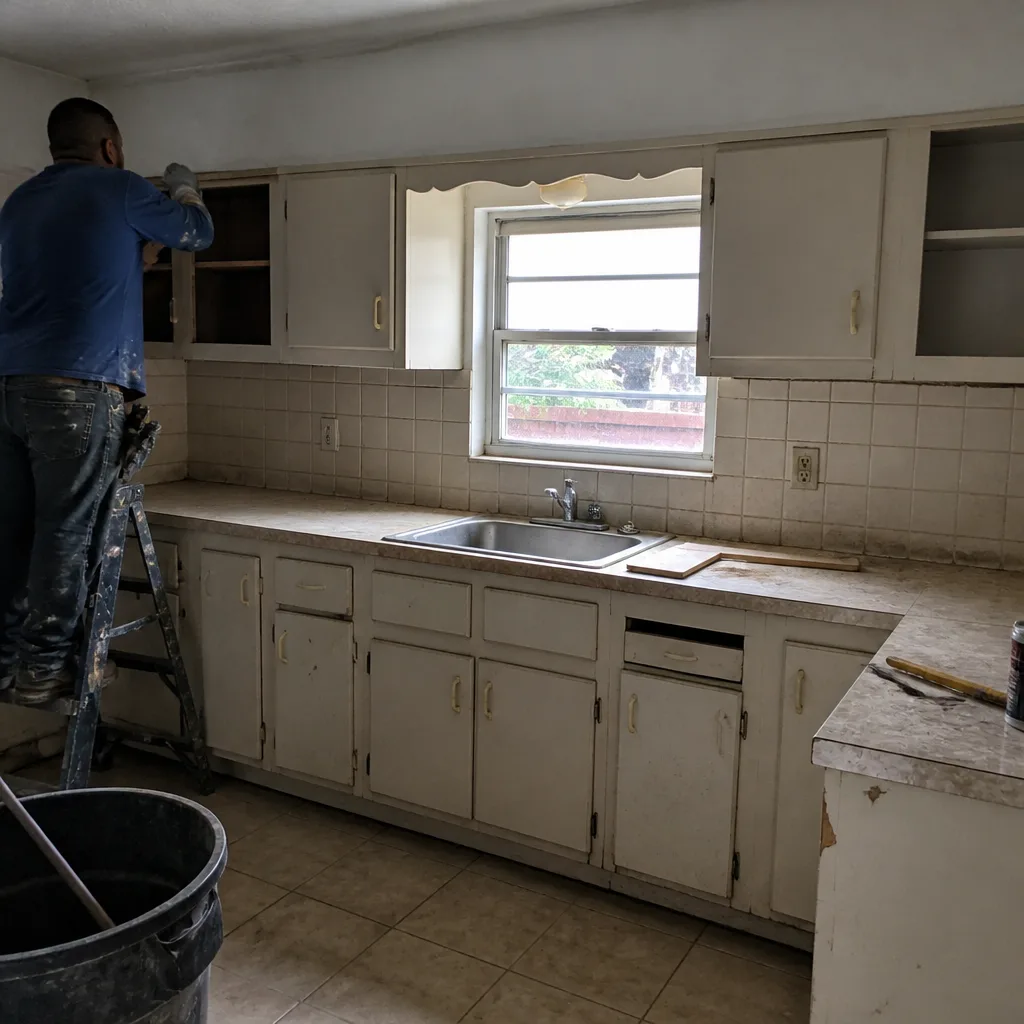 Before
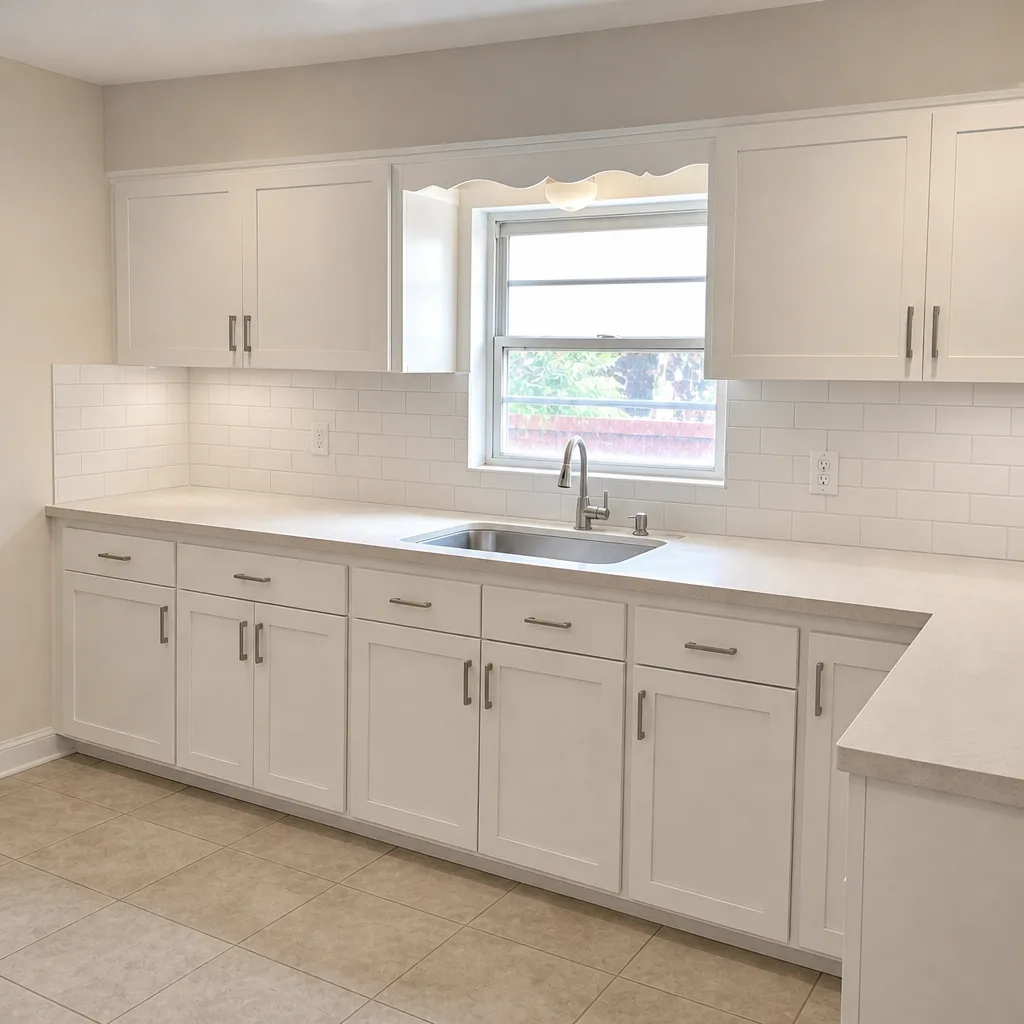 After
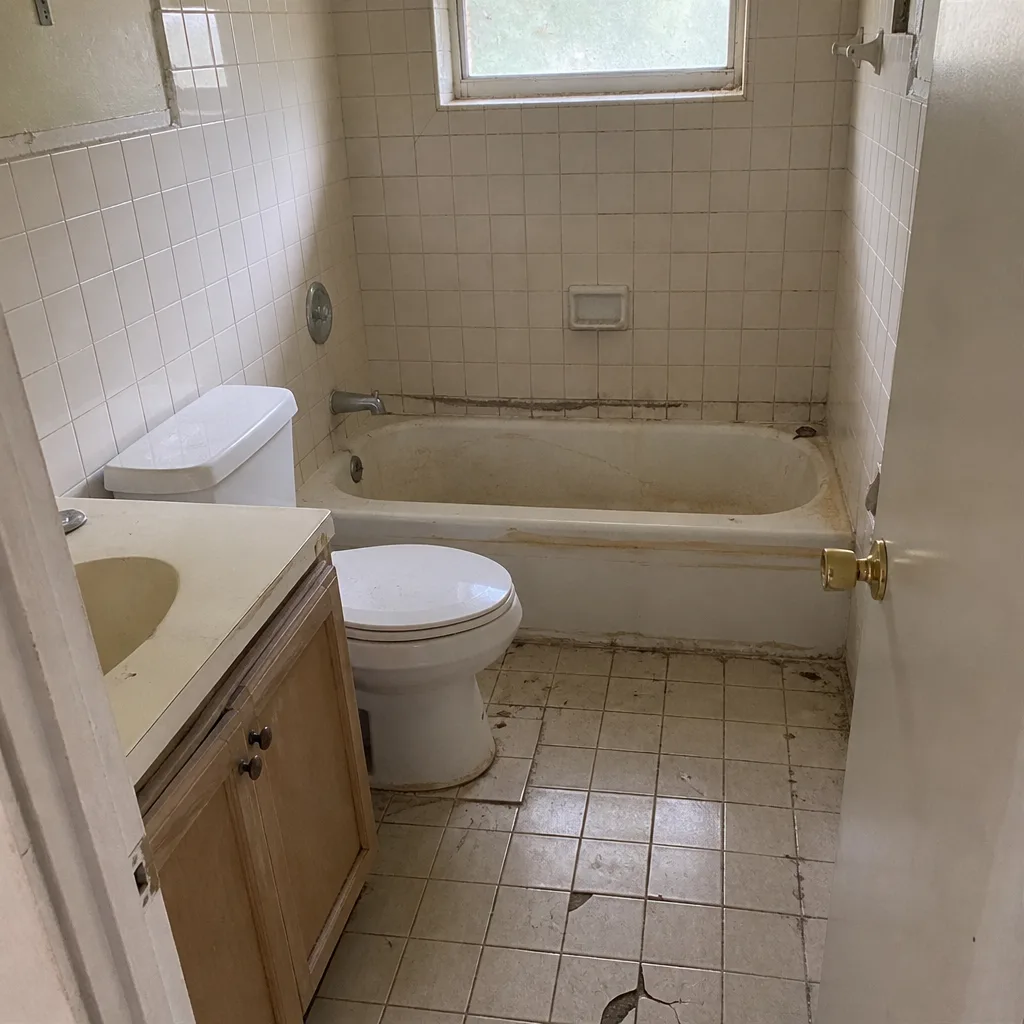 Before
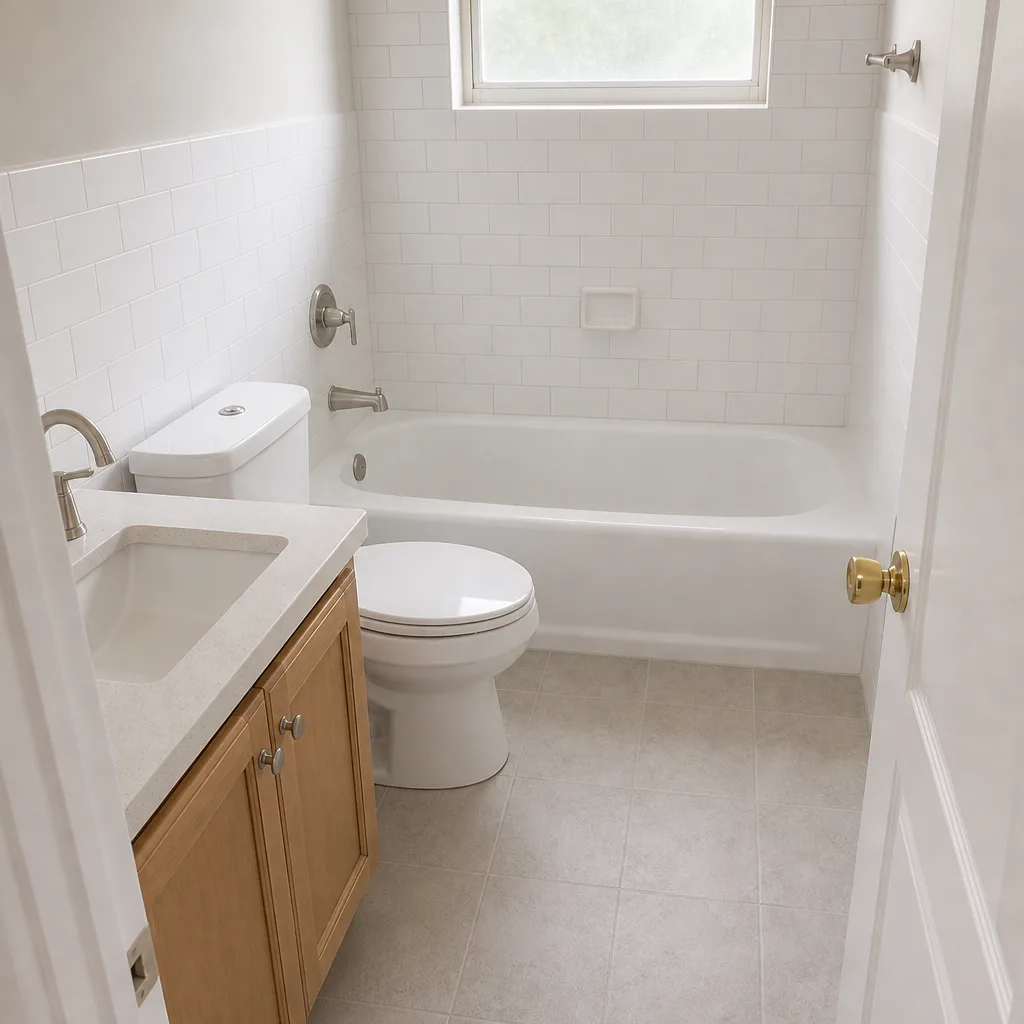 After
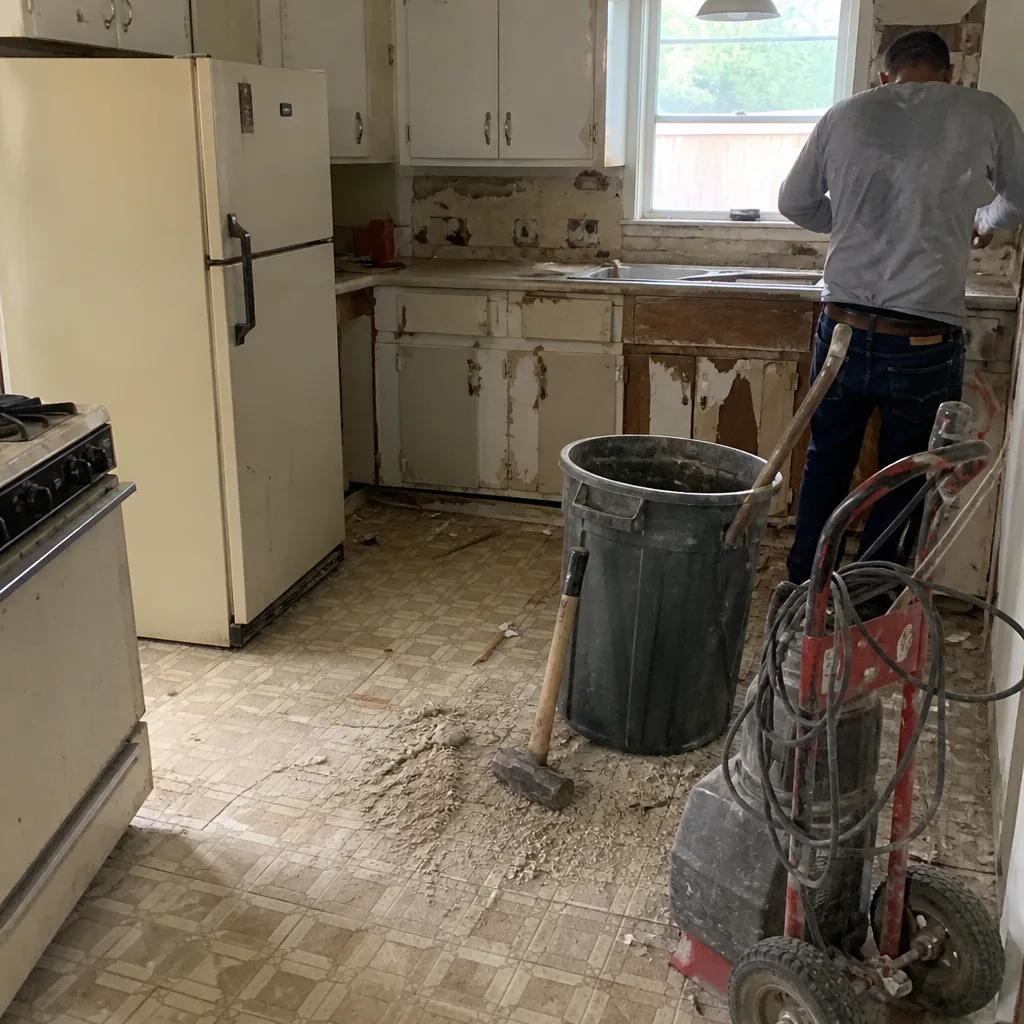 Before
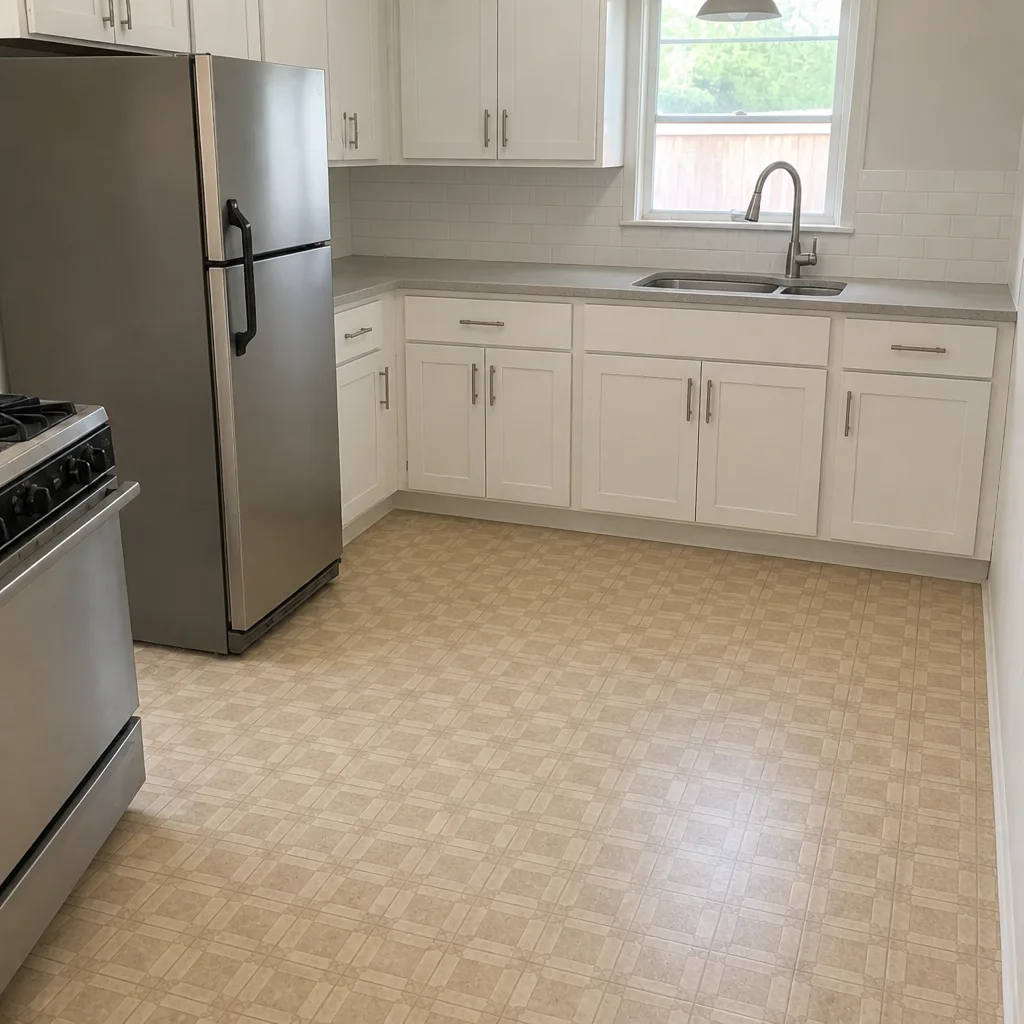 After
When to Call a Professional
Call a professional when the project changes the driveway’s footprint, grade, or drainage; when you don’t know what’s under the existing surface; or when the work touches the right-of-way or a swale. Call when you want a material chosen for Miami UV and salt performance rather than what a box store had in stock, and when you need the permit handled correctly. Call when the existing driveway is settling, pooling, or shedding pavers – those are signs of a base problem that gets worse. Groundwork Construction Co. of Miami offers free estimates in Miami – call (833) 968-1198. Our technicians have up to 12 years of experience, arrive in uniform, and are background-checked on every project.
Frequently Asked Questions
Expect roughly $18 to $32 per square foot installed for most pavers, or about $9,000 to $19,000 for a standard two-car driveway using quality concrete pavers. Premium clay, natural stone, or materials requiring extra base work push the price higher. Call (833) 968-1198 for a free, line-item estimate on your exact driveway – no surprises.
It shouldn’t, if your contractor assessed the soil and drainage before quoting. The real risk in Miami is hidden base problems – marl that needs removal, drainage that needs reworking – so insist on a line-item quote built from a site assessment. We price upfront and stick to it, and our 730-Day Done Right Promise backs the workmanship.
Often, yes – especially if the project changes the driveway’s footprint, alters drainage, or touches the right-of-way. Simple same-footprint replacement is less regulated, but the rules have thresholds. Verify your contractor’s license and confirm who pulls the permit before work starts. Call (833) 968-1198 if you’re unsure what your project needs.
Clay brick and high-quality through-color concrete pavers hold their color best, while travertine stays cooler underfoot and suits coastal Miami properties. Cheap surface-colored concrete is the one to avoid – it can chalk and fade within three years. Ask for density, absorption, and local performance specs, not just appearance.
Most residential driveways run several days to about two weeks depending on size, base conditions, and weather. Marl-heavy lots and engineered drainage add time. Ask for a schedule in your written quote, and expect storms to affect timing during hurricane season.
Almost always base and drainage. Marl that wasn’t removed, base compacted in one thick lift instead of layers, or no positive slope all cause settlement and puddles. The fix is correct site-specific engineering from the start. Call (833) 968-1198 to have a Miami driveway assessed properly.
The Bottom Line
Building a driveway that lasts in Miami comes down to three things done right: base engineering matched to your actual soil, pavers specified for UV and salt performance rather than price, and drainage designed for our rainfall and stormwater rules. Get those right and a pavers driveway lasts decades; skip them and you’ll be back to repairs in a few years. National guides steer you wrong here because they assume frozen ground that doesn’t exist in Miami. Upfront pricing with a line-item scope, correct permits, and a real workmanship guarantee are what separate a lasting driveway from an expensive lesson. From foundation to finish line, it’s the same standard we hold on every project, whether it’s a driveway, a Home Additions & ADU in Miami, or a full kitchen.
We’ve seen what works and what fails across Miami neighborhoods, and we build every driveway to our 730-Day Done Right Promise – built to last, backed in writing. Our technicians have up to 12 years of experience, and we use verified brand partners like Belgard so you’re choosing quality, not just availability. Whether your driveway is part of a bigger exterior plan or a project on its own, the plan starts with a conversation.
Call (833) 968-1198 to schedule your free estimate – calls are answered by a live person, 24/7, and estimates are free. You can also explore Driveway & Pavers in Miami or start at our Groundwork Construction Co. of Miami home.
Written by the team at Groundwork Construction Co. of Miami.