
Last updated November 17, 2026
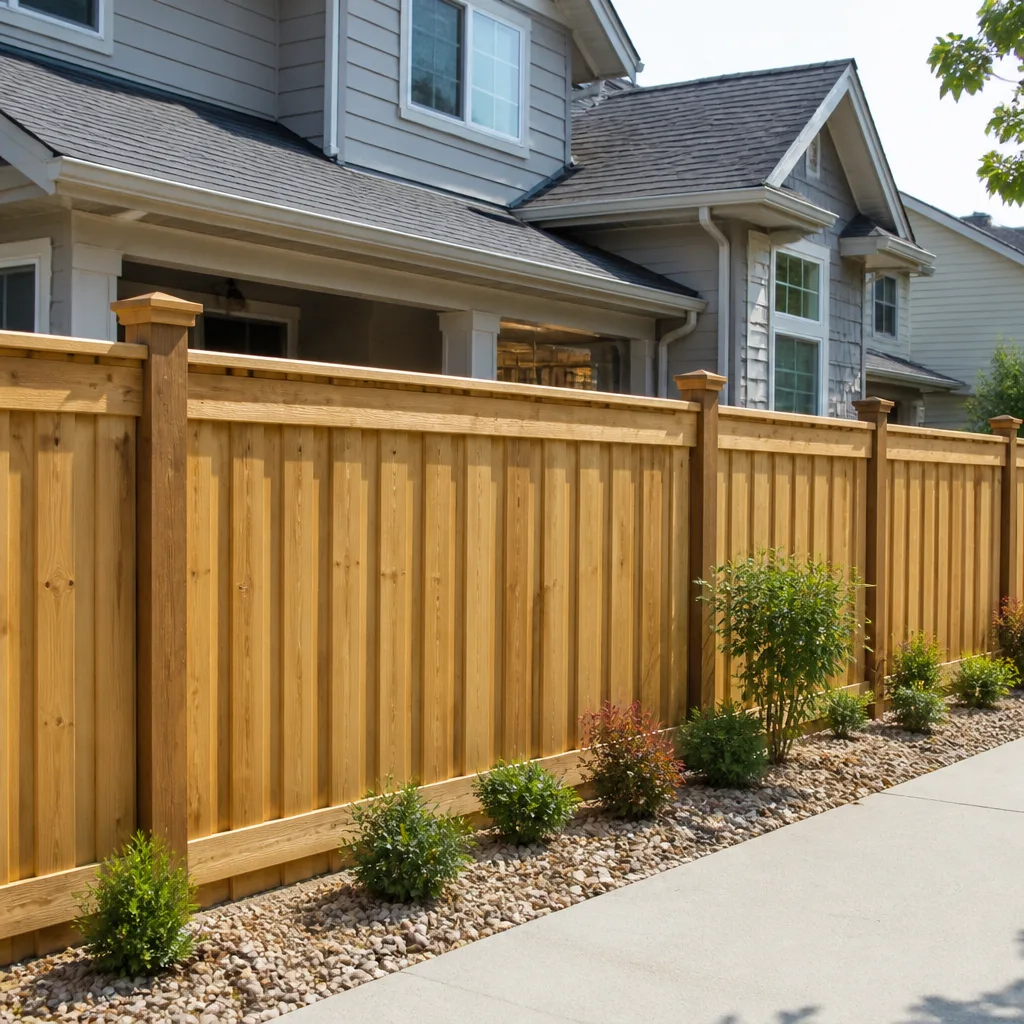 Fence
 Kitchen remodeling
 Bathroom remodeling
 Home additions & ADU
 Roofing
 Windows & doors
 Driveway & pavers
Free written scope consultation - allowances, timeline, and change-order rules on paper before a single trade is scheduled
DIY vs Professional Fence Installation: What’s Safe to Do Yourself
Installing a fence without a permit in Miami-Dade isn’t just a code technicality. It’s the kind of thing that can stall a home sale at the title desk, open the door to a code enforcement lien, or give your insurer a reason to reduce a storm-damage claim right when you need it most. That context changes the DIY math entirely. In this guide, we’ll draw a clear line between the fence work you can genuinely handle yourself in Miami and the work that’s governed by the High-Velocity Hurricane Zone code, and we’ll explain why that line matters to your insurance, your wallet, and your resale.
Quick Answer
In Miami, staining a fence, swapping out panels on existing posts, replacing hardware, and minor gate adjustments are all safe to do yourself with no code exposure. Anything that involves digging new post footings, setting a new fence line, or changing the fence height or location usually requires a permit and a licensed contractor under Miami-Dade’s High-Velocity Hurricane Zone rules. For a new fence or a wind-rated rebuild, professional installation is the only path that keeps your insurance and resale value intact.
Styles & brands we work with
- Kitchen remodeling
- Bathroom remodeling
- Home additions & ADU
- Roofing
- Windows & doors
- Driveway & pavers
- Fence
Table of Contents
- What “DIY” Really Means for a Miami Fence
- Which Miami-Dade Fence Projects Require a Permit
- The Fence Work That’s Genuinely Safe to DIY
- Post Setting in South Florida’s Sandy Soil
- The Insurance Angle Most Guides Skip
- How to Get a Compliant Fence and Still Save Money
- Wind-Load Ratings and the HVHZ Code
What “DIY” Really Means for a Miami Fence
The phrase “DIY fence installation” covers everything from repainting a weathered board to hand-digging forty post holes, and those two jobs sit on opposite ends of the risk scale. Homeowners we talk to in Miami often lump them together. They see a YouTube video of someone in Tennessee setting posts with a bag of Sakrete and assume that translates to a Miami-Dade property slotted into a high-wind zone. It doesn’t.
Here’s the split that actually matters:
- Maintenance and cosmetic work – staining, sealing, painting, replacing a cracked picket, tightening a hinge, adjusting a sagging gate.
- Component replacement on existing structure – swapping fence panels while the original posts stay in the ground, assuming the posts were permitted in the first place.
- New installation and structural changes – digging footings, setting posts, adding height, moving the fence line, changing to a different material. This is where permits, code, and insurance live.
The first two categories are homeowner-friendly in nearly any Miami neighborhood, whether you’re in a 1950s ranch house in Westchester or a newer build out near Kendall. The third category is where DIY stops being a fun weekend and starts being a liability. Miami-Dade’s code enforcement has grown steadily stricter about unpermitted outdoor construction over the last decade, and a fence is one of the easiest things for an inspector or an appraiser to spot. It’s a straight line of posts in a yard. There’s no hiding it.
We’re not trying to talk anyone out of sweat equity. The homeowners who get the most value out of a fence project are the ones who understand exactly which 20% of the work should be handed off and which 80% they can happily own. That’s the whole point of this guide.
Which Miami-Dade Fence Projects Require a Permit
Miami-Dade County requires a building permit for the construction of a new fence and for any structural change to an existing fence that touches the post foundation, the fence height, or the property line. A permit typically also requires the work to be pulled by a licensed contractor or a homeowner who has passed the right exams. In practice, the vast majority of Miami homeowners pull their fence permit through a licensed contractor because the compliance paperwork is genuinely technical.
The specific triggers to know:
- Height and location. Front-yard fences in unincorporated Miami-Dade and most Miami municipalities have height and setback limits, often capping out around 4 feet in the front yard and 6 to 8 feet in the rear, with variations by municipality and by corner-lot sight-line rules. Any new fence that pushes past those limits needs a variance and a permit.
- New post footings. If you’re digging holes and pouring concrete, you’re building a structure. That requires a permit and a wind-load-rated design in the High-Velocity Hurricane Zone.
- Changing materials. Swapping a wood fence for masonry, chain link for aluminum, or a lower fence for a taller privacy style almost always triggers a permit because the wind-load profile changes.
- Property line changes. Moving a fence toward or away from a neighbor’s line often requires a survey and a new permit.
The exceptions matter too. Replacing a single panel, repainting, replacing hardware, and repairing a gate to its original function usually don’t require a permit. That’s the line: does the work change the structure or the wind-load performance of the fence, or does it just restore what was already there?
If you’re not sure which side of that line your project falls on, the cheapest answer you can get is a free estimate from a contractor who pulls fence permits in Miami week in and week out. They know what your municipality expects and what the inspection will look for.
The Fence Work That’s Genuinely Safe to DIY
This is our working list of fence jobs that a reasonably handy Miami homeowner can do without exposing themselves to code, insurance, or structural risk. We’ve seen these handled well by customers, and we’ve seen them botched badly enough to require a follow-up visit. The difference is usually patience and the right materials.
- Staining and sealing a wood fence. South Florida’s sun and humidity bleach a wood fence faster than most of the country. A good penetrating stain every 2 to 3 years will add years to the boards. Prep with a wash, let it dry a full day, and apply on an overcast morning.
- Replacing individual fence panels. If the posts are sound and permitted, swapping a rotted or cracked panel is a homeowner-safe job. Match the picket profile and thickness so the wind rating of the fence isn’t reduced.
- Hardware swaps. Gate hinges, latches, screws, and post caps are all fair game. Stainless hardware holds up better against salt air if your property is anywhere near Biscayne Bay.
- Minor gate adjustments. A sagging gate is usually a hinge or post issue. Retightening hinges and shaving a half-inch off the bottom of a gate with a circular saw is a fine weekend task.
- Cosmetic touch-ups on vinyl and aluminum. A scrub with mild soap, a magic eraser on scuffs, and touch-up paint on aluminum sections. Do not attempt to cut or re-weld aluminum components yourself.
What doesn’t make the list: pulling posts, resetting posts, extending a fence along a new line, or adjusting the height. Those live in the permit zone, and they’re the jobs where a licensed contractor earns their keep. If you’re unsure whether a panel swap is actually a panel swap, take photos before you start and get a professional opinion on the scope.
Post Setting in South Florida’s Sandy Soil
Here’s where most DIY fence guides fall apart in Miami. Digging a hole, dumping a bag of concrete mix, and calling it done is a technique that works acceptably in heavy clay. It doesn’t work in South Florida’s sandy, high-water-table soil, where the sand shifts, the water table can rise to within a foot of grade after a heavy summer storm, and the wind loads are set by the High-Velocity Hurricane Zone code.
What “adequate” actually means for a Miami post footing:
- Depth. Wind-rated fence posts in Miami-Dade generally need to be set below a defined frost and scour depth, often deeper than the 24 inches you’ll see in a national DIY video. The specific number depends on fence height, material, and the wind exposure of your lot.
- Diameter. The footing hole has to be wide enough to give the concrete mass to resist lateral pull. Narrow hand-dug holes with post-mix poured in are not that.
- Concrete type. An engineered mix matched to the load, set with the right water ratio and cured properly, is what holds up in a storm. Bagged post-mix is convenient, but it isn’t designed for the wind ratings Miami-Dade requires on structural fences.
- Drainage. A footing that holds water is a footing that rots a wood post from the inside. Miami’s rainy season finds every drainage flaw, often through a fence that suddenly starts leaning in August.
We regularly see spring and summer failures in neighborhoods like Coral Gables and South Miami where a homeowner’s hand-dug, post-mix footing gave out during the first tropical storm of the year. The wind didn’t knock the fence down. The footing did. A wind-rated footer, set by someone who pulls permits and passes inspections, is the only version that holds up to a real storm and holds up to the scrutiny of an insurance adjuster.
The Insurance Angle Most Guides Skip
Here’s the part that surprises homeowners. If a storm damages your property and your adjuster finds that an unpermitted or non-compliant fence contributed to the damage – say it blew into your screened enclosure, blocked a drainage swale, or took out a neighbor’s window – your claim can be reduced, delayed, or in the worst cases denied for the portion of the damage that traces back to the fence. That scenario is more common in Miami than homeowners expect because of the sheer number of properties with older fence lines that were never permitted through a code change.
Three things an adjuster will typically look at:
- Was the fence permitted and inspected? The permit record is public and verifiable.
- Does the fence meet the wind-load rating for the property’s HVHZ designation?
- Was the fence properly maintained, or obviously failing prior to the loss?
A non-compliant answer to any of those questions gives an insurer a reason to reduce a payout, and if the fence came down and damaged a vehicle or a neighboring structure, the liability sits with the property owner. There’s also the title-transfer problem. Miami’s title companies and real estate attorneys routinely flag open permits and unpermitted structures at the closing table. A fence that a buyer is excited about becomes a negotiation point the moment a permit search comes up empty.
The fix isn’t to be scared of adding a fence. It’s to add it correctly, with a permit and an inspection, the first time. That’s the version that protects your claim, your resale, and your neighborly relationships.
How to Get a Compliant Fence and Still Save Money
Homeowners often assume the only way to save on a fence is to do it themselves. That’s not quite right. The savings on a professional fence happen in specific places, and knowing where they are lets you make a smarter decision than either a full DIY install or a blind acceptance of the first bid.
- Get three line-item bids, not three lump sums. A line-item bid separates the fence material, the post footings, the permit and inspection fees, and labor. When you see the numbers separated, you can compare apples to apples and you’ll spot bids that are hiding change orders.
- Choose your material for the climate, not the catalog. For most Miami properties, aluminum or vinyl over a wood or composite privacy fence makes more sense because of salt air, sun, and wind resistance. Picking the right material upfront is a bigger cost lever than any labor negotiation.
- Consider financing the project rather than stretching your cash flow. Groundwork Construction Co. of Miami offers 0% financing for 18 months and $1,000 off projects over $10,000, which turns a fence-and-gate project into a manageable monthly number instead of a cash hit.
- Bundle related work. If you’re already adding a fence, a small Driveway & Pavers in Miami project at the same time often costs less than doing them separately, since mobilization is shared.
- Use the free estimate process to compare scope, not just price. A contractor who pulls the permit, includes inspection fees, and provides a written line-item quote is giving you a number that won’t grow. A cheaper bid that leaves the permit out is a number that will.
The honest math: a permitted, wind-rated fence installed by a professional is a real investment. An unpermitted fence that fails in the first storm and creates a claim denial is a much bigger one. Once you factor in the cost of removing and re-installing a failed DIY line, the gap between the two closes fast.
If you’re planning a larger outdoor build around the fence, it’s worth reading our Fence Installation in Miami service overview to see how a compliant fence fits into a wider property plan. And if you’re thinking about a pool fence combined with a future addition, our Home Additions & ADU in Miami page covers how fence lines and setbacks affect the permitting process on a larger build.
Wind-Load Ratings and the HVHZ Code
Miami-Dade sits inside the High-Velocity Hurricane Zone, which is the strictest wind-load building code in the country. Every structural element of a home – including a fence – is evaluated against that standard. The HVHZ designation is not marketing language. It’s a real code classification that shapes what material you can use, how deep the footings go, and how the fence attaches at corners and terminals.
What that means for a homeowner planning a fence:
- Material selection is not a style choice. Wind-rated aluminum and engineered vinyl systems are tested against specific design pressures. A custom wood fence built by hand from lumber yard boards generally isn’t, unless the contractor spec’d the design against the code and pulled the right permit.
- Connection details matter more than they sound. Post bases, brackets, and gate hardware have manufacturer ratings that an inspector will check. A backyard-installed bracket that works fine on a Saturday and fails on the first tropical storm may still pass an inspection if it’s rated, and can fail an insurance review if it isn’t.
- Height affects rating. A 4-foot fence and a 6-foot fence in the same location have different wind pressures, which is one reason adding height to an existing fence usually triggers a new permit.
We’ve seen families in Doral and Hialeah buy beautiful fence material only to find out at the permit stage that their planned design wouldn’t pass the wind-load calculations for their exposure category. Getting a professional’s eyes on the design before you buy is the cheapest insurance on a fence project. It’s also why we lean on tested materials and brand partners whose products are spec’d for HVHZ conditions.
For a broader look at how a fence fits into the full property, see our Groundwork Construction Co. of Miami home page.
Common Mistakes to Avoid
- Skipping the permit and hoping no one notices. Miami-Dade permit searches are routine at resale and after storms, and inspectors and lenders find what’s not on record. The cost of removing an unpermitted fence and starting over is often more than the permit and labor for doing it right the first time.
- Using bagged post-mix in sandy soil. That bag of Sakrete that works fine inland isn’t designed for the wind-loaded footings Miami-Dade’s HVHZ requires. A footing that fails in a storm is worse than no fence at all.
- Eyeballing the property line. Miami lots in neighborhoods like Little Havana and West Miami often date back decades and boundaries have drifted. A survey is cheap, and a fence that runs three inches over your neighbor’s line is expensive.
- Building to the wrong height. Front-yard fence height limits in Coral Gables and Miami Beach are strict, and corner-lot sight triangles are enforced. A fence that blocks a driver’s view at an intersection will get flagged by code enforcement.
- Mismatching the material for salt air. Standard wood fasteners will rust through in two summers on a waterfront property. Stainless or hot-dipped galvanized matters here in a way it doesn’t in most of the country.
- Assuming a fence doesn’t need a wind-load rating because it’s “short.” Even a 4-foot fence is a structure that gets pulled at by hurricane-force wind. The code doesn’t ignore it, and neither does an adjuster.
- Not documenting the work for the future. Keep the permit number, the inspection approval, and the material specs somewhere you can find them. When you sell in Miami, the buyer’s agent will ask for exactly that.
See the difference
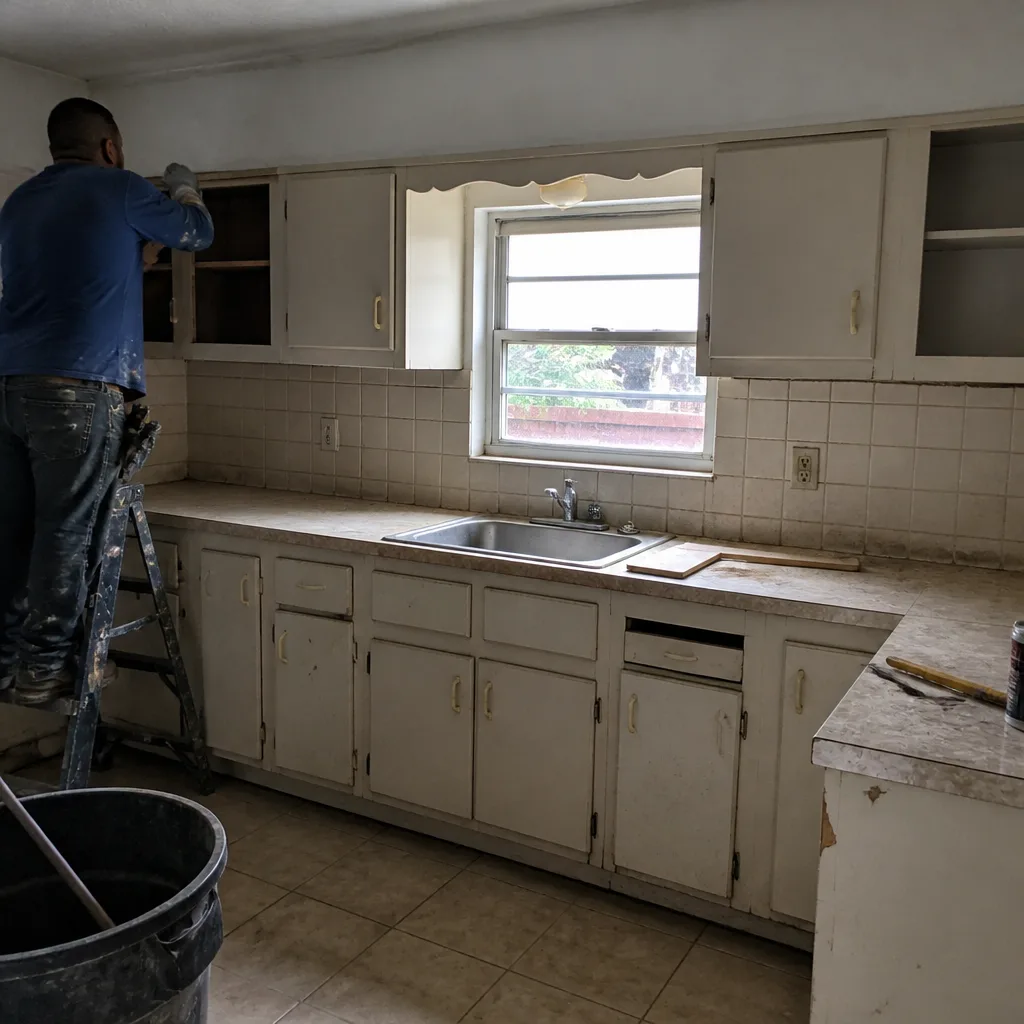 Before
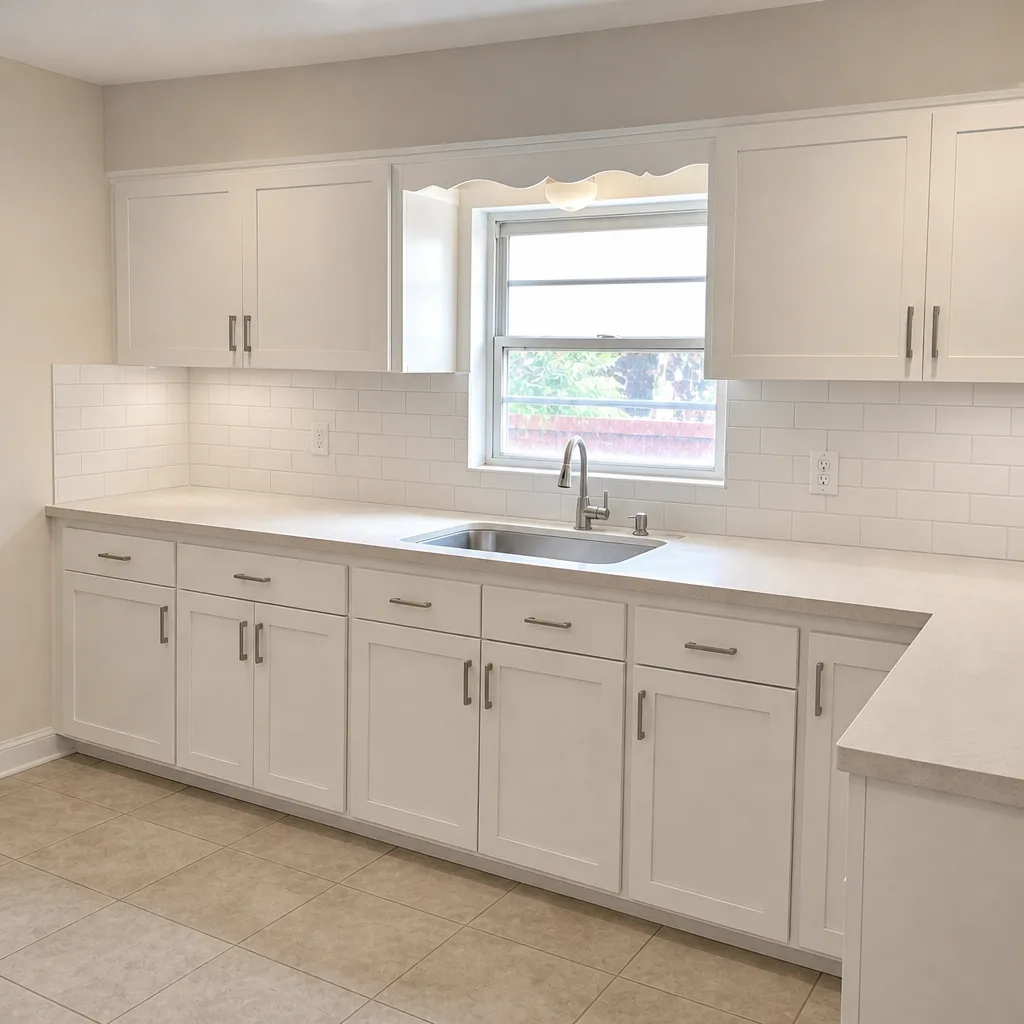 After
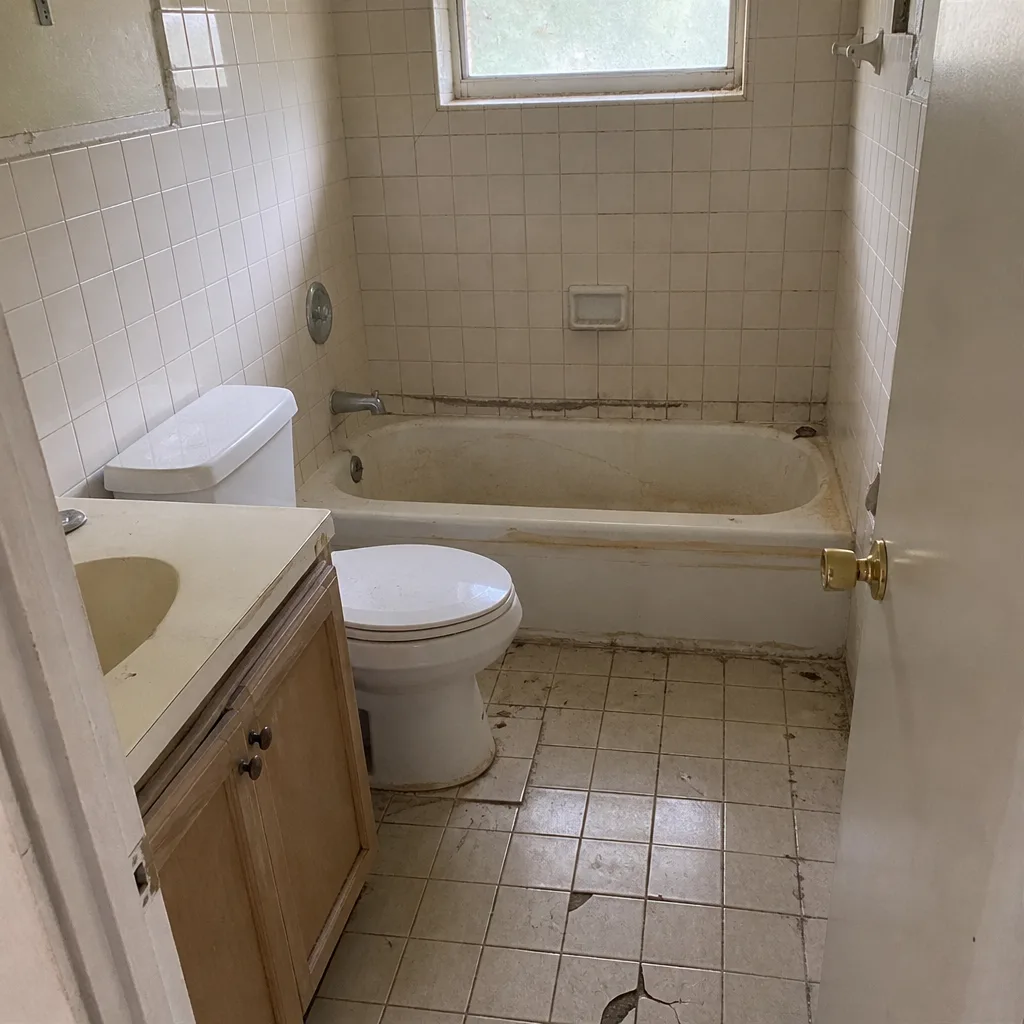 Before
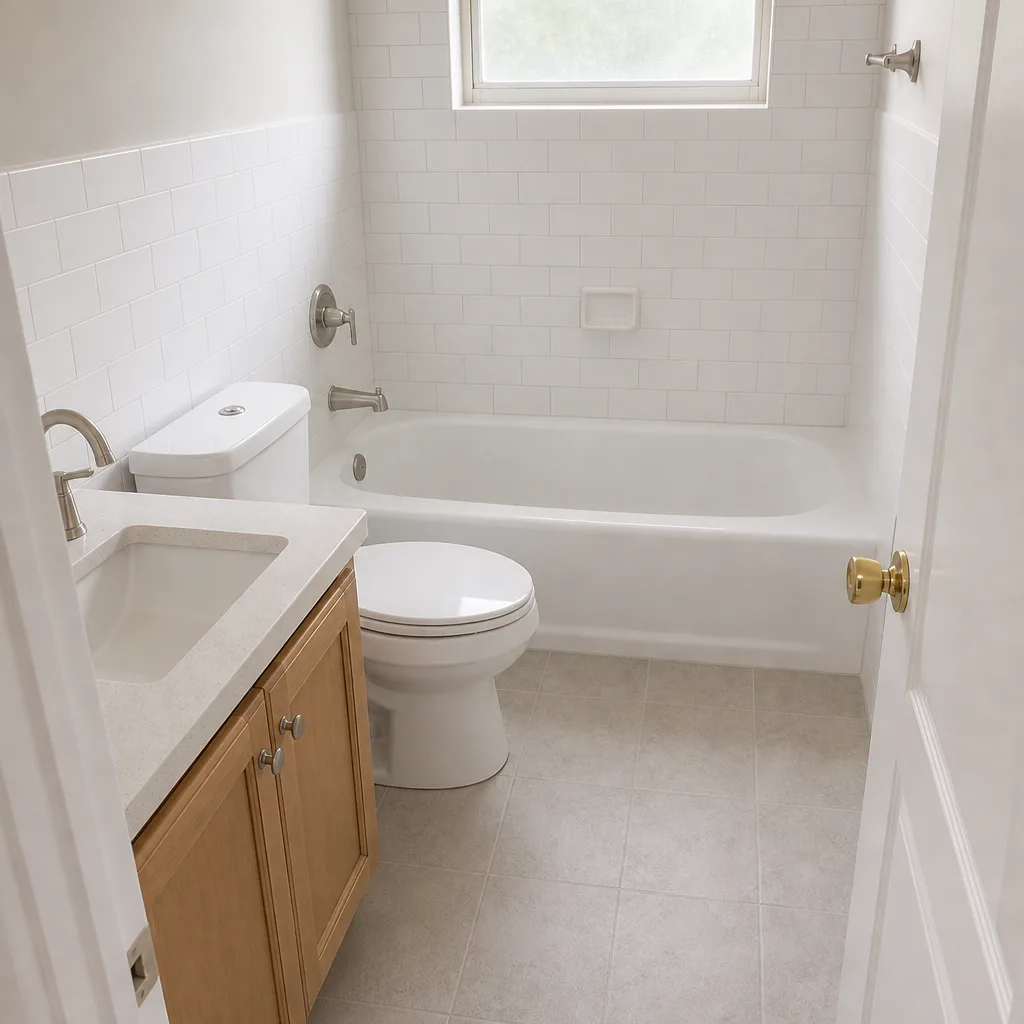 After
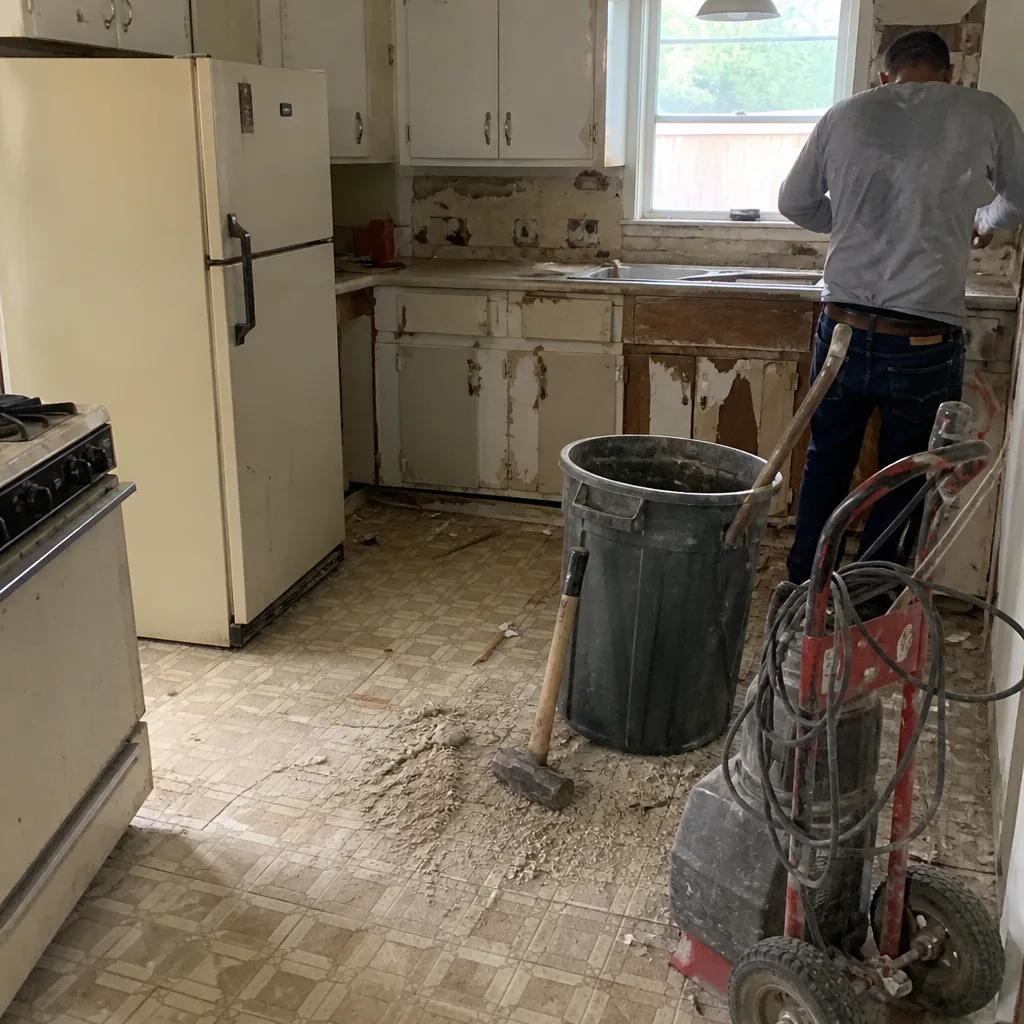 Before
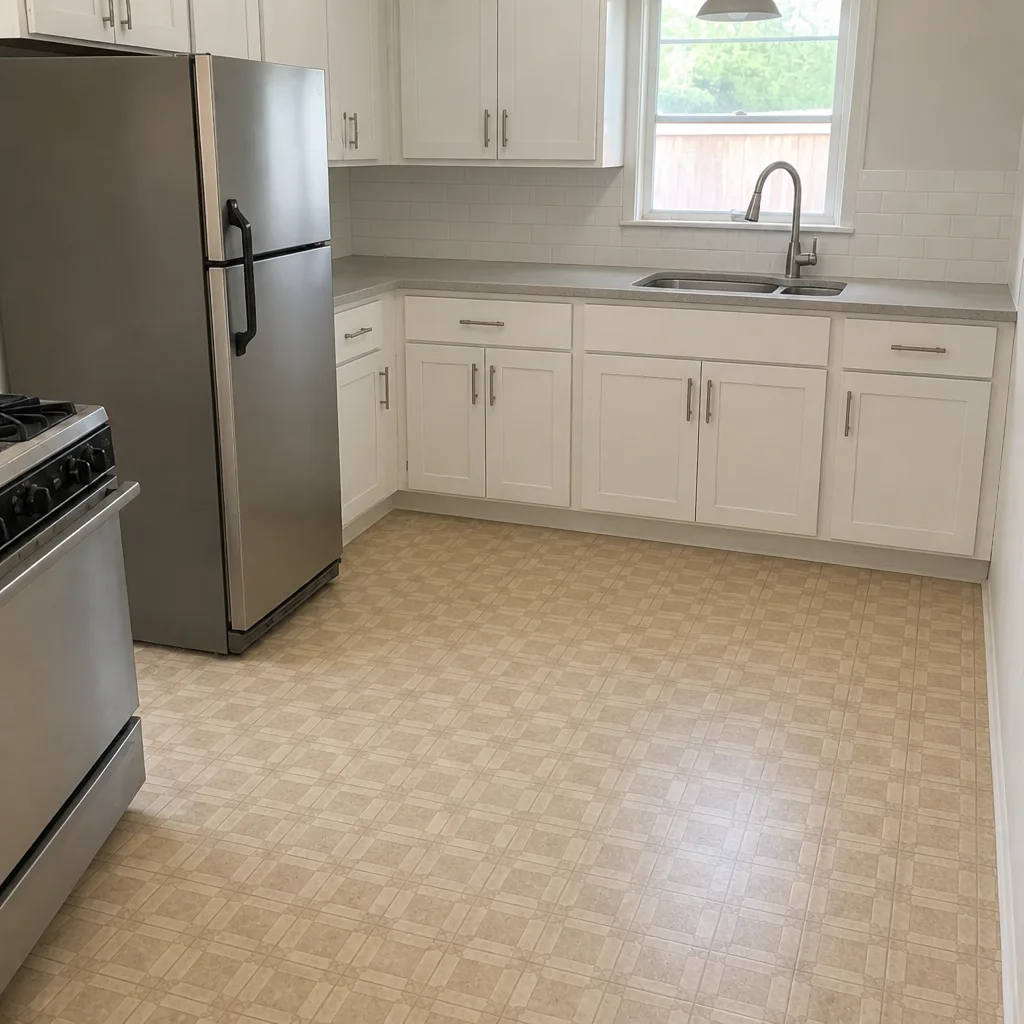 After
When to Call a Professional
Call a licensed contractor when the fence project involves a new post footing, a new fence line, a height or material change, or anything subject to Miami-Dade permit and inspection. That list covers the work that most affects your insurance standing, resale, and storm performance. The DIY-friendly work – staining, panels, hardware, gate adjustments – stays with you.
Also call a professional when you’re unsure. A quick phone conversation can save you a permit violation. Groundwork Construction Co. of Miami offers free estimates in Miami with a written line-item quote, so you can see exactly what the compliant version of your fence costs before you commit. Call (833) 968-1198 to schedule yours. Every project is backed by our 730-Day Done Right Promise: if it isn’t done right, we make it right. Calls are answered by a live person, 24/7, so you’re never sent to voicemail.
Frequently Asked Questions
Yes, in most cases. In Miami-Dade, a new fence and any structural change to an existing fence – new footings, a height change, a material change, or a property-line change – generally requires a building permit and an inspection. Cosmetic work, single panel replacements, and hardware swaps usually don’t. When in doubt, ask a licensed fence contractor who pulls permits in Miami regularly; estimates are free.
You can safely handle the cosmetic and component work – staining, panel replacement on existing posts, hardware, gate adjustments – without a permit. However, installing a new fence from scratch, including footings, will almost always require a permit under Miami-Dade’s High-Velocity Hurricane Zone code, and in practice the compliance work is handled by a licensed contractor. Call (833) 968-1198 for a free estimate on the compliant version.
Yes. If a storm damages your property and an adjuster finds an unpermitted or non-compliant fence contributed to the damage, a claim can be reduced or delayed for the affected portion. An unpermitted fence can also create liability if it damages a neighbor’s property. A permitted, inspected, wind-rated fence protects your claim, and the permit record is the first thing an insurer or title company checks.
Deeper than in most of the country, because of both the sandy soil and the HVHZ wind-load requirements. The exact depth depends on the fence height, material, and lot exposure, and it’s set by the design specified on the permit. What we can say is that the hand-dug, 24-inch, bagged-mix approach from a general DIY video is not adequate for Miami. Call us for a permit-ready spec.
Staining, sealing, and hardware swaps. Those three are the safest and most useful DIY jobs for a Miami homeowner. Panel swaps on existing permitted posts are also fine, provided the replacement panel matches the original profile and wind rating. Pulling posts and resetting them is not a DIY job in Miami-Dade.
It can, and often does. Miami title companies and real estate attorneys routinely flag open permits and unpermitted structures during closing. A buyer’s inspector will compare the fence to the permit record, and if the fence isn’t on record, that becomes a negotiation point at the worst possible moment. Standing permits and inspections from the start avoid the problem entirely. If you’re planning to sell and want the fence brought up to compliance first, call (833) 968-1198 for a free estimate.
The Bottom Line
In Miami, the DIY line on fence work is clearer than most homeowners expect. Cosmetic maintenance and panel work on already-permitted posts are safe, cheap, and a genuinely good use of a Saturday. New footings, new fence lines, and anything that changes the height, location, or material of a fence falls squarely into the permit zone, and the HVHZ code, insurance exposure, and resale risk make the professional version the only version that protects you. Done right the first time, a fence is a decade-plus asset. Done wrong, it’s a claim denial waiting for the first storm.
If you’d like a straight, line-item estimate on a compliant fence, or a second opinion on whether your project needs a permit, call Groundwork Construction Co. of Miami at (833) 968-1198 for a free estimate. Upfront pricing, no surprises, and the work backed in writing by the 730-Day Done Right Promise. We’ll walk your property, answer the questions most contractors skip, and give you a number you can budget against.
Written by the team at Groundwork Construction Co. of Miami.