
Last updated November 17, 2026
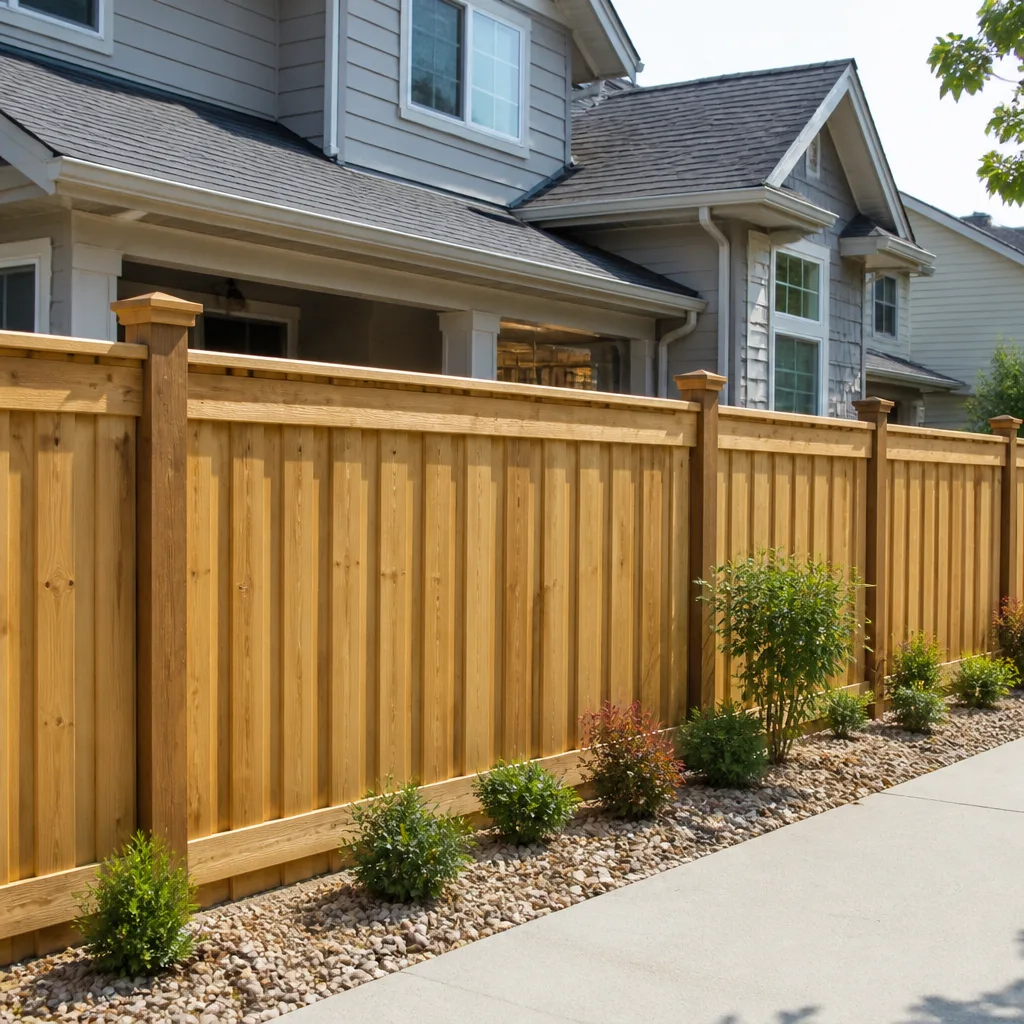 Fence
 Kitchen remodeling
 Bathroom remodeling
 Home additions & ADU
 Roofing
 Windows & doors
 Driveway & pavers
Free written scope consultation - allowances, timeline, and change-order rules on paper before a single trade is scheduled
How Long Does Fence Installation Take? Timelines and What to Expect
Miami-Dade County’s fence permitting process alone can add 2 to 6 weeks to a job most contractors quote as a “2-day install,” and that gap is where projects go sideways. We’ve watched homeowners sign a contract in March expecting a finished fence by April, then spend Memorial Day staring at post holes because nobody told them about the wind-load engineering review. This guide breaks down the real schedule for fence installation in Miami: permit timelines by fence type, how our marl and fill soils affect cure time, the hurricane-code steps that out-of-state guides skip entirely, and how to run HOA approval alongside permitting so you don’t lose weeks waiting on the wrong approval first.
Quick Answer
In Miami, a typical residential fence installation takes 3 to 8 weeks from contract signing to finished fence. The physical installation itself is usually 1 to 3 days for a standard lot, but permitting through Miami-Dade County, HOA architectural review, and post-curing time in South Florida soil account for most of the calendar days. Wood fences with simple permits land closer to 3 weeks; CBS (concrete block and stucco) walls needing engineered drawings and wind-load calculations routinely run 6 to 8 weeks.
Styles & brands we work with
- Kitchen remodeling
- Bathroom remodeling
- Home additions & ADU
- Roofing
- Windows & doors
- Driveway & pavers
- Fence
Table of Contents
- Why Fence Timelines in Miami Run Longer Than the Quote Suggests
- Do You Need a Permit for a Fence in Miami-Dade County?
- Permit Timelines by Fence Type: Wood, CBS, and Aluminum
- How South Florida Soil Affects Post-Setting and Cure Time
- Wind-Load Requirements Under the Florida Building Code
- Running HOA Approval in Parallel With Permitting
- Day-by-Day: What the Installation Sequence Actually Looks Like
- Building a Realistic Schedule for Your Miami Fence Project
Why Fence Timelines in Miami Run Longer Than the Quote Suggests
A fence contractor in Ohio or the Carolinas can quote a 2-day install and usually be right. The ground freezes and thaws, but the permit process is often same-week or doesn’t exist, the wind-load math is simpler, and the biggest weather variable is rain. Miami is a different job site entirely.
Three local variables stretch the calendar in ways most online guides never mention. First, Miami-Dade County requires a building permit for most fence types over a certain height, and the review queue for structural fences (CBS walls, certain aluminum systems) can run weeks. Second, our soils – marl, hauled-in fill, and a high water table in neighborhoods like Westchester and Kendall – change how long concrete needs to cure before you can hang panels or gates without lean. Third, the Florida Building Code’s wind-load requirements for Miami-Dade mean most fence systems need engineering documentation that out-of-state guides don’t account for at all.
When you stack those three factors, the “2-day install” quote isn’t wrong about the physical labor. It’s wrong about the schedule. The install is 2 days. The project is 3 to 8 weeks. Knowing the difference is how you plan around it instead of getting blindsided by it.
We’ll walk through each variable in detail, then show you what a realistic day-by-day sequence looks like once permits are in hand and materials are on site. If you’re comparing this against other exterior projects, our guide to Driveway & Pavers in Miami follows a similar permitting arc, and the schedule overlaps are worth understanding.
Do You Need a Permit for a Fence in Miami-Dade County?
Yes, in most cases. Miami-Dade County requires a building permit for fences and walls that exceed certain height thresholds, and the requirements vary by fence type and location. A short decorative wood fence under the threshold may qualify for an over-the-counter permit or no permit at all; a CBS privacy wall or a tall aluminum fence typically requires a full submittal with drawings. The threshold depends on zoning, setback rules, and whether your property sits in a special overlay district.
Here’s the practical version of what triggers a permit review in Miami:
- Height over the threshold: Most residential lots trigger a permit when a fence exceeds the standard height allowance, usually six feet in side and rear yards and lower in front setbacks. Corner lots and through-lots have separate sight-line rules.
- CBS and masonry walls: Concrete block and stucco walls almost always require a structural permit with engineered wind-load documentation, regardless of height, because they’re load-bearing against hurricane-force wind.
- Aluminum and metal systems: Many aluminum fence systems in Miami-Dade carry a Florida Product Approval (NOA or FL approval number), which simplifies permitting – but you still need to submit the approval documentation with the application.
- Wood privacy fences: Often the simplest permit path, but tall wood fences still need to meet wind-load requirements and setback rules. Some are over-the-counter, some aren’t.
- Pool barriers: If the fence functions as a pool safety barrier, additional code requirements apply and the permit review is stricter.
The permit isn’t the obstacle people fear. The obstacle is submitting an incomplete application, getting it bounced back, resubmitting, and losing two weeks in the loop. That’s what a permit-savvy contractor prevents. When we handle Fence Installation in Miami, the permit package gets assembled correctly the first time, and that’s where most of the calendar savings come from.
Permit Timelines by Fence Type: Wood, CBS, and Aluminum
Here’s the part of the schedule nobody puts in the brochure. The permit queue in Miami-Dade County moves differently depending on what you’re building. These ranges reflect typical residential projects and assume a complete, correctly assembled submittal:
- Wood fence, standard dimensions: Roughly 1 to 3 weeks from submittal to permit issuance. The review is shorter because the structural documentation is simpler and many wood fence systems meet prescriptive code requirements without custom engineering.
- Aluminum fence with product approval: Roughly 1 to 2 weeks when the system carries a current Miami-Dade product approval. The approval documentation does most of the heavy lifting, and the reviewer is confirming compliance rather than evaluating custom engineering.
- CBS or masonry wall: Roughly 3 to 6 weeks. These require sealed engineering drawings showing wind-load capacity, and the review is more involved. If the wall meets an HOA height or style requirement that pushes it into a custom design, expect the longer end.
- Pergolas, gates, and combination structures: Add 1 to 2 weeks on top of the base fence timeline. Anything with a roof structure or a large swinging or sliding gate gets separate structural review.
Two things can shorten these timelines significantly. First, hiring a contractor who has submitted fence permits in Miami-Dade recently – the application package comes back complete, not flagged for corrections. Second, knowing what the reviewer will ask before they ask it. We’ve seen submittals that sat for a month waiting on a single missing survey line that took an hour to produce.
Also budget time for inspections. After the permit issues, Miami-Dade requires inspections at specific checkpoints – footing inspection before you pour concrete, final inspection after completion. Missing a footing inspection and pouring anyway is one of the most common and most expensive mistakes we see in the field, because the fix involves breaking out good work. Build inspection scheduling into the plan, and the fence moves through the process on time. Skip it and the whole project stalls.
How South Florida Soil Affects Post-Setting and Cure Time
In most of the country, a fence post goes into a hole, gets a bag of concrete, and cures overnight. In Miami, the soil fights back. The three soil conditions that matter most are marl, fill, and the high water table.
Marl is the dense, rocky, and sometimes clay-heavy soil native to much of South Florida. It drains poorly, it can be hard to dig, and it holds moisture in a way that slows concrete cure. In marl-heavy areas, we give post-set concrete more time before stressing it with panels or gates – typically 24 to 48 hours rather than the overnight cure that works in sandier soils.
Fill is the second factor. Many Miami lots sit on graded fill, especially in newer subdivisions and areas that were regraded. Fill compacts unevenly, so post holes may need to be deeper to reach stable bearing soil. A post set in loose fill with a shallow footing will lean within a season.
The high water table is the third. In low-lying areas and during wet season, post holes can fill with water. A post set in standing water with concrete poured over it will never cure properly. We pump holes, set posts to a concrete footing above the saturated zone, or use appropriate post systems, and we never rush a cure because the homeowner is impatient. Rushing the cure is how you get a fence that leans two years later.
This is why we tell homeowners in Miami the physical install takes 1 to 3 days – the fence isn’t finished when the last post is set. It’s finished when the concrete has cured enough to carry load, and the soil under your lot determines that timing. Our guide to Home Additions & ADU in Miami covers similar foundation and soil considerations, because the ground behaves the same way under a fence post and a slab.
Wind-Load Requirements Under the Florida Building Code
The Florida Building Code requires fence systems in Miami-Dade County to be designed to resist wind loads based on the local design wind speed, which is among the highest in the country. This isn’t a formality. It changes the materials, the post spacing, the embedment depth, and the documentation in ways out-of-state fence guides never address.
Practically, wind-load compliance in Miami means:
- Post spacing matters: Closer post spacing distributes wind load and reduces the risk of panel failure during a storm. A generic “8-foot post spacing” spec from a national brand may not satisfy local requirements.
- Embedment depth matters: Posts must be set deep enough for the design wind load. In soft fill, that depth may increase, which affects cure time and labor.
- Material selection matters: Wood, aluminum, and CBS each handle wind load differently. An aluminum fence system with an active Miami-Dade product approval is engineered for the local rating; a wood fence relies on structural fastening and post design.
- Documentation matters: The engineer who designs a CBS wall stamps drawings showing the structural capacity, and the permit reviewer checks it against local design wind speed. There’s no skipping this step.
What this means for your timeline: the wind-load review phase is where permit turnaround can extend for CBS and custom structures. It also means a fence designed for Miami wind load – and permitted to match – holds up better through hurricane season. The extra weeks in the permit queue are buying you a structure designed for the actual conditions your property faces. If you’re comparing fence contractors in Miami, ask whether their permits include wind-load documentation. A contractor who’s surprised by the requirement hasn’t done this work here.
Running HOA Approval in Parallel With Permitting
Many Miami neighborhoods – planned communities, gated subdivisions, and master-associations from Doral to Homestead – require architectural review committee (ARC) approval before you can install a fence, and that approval is separate from your county permit. This is where the calendar explodes for homeowners who don’t plan ahead.
The mistake we see most often: the homeowner runs the HOA approval first, then submits for the county permit, then discovers the county requires an inspection they didn’t schedule for. That sequencing can add weeks. The better approach is to run both processes in parallel from day one.
- Start the HOA submittal immediately. Most ARC reviews require the fence design, color, material, and site plan. Get the package to the ARC in the same week you start the county permit application.
- Submit the county permit application at the same time. Don’t wait for the HOA decision. The county doesn’t need the HOA approval to begin its review, and the two queues move in parallel.
- Coordinate changes. If the HOA asks for a different fence color or height than the design that was permitted, the permit may need an amendment. Having the county review underway means you can address changes without rerunning the full cycle.
- Track both dates. Know when the HOA decision is due and when the permit is expected. If either slips, you can still sequence installation for the earliest possible date.
The parallel approach typically saves 2 to 4 weeks over running the two processes sequentially. It also reduces the chance that a last-minute HOA change forces a permit revision. We do this coordination as part of our project planning because the calendar math matters as much as the craftsmanship. Our Groundwork Construction Co. of Miami home page lays out the full range of exterior and interior services this same discipline applies to.
Day-by-Day: What the Installation Sequence Actually Looks Like
Once the permit is in hand and materials are on site, here’s what the install actually looks like. This assumes a standard residential lot – roughly 150 to 200 lineal feet – and normal weather. Longer lots scale the sequence, not the steps.
- Day 1, morning: Layout and utility locate. We mark the fence line, confirm property lines against the survey, and verify the utility locate has cleared. Skipping the locate is how you hit a water line or a buried cable, and that turn is far more expensive than the hour it takes to confirm.
- Day 1, midday: Set the first run of posts. Post holes get dug to the required depth for wind-load compliance, set on a concrete footing above the saturated zone, and plumbed. In our marl-and-fill soils, we set posts and give the concrete time – we don’t rush the cure to move to the next phase.
- Day 1, evening: Footing inspection, if required. If the permit requires a footing inspection before proceeding, the inspector visits at this stage. Missing this inspection can cost you breaking out and re-pouring.
- Day 2: Hang panels and gates. Once cure permits, panels, rails, and gate hardware go up. Gate alignment gets checked here because a gate that’s off on day 2 is a gate that sags by year 2.
- Day 2, late: Finishing and cleanup. Final hardware, cap rails, stain or finish if specified, and site cleanup. We haul away all debris and restore the lawn to the condition we found it in wherever possible.
- Day 3: Final inspection. The county final inspection happens after the fence is complete. This is the step that closes out the permit, and it’s typically scheduled within a few business days.
Weather is the wildcard. Summer afternoon thunderstorms can push panels to the next morning, and if the ground is saturated from a heavy rain, post-setting may need a dry day. We build a cushion into the schedule for exactly this reason. If you want the full scope of what else a fence project can include – matching a fence to hardscape, gates, and entry work – our team handles those as part of the same visit. Every job comes with our 730-Day Done Right Promise, which means if anything about the fence isn’t right, we make it right.
Building a Realistic Schedule for Your Miami Fence Project
Here’s how to estimate the calendar for your specific project. Start with your fence type, add the permit range, factor in HOA review time (parallel, not sequential), add post-cure time based on your soil, and layer in a weather cushion for the season you’re installing in.
- Spring (March – May): Dry-season install. Faster cure, fewer rain delays. But permit queues can run longer because everyone else is scheduling fence work too. Start early.
- Summer (June – September): Hurricane season. Afternoon storms are a daily variable and post-setting can be delayed. If a storm is approaching, permit inspections may pause. This is why we don’t quote a hard completion date in advance without a weather clause.
- Fall (October – November): Often the smoothest install window. Post-hurricane season, active construction season, and generally good conditions for concrete cure.
- Winter (December – February): Cooler, drier, and comfortable for crews. Permit queues usually shorten. This is the most predictable window for a Miami fence project.
Stack the ranges: a wood fence in winter with straightforward HOA review might be 3 weeks contract-to-finished. A CBS wall in summer with a complex HOA and saturated soil might be 8 weeks. The range is real, and any contractor who quotes you a single number without asking about your lot, your HOA, and your fence type is guessing. Our upfront pricing eliminates the surprise on the cost side; the schedule side needs the same honesty. That’s why we walk your property first, review permit requirements, and give you a written line-item estimate before you commit to a single dollar.
Common Mistakes to Avoid
- Sequencing HOA approval before the permit. Running them one-after-another instead of in parallel can add 2 to 4 weeks to a Miami job. Start both in the same week.
- Assuming a “2-day install” means a 2-day project. The install is 2 days; the permit, HOA, and cure add the rest. Plan around the real calendar, not the labor estimate.
- Pouring footings without the inspection. In Miami-Dade, the footing inspection often must happen before concrete is placed. Skip it and you may be breaking out good work to pass the final.
- Setting posts in saturated fill. A post poured into standing water never cures correctly and will lean. Our marl and fill soils need a dry footing and proper cure time, and rushing it costs more than the delay.
- Ignoring wind-load requirements until inspection. The Florida Building Code demands engineered documentation for CBS walls and appropriate post spacing for all fences. A contractor who says “we’ll figure it out at inspection” hasn’t done Miami fence work.
- Skipping the utility locate. Digging into a buried water line, irrigation, or cable is an avoidable expense. The locate call is free; the repair isn’t.
- Choosing materials by price alone. A fence that fails hurricane-load requirements or cures wrong will need repair – and a neighbor’s referral to the contractor who did it right the first time. Material selection and lifetime cost matter more than the day-one quote.
See the difference
 Before
 After
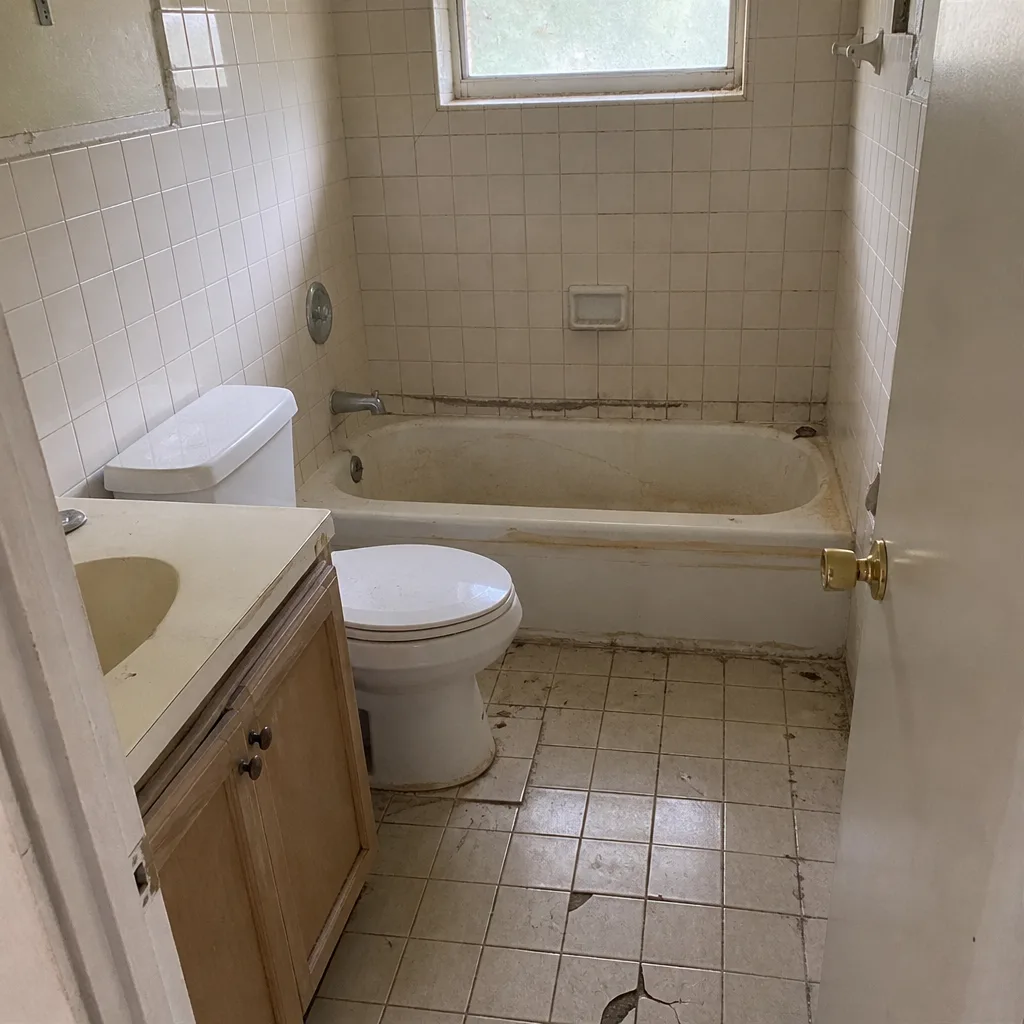 Before
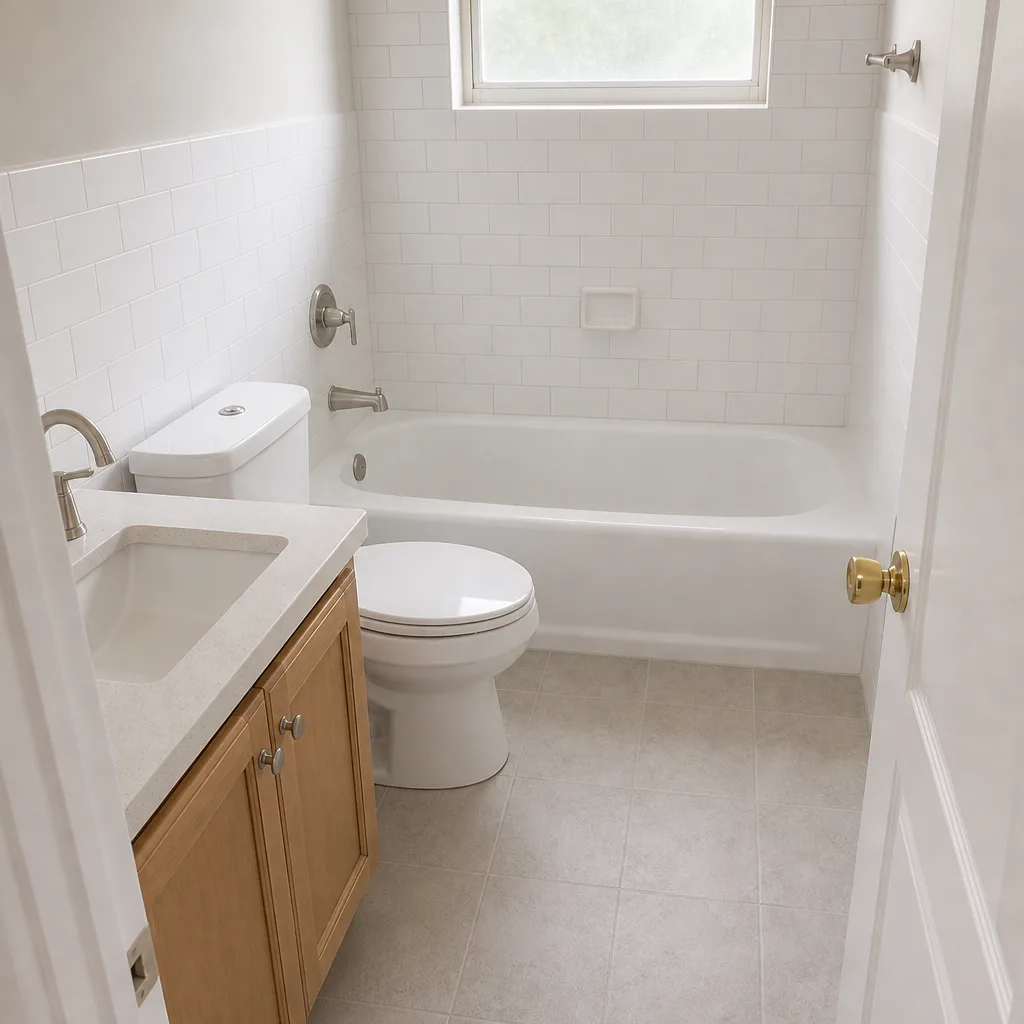 After
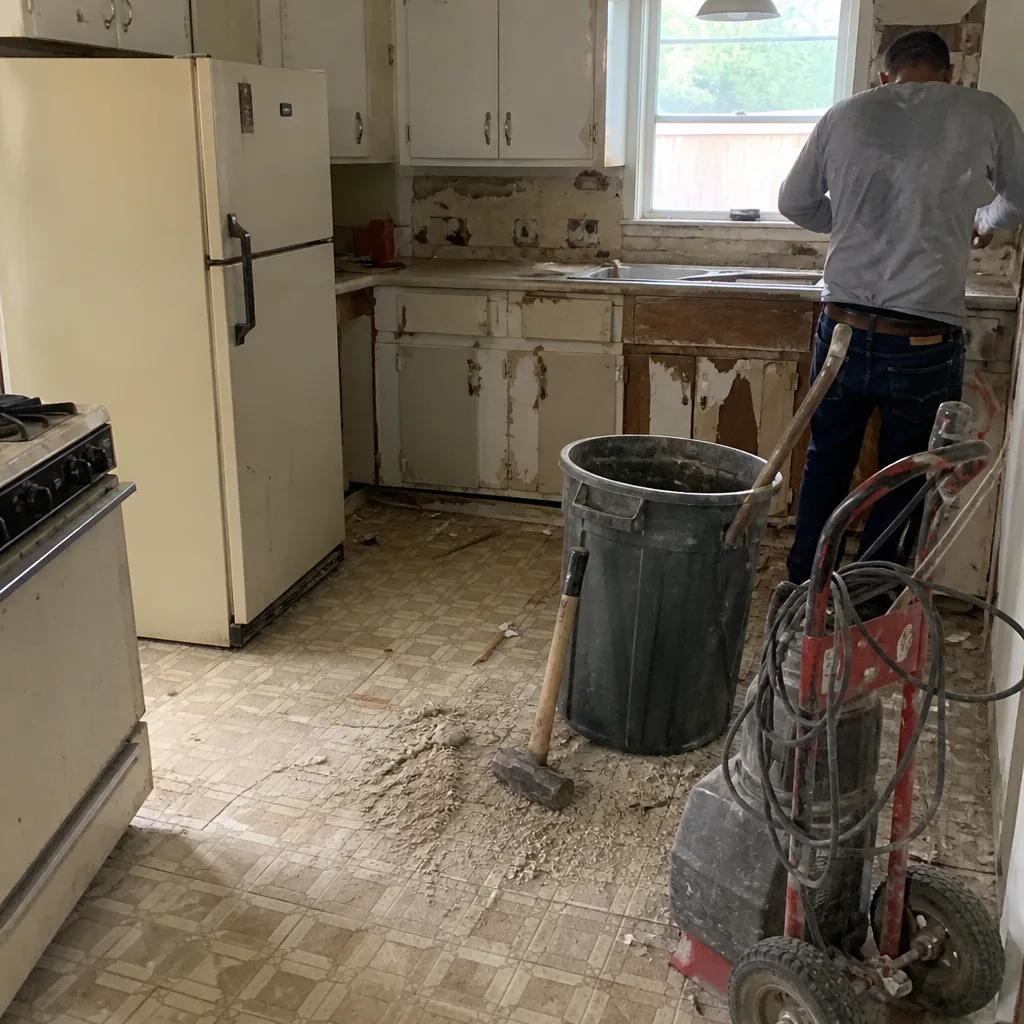 Before
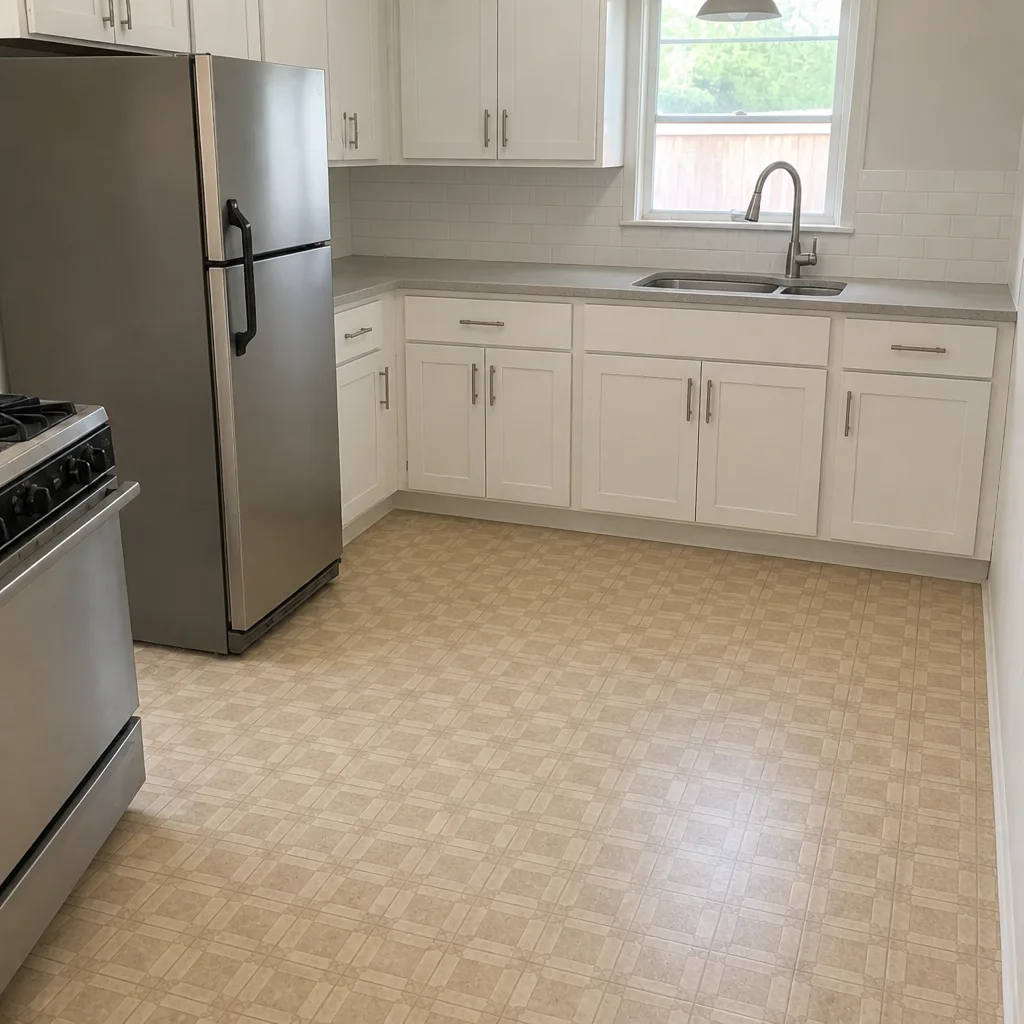 After
When to Call a Professional
Some fence work you can handle yourself – a short decorative run with simple panels, on a dry lot, in a neighborhood without HOA rules. But several scenarios call for a licensed professional in Miami. If your property requires a permit, wind-load documentation, or a CBS wall, you’re past the DIY threshold. If your lot has a high water table or heavy fill, professional post-setting is the difference between a fence that holds and one that leans. If your neighborhood has architectural review committee requirements, a contractor who coordinates permitting and HOA review in parallel saves you weeks of calendar time. And if you need pool-safety compliance, a structural gate, or an engineered wall, get a trained professional involved. Groundwork Construction Co. of Miami offers free estimates in Miami; call (833) 968-1198 and we’ll walk the property, answer the permit questions, and put a written schedule and line-item estimate in your hands.
Frequently Asked Questions
Fence installation in Miami typically takes 3 to 8 weeks from contract to finished fence, with the physical install itself running 1 to 3 days. The rest of the calendar comes from Miami-Dade permit review (1 to 6 weeks depending on fence type), HOA architectural approval when applicable, and post-cure time in South Florida soil. Call (833) 968-1198 for a free estimate specific to your lot.
Yes, in most cases. Miami-Dade County requires a building permit when a fence exceeds the standard height allowance or when it’s a CBS masonry wall, which always requires structural documentation and engineered wind-load drawings. Short decorative wood fences under the threshold may qualify as over-the-counter or permit-free, depending on zoning and setbacks. Call us and we’ll confirm what your specific fence type requires.
A wood fence permit typically takes 1 to 3 weeks, aluminum with product approval takes 1 to 2 weeks, and a CBS wall takes 3 to 6 weeks because of the engineered wind-load review. A complete submittal shortens every one of those ranges. Incomplete submittals that come back for corrections are where timelines stretch.
Because the Florida Building Code requires fence systems in Miami-Dade to resist wind loads at the local design wind speed, which is among the highest in the United States. CBS walls need sealed engineering drawings showing structural capacity, and all fences need the right post spacing and embedment depth for local conditions. This documentation is part of the permit review, not an afterthought.
Yes, but only if the HOA approval was run in parallel with the permit. If you ran them sequentially – HOA first, then permit – you’ve already spent the weeks. The fastest path is submitting both in the same week so the county review and the HOA review overlap. That saves 2 to 4 weeks on a typical Miami project.
Winter and fall are generally faster and more predictable because the weather is drier and rain delays are fewer. Summer is workable but afternoon thunderstorms can push post-setting to the next day, and saturated soil from heavy rain slows the cure. For most homeowners, the smoothest window is October through February. Call (833) 968-1198 to schedule a free estimate and we’ll plan around the season.
The Bottom Line
Fence installation in Miami is a 3-to-8-week project that only looks like a 2-day job. The install itself is fast. The permitting, HOA coordination, wind-load documentation, and post-curing that the Florida Building Code and our marl-and-fill soil require account for most of the timeline. The homeowners who stay happy are the ones who plan for the real calendar, start their HOA and county submittals in the same week, and don’t cut corners on footings or inspection schedules. Our technicians have up to 12 years of experience coordinating Miami fence projects from permit to final walkthrough, and every job is backed by our 730-Day Done Right Promise. Call (833) 968-1198 to schedule your free estimate – a live person answers around the clock.
Written by the team at Groundwork Construction Co. of Miami.