
 Home additions & ADU
 Kitchen remodeling
 Bathroom remodeling
 Roofing
 Windows & doors
 Driveway & pavers
 Fence
Free written scope consultation - allowances, timeline, and change-order rules on paper before a single trade is scheduled
CWS Home Additions & ADU: The Miami Owner’s Guide
We build and install CWS-compatible home additions and ADUs across Miami, and the honest installed range for that work in this market runs $53,100 to $153,400 for an addition and $106,200 to $259,600 for a full ADU. A garage conversion sits lower, at $35,400 to $94,400, and is often the smartest path for a Miami homeowner who needs the space but not the full footprint. This is planned construction, not an emergency call – nobody builds an addition in a day, and we won’t pretend otherwise. A free estimate and design consult is where every project starts, and you can reach a live person at (833) 968-1198 any hour to book it.
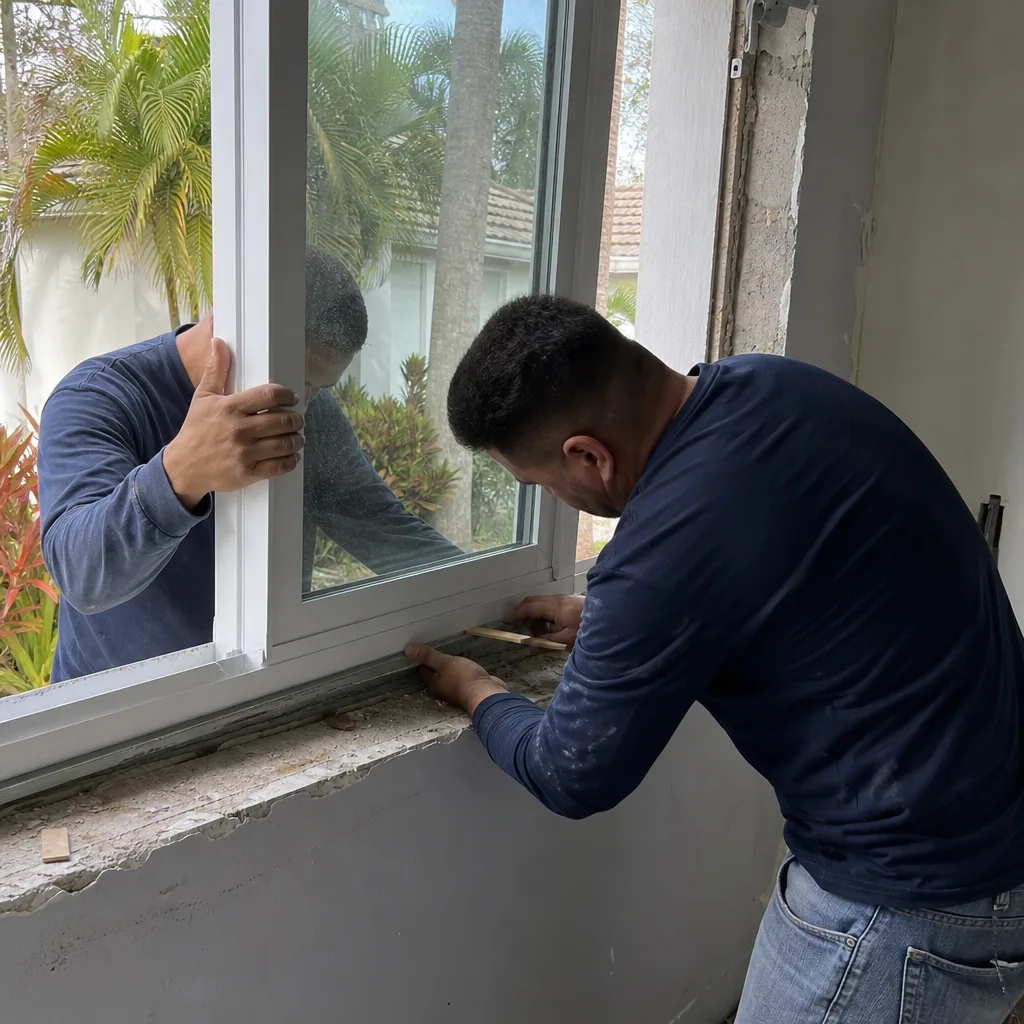
Most owners don’t discover a CWS addition problem all at once. It shows up as a hairline crack that widens each wet season, a patio slab that’s dropped a quarter inch against the new foundation, a room that never quite cools in August, or a permit file that’s thinner than the one you thought you had. Groundwork Construction Co. of Miami is an independent service provider and is not affiliated with CWS. We work with owners who already have a CWS structure, a CWS plan set, or a CWS system they want corrected – and we price the fix in writing before anyone swings a hammer.
Key Takeaways
- Installed CWS-compatible additions in Miami: $53,100 – $153,400. Full ADUs: $106,200 – $259,600.
- We are independent of CWS. We build to CWS-compatible specifications and we pull real Miami permits.
- Every project carries our 730-Day Done Right Promise – if it’s not done right, we make it right.
- Upfront pricing, no surprises. The number we quote is the number you pay, backed by 0% financing for 18 months and $1,000 off projects over $10,000.
Which CWS Models This Applies To
CWS builds its addition and ADU systems in series families, and the parts that fail first are not universal across them. If your structure uses a modular panel or truss series, the panel spec sheet (usually stapled inside the electrical subpanel cover or attached to the framing at the utility wall) tells you the series letter and the design load rating. That rating drives how a new opening, a beam, or a second story can be framed against the existing shell. Get it wrong and you’re not replacing a part – you’re rebuilding a wall.
Here’s the compatibility gotcha that bites Miami owners: CWS panel series rated for a certain wind-load and hurricane exposure category vary, and a panel stamped for a lower exposure won’t pass a Miami-Dade or Broward product approval when you tie into it. The engineering has to match the structure you already own, not the one on a brochure. That’s the OEM-versus-aftermarket decision in this trade. Using the original CWS-specified connectors, hangers, and tie-downs keeps the structure inside its original approval, which is what your inspector and your insurer want to see. Matching hardware is not a place to save $300.
How to identify what you have: photograph the panel stamp, measure the addition’s footprint to the nearest inch, and pull the original permit record from the county portal. Those three items tell us whether we’re matching series, whether the existing footing can carry the load, and what the compatible build actually looks like. We’d rather spend a day confirming compatibility than open a wall and find the tie-downs are a size off.
Styles & brands we work with
- Kitchen remodeling
- Bathroom remodeling
- Home additions & ADU
- Roofing
- Windows & doors
- Driveway & pavers
- Fence
Signs Your CWS Home Additions & ADU Is Failing
Miami’s wet season and salt air punish addition structures in ways that don’t show up in drier markets. The symptoms below are the ones we see most often on CWS builds, and each points to a specific underlying cause rather than general wear.
- Hairline cracks that widen each rainy season. This usually means the connection between the addition slab and the main house footing is moving, often because the tie-down hardware worked loose or was undersized from the start. Small cracks that grow season after season are your cue to get them looked at before they become a structural question.
- Sticking doors or windows in the new room. A room that used to open clean and now binds is often a sign of frame movement or moisture intrusion behind the casing. In Miami’s humidity, trapped moisture swells framing and wood trim, and the binding is the first thing you notice.
- Water staining at the roofline where the addition meets the original house. The transition is the most failure-prone point on any addition, and a failed flashing detail there lets rain in with every storm. This one compounds fast and should be checked before hurricane season, not after.
- A room that never cools, even with the AC cranked. Poor insulation at the panel joints or a compromised thermal break lets Miami heat bleed through. If the room runs 6 to 8 degrees warmer than the rest of the house, the envelope has a gap.
- Permit or inspection records that don’t match the structure. An addition built or finished without a passed final inspection is a real risk at resale and in an insurance claim. If your paperwork is thin, we’ll help you sort out what the county actually has on file.
If two or more of these are on your list, that’s a sign to get a professional look. These are structural systems, and the fixes involve load-bearing connections, tie-downs, and envelope work that go wrong quickly when skipped.
See the difference
 Before
 After
 Before
 After
 Before
 After
Replacement Cost & What’s Included
Installed cost for CWS-compatible work in Miami depends on scope, footprint, and how much existing structure has to be corrected before the new build ties in.
| Scope | Miami Installed Range |
|---|---|
| Home Addition | $53,100 – $153,400 |
| ADU Construction | $106,200 – $259,600 |
| Garage Conversion | $35,400 – $94,400 |
What drives the range: square footage and footprint, whether the existing footing and tie-downs hold up, whether you’re going up a story or out at grade, and the level of finish inside. A garage conversion lands at the low end because the shell, slab, and roof already exist. A full ADU sits at the top because it’s a complete second structure – foundation, shell, roofing, mechanical, electrical, plumbing, and finishes, all permitted separately.
Our estimates are written line by line. You see the material, the labor, and the permits as separate numbers, so nothing shows up later as a surprise. Permits are pulled and inspections passed on our scope, and every project is covered by our 730-Day Done Right Promise. We finance with 0% for 18 months, and projects over $10,000 get $1,000 off. The addition parts and hardware we source come through our verified brand partners, and in this trade that means structural connectors and framing spec’d to your existing CWS series, not whatever’s on the shelf.
DIY or Call Us?
What you can safely do yourself: photograph the panel stamp and permit records, measure your footprint, document the cracks and staining with dates, and pull the county inspection history. That homework makes a real estimate faster and sharper, and it costs you nothing.
What you shouldn’t touch: structural connections, load-bearing openings, tie-downs, and roof-to-wall flashing on an existing addition. These aren’t a weekend project. Get a tie-down or a beam connection wrong and you’re compromising the whole structure’s wind resistance – in Miami that’s a safety question, not a cosmetic one. Skip the part where you cut into a load-bearing wall to see what’s behind it.
Call (833) 968-1198 and we’ll schedule your free estimate. A live person answers, any time, and we’ll tell you straight what your CWS structure needs before you commit a dollar to it.
FAQs
A properly built and maintained addition should hold 30 to 50 years or more, but Miami’s humidity, salt air, and hurricane exposure shorten the timeline on the parts that fail first – roof-to-wall flashing, tie-downs, and the panel-to-slab connection. Those components are where maintenance attention pays off. Call (833) 968-1198 for a free estimate on the repair or rebuild – we’ll tell you what’s holding and what isn’t.
Often, yes. Localized cracks, flashing failures, and envelope gaps can frequently be repaired without a full rebuild, and we price the repair against the rebuild so you can see both. A failed footing or undersized tie-downs usually means more than a patch. Call (833) 968-1198 for a free estimate and we’ll lay out both options in writing.
A localized repair might take a few days; a full addition runs weeks to months depending on scope and permitting, and an ADU runs longer because it’s a separate permitted structure. The timeline is one of the first things we put in writing, alongside the price. Call (833) 968-1198 to schedule your free estimate and design consult.
We source structural connectors, framing, and finishing materials through our verified brand partners and spec them to your existing CWS series and its design load rating, not to a generic catalog. Matching the original spec is what keeps your structure inside its approval. Call (833) 968-1198 for a free estimate – we’ll confirm compatibility before any work starts.
We also service KraftMaid, Cambria, and Silestone products for owners handling interior finishes alongside an addition. From foundation to finish line, Groundwork Construction Co. of Miami handles the whole scope under one roof, with upfront pricing, no surprises, and a 730-Day Done Right Promise standing behind the work.
If your CWS addition or ADU is showing cracks, water, or a room that won’t stay cool, don’t wait for the next storm to find out. Call (833) 968-1198 for a free estimate – a live person answers around the clock, and our team will walk your Miami property, confirm what’s actually failing, and put a written number in front of you before you commit. Built to last, backed in writing.
Written by the team at Groundwork Construction Co. of Miami, serving Miami and nearby areas.