
 Home additions & ADU
 Kitchen remodeling
 Bathroom remodeling
 Roofing
 Windows & doors
 Driveway & pavers
 Fence
Free written scope consultation - allowances, timeline, and change-order rules on paper before a single trade is scheduled
Styles & brands we work with
- Kitchen remodeling
- Bathroom remodeling
- Home additions & ADU
- Roofing
- Windows & doors
- Driveway & pavers
- Fence
See the difference
 Before
 After
 Before
 After
 Before
 After
Do You Need a Permit for a Home Addition in Miami? Yes – and the Permit Is the Easy Part
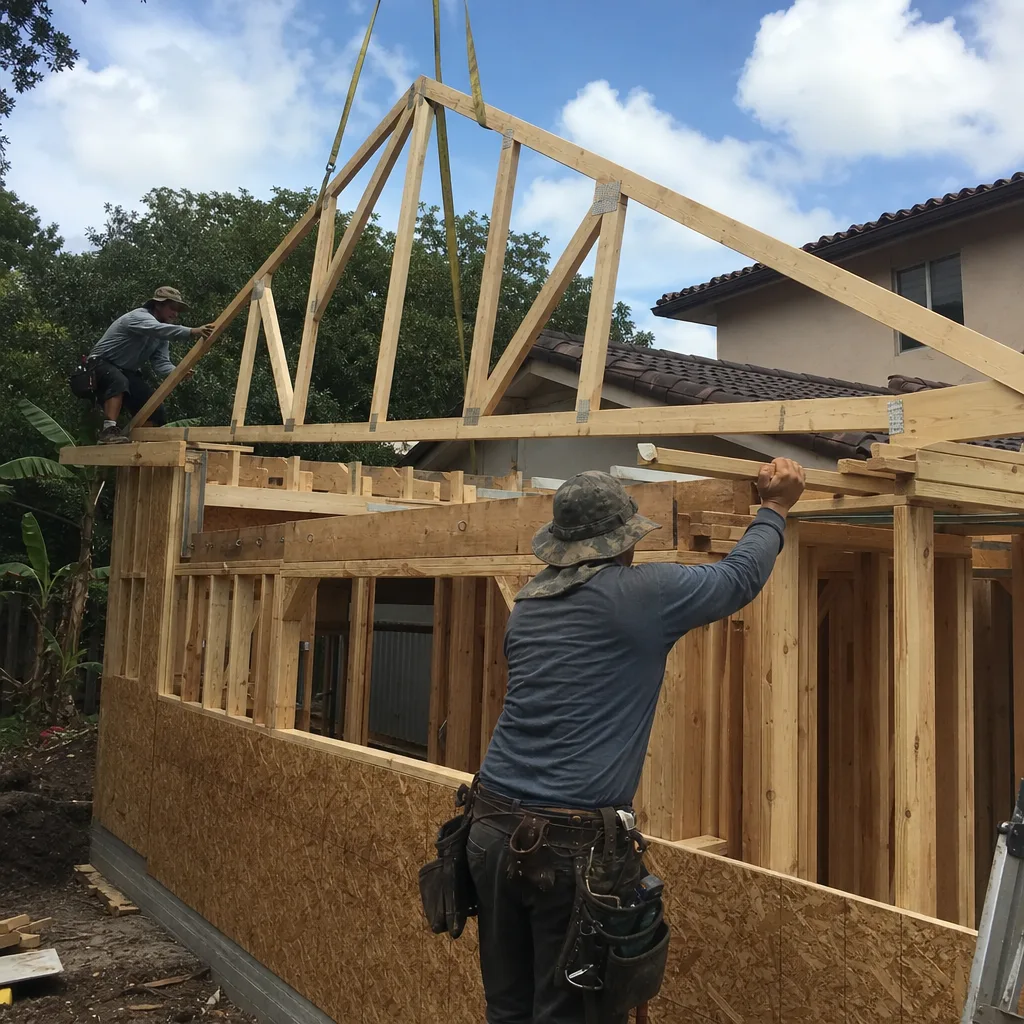
Yes. Every home addition in Miami-Dade County requires a building permit, and there’s no square-footage threshold that lets you skip it. But the permit itself is rarely what derails a project here. What derails it is the cascade of wind-mitigation and structural upgrade requirements the permit triggers – requirements that can reshape your budget before a single block is laid. In Miami, whether the answer is “just pull a permit” or “pull a permit and plan for a full wind upgrade on the existing house” depends on numbers most homeowners never hear about until they’re three weeks in.
Call Groundwork Construction Co. of Miami at (833) 968-1198 and we’ll walk you through the risk before you sign anything.
The 50% Rule That Changes Your Whole Project
Add 200 square feet to a 1962 CBS home in Coral Gables and you may legally owe the county a full wind-mitigation upgrade on the existing structure – not just the new addition. That’s Miami-Dade’s “substantial improvement” threshold at work. If the value of your addition exceeds 50% of the existing structure’s appraised value, the entire home must be brought up to current Florida Building Code wind standards. Not just the new walls. The whole house.
Almost no national permit checklist mentions this. It’s the single most expensive omission in the permit conversation for Miami homeowners, and it’s why we treat it as step one.
Here’s what that means in practice:
- A modest 400-square-foot addition on an older low-value structure can trip the 50% line and force a roof-to-foundation wind upgrade.
- The calculation uses assessed value, not what you paid for the house – a distinction that trips up a lot of people.
- Windows, doors, roof-to-wall connections, and roof sheathing can all become part of the required scope even though they’re not part of the addition.
The good news: this is knowable up front. A competent contractor runs the substantial-improvement math before the contract, not after the inspector flags it. That’s the difference between a project that stays on budget and one that doubles in scope halfway through framing.
Why Off-the-Shelf Materials Fail Miami Inspections
Every structural opening in your addition – windows, doors, skylights – must carry a Miami-Dade Notice of Acceptance (NOA) number. Not a Florida product approval. Not a national rating. An NOA. Miami-Dade is the only place in the US with its own product-approval system, and it exists for one reason: the High Velocity Hurricane Zone.
What that means for you as a homeowner:
- A window you buy off the shelf at a big-box store often lacks an NOA – and it fails inspection on the first visit.
- Replacing it with an NOA-approved unit means a second order, a second lead time, and a schedule slip that can run weeks.
- The same rule applies to impact-glass units, exterior doors, and any shutter system tied to the addition.
We spec additions with brand partners whose products carry the right approvals from day one – Andersen and Pella for windows, James Hardie for cladding, and impact-rated assemblies that clear Miami-Dade review without a second trip. The point isn’t the brand name. The point is that the paperwork is already there.
The Pre-1970s Problem: Unreinforced Masonry
Much of Miami’s older housing stock is unreinforced masonry – concrete-block and CBS homes with flat or low-slope roofs, dominant in neighborhoods like Little Havana and Overtown. Tie a new addition into that structure and the county often requires a structural engineering letter before the permit is even accepted.
That letter isn’t a formality. It usually takes 2 to 4 weeks and involves a licensed engineer evaluating whether the existing walls can carry the new load and accept the required connections. On a 1958 home with no drawings on file, that process can stretch longer.
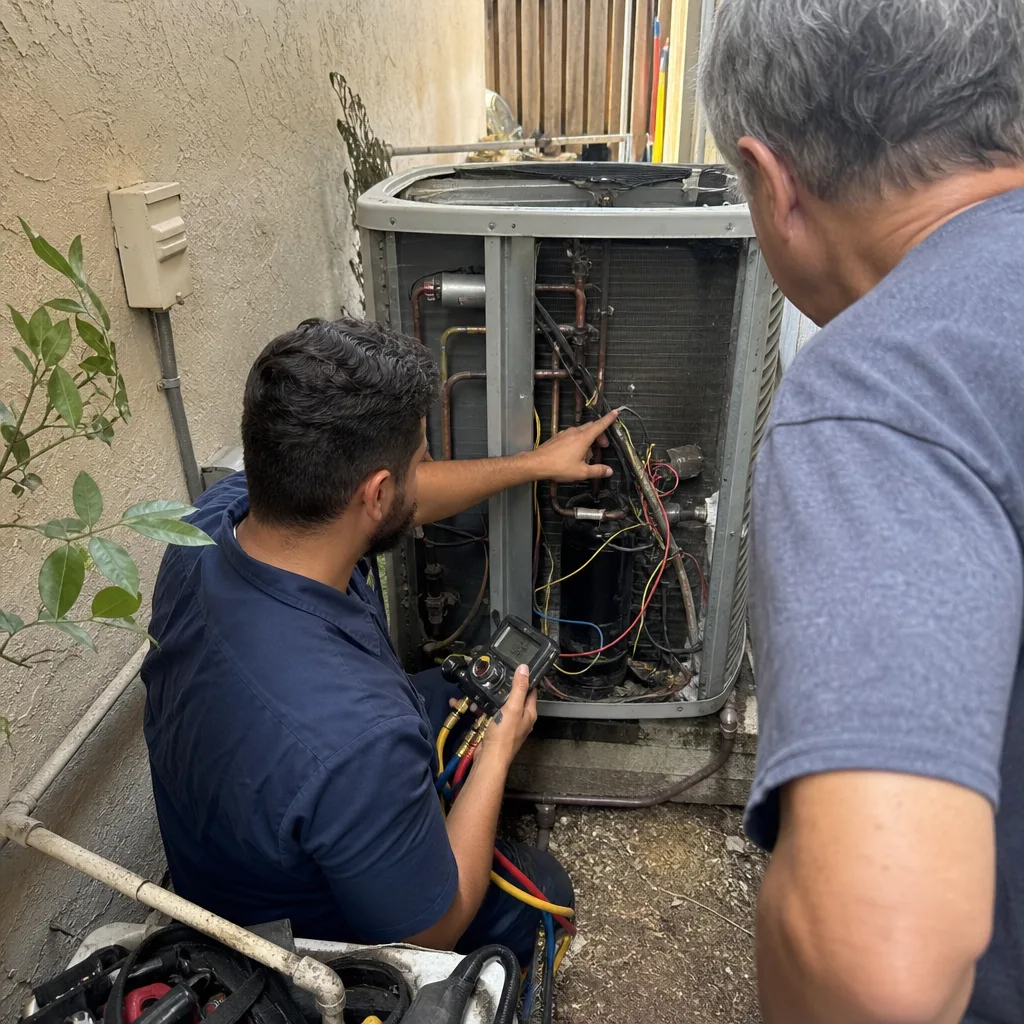
Add it to the permit timeline and a typical addition in Miami spends 6 to 10 weeks in review before site work begins – sometimes more if the substantial-improvement calculation forces a scope revision. Plan for it, and the schedule holds. Ignore it, and the schedule blows up.
What a Home Addition Actually Costs in Miami
Home additions in Miami run $53,100 to $153,400 for the build itself. That’s your lead range. The permit, engineering, and any force-triggered upgrade costs sit alongside it, and on older homes they can add meaningful money to the total. An ADU is a separate category and runs higher – typically $106,200 to $259,600.
| Scope | Typical Miami Cost |
|---|---|
| Home Addition | $53,100 - $153,400 |
| ADU Construction | $106,200 - $259,600 |
| Garage Conversion | $35,400 - $94,400 |
| Impact Window Installation (whole home) | $9,440 - $29,500 |
| Roof Replacement (if pulled into scope) | $9,440 - $23,600 |
Those last two lines are the ones homeowners don’t see coming. If the substantial-improvement rule kicks in, windows and roof become part of the addition budget – and that’s before the 40-Year Recertification question enters the picture. For more on scoping an addition or accessory unit, see our Home Additions & ADU service page.
How We Take the Surprise Out of It
Upfront pricing, no surprises – that’s the phrase we live by, and it applies to the permit question as much as to the build. Before you sign, we run a permit-cost estimate and a scope-impact assessment. That means:
- The substantial-improvement math is done in writing, not discovered later.
- Any NOA-driven material substitution is priced before the order goes in.
- If an engineering letter is likely, you know the timeline and the cost.
Every project we touch is covered by our 730-Day Done Right Promise – if it’s not done right, we make it right. Our technicians have up to 12 years of experience, and they arrive background-checked and in uniform. Calls reach a live person 24/7. So if you’re sitting on the couch on a Sunday night with a very Miami question – “do I need a permit for the addition I just sketched on a napkin?” – you get a real answer before Monday morning kills the momentum.
FAQs
Yes, always. There is no square-footage exemption for a home addition in Miami-Dade County, and the county requires a building permit for any addition to a residential structure. The permit process also triggers the substantial-improvement calculation, the NOA review for structural openings, and often a structural engineering letter on older homes. Call (833) 968-1198 for a straight answer on your specific structure.
If your addition’s value exceeds 50% of the existing structure’s appraised value, Miami-Dade requires the entire home to be brought up to current Florida Building Code wind standards. That means the upgrade applies to the whole house, not just the new work. It’s the most expensive rule most national permit guides skip. We’ll do the math with you before you commit – estimates are free.
A typical Miami home addition spends 6 to 10 weeks in permit review, and pre-1970s unreinforced masonry homes in Little Havana or Overtown can add 2 to 4 weeks for a structural engineering letter alone. Timelines shift with submittal quality and inspector backlog. Call (833) 968-1198 to walk through the realistic schedule for your address.
Yes. Every structural opening in a Miami-Dade addition must carry a Miami-Dade Notice of Acceptance number, which is stricter than a Florida product approval or a national rating. Off-the-shelf materials often lack NOAs and fail inspection on the first visit. We spec approved units from the start so this doesn’t become a mid-project setback.
Let’s Get You a Straight Answer
If you’d rather have it looked at, Groundwork Construction Co. of Miami offers a no-pressure assessment in Miami – call (833) 968-1198. We’ll run the substantial-improvement math, flag any engineering or NOA issues, and give you a real number before you commit. Live person, 24/7.
Related reading: our main home page for the full scope of what we build.
Written by the team at Groundwork Construction Co. of Miami, serving Miami, FL.