
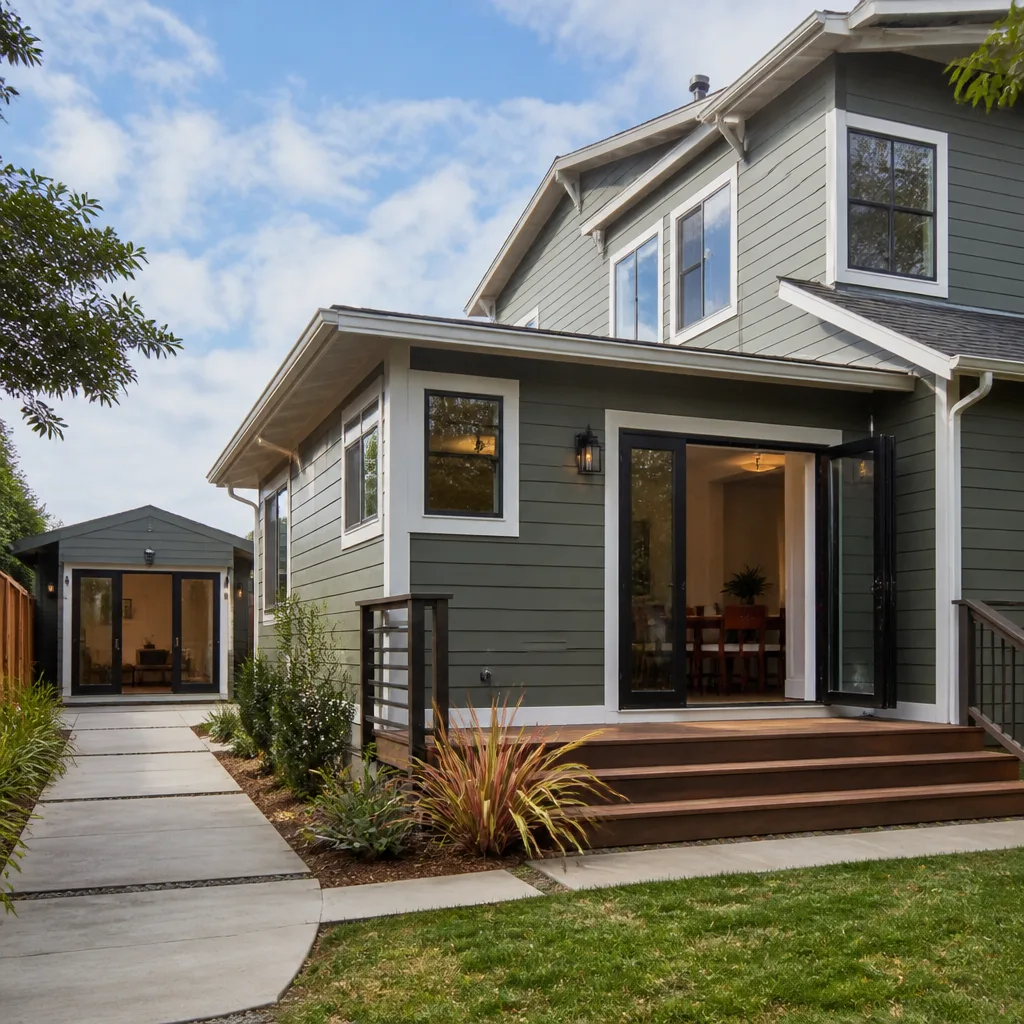
 Home additions & ADU
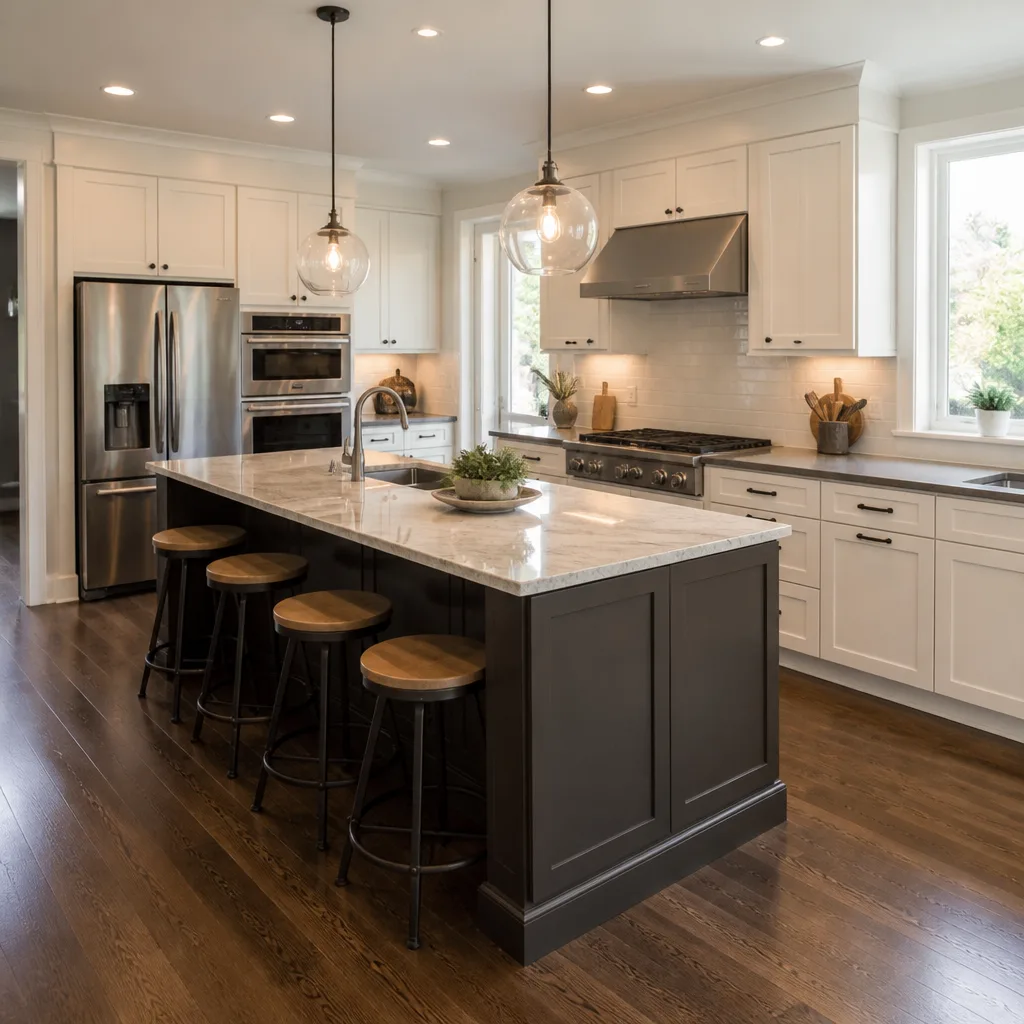 Kitchen remodeling
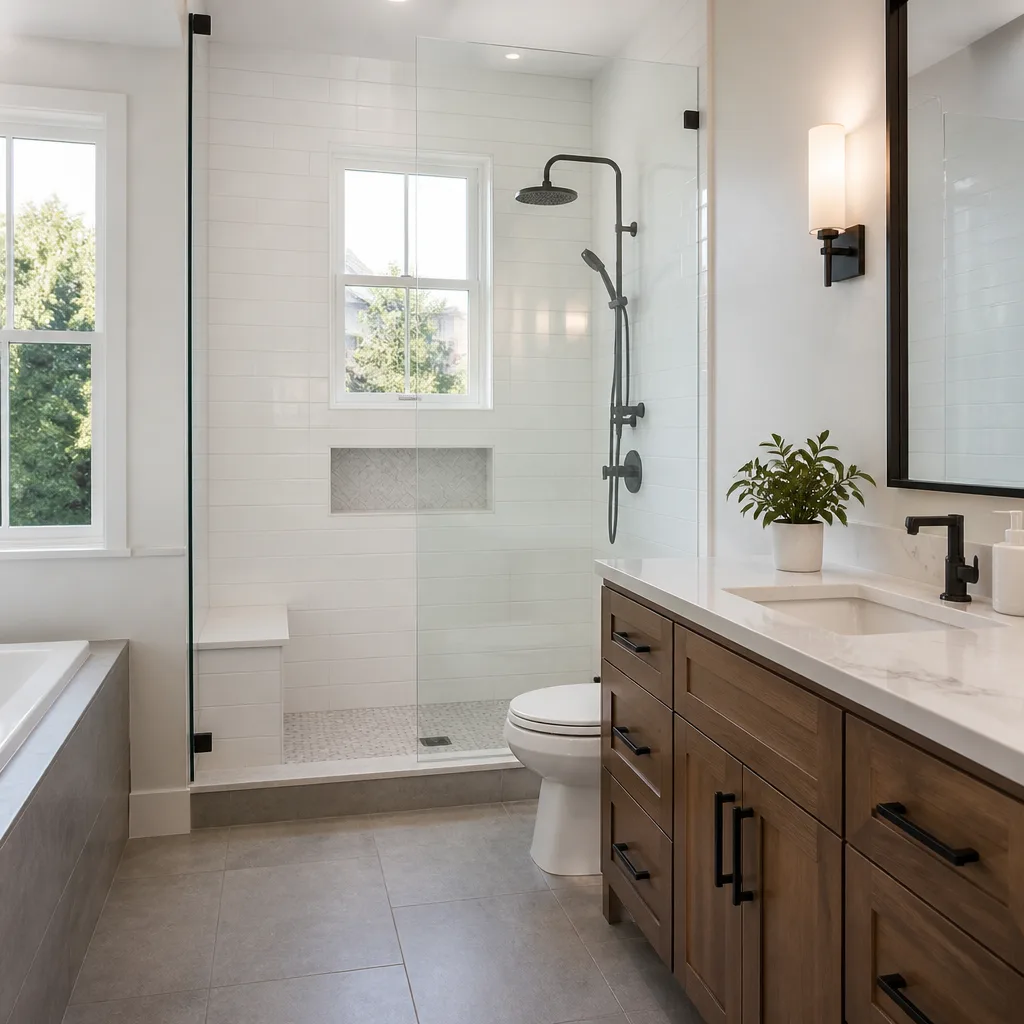 Bathroom remodeling
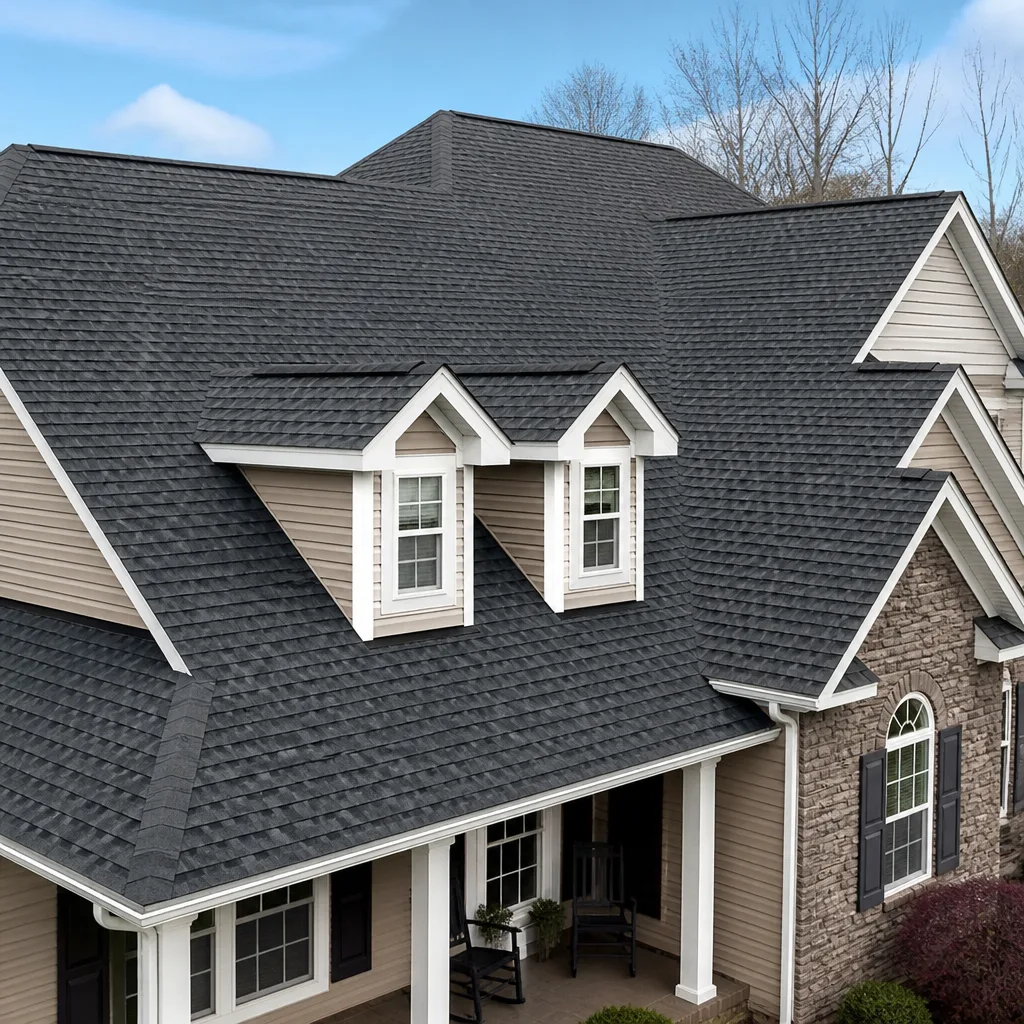 Roofing
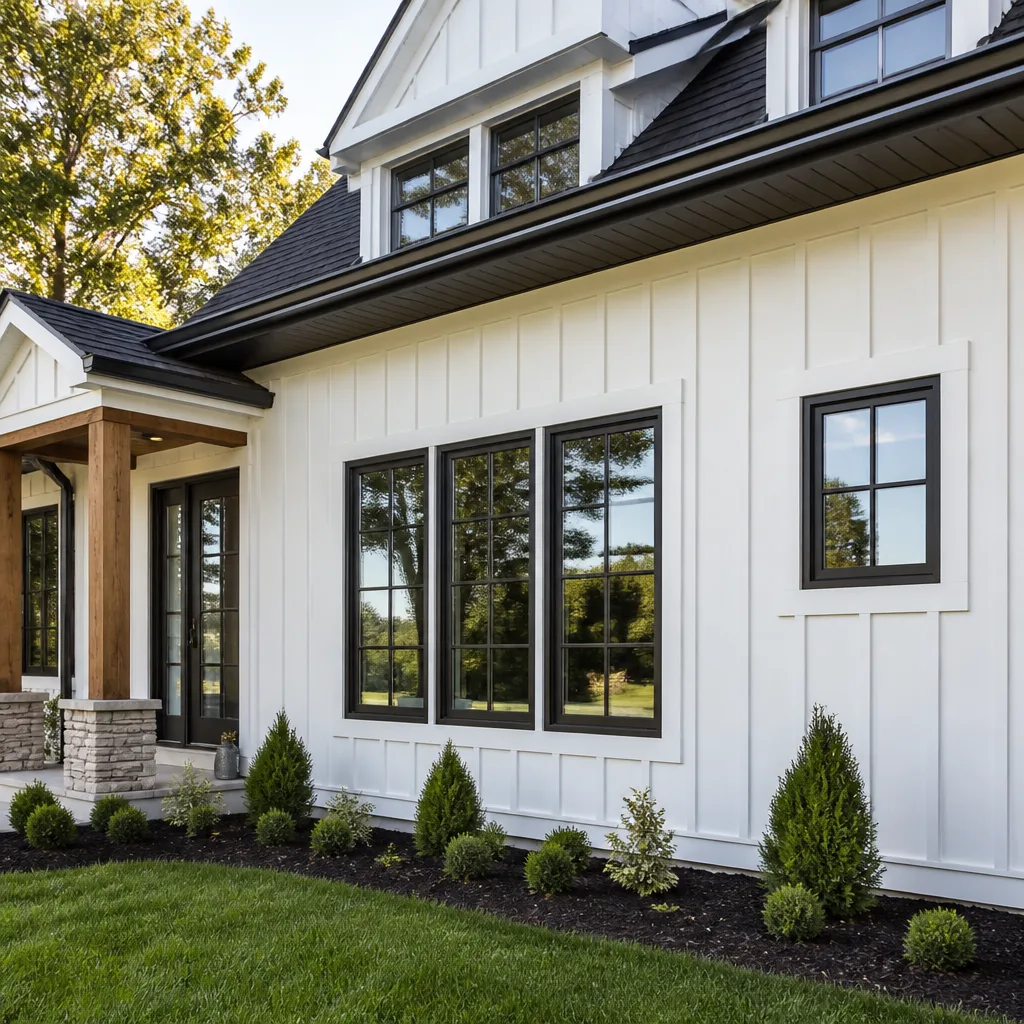 Windows & doors
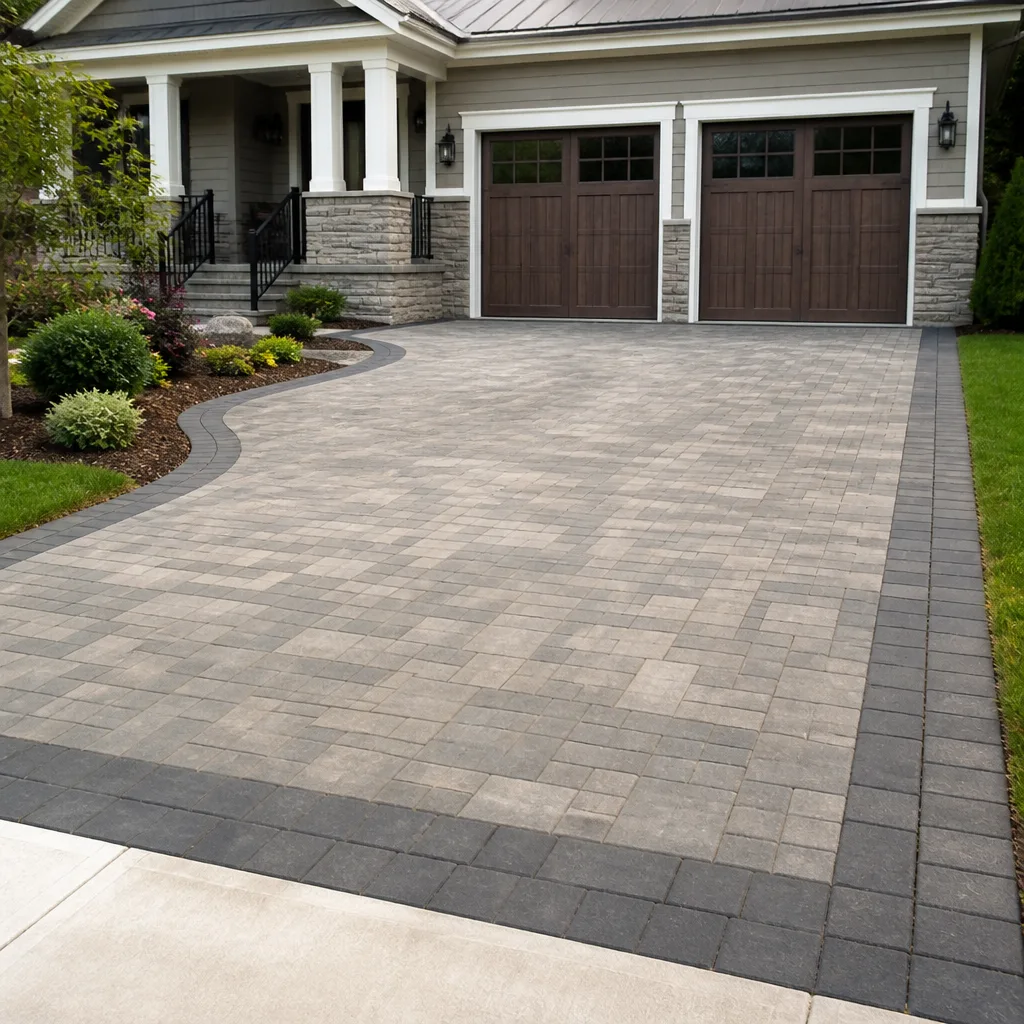 Driveway & pavers
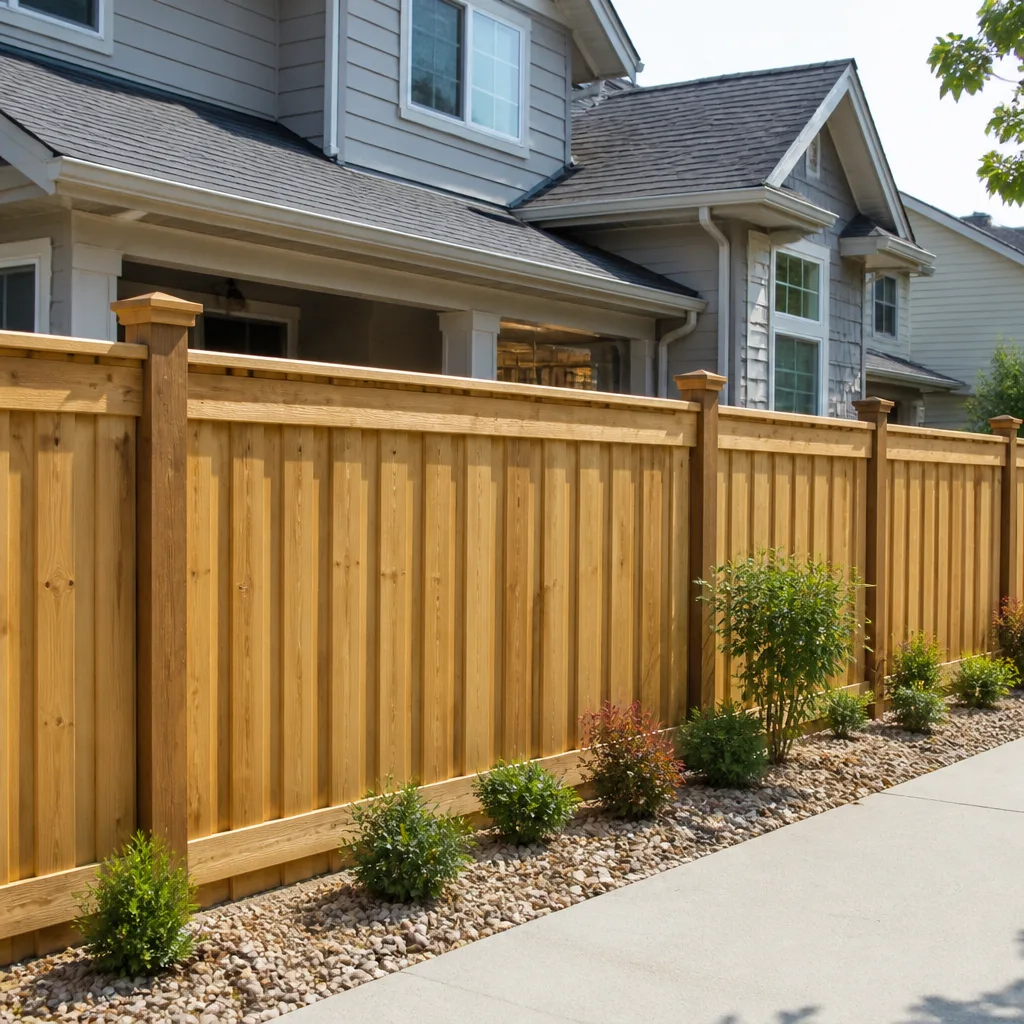 Fence
Free written scope consultation - allowances, timeline, and change-order rules on paper before a single trade is scheduled
Styles & brands we work with
- Kitchen remodeling
- Bathroom remodeling
- Home additions & ADU
- Roofing
- Windows & doors
- Driveway & pavers
- Fence
See the difference
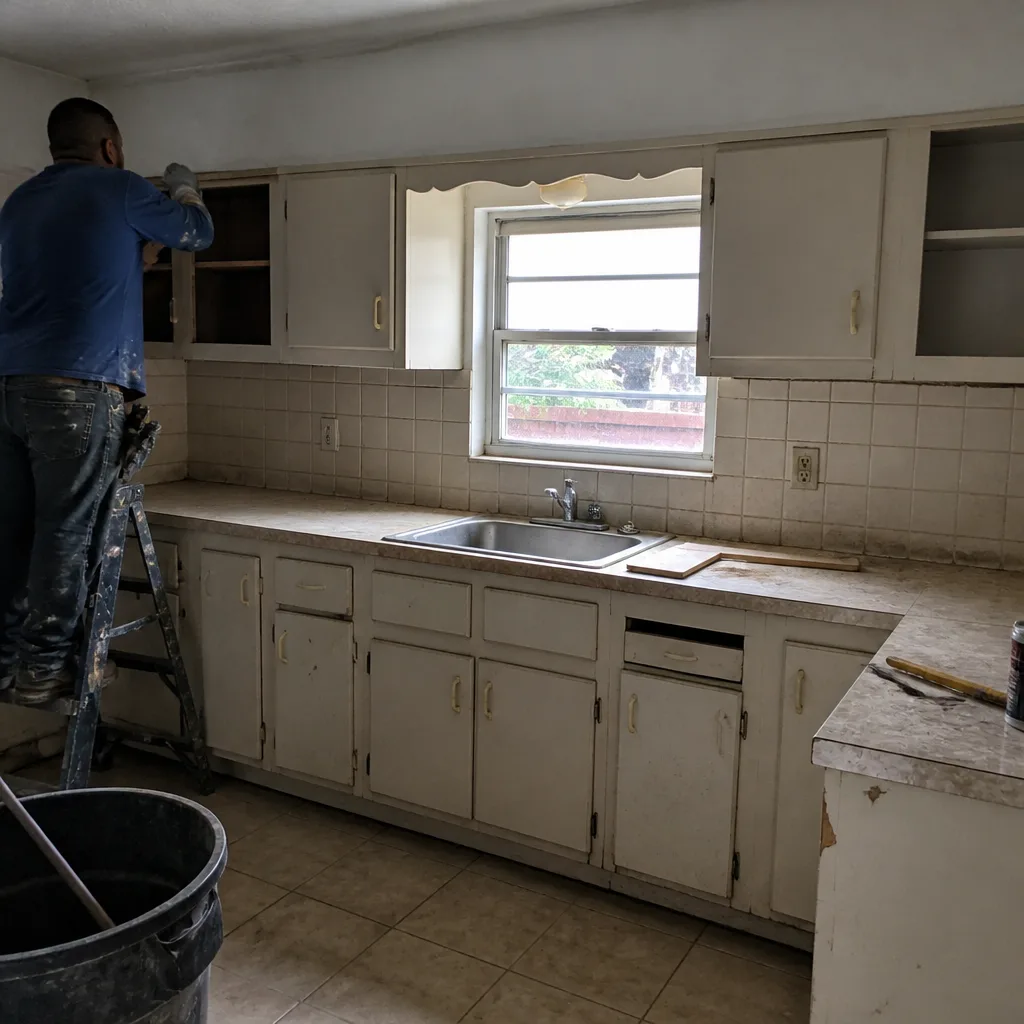 Before
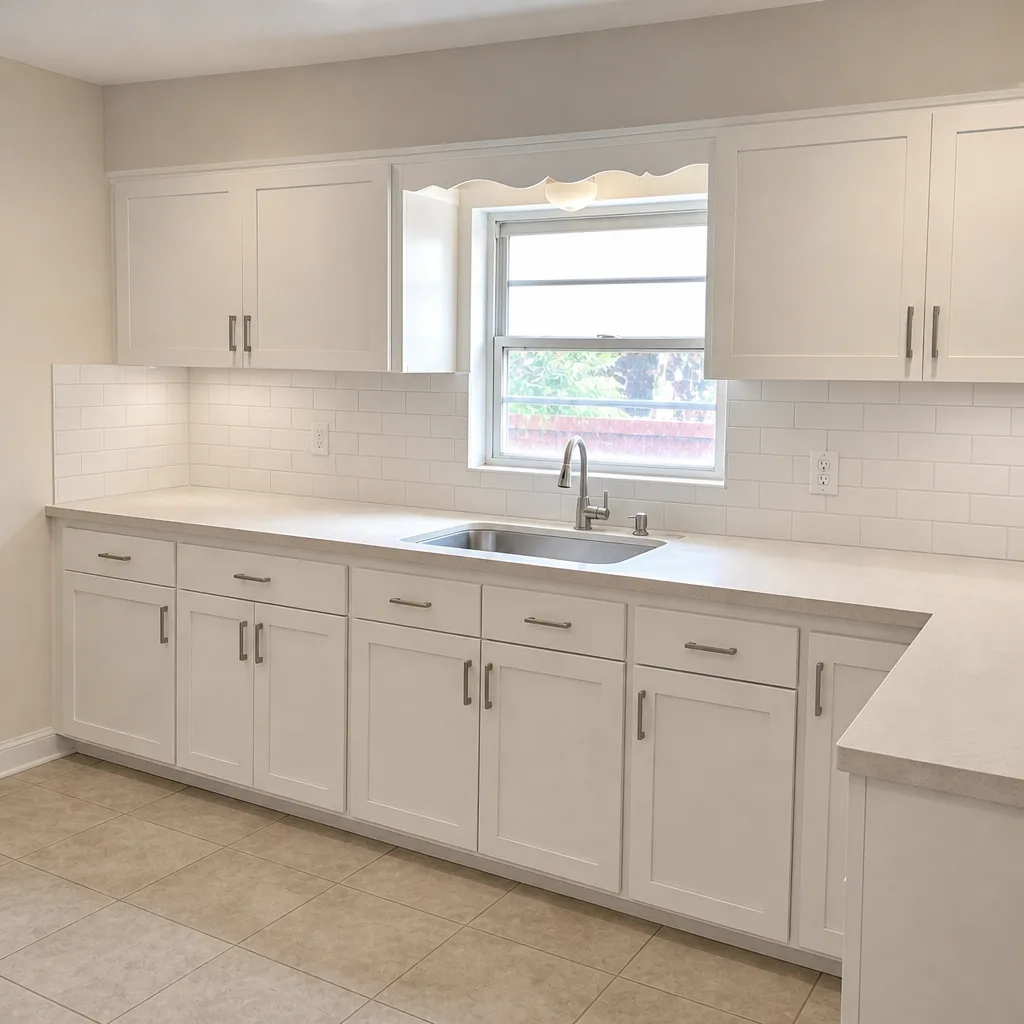 After
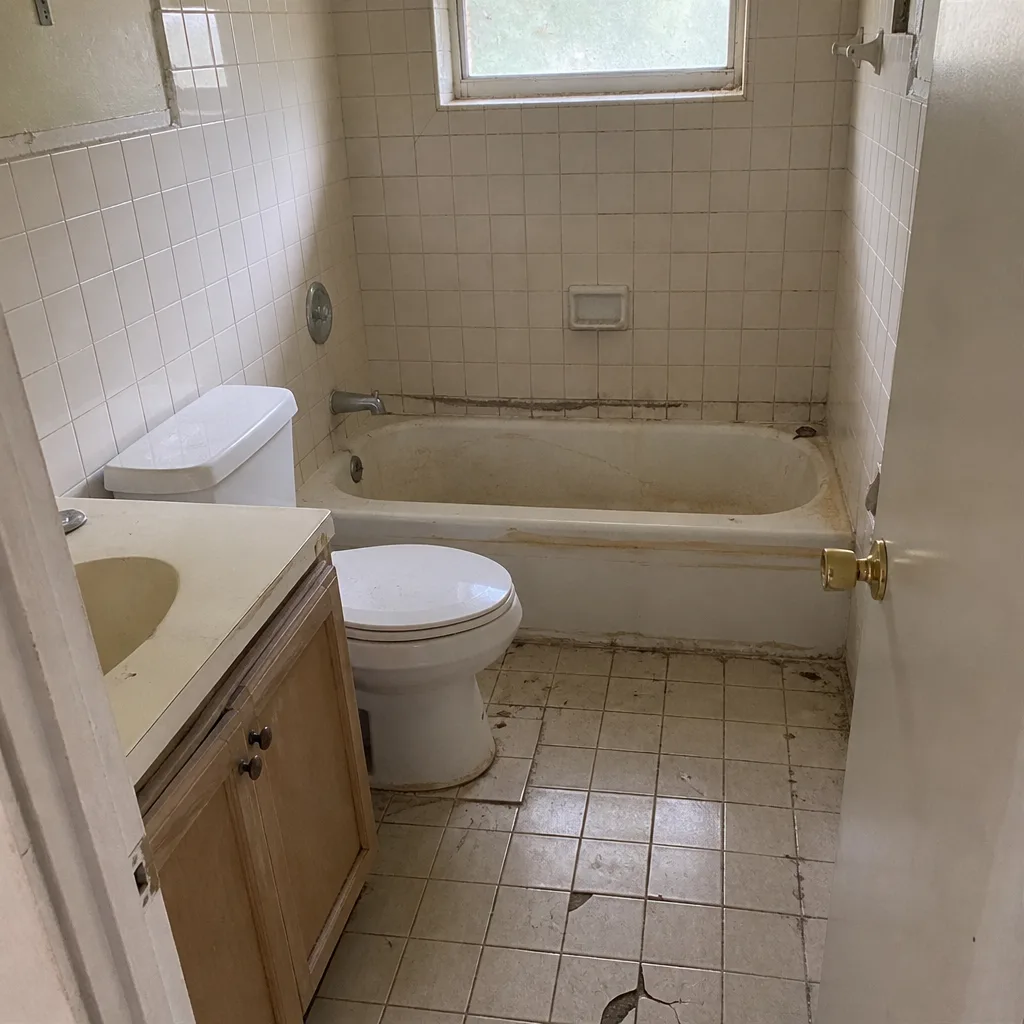 Before
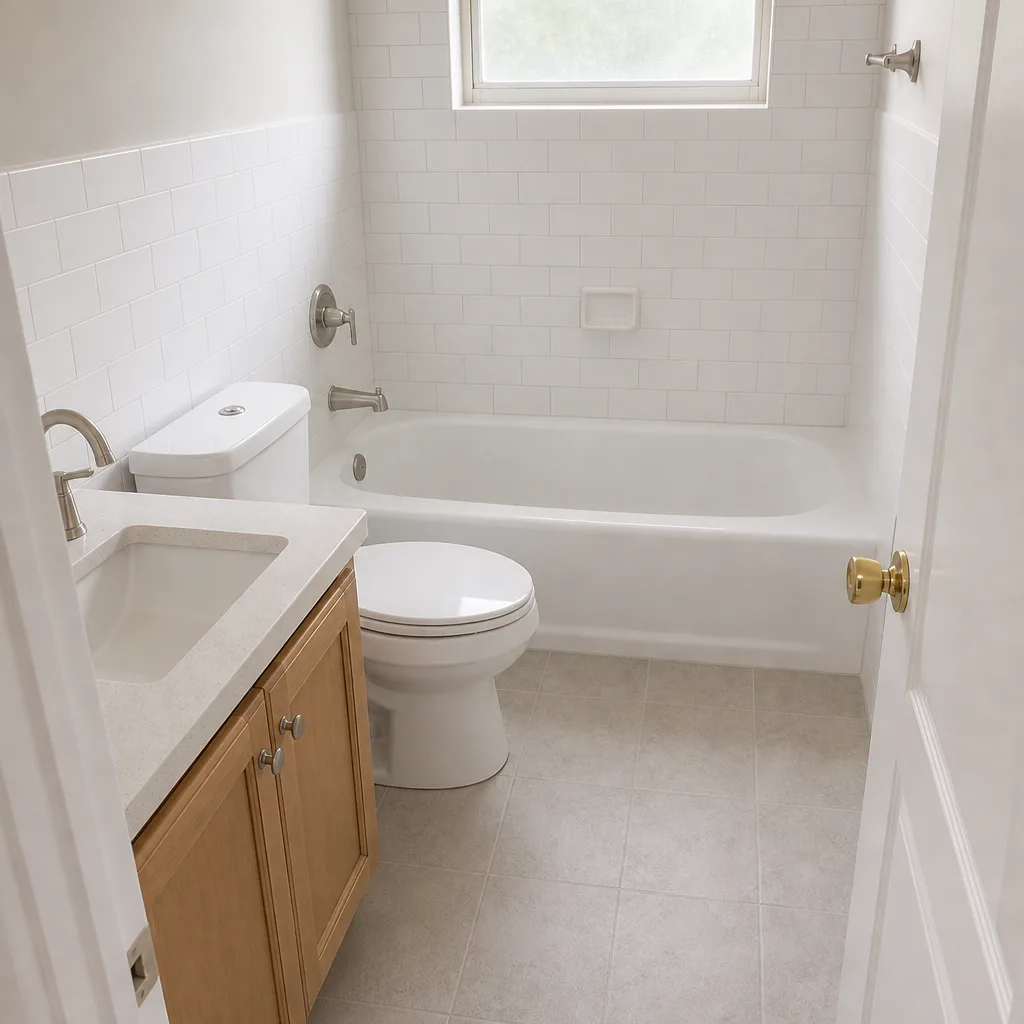 After
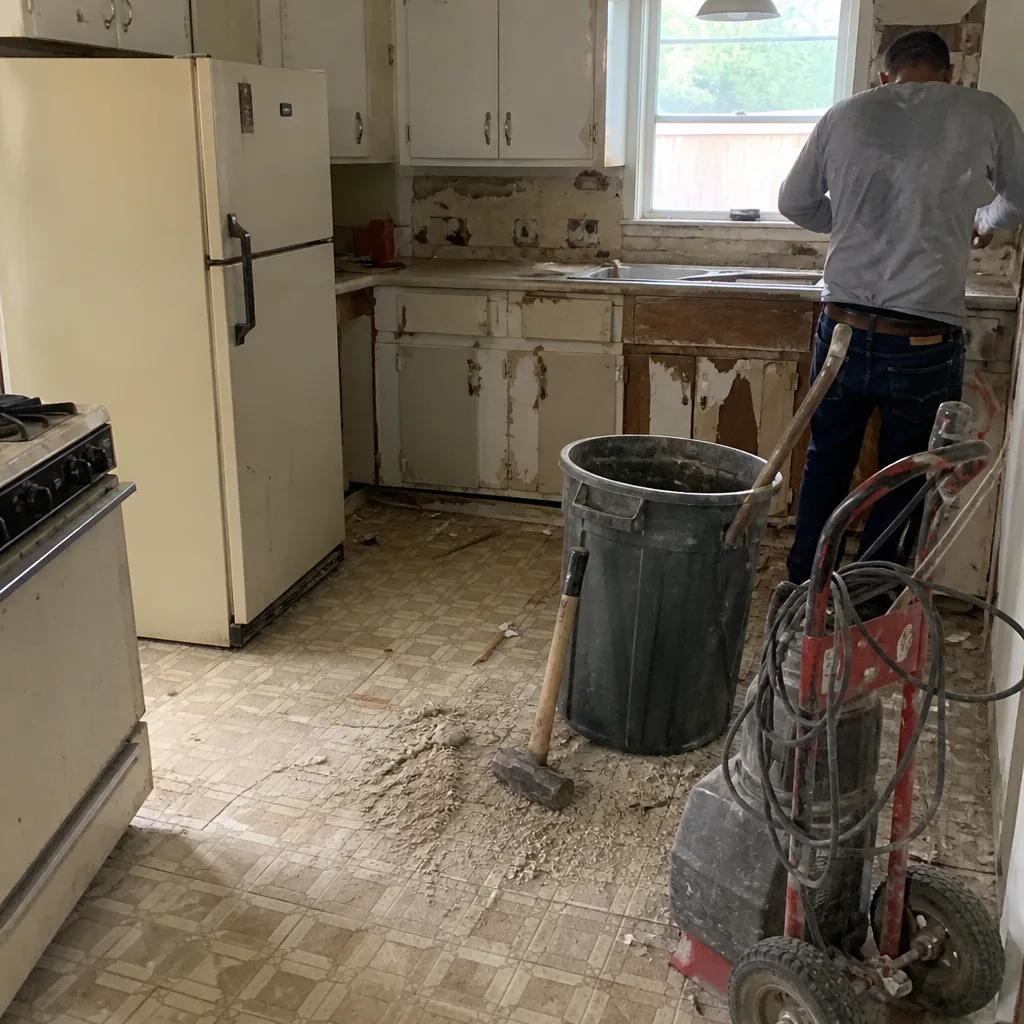 Before
 After
Home Addition vs ADU in Miami, FL: Which One Actually Makes Sense on Your Lot?
Choose a connected home addition unless you want a rentable unit or your lot can’t structurally take one. That’s the honest short answer for most Miami homeowners. A connected addition reuses your existing footprint, inherits your existing elevation certificate, and usually costs less per square foot than a detached ADU. A detached ADU costs more up front, especially in flood zones, but it can pay you back in rent. To talk through your specific lot, call Groundwork Construction Co. of Miami at (833) 968-1198 for a free estimate.
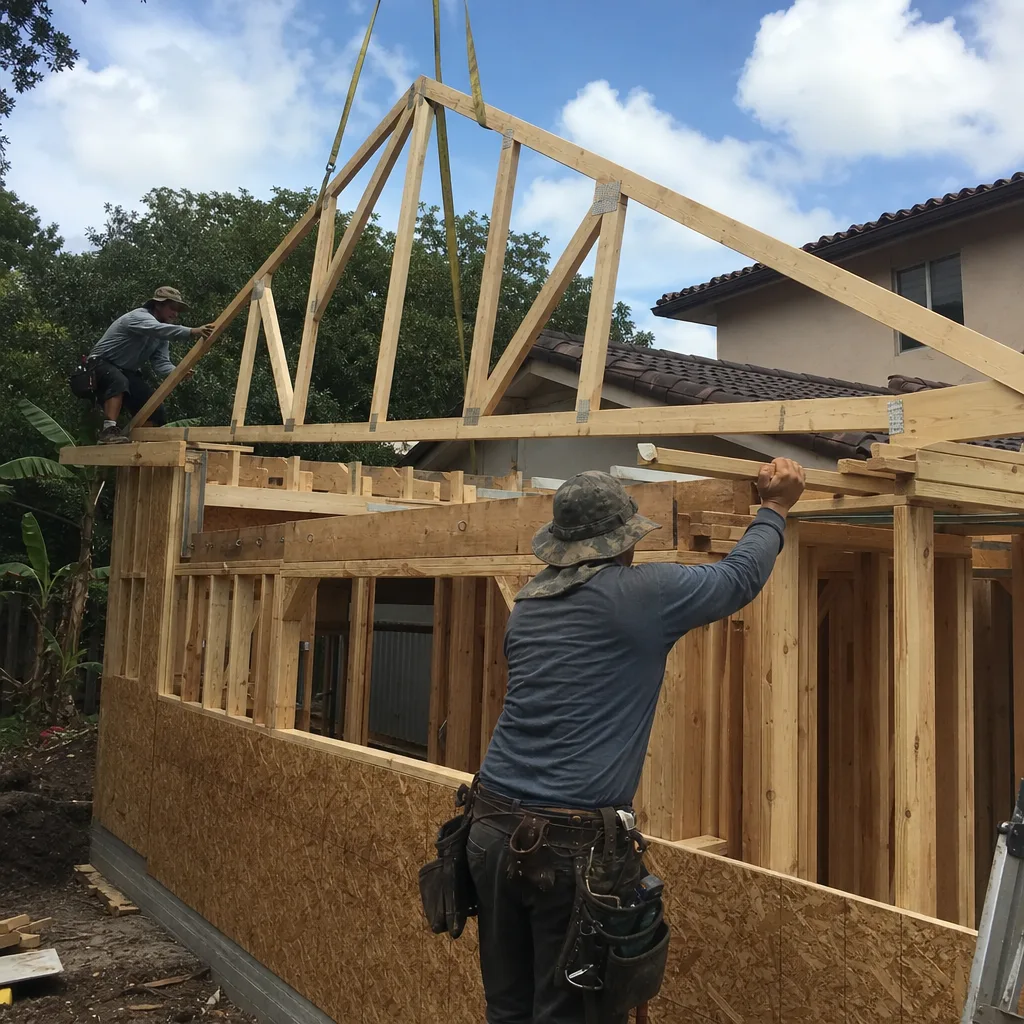
On a Coconut Grove lot in a VE flood zone, a detached ADU can require the new structure to be elevated to 12+ feet above sea level, which can push a $150,000 project to $220,000. A connected addition on the same lot usually sidesteps that trigger. The choice here isn’t really about style. It’s about flood maps, lot coverage, and rental income.
Why Miami Makes This Decision Different
Most of the country can weigh additions and ADUs on square footage and budget alone. Miami can’t. Miami-Dade’s flood zones and coastal building rules change the math in ways homeowners don’t expect until they’re deep into a bid.
The key distinction: a connected home addition is generally treated as an extension of your existing house, so it typically inherits the building’s existing elevation certificate. A detached ADU is a brand-new structure. Under FEMA rules it has to meet current Base Flood Elevation requirements on its own. On coastal Miami lots in VE or AE zones, that difference is worth tens of thousands of dollars.
There’s a second layer most people miss. Miami-Dade enforces the “substantial improvement” rule: if your project’s cost crosses 50% of your home’s assessed value, you can be pushed into bringing the whole structure up to current code. On a $350,000 home, a $200,000 addition might trigger wind-mitigation upgrades across the entire house. That partially closes the gap with a standalone ADU, but only sometimes, and only on your specific numbers.
Beyond flood rules, Miami construction runs on the High Velocity Hurricane Zone. Miami-Dade is the only place in the U.S. with its own product-approval system, so every window, door, and impact assembly carries a Miami-Dade NOA number, not just a Florida or national approval. This is where brands like Therma-Tru, Mr-Glass, and ViewLux earn their place on our material list: their assemblies carry the documentation the county wants. It’s also why we don’t hand you a bid without a real site review first.
What to Look for When You Compare the Two
Instead of a features-vs-features chart, here’s what actually matters in Miami. Run any quote you get through these filters before you sign.
- Elevation certificate status. Does the scope inherit your existing EC, or does it trigger a new one? Ask directly. The answer is often the single biggest line item.
- Substantial improvement exposure. Get the 50%-of-value calculation done early. If your addition pushes you over, factor whole-home mitigation upgrades into both sides of the comparison.
- Lot coverage and setbacks. A detached ADU needs its own footprint cleared with the city. A connected addition reuses yours. Check your zoning limits before you fall in love with a plan.
- Rentability. An ADU can be rented. An addition generally can’t be split off as a separate unit. If income is the goal, that’s the deciding factor.
- Structural reality of the existing house. Pre-1970s CBS homes dominate Miami’s inner neighborhoods, and many can’t support a second-story addition without major structural reinforcement. On those lots, a detached ADU may be the only realistic expansion path.
A first-hand note from the job: the homes that surprise people are the older CBS houses in neighborhoods like Little Havana and Shenandoah, where a second-story addition bid quietly balloons once the engineer looks at the existing block and footing. We catch that in the first site visit, not on change-order day.
Cost Comparison: Addition vs. ADU in Miami
Here are typical all-in ranges for Miami. These cover both paths and a few related scopes so you can see where the numbers land. Your exact figure depends on flood zone, lot, and finishes.
| Project | Typical Miami Range |
|---|---|
| Connected Home Addition | $53,100-$153,400 |
| Detached ADU Construction | $106,200-$259,600 |
| Garage Conversion (to living/ADU space) | $35,400-$94,400 |
| Impact Window Installation (often required on new scope) | $9,440-$29,500 |
Notice the ADU range starts about double the addition floor. In a flood zone, that gap can widen by another $50,000+ when the structure has to be elevated. We price all of this upfront. The number you see is the number you pay, and if you need help financing the larger ADU number, 0% financing for 18 months and $1,000 off projects over $10,000 both apply to either path.
Those two offers matter more for ADUs than they do for additions. On ADUs, flood-zone compliance costs are frequently buried in competitor quotes and then show up as change orders. Upfront pricing keeps those costs visible from the start. If you want the full picture of how we scope either project, our home page and our main Home Additions & ADU service page walk through the process start to finish.
When Does an ADU Pay for Itself?
An ADU pays for itself through rent, which is the one thing an addition can’t do. In Miami’s rental market, a single-bedroom unit has been renting for $2,100+ per month. At that rate, a compliant detached ADU can cover the extra flood-elevation construction cost in roughly 3 to 4 years, then keep generating income after that.
Additions don’t work that way. They add living space, resale value, and room for family, but they don’t hand you a monthly check. If you want the space, go with an addition. If you want income and can absorb the higher up-front cost, the ADU is the better long-term play.
One practical guardrail: a garage conversion sits between the two. It’s cheaper than a ground-up ADU, reuses an existing structure (often sidestepping some elevation issues), and can still be rented. That’s why it shows up as frequently as it does on Miami lots.
Frequently Asked Questions
Usually yes. A connected home addition in Miami typically runs $53,100-$153,400, while a detached ADU runs $106,200-$259,600, and the gap grows in flood zones where elevation is required. Call (833) 968-1198 for an exact quote on your lot; estimates are free.
Often not. A connected addition is generally treated as part of the existing structure and inherits the current elevation certificate, while a detached ADU is a new structure that must meet current Base Flood Elevation requirements on its own. It’s worth confirming before you commit to a design, and our team can review your flood zone with you.
An ADU is designed as a separate rentable unit; a connected addition almost never is. In Miami’s rental market a single-bedroom unit has been renting for $2,100+ per month, so an ADU can recover its extra cost in about 3 to 4 years. Call (833) 968-1198 to talk through the zoning for your property.
Miami-Dade requires that if your project cost crosses 50% of your home’s assessed value, the whole structure may need code upgrades. A large addition on a lower-value home can trigger this, which is why we calculate it early. Call (833) 968-1198 and we’ll run the numbers with you, no pressure.
Honest Guidance, Not a Sales Pitch
We’d rather help you pick the right path than push the bigger invoice. If you’d rather have it looked at, Groundwork Construction Co. of Miami offers a no-pressure assessment in Miami: call (833) 968-1198. Our technicians bring up to 12 years of experience, every project is backed by our 730-Day Done Right Promise, and a live person answers the phone 24/7.
Written by the team at Groundwork Construction Co. of Miami, serving Miami, FL.