
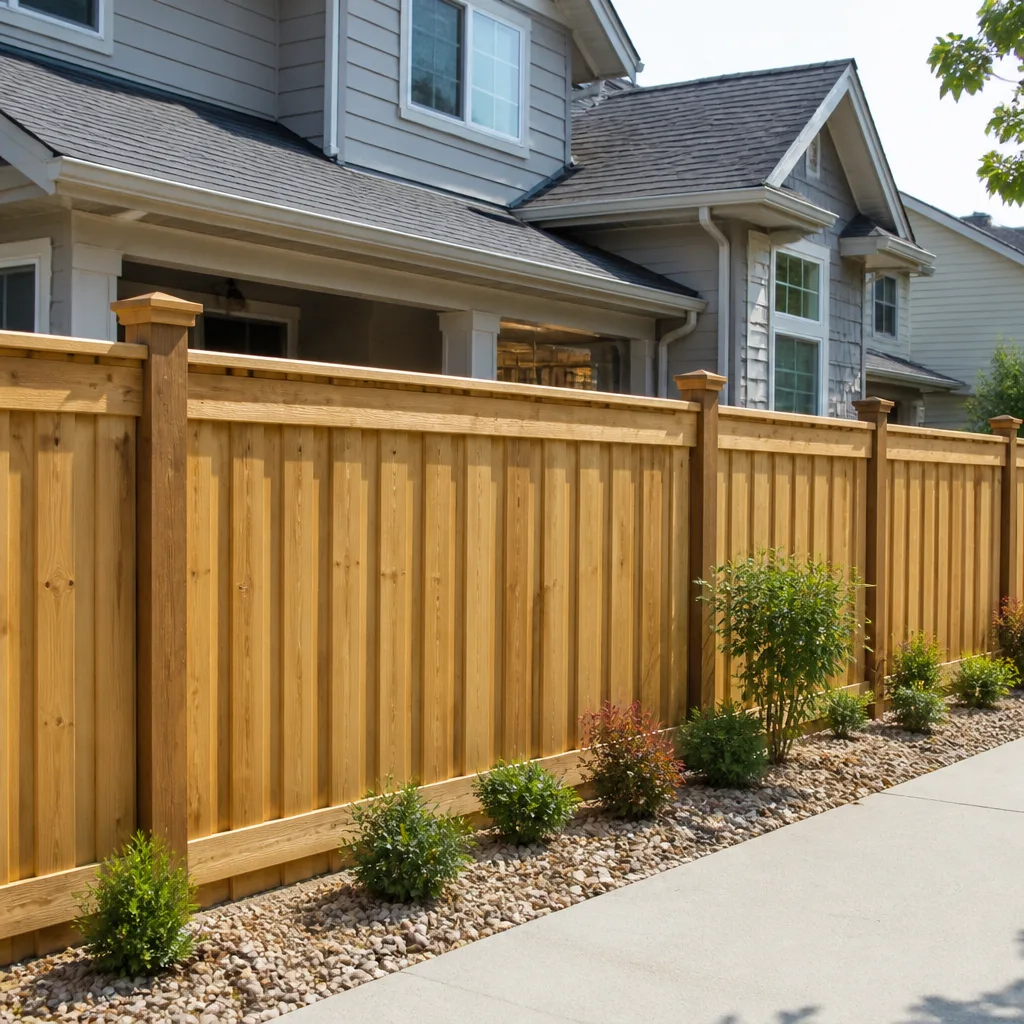
 Fence
 Kitchen remodeling
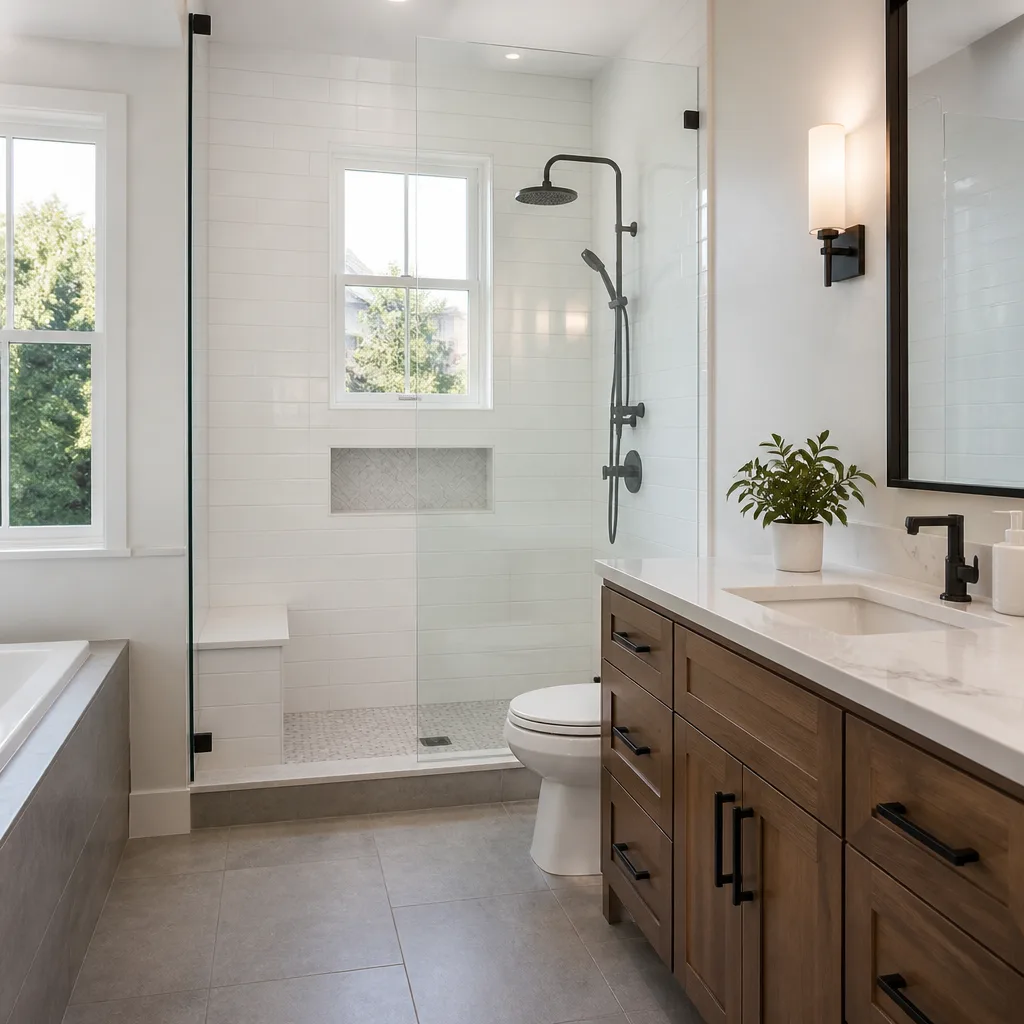 Bathroom remodeling
 Home additions & ADU
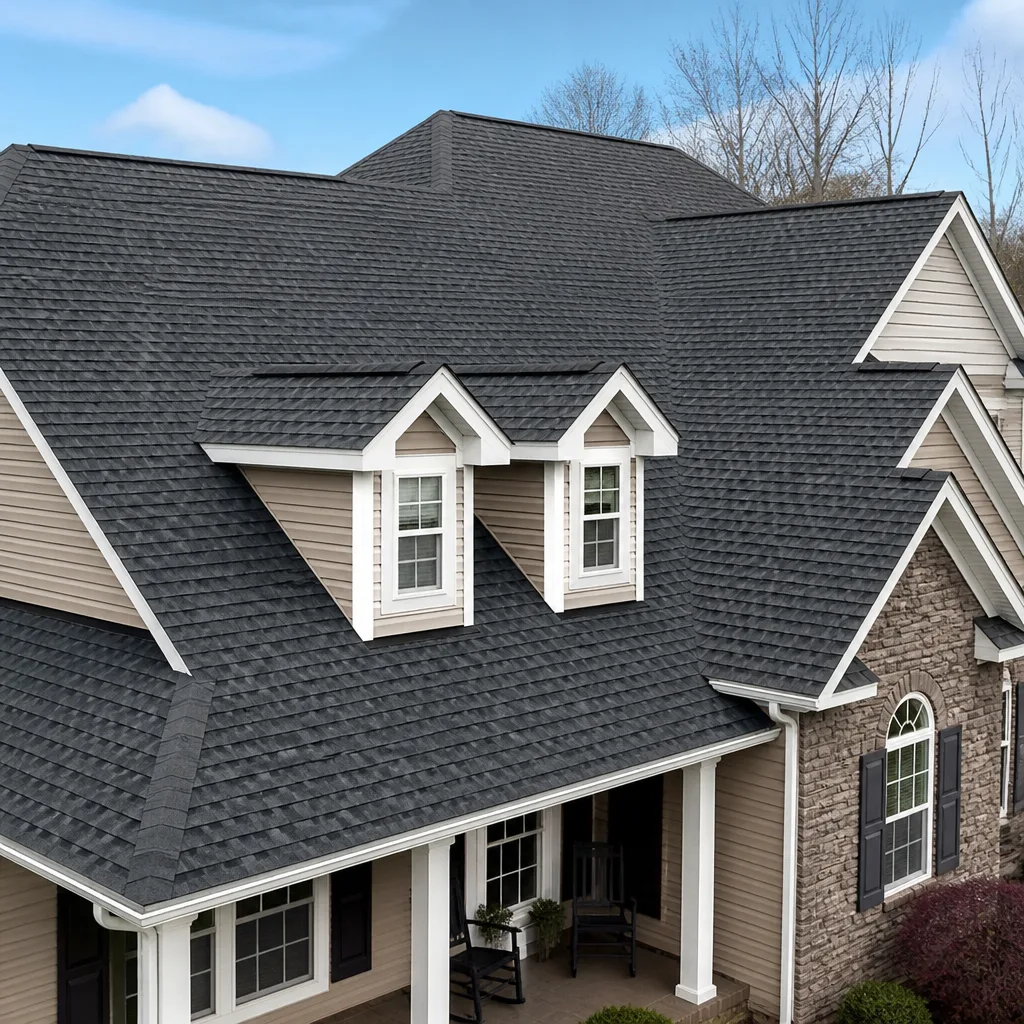 Roofing
 Windows & doors
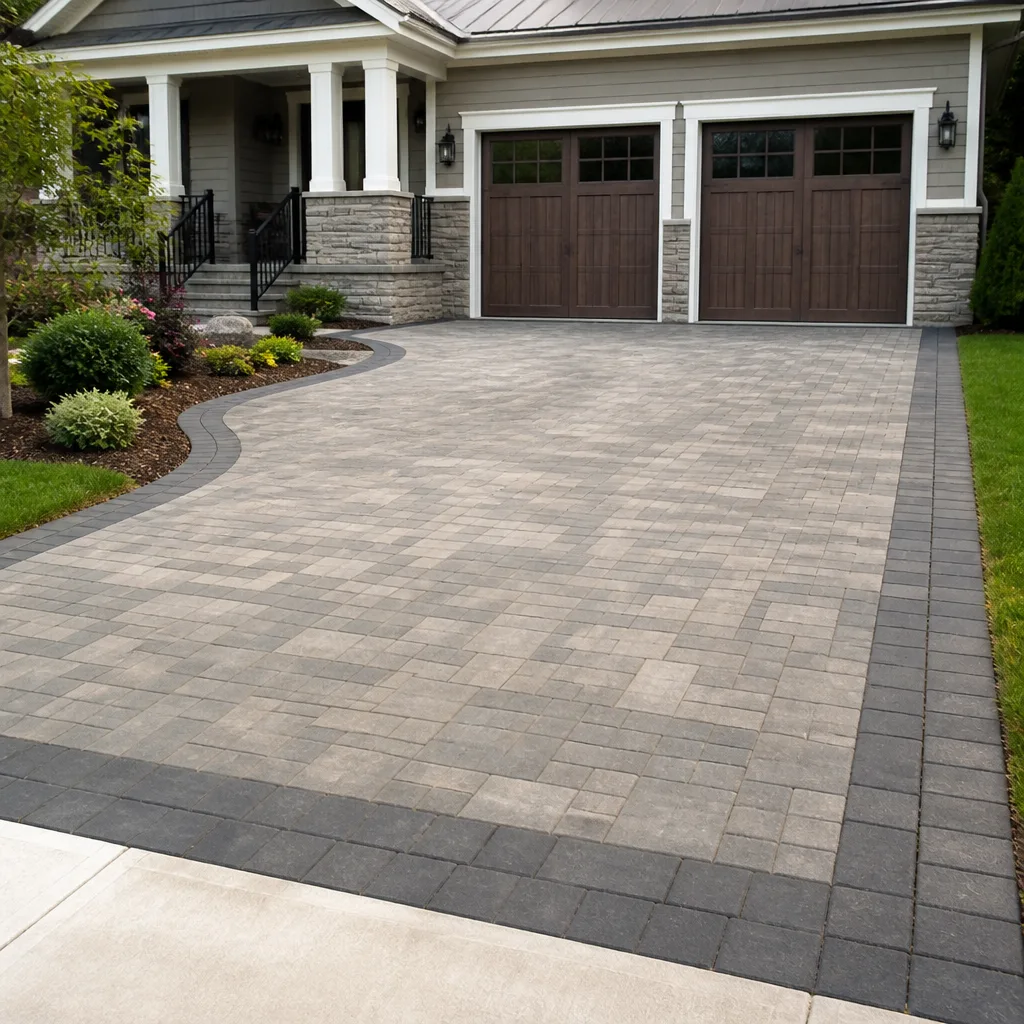 Driveway & pavers
Free written scope consultation - allowances, timeline, and change-order rules on paper before a single trade is scheduled
Styles & brands we work with
- Kitchen remodeling
- Bathroom remodeling
- Home additions & ADU
- Roofing
- Windows & doors
- Driveway & pavers
- Fence
See the difference
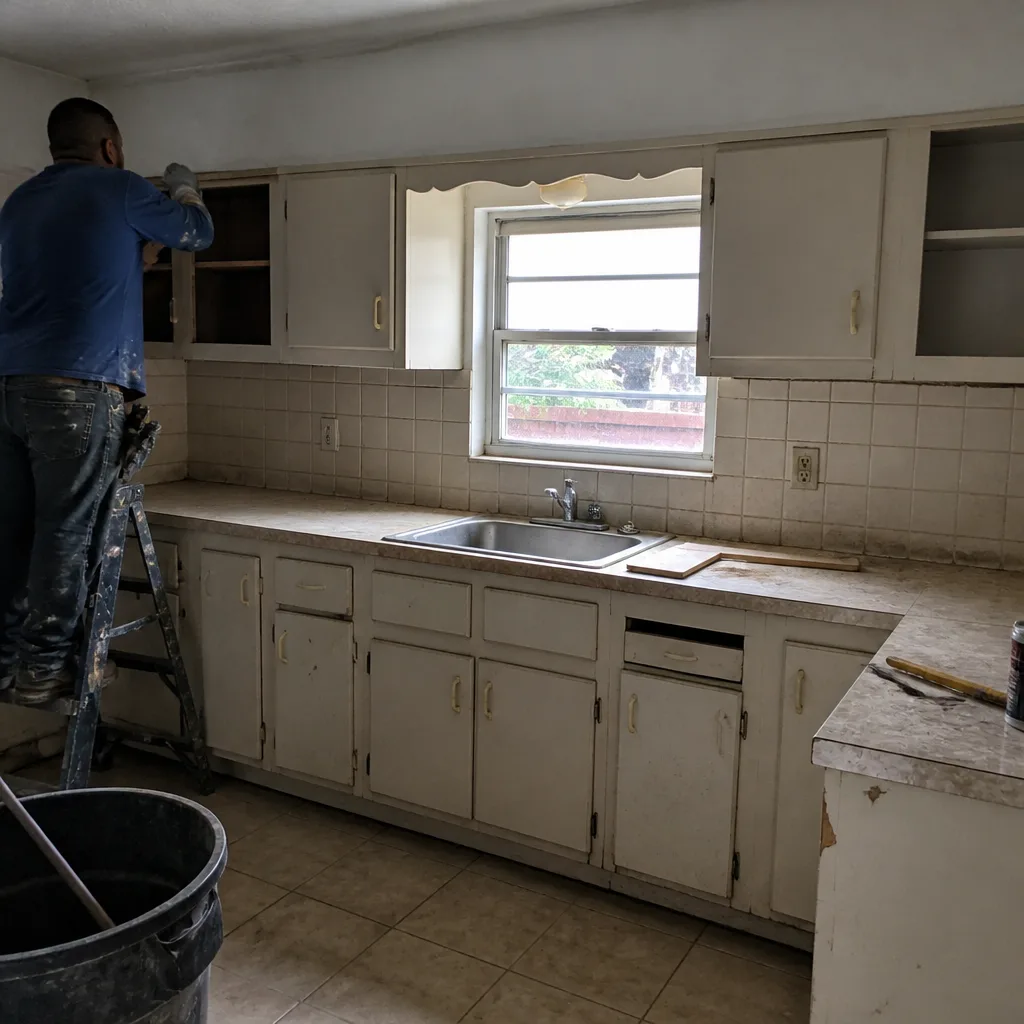 Before
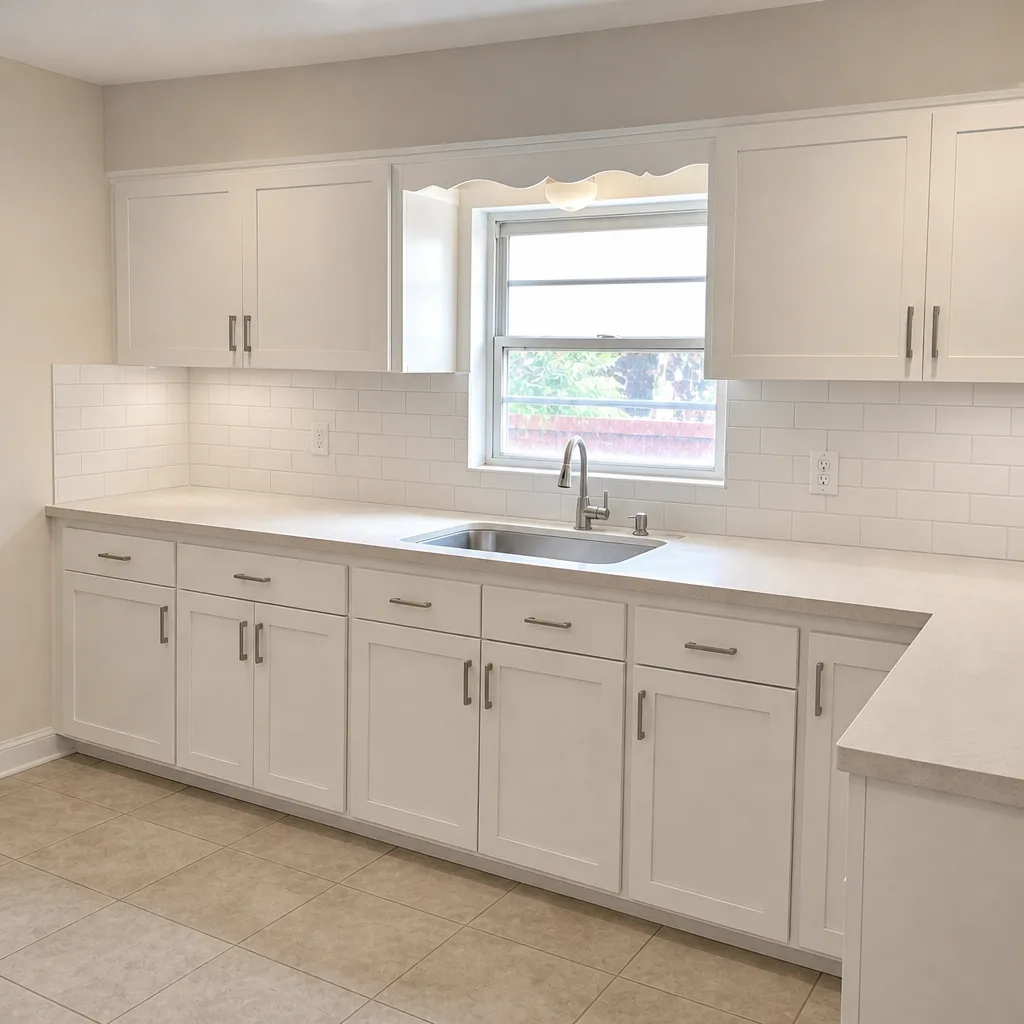 After
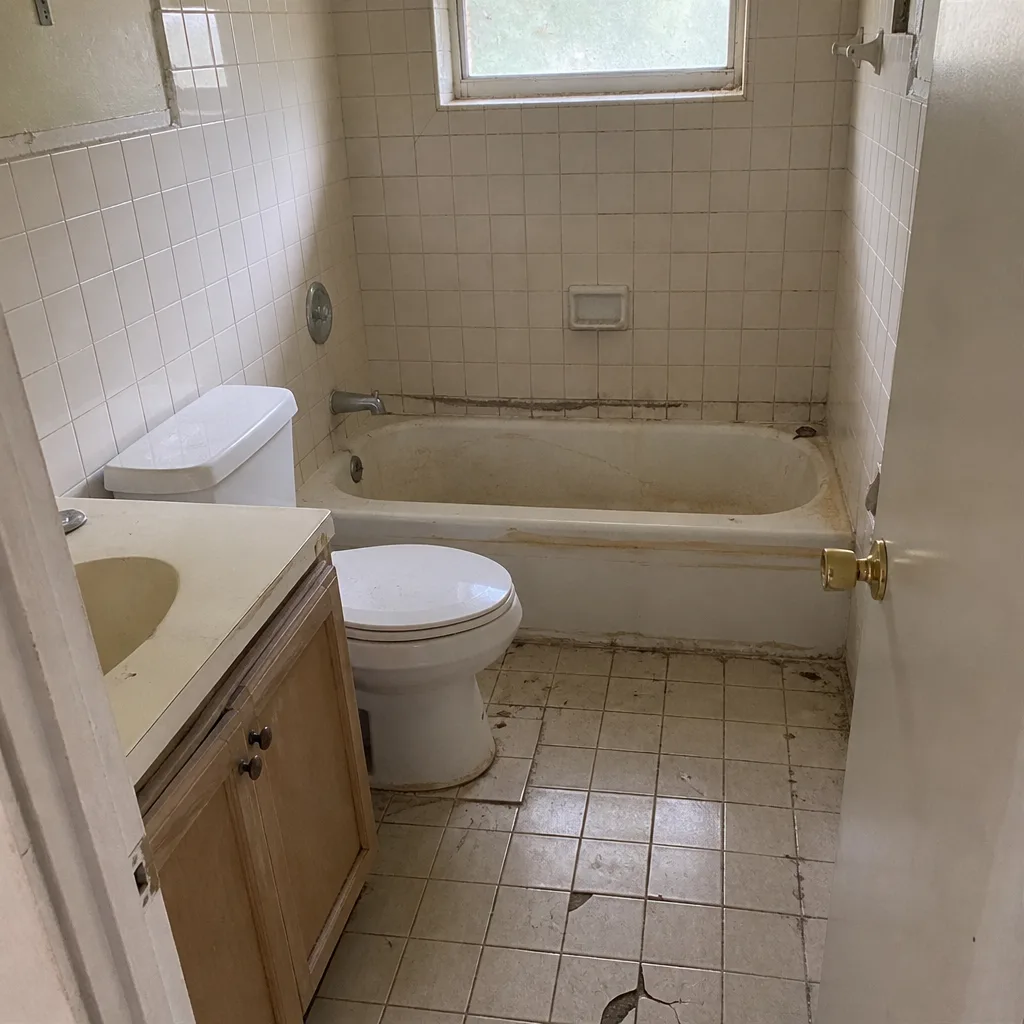 Before
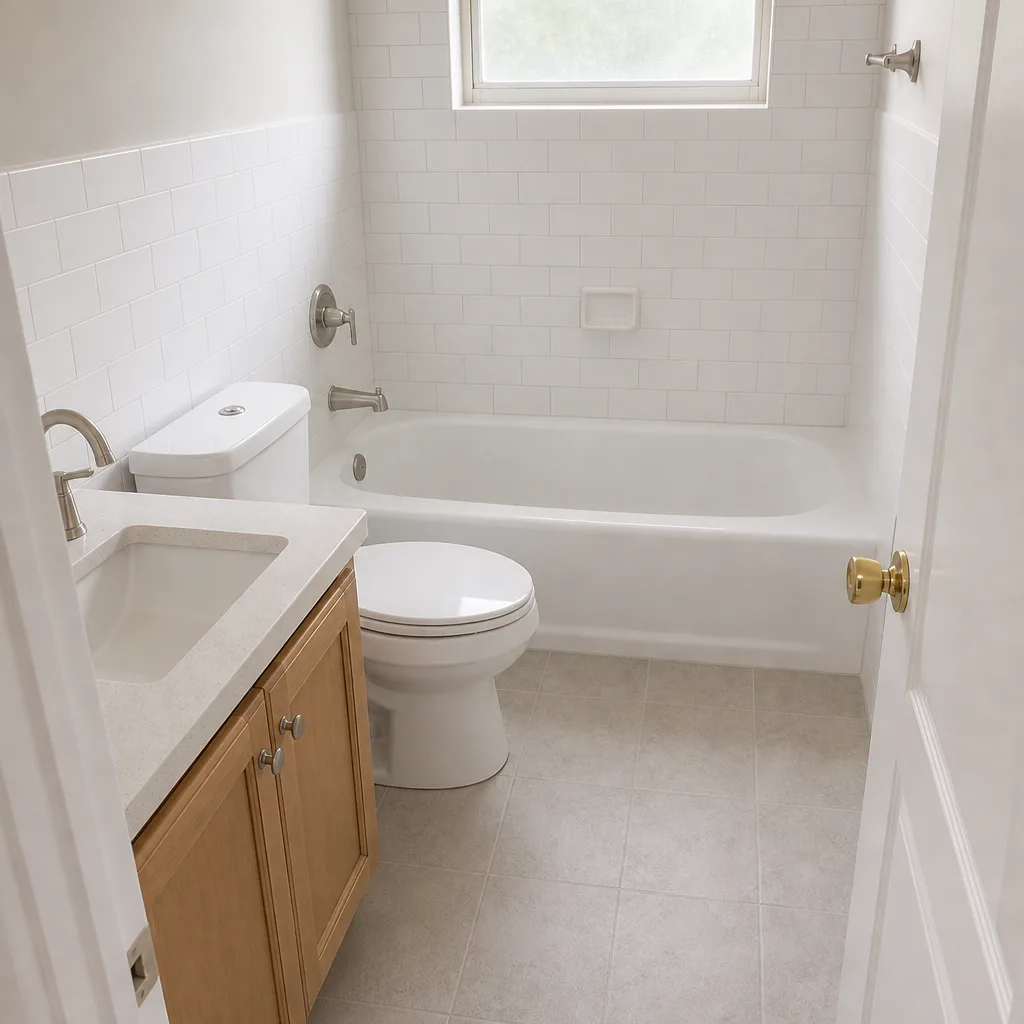 After
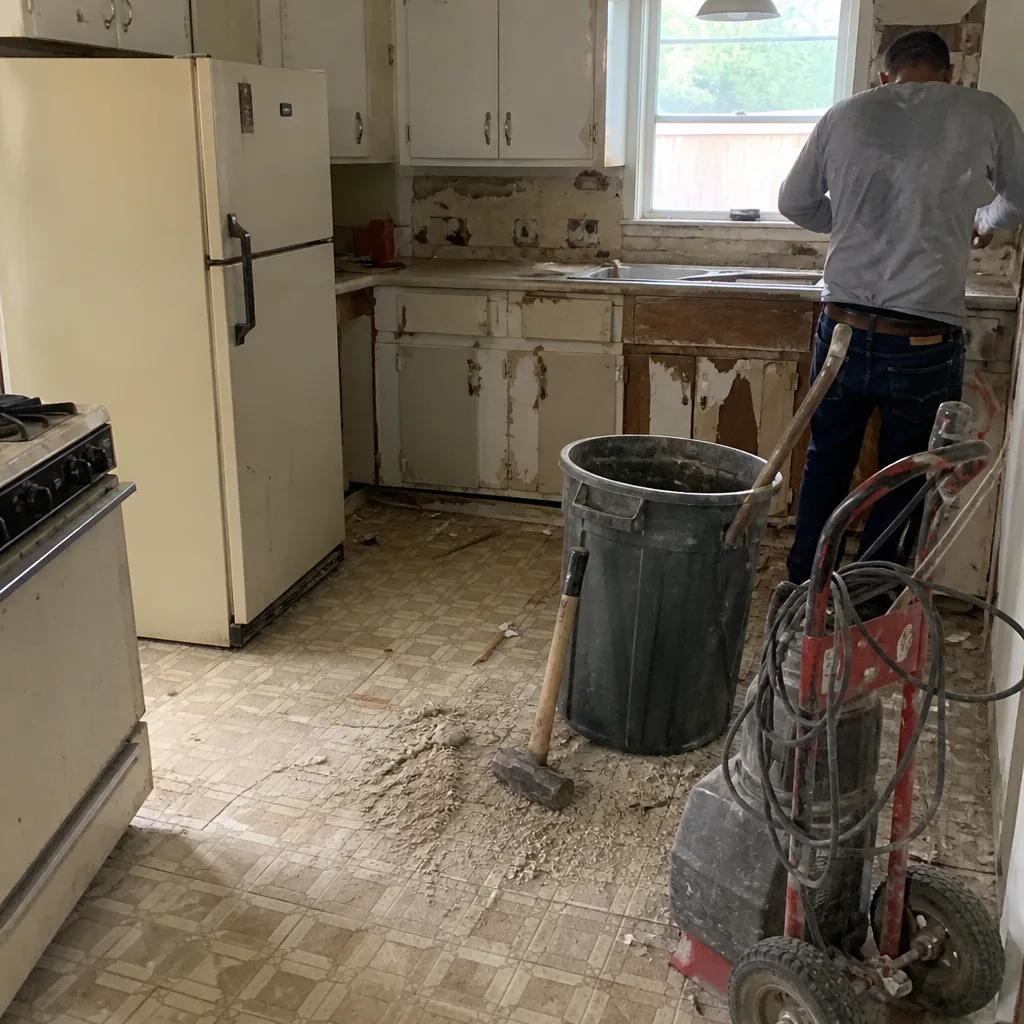 Before
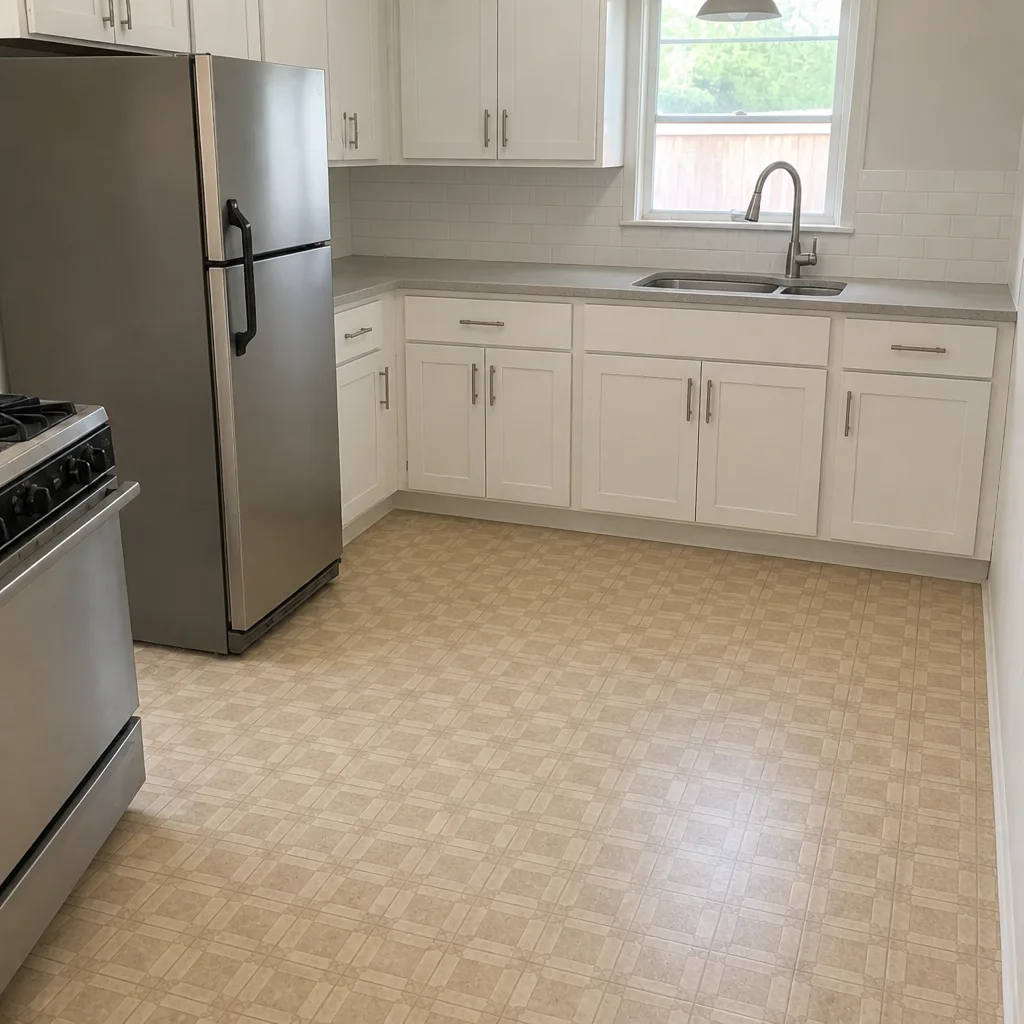 After
How to Stain a Wood Fence in Miami: The Dry-Season Method That Actually Holds
Stain a wood fence in Miami by waiting for the November-to-March dry season, cleaning off salt and algae, brightening the wood with oxalic acid, and applying a penetrating oil stain only once surface moisture drops below 15%. Skip any step and subtropical heat and humidity will peel the finish within a year. The single biggest reason Miami fence stains fail early is applying in summer, when afternoon storms and a UV index that peaks at 11 from June through September trap moisture in the wood fiber. If you want the work handled correctly the first time, call Groundwork Construction Co. of Miami at (833) 968-1198 for a free estimate.
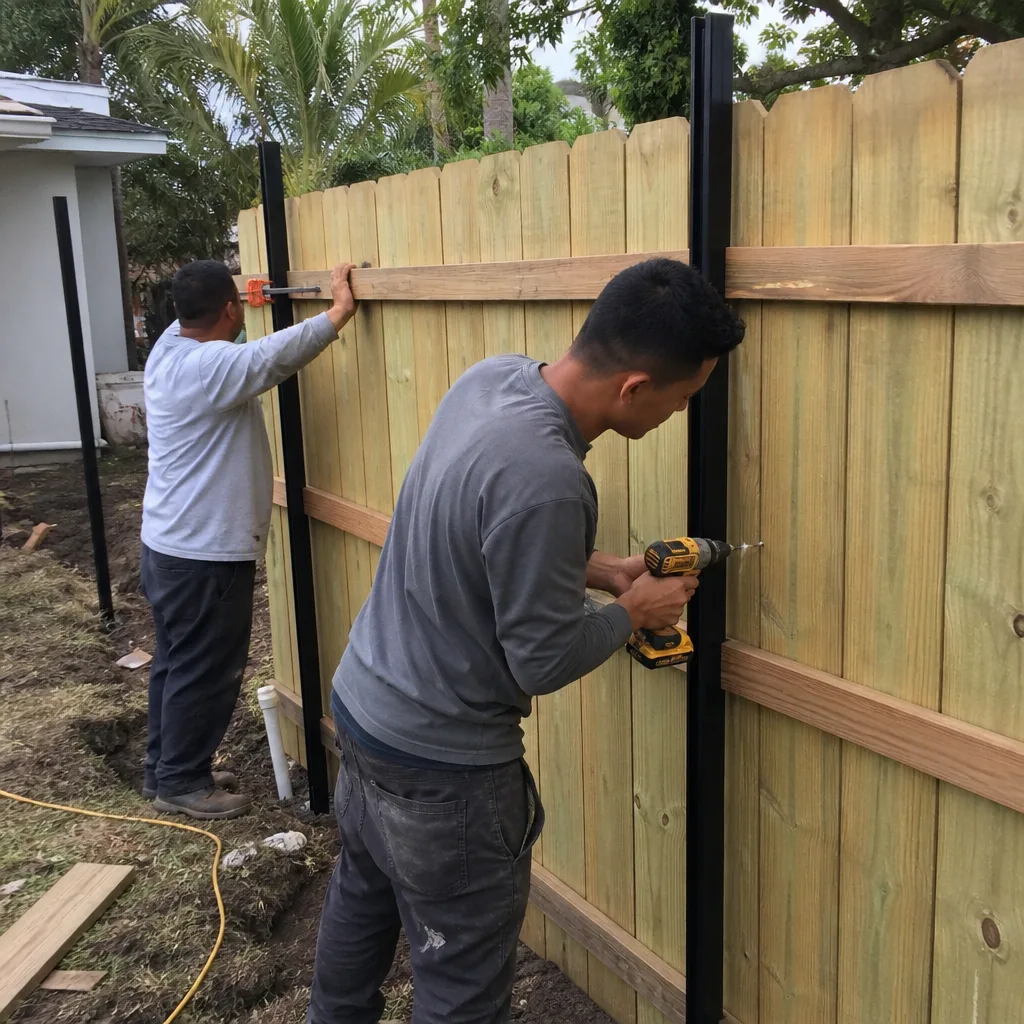
Why a Northern Staining Guide WIll Let You Down in Miami
Most guides you’ll find online were written for four-season climates. You apply once, come back in two or three years, repeat. That timeline doesn’t hold along Biscayne Boulevard or out in Kendall, where the sun bakes fence boards all year and the air stays thick with humidity even on clear days.
Wood absorbs and releases moisture constantly here. That movement is what tears a finish off a fence. A film-forming stain that dries hard on top of the board cracks when the wood swells in a rainstorm and contracts in the next day’s heat. The board wins. The stain fails. And you’re back to square one a full year before a northern homeowner would be.
The fix isn’t more coats. It’s the right window, the right prep, and the right product category for a subtropical climate. Those three decisions matter more than how carefully you brush.
The Miami Staining Calendar: When the Window Actually Opens
November through March is when staining works in Miami. During the dry season, surface moisture in fence boards drops below the 15% threshold most penetrating oil stains require for proper adhesion. That number isn’t a suggestion; it’s what the product chemistry needs to bond into the wood fiber instead of sitting on top of it.
Summer looks tempting because the afternoon rain washes everything. It’s the opposite of what you want. The wood holds residual humidity deep in the grain even when the surface feels dry to the touch. Stain goes over that trapped moisture and fails from underneath. By spring you’ll see peeling and lap marks, and you’ll be redoing the project.
A few practical notes on timing:
- Watch the forecast for a stretch of three to four dry days, not just one clear afternoon.
- Late-morning application works well during the dry season – dew has burned off but the afternoon sun isn’t at full strength.
- Avoid staining right after a cold front pushes through and brings a damp morning. Give wood a day to breathe.
- Test moisture in a shaded section of fence, not the sun-blasted side. The shade is where problems hide.
For older homes in neighborhoods like Little Havana or Coral Gables, where fences often sit against concrete-block walls that hold heat, board moisture can run higher than you’d expect. Check before you commit to a day.
Surface Prep: The Step That Decides Whether Your Stain Lasts
Miami fences don’t weather the way fences do elsewhere. Salt-laden coastal air and green algae build up on the surface year-round. That film has to come off before any stain touches the wood. Graying is the least of your concerns here – algae is the real enemy, because it keeps the wood damp and blocks the stain from penetrating.
Here’s the prep sequence that works:
- Wash the fence. A pressure wash on a moderate setting strips dirt, salt residue, and algae. Too much pressure gouges the wood and creates fuzzy grain that will show through the finish.
- Treat with a wood brightener. An oxalic acid brightener neutralizes the pH and opens the grain after washing. Skipping this is the single most common reason Miami fence stains fail prematurely. The wood needs that chemical reset.
- Let it dry completely. Days, not hours. Confirm moisture is below 15% with a meter before you apply anything.
- Stain with a penetrating oil product. Brush or spray, working with the grain and keeping a wet edge so you avoid lap marks.
That brightener step is where most DIY jobs skip ahead. The stain goes on, looks great for a few months, then starts lifting in patches. The prep was the problem the whole time.
Which Stain to Use in Miami’s Climate
Choose a penetrating oil-based stain for Miami fences. Brands like Defy and Armstrong Clark are the professional standard in subtropical humidity because they soak into the wood and breathe with it. When the board swells, the finish moves too. No cracking, no peeling.
Film-forming stains – the ones that build a coating on the surface – peel in Miami’s constant expansion-and-contraction cycle. Heat and rain push the wood back and forth until that film gives up. If a product promises a hard shell finish, it’s the wrong choice here regardless of what the label says about UV protection.
For homeowners weighing full replacement against refinishing, our Fence Installation in Miami page covers what a new fence costs and what materials hold up best in coastal conditions. Sometimes a refinish is the right call, sometimes the fence has passed the point where staining pays off.
How Often You’ll Be Reapplying in Miami
In Miami, a properly applied penetrating stain on pressure-treated pine needs recoating every 18 to 24 months. On Ipe or other hardwood fences, every 24 to 36 months. That shorter pine cycle is the local reality, not a sales pitch for more frequent work.
Skipping a cycle costs more than curb appeal. Fence boards that lose their protective finish take on moisture and become a termite entry point. Termite pressure on wood framing in South Florida is severe, and a neglected fence is an invitation. The finish is a barrier; let it fail and you shorten the fence’s useful life.
Reference pricing for related fence work in Miami
| Service | Typical Miami range |
|---|---|
| Vinyl fence installation | $4,130-$10,620 |
| Aluminum fence installation | $4,720-$11,800 |
| Full staining and prep (professional) | Quoted per linear foot after assessment |
Those vinyl and aluminum figures come up often when a homeowner realizes a wood fence needs repeat staining cycles. If you’re tired of the maintenance loop, a low-maintenance fence material may cost less over a decade than repeated staining. Our team can walk you through that comparison during a free estimate.
What to Expect From a Professional Staining Job
A proper job starts with moisture testing, not a brush. Any crew that shows up and starts spraying without checking surface moisture is guessing. Groundwork’s technicians have up to 12 years of experience and document the product applied, the application date, and the recommended maintenance interval in writing. That record matters – you’ll know exactly when your next recoat is due instead of estimating from memory.
All exterior wood work we handle, from fencing to decking to pergolas, carries the 730-Day Done Right Promise: if it’s not done right, we make it right. Our technicians are background-checked and arrive in uniform, and calls are answered by a live person 24/7. If you’re comparing what a professional job runs versus the DIY route, the difference usually isn’t just the labor – it’s the moisture testing, the brightener treatment, and the documentation that keeps the finish on schedule.
FAQs
Professional fence staining in Miami typically runs in the $4,130 to $10,620 range depending on linear footage, fence condition, and whether prep work like pressure washing and brightening is needed. Call (833) 968-1198 for an exact quote – estimates are free.
You should avoid it. Summer application in Miami traps residual humidity in the wood even on a dry day, and that moisture causes adhesion failure within a season. Wait for the November-to-March dry season when surface moisture drops below 15%, or call (833) 968-1198 if you need guidance on timing.
Staining a sound fence is almost always cheaper than replacing it, but a fence with rot, termite damage, or loose posts isn’t worth the stain. Our team can assess whether your fence has the structural integrity to justify refinishing versus replacement – call (833) 968-1198 to schedule a no-pressure look.
Yes. Salt air and green algae build up on Miami fences year-round, and an oxalic acid brightener resets the wood’s pH and opens the grain so the stain can penetrate. Skipping it is the most common reason local fence stains fail prematurely. Call (833) 968-1198 if you’d rather have it handled correctly.
Get Your Fence Stained Right the First Time
If you’d rather have it looked at, Groundwork Construction Co. of Miami offers a no-pressure assessment in Miami. We’ll test your wood’s moisture, check for algae and salt damage, and tell you honestly whether staining is the right call or whether the fence is nearing replacement. Call (833) 968-1198 for a free estimate.
Written by the team at Groundwork Construction Co. of Miami, serving Miami, FL.