
Last updated November 16, 2026
 Home additions & ADU
 Kitchen remodeling
 Bathroom remodeling
 Roofing
 Windows & doors
 Driveway & pavers
 Fence
Free written scope consultation - allowances, timeline, and change-order rules on paper before a single trade is scheduled
Construction Warning Signs: A Miami Homeowner’s Reference Guide
A hairline stucco crack running diagonally from a window corner isn’t a weathering issue. In Miami’s variable fill soils, that crack is often the first visible sign of differential settlement, and painting over it without investigation is exactly what a hurried contractor will tell you to do. The gap between cosmetic and structural damage is where budgets go to die. Most Miami homeowners can’t tell the difference, and that gap, exploited by crews who treat surface patches as permanent fixes, is what turns a $3,000 repair into a $30,000 remediation. This guide shows you what to look for, how to read it on Miami’s specific construction types, and when to stop guessing and call in someone who knows.
Quick Answer
Construction warning signs on a Miami home fall into five categories: crack patterns that reveal foundation movement, water intrusion markers behind stucco, roof deck and fascia deterioration visible from the ground, floor and door-frame irregularities caused by soil settlement, and “patched-over” repairs that mask structural problems instead of solving them. Any diagonal or stair-step crack wider than a credit card, any recurring efflorescence bloom, and any door that suddenly sticks after years of swinging free all warrant a professional evaluation before you spend another dollar on paint.
Styles & brands we work with
- Kitchen remodeling
- Bathroom remodeling
- Home additions & ADU
- Roofing
- Windows & doors
- Driveway & pavers
- Fence
Table of Contents
- How Do Crack Patterns Differ Between CBS and Wood Frame Homes?
- How Do You Spot Water Intrusion Behind Miami Stucco?
- What Foundation Warning Signs Are Specific to South Florida Soil?
- What Roof and Fascia Warnings Are Visible From the Ground?
- How Do You Tell a Masked Repair From a Real Structural Fix?
- What Miami-Dade Code and Permit Signals Should You Watch?
- Your 12-Point Warning-Sign Walkthrough
How Do Crack Patterns Differ Between CBS and Wood Frame Homes?
Crack classification starts with knowing what your walls are made of. Miami’s homes are mostly concrete block structure (CBS) built with hollow masonry units finished in stucco, with a smaller stock of wood-frame homes that date mostly to the mid-century and earlier. Cracks behave differently in each, and the pattern tells you which system is moving and why.
CBS (Concrete Block Structure) Crack Signals
CBS walls are rigid. They don’t flex, so movement shows up as distinct breaks rather than gradual distortion. The block courses act like a grid, and when the foundation shifts, cracks follow the mortar joints.
- Stair-step cracks climbing diagonally along mortar joints: classic differential settlement. The more steps, the more movement. Width matters more than length here.
- Vertical cracks at the middle of long walls: often thermal expansion, common on west-facing Miami walls that bake in afternoon sun. Usually benign unless the width grows season to season.
- Diagonal cracks from window or door corners: stress concentration points. A crack running from a corner toward the ceiling is a settlement flag, not a weathering issue.
- Horizontal cracks below grade or mid-wall: the most serious signal in CBS. This usually indicates lateral soil pressure or an under-reinforced wall bowing outward.
Wood Frame Crack Signals
Wood frame homes distribute stress differently. Because the structure can flex, cracks often appear as ridging at ceiling seams rather than clean breaks, and doors and windows go out of square before the walls crack. Fresh caulk lines failing repeatedly in the same spot, cracked window mullions, and nails working loose through drywall are all early warnings on a frame home. Where a CBS crack would be a clean line, a wood-frame home gives you a diagonal drywall tear along a ceiling edge and a door that no longer latches.
In our experience across Miami, the single most-missed crack is the short diagonal from a corner window opening on a CBS wall. It’s small, easy to caulk, and the last one a rushed contractor ever mentions. If you’re planning an addition around an existing structure, have this assessed before you commit to a footprint. You can see the scope of structural work we handle on our Home Additions & ADU in Miami page.
How Do You Spot Water Intrusion Behind Miami Stucco?
Miami’s humidity and driving summer rain push water past the surface long before it reaches your drywall. Stucco is a cementitious skin, not a waterproof barrier by itself, and the cavity behind it depends on proper flashing and drainage. When that system fails, the evidence shows up on the outside first, in three recognizable signatures.
1. Staining Patterns
Look for irregular brown or gray tide-line stains radiating from window heads, sills, roof-to-wall junctions, and the inside corners of porch ceilings. A clean drip line runs down, but a staining bloom that spreads sideways means water is wicking laterally through the wall cavity, not just running off. South-facing Miami walls catch the worst of it because sun plus rain cycles drive moisture deeper, then seal it behind a dry exterior crust.
2. Efflorescence Signatures
That white, chalky bloom on stucco is salt pushed to the surface as moisture evaporates. A single faint bloom after a storm is normal. A bloom that returns within weeks of cleaning, especially at the base of a wall or around a window frame, means water is still moving through the masonry. Efflorescence that looks powdery is early stage; one that looks crystalline or crusted is a persistent water source signaling active intrusion.
3. Soft-Wall Indicators
Press the flat of your hand against the wall below window openings and along the base trim. A hollow “thud” in an area that should feel solid, or a surface that gives slightly under firm pressure, points to a screed that’s detached from the block. Detachment happens when water has been cycling behind the stucco long enough to break the bond. From inside, the same failure shows as bubbling paint, a musty smell in an otherwise dry room, or baseboards that swell and lift.
If you catch these early, a proper re-flash and drainage correction fixes them. If you leave them, the metal lath behind the stucco rusts, the block absorbs water, and the repair moves from hundreds toward thousands. Roof leaks feed the same problem from above, so check the flashing line where your roof meets the wall; our Groundwork Construction Co. of Miami home page shows the trades we cover under one contract.
What Foundation Warning Signs Are Specific to South Florida Soil?
South Florida sits on a mix of sandy soils, organic muck, and variable fill placed during decades of development. Fill is the problem child: it compacts unevenly, and it behaves differently when the water table drops in a dry stretch or rises after a storm. Foundation movement in Miami is often slow and quiet, which is why the interior clues matter most.
The Clues You Feel Before You See
- Doors that stick or swing on their own. A door that suddenly needs a shoulder to close, or one that won’t stay at the angle you leave it, means the frame is out of plumb. On a Miami home that was fine last year, this is your first flag.
- Uneven floor frames and thresholds. A trip hazard at a threshold, or a gap under a baseboard that appeared over a dry season, points to localized settlement.
- Cracks that follow doors and windows. The rigid frame openings are where a moving slab or footing transfers stress to the wall.
- Windows that no longer latch. Square windows don’t fit into skewed openings.
The Marble Test: Measuring Floor Slope
Drop a marble on any hard floor and watch where it rolls. A floor flat to the eye should keep a marble roughly where it lands. If it consistently rolls toward one wall, or gathers in a corner, you have measurable slope. Better still, place a 4-foot level across the suspect area and read the gap under it with a ruler. Anything approaching half an inch over four feet, or a visible drop you can feel underfoot, deserves evaluation. A marble test costs nothing and gives you a fact to hand a professional instead of a feeling.
In our experience, homes near Miami’s reclaimed low-lying areas show slope fastest, and homes built on older fill parcels show differential settlement that turns up first at the corners of rooms. If the slope is real and growing, an addition or major remodel should wait until it’s understood. Our guide to Driveway & Pavers in Miami also calls out how adjacent grading drives water toward the foundation, which is often the root of the movement.
What Roof and Fascia Warnings Are Visible From the Ground?
You don’t need to climb anything to read a South Florida roof. The clues are all at the perimeter, and they usually show up months before an interior leak. Roof work at height is a real hazard, so treat anything you spot from the ground as a professional’s call, not a weekend ladder project.
- Fascia staining and bubbling. The board running behind your gutter shows water damage early. Paint that blisters in a horizontal band along the fascia, or a dark tide-line under the gutter lip, means water is wicking back under the roof edge.
- Gutter separation and sagging. A gutter pulling away from the fascia, or a soffit panel that droops, signals the substrate behind it has softened. On Miami homes, the soffit is a frequent first failure because wind-driven rain gets in at the fascia and soaks the deck edge.
- Lifting at the roof edge and ridges. Curled or lifting shingle tabs, and granules collecting in the gutters or at downspout outlets, mean a roof is aging hard. On flat and low-slope South Florida roofs, look for ponding rings or a soft spot in the membrane visible near the edge.
- Sagging ridgelines. A ridge line that dips in the middle, visible by sighting along it against the sky, hints at deck or structural movement underneath.
- Daylight and ceiling telltales. Any brown ring on an interior ceiling after a storm, or a musty smell in a bedroom on a dry day, means the roof or its flashing has already failed somewhere you can’t see.
Miami’s storm season stresses every one of these points, especially where the roof meets the wall and the chimney or vent stack. Don’t pressure-wash or patch a failing roof edge to hide it from a buyer or inspector; the repair gets bigger and the paper trail catches up. Anything at the roof-to-wall junction is worth a pro’s eyes.
How Do You Tell a Masked Repair From a Real Structural Fix?
Miami has a patch-and-flip culture that surfaces after every storm. A crew repairs the damage cosmetically, paints over it, and moves on. The problem is that surface patches on structural issues don’t hold; they fail a season later, and by then the new owner is on the hook. Here’s how to tell a real fix from masking.
Five Questions That Expose a Masked Repair
- Was a permit pulled? A structural repair in Miami-Dade requires an inspection. Ask for the permit number and look it up. No permit documented means no verified repair.
- Is there a paper trail? Engineers’ letters, inspection approvals, and a written scope go with a legitimate fix. A “handyman special” comes with a handshake.
- Does the repair look recent and cosmetic? Fresh paint in a localized circle, new caulk in a straight line that doesn’t match the surrounding trim, or non-matching stucco texture are all masking signatures.
- Does the crack reappear within months? A patched-over structural crack cracks again at the same location within one Miami dry-wet cycle. A real fix stops the movement before it stops the paint.
- Does the fix change a load path? Removing a wall or cutting a beam to “open up” a space without a header, post, or engineering review is structural masking at its worst. It works visually and fails structurally.
One more signal: an undocumented repair on a load-bearing wall often shows as a hairline crack at the ceiling line of the next room over, or a small, localized dip in the ceiling below. If you’re buying a Miami home with a recent renovation, insist on seeing the permit and inspection records for anything structural. A fence or paver project is a different kind of work, but even there the paper trail matters; our Fence Installation in Miami page walks through how permits and inspection apply to boundary work.
What Miami-Dade Code and Permit Signals Should You Watch?
Miami-Dade enforces the Florida Building Code with a regional High-Velocity Hurricane Zone overlay, and that’s your ally as a homeowner. Inspectors catch structural shortcuts. The permit record is also the clearest evidence of whether a repair is real or masked.
- Structural repairs require a permit and inspection in Miami-Dade. A contractor who tells you “we don’t need a permit for that” on a wall, footing, or roof framing is telling you the work won’t be verified.
- Window and door replacements in the HVHZ require product approval and permitting. Unpermitted window swaps can void insurance coverage and trigger problems at resale.
- Additions and ADUs need site-plan review, setbacks, and structural engineering. A detached unit built without a permit can be ordered removed years later.
- Roof replacements need a permit and inspection. Ask for the permit number before any materials come off your roof.
Pulling the permit record on your own home is free and fast through Miami-Dade’s online portal. Do it before you buy, before you sell, and before you commission a major repair on someone else’s story. A licensed contractor should hand you a written, line-item quote that matches the permitted scope, and ours always does.
Your 12-Point Warning-Sign Walkthrough
Run this once a season and after any named storm. It takes about 15 minutes with a marble, a flashlight, and a notepad.
- Walk the perimeter and note every crack with a pencil mark and the date. Width and growth matter more than the number of cracks.
- Check window and door corners on both the interior and exterior for diagonal cracks.
- Press the wall below each window for hollow or soft spots.
- Look for fresh or recurring efflorescence at the wall base and around frames.
- Open and close every door and window; note any that stick, drag, or won’t latch.
- Drop a marble in each room and watch where it rolls.
- Place a 4-foot level across any room with a suspected slope and measure the gap.
- Scan the fascia and soffit from the ground for staining, bubbling, or drooping.
- Check the gutters for separation, granule collection, and overflow marks.
- Sight along the ridgeline for sagging against the sky.
- Look at your home’s permit history online and flag any undocumented structural work.
- Photograph anything new and keep the set in one folder so you can track change over time.
Keep the notes. A dated photo record is what separates “I think it’s getting worse” from a fact a professional can act on. For any repair that changes a load-bearing element, involve a licensed structural professional; the margin between cosmetic and structural can be inches, and it’s not a margin to test by hand.
Common Mistakes to Avoid
- Painting over a moving crack. A crack that’s filled and repainted but reappears within a season is telling you the movement hasn’t stopped. Cosmetic paint is not a repair.
- Trusting a patched-over structural wall. Removing a wall or beam without a permitted, engineered fix is masking, not remodeling. Ask for the permit and inspection.
- Letting fresh paint and new trim hide what’s underneath. A flipper’s signature is a visually new surface over an old problem. Check the structure and the permit trail, not the finish.
- Skipping the marble test because the floor “looks fine.” A slope you can’t see is often a slope you can feel. Measure it.
- Coaching the inspector or the appraiser to look elsewhere. Every masked defect you help hide comes back to you, in the repair bill or the sale contingency.
- Doing a roof-edge or high-wall repair from a ladder. South Florida’s storm-season edges and roof junctions are genuinely dangerous. Get a professional on the roof.
- Ignoring efflorescence that keeps returning. Recurring bloom means a persistent water source. Fix the source, not the salt.
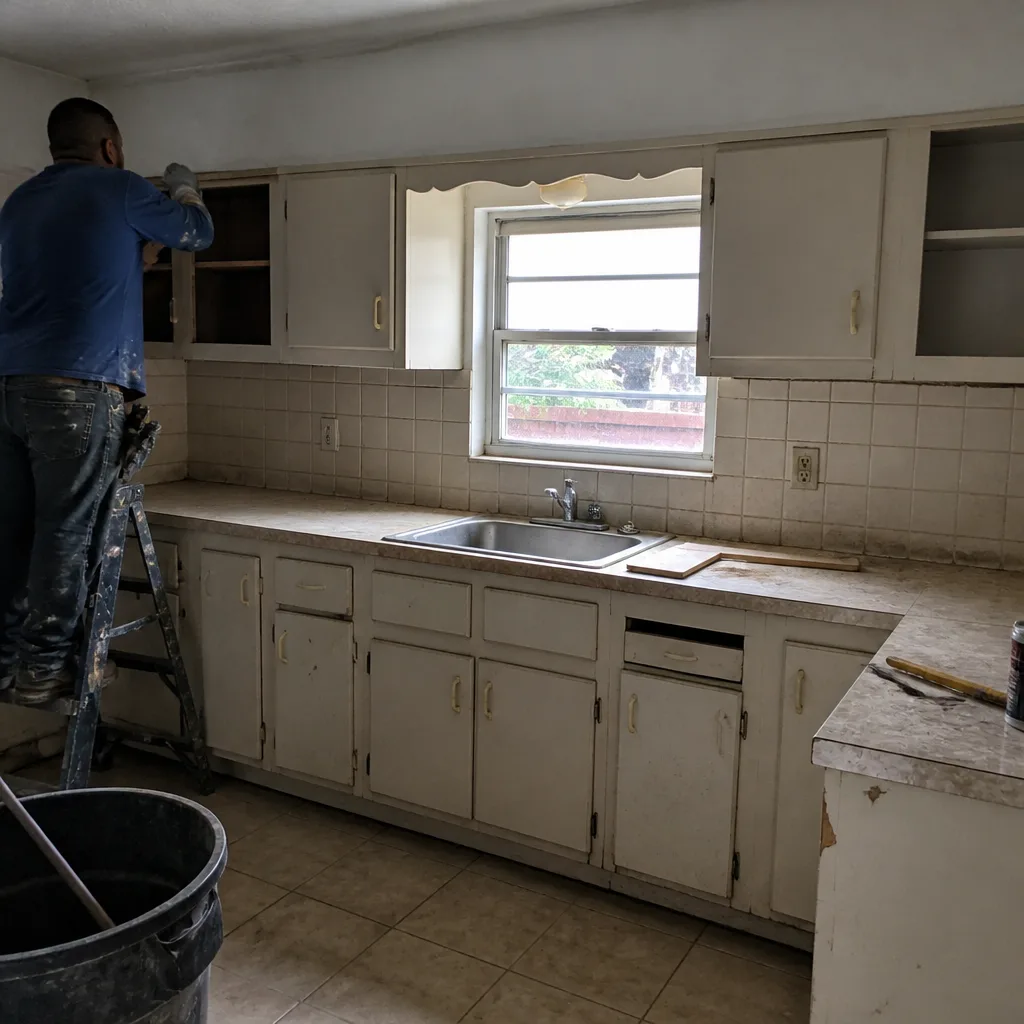
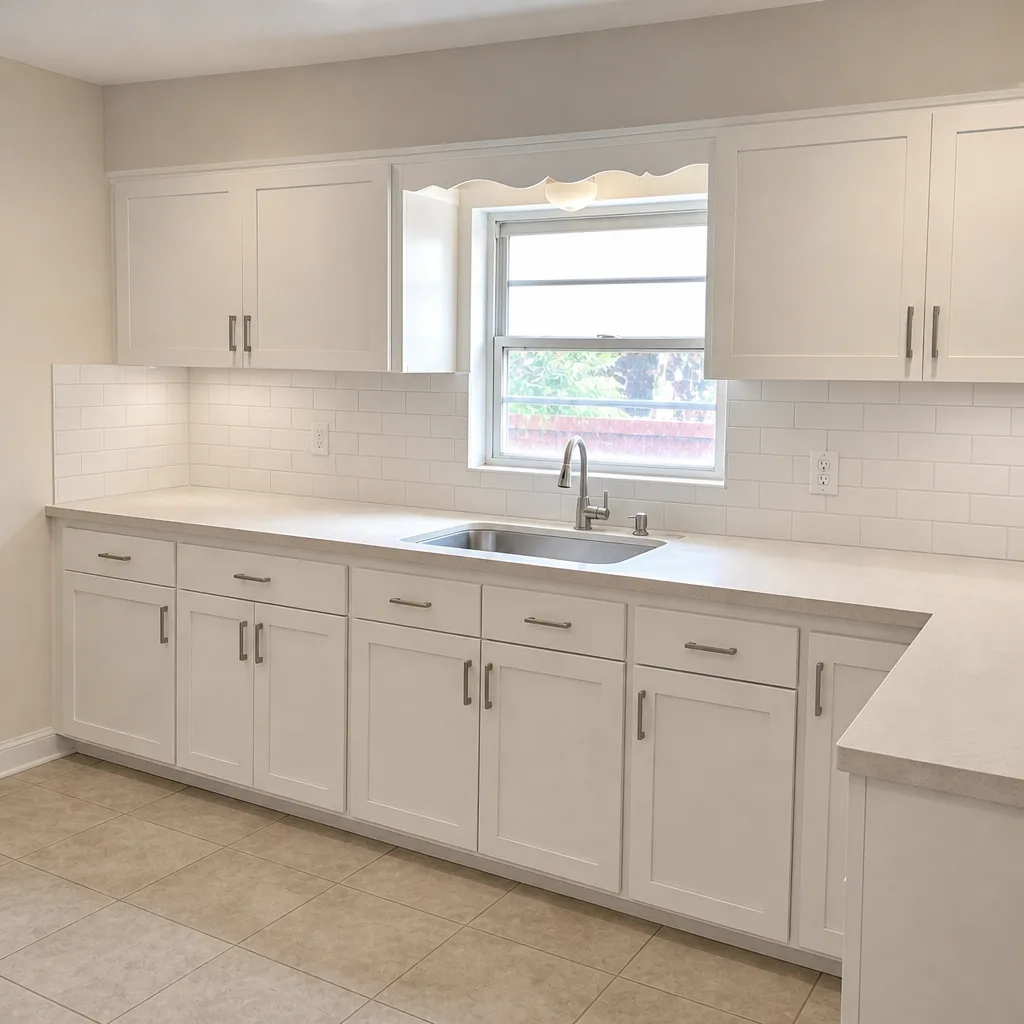
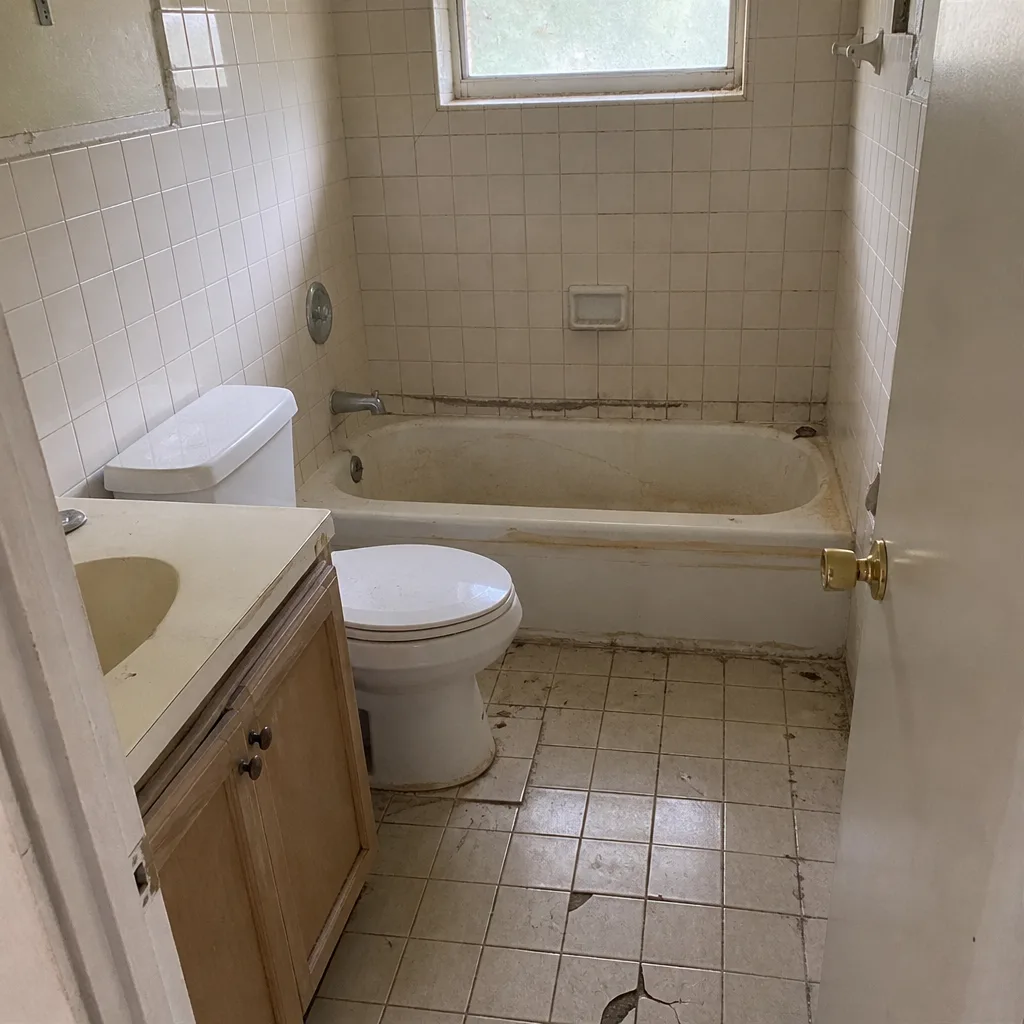
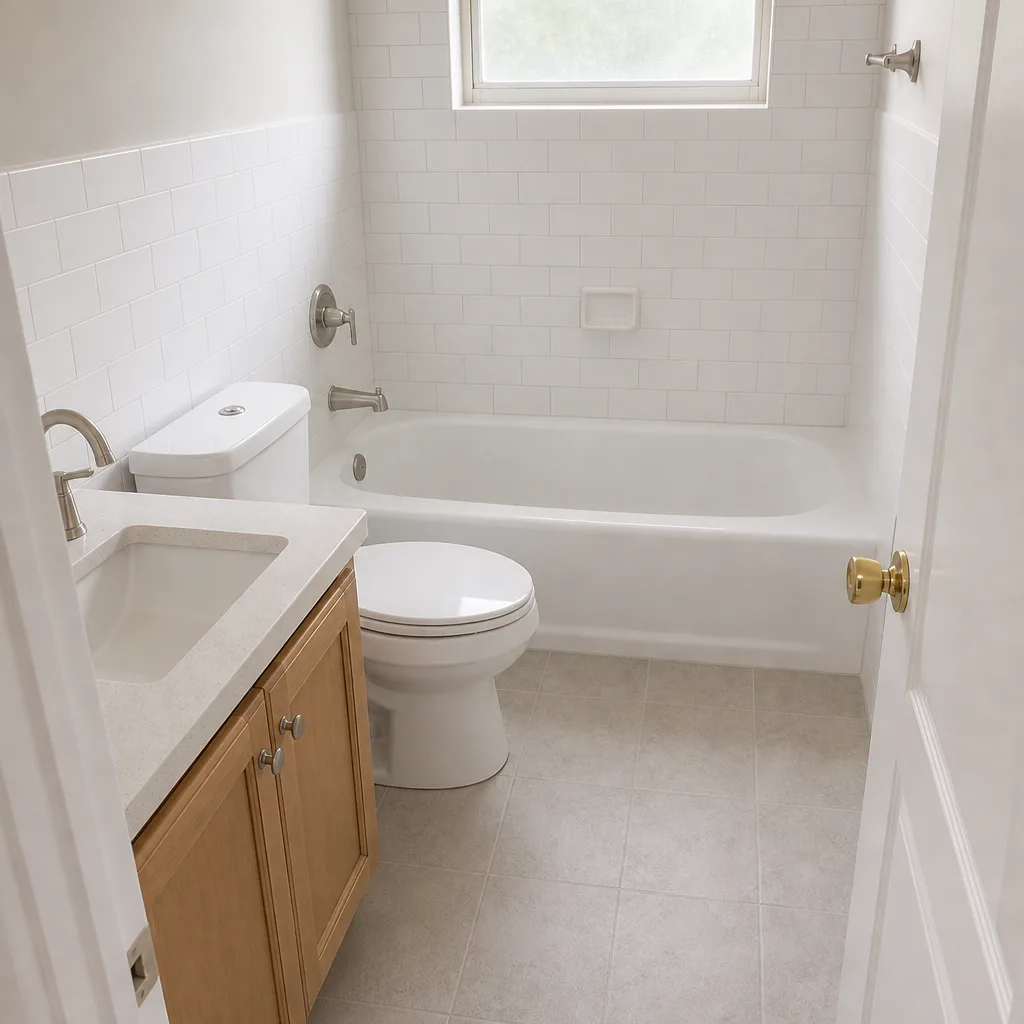
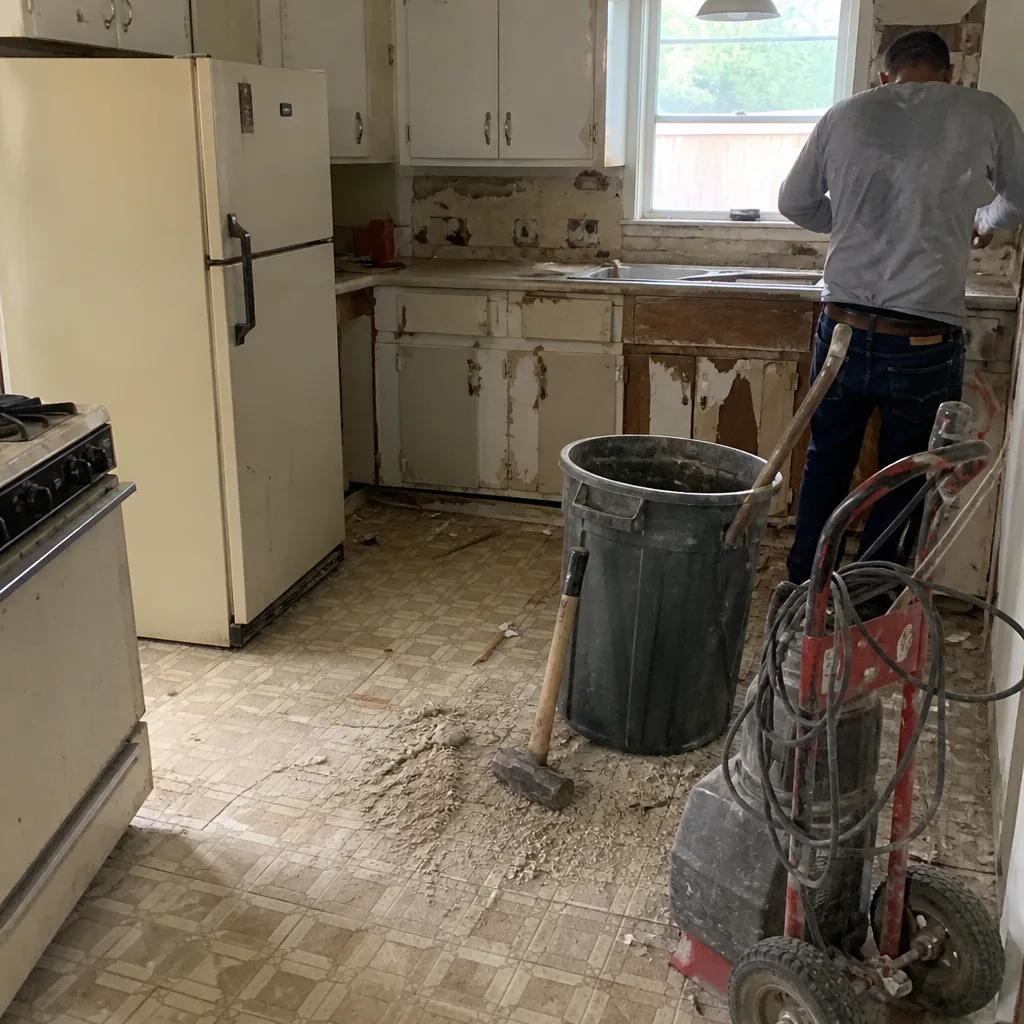
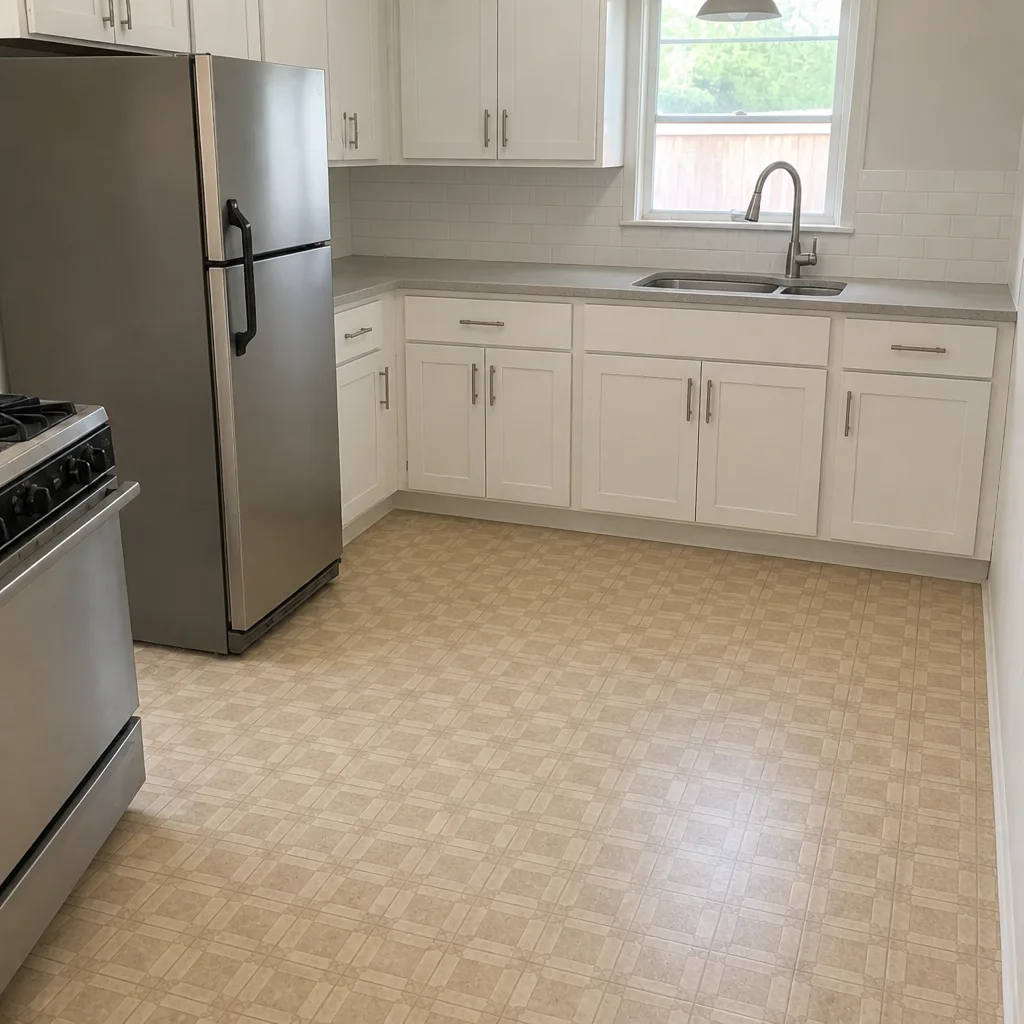
See the difference
 Before
 After
 Before
 After
 Before
 After
When to Call a Professional
Call a professional when you find any diagonal or stair-step crack wider than a credit card, a horizontal crack mid-wall, a repeating efflorescence bloom, a marble that won’t stay put, a door that no longer latches, or any roof-edge staining or sagging fascia. Don’t pressure-wash a failing stucco wall to hide it before a sale, and don’t let anyone cut a load-bearing wall without a permit and a licensed engineer’s sign-off. These are the conditions where the difference between treating a symptom and fixing a cause runs into tens of thousands of dollars. Groundwork Construction Co. of Miami offers free estimates in Miami and backs its work with the 730-Day Done Right Promise. Call (833) 968-1198 to schedule yours.
Frequently Asked Questions
A diagonal or stair-step crack wider than about a credit card, a horizontal crack mid-wall, or any crack that grows after a wet-dry cycle is likely structural and should be evaluated by a licensed professional. Hairline vertical cracks in long exterior walls are often thermal and usually benign until they widen or return after repair. When in doubt, measure the width, photograph it, and get an inspection before painting over it.
The white bloom is efflorescence, salt drawn to the surface as moisture evaporates from the masonry. A faint bloom after a storm is normal, but a bloom that returns within weeks of cleaning, especially near a window or at the wall base, means water is still moving through the wall and you have an active intrusion to correct. Fix the water source, not the salt.
No, not if the crack is moving. Paint over a structural crack hides the evidence and the crack will reopen within one Miami wet season, usually wider. If the crack is cosmetic and hasn’t changed in years, a proper outdoor-rated sealant and paint is fine, but only after you’ve confirmed it isn’t moving.
Not always, but it’s the first thing to rule out. A small slope from the original floor framing can be harmless, while a slope that appears or grows after years of a level floor points to settlement in South Florida’s variable fill soil. A marble test and a 4-foot level give you a starting measurement; a professional evaluation tells you whether it’s moving.
From the ground, look for fascia staining or bubbling, gutters pulling away, soffit drooping, curled or lifting shingle edges, granules in the gutters, and a sagging ridgeline sighted against the sky. Any of these means the roof or its flashing has already degraded and should be assessed on the roof by a professional. Roof-edge and high-wall work is dangerous and not a ladder job.
Miami-Dade enforces the Florida Building Code in a High-Velocity Hurricane Zone, and structural repairs, window and door swaps, and roof replacements require a permit and inspection. That inspection verifies the work. A repair with no permit is unverified, can void insurance coverage, and can surface as a problem at resale. Pull your own permit record online and ask any contractor for the permit number before work starts.
The Bottom Line
The difference between a $3,000 repair and a $30,000 remediation is usually timing and the difference between a real fix and a masked one. Learn to read the five warning-sign categories: crack patterns on CBS versus wood frame, water-intrusion signatures in stucco, foundation clues in variable South Florida soil, roof and fascia evidence visible from the ground, and the telltale signs of a patched-over structural problem. Run the 12-point walkthrough once a season, keep dated notes and photos, and treat any horizontal mid-wall crack or load-bearing “fix” without a permit as a stop sign. Catch these in Miami while they’re still cosmetic, and you keep the money where it belongs.
Get a Straight Answer Before You Spend
Whether you’re staring at a crack that won’t quit, a soffit that’s drooping, or a room that suddenly has a slope, you deserve a fact-based answer rather than a guess from the guy who painted over it. Groundwork Construction Co. of Miami offers free estimates with written, line-item pricing, answers the phone with a live person whenever you call, and backs every job with the 730-Day Done Right Promise. From foundation to finish line, we handle the full scope under one contract. Call (833) 968-1198 today to schedule your free estimate and design consult.
Written by the team at Groundwork Construction Co. of Miami.