
Last updated November 17, 2026
 Bathroom remodeling
 Kitchen remodeling
 Home additions & ADU
 Roofing
 Windows & doors
 Driveway & pavers
 Fence
Free written scope consultation - allowances, timeline, and change-order rules on paper before a single trade is scheduled
How Long Does Bathroom Remodeling Take? Timelines and What to Expect
A cosmetic bathroom refresh and a full gut remodel are both called “bathroom remodeling,” but their timelines differ by 400%. One is a long weekend. The other is a month-plus of trades walking through your house in sequence. The number your contractor gives you is only as reliable as their definition of what they’re doing. A “two-week remodel” that becomes six weeks almost never happens because of bad luck. It happens because nobody mapped the variables up front: scope, permits, material lead times, and the fixed order in which plumbing, electrical, waterproofing, and tile have to happen. This guide shows you what actually drives the calendar in Miami so you can hold any contractor to a schedule that makes sense.
Quick Answer
A bathroom remodel takes anywhere from 3 days to 6 weeks depending on scope: a cosmetic refresh runs 3 – 5 days, a partial remodel 1 – 2 weeks, and a full gut remodel 3 – 6 weeks. In Miami, add 1 – 3 weeks for permit review and inspection scheduling on anything that moves plumbing, electrical, or structural work. The single biggest driver isn’t the size of the room, it’s how many trades have to touch it and whether the permit is pulled before demo starts.
Styles & brands we work with
- Kitchen remodeling
- Bathroom remodeling
- Home additions & ADU
- Roofing
- Windows & doors
- Driveway & pavers
- Fence
Table of Contents
- The Scope-Based Timeline: Three Categories That Actually Matter
- Miami-Specific Timeline Factors: Permits, Inspections, and Lead Times
- The Sequence of Trades (and Why Reordering Causes Cascading Delays)
- Red Flags in a Contractor’s Timeline Estimate
- How We Build Inspection Buffers and Material Staging Into Every Schedule
- What a Full Gut Remodel Looks Like, Week by Week
- Can You Speed Up a Bathroom Remodel Without Cutting Corners?
The Scope-Based Timeline: Three Categories That Actually Matter
The word “remodel” covers three very different jobs, and the timeline gap between them is where expectations get crushed. Before you compare any contractor’s number, make sure you’re comparing the same scope. Here’s how the work actually breaks down, and what moves the needle inside each category.
Cosmetic Refresh: 3 – 5 Days
This is surface work only. No plumbing or electrical lines move. No walls come out. No permit is typically required because nothing structural or systemic changes. The scope is usually a new vanity top, fresh paint, new fixtures and lighting, a new mirror, and re-caulking or re-grouting.
- What fits: Vanity, faucet, toilet swap in the same location, light fixture, mirror, paint, hardware.
- What doesn’t: Anything that requires opening a wall or moving a drain. A new toilet in the same spot is a swap. A new toilet six inches over is a plumbing job.
- What moves the needle: Material availability. If the vanity is in stock, you finish in days. If it’s a special order, the whole schedule waits on delivery.
Partial Remodel: 1 – 2 Weeks
Now the room is being reconfigured but the footprint stays put. You’re replacing the tub with a shower, tiling the floor and walls, moving a shower valve, or adding a niche. This is where a reliable plumber and a waterproofing system like Schluter start earning their keep, because the tile has to sit on top of a proper membrane or it fails in a Miami humidity cycle within a couple of years.
- What fits: Tub-to-shower conversion in the same location, tile replacement, new shower valve, new glass, better ventilation fan.
- What doesn’t: Moving a drain line, adding a second sink, relocating the toilet across the room.
- What moves the needle: Waterproofing method and tile selection. Large-format tile sets faster than a mosaic with a thousand grout lines; a proper waterproofing cure adds a step but prevents callbacks.
Full Gut Remodel: 3 – 6 Weeks
Everything comes out down to the studs. Layout changes, plumbing and electrical reroute, new waterproofing, new tile, new fixtures, new ventilation. The 3-week end of the range assumes a simple layout change, tight permit turnaround, and materials staged before demo. The 6-week end is more common in Miami because permit review and inspection scheduling take real time, and because older homes here often reveal galvanized plumbing or undersized wiring once the walls are open.
- What fits: Moving the shower and toilet, adding a second vanity, re-framing, new subfloor, full waterproofing system, new everything.
- What doesn’t: Anything you want without a permit. In Miami-Dade, moving plumbing or electrical requires one.
- What moves the needle: Whether permits were pulled before demo, how fast the inspection can be scheduled, and whether the materials were ordered and warehouse-staged before the first day of work.
Miami-Specific Timeline Factors: Permits, Inspections, and Lead Times
Here’s the part national timeline charts leave out: Miami-Dade County has its own permitting rhythm, and it runs on its own clock. A bathroom remodel guide written for a suburb of Cleveland will tell you a permit takes “a few days.” In Miami, it can take weeks, and it can take a second round of review. Ignoring that is what makes a “two-week” job become five.
Permit Pull Times Through Miami-Dade
Miami-Dade County and the City of Miami both review permits through their own portal, and timelines vary with the type of work and how complete the submittal is. Bathroom remodels that move plumbing, electrical, or structural elements fall under the county’s building code, and some projects near the coast touch environmental review as well.
- Over-the-counter permits for simple swaps can move faster when the submittal is clean and the plans are complete.
- Plan-review permits for layout changes and re-framing take longer because they enter a review queue.
- Corrections – when the reviewer asks for a change – reset the clock. A permit that comes back with a question can add a week or more. This is the single most common reason a Miami timeline slips.
What we do, and what any disciplined contractor should do, is submit the permit with complete drawings before demo starts. Not after. Demo-first-then-permit is the single fastest way to blow a schedule, because the inspector can’t approve rough work that has no permit file to attach to.
Inspection Scheduling Windows
A bathroom with plumbing and electrical changes usually needs a rough-in inspection before the walls close, and a final inspection at the end. In Miami-Dade, the rough-in and final are scheduled through the county, and the wait between “ready for inspection” and “inspector on site” is a real calendar block, not a next-morning certainty. A schedule that doesn’t build in a buffer for that wait is a schedule that will miss.
Material Lead Times From Local Suppliers
Miami’s supplier market is strong, but specialty materials still take time. A custom vanity or a specific tile can take two or more weeks to arrive. A shower system with a Grohe valve and trim may need to be ordered as a set. When we plan a bathroom, we stage and verify the critical long-lead items before the tile crew is scheduled, so nobody is standing around waiting on a box. This is also true for adjacent projects we handle across the region: whether you’re comparing timelines for Groundwork Construction Co. of Miami home services or looking at a bigger scope, the lead-time rule never changes.
The Sequence of Trades (and Why Reordering Causes Cascading Delays)
Bathroom construction is not a free-form sprint. It’s a fixed sequence, and each step depends on the one before it being finished and inspected. Get the order wrong and you don’t lose a day, you lose a week, because trades can’t work on top of each other.
- Demo and tear-out. Everything comes out to the studs. Subfloor is checked for rot and water damage. This is where surprises surface, and where a good contractor has already planned for the possibility.
- Rough plumbing. The plumber sets the drain and supply lines in their final positions. No tile goes on the wall until this is done, because the drain location dictates the whole slope and pan.
- Rough electrical. Wiring is run for the vanity lights, exhaust fan, and any heated floor or outlet. It has to happen before the walls close, because once they close, the electrician’s only tool is a saw.
- Rough-in inspection. The county inspects the plumbing and electrical before the wall is covered. Skipping this step is a stop-work order waiting to happen.
- Insulation and drywall. Walls close up. This is also where the exhaust fan has to be properly vented to the exterior, which matters a lot in South Florida humidity.
- Waterproofing. A bonded, tested waterproofing system goes on the shower and wet areas. In our market we use systems like Schluter that act as a continuous membrane under the tile. This step is not optional and it is not something to rush.
- Tile. Floor, walls, and shower tile are set over the waterproofing. Grout and seal come after.
- Fixtures and trim. Vanity, toilet, faucets, shower trim, mirrors, lighting. Doors and hardware last.
- Final inspection and punch list. The county does a final walk. Every item on the punch list gets addressed before the room opens for business.
The moment any trade runs out of order, say the tile goes in before a rough-in inspection, or the vanity shows up before the floor is finished, the schedule cascades. In our experience the most common casualty is the waterproofing step, because it’s the one nobody sees after the tile goes up, and skipping it costs far more to fix than to do right the first time.
Red Flags in a Contractor’s Timeline Estimate
A timeline is only as good as the plan behind it. If you can’t see the plan, you can’t trust the number. These are the warnings we tell Miami homeowners to look for, because each one signals that the estimate was pulled out of thin air rather than built from a schedule.
- The number arrives before the scope. If a contractor quotes “two weeks” before they know whether plumbing is moving, they’re guessing. Scope drives schedule, always.
- No mention of the permit. In Miami-Dade, any remodel that moves plumbing or electrical needs one. A timeline that doesn’t include permit review time isn’t a real timeline.
- No material lead-time conversation. If they haven’t asked which vanity, tile, and fixtures you’ve chosen and haven’t checked the delivery dates, they can’t know when tile can start.
- No inspection buffer. A schedule that treats the county inspection as a same-day event will miss. Ask how many days they hold between rough-in and inspection.
- A single lump-sum timeline with no milestones. A real schedule shows demo, rough-in, waterproofing, tile, and finish as separate phases with dates. Ask to see it.
- No start date and no penalty clause. If they can’t commit to when they’ll be on site, “three weeks” is a wish, not a promise.
How We Build Inspection Buffers and Material Staging Into Every Schedule
This is the part of the answer most homeowners never hear, and it’s the heart of it: the schedule that works isn’t the shortest one, it’s the one with the right buffers built in. A contractor who tells you a gut bathroom will take exactly fourteen days with no permit buffer and no staging plan is telling you they haven’t done enough of these. A contractor who gives you a twenty-eight day window and means it is the one to hire.
Here’s how we build that schedule at Groundwork Construction Co. of Miami, and what to ask any contractor so you can compare apples to apples:
- Permit submitted before demo. We pull the permit early. Demo doesn’t start until the file is open, because a permit file is the clock the inspectors check against.
- Critical materials ordered and staged. The vanity, tile, waterproofing, and shower system are verified on hand before the tile crew is scheduled. We use premium brands like Schluter for waterproofing and Grohe for the rough valves because they’re the materials the schedule can rely on, and because they back them up when something goes wrong.
- Inspection windows held in the schedule. Rough-in inspection is booked, not assumed. We leave the dust settling time between rough work completion and the scheduled inspection, so there’s margin for the county’s window.
- Trade sequence locked, not shuffled. Plumbing, electrical, waterproofing, and tile run in that order. No trade starts until the one before is inspected and signed off.
- Workmanship covered in writing. Every project we do is covered by the 730-Day Done Right Promise. That means the schedule isn’t the only thing we stand behind, the work is too: if it isn’t done right, we make it right.
And if a permit question or a change order comes up mid-job, you get a live person on the phone, not a voicemail box. Calls are answered around the clock. That responsiveness matters most when a plan changes at 4:55 on a Friday.
What a Full Gut Remodel Looks Like, Week by Week
To make the timeline concrete, here’s how a full gut bathroom remodel in Miami typically plays out when the plan runs on schedule. Your specific job will shift a few days in either direction, but this is what “3 to 6 weeks” actually looks like.
- Weeks 1 – 2: Permit review and material confirmation. If the permit is filed before demo, demo can start while final materials finish arriving. This is where a well-run job buys back time.
- Week 1 (after demo): Tear-out and rough plumbing and electrical. The subfloor is assessed, surprises addressed, and the new lines set.
- Week 2: Rough-in inspection, insulation, drywall. The walls close up and the room’s shape returns.
- Week 3: Waterproofing system installed and verified, then tile begins. Large-format floor tile and shower walls go in. Grout and cure.
- Week 4: Fixtures, vanity, toilet, shower trim, mirror, lighting. Final details and caulk.
- Week 4 – 5: Final inspection and punch list. Any corrections, then final walkthrough.
If a permit was filed late, or the tile and vanity weren’t ordered until after demo, the same job takes 6+ weeks and everyone is frustrated. The work didn’t cost more, the planning did.
Can You Speed Up a Bathroom Remodel Without Cutting Corners?
Yes, but only by making decisions earlier, not by rushing the trades. Speed on a bathroom job comes from preparation, not from working faster. Skipping waterproofing or the rough-in inspection to save a day costs months in repair and re-do later. Here’s what actually compresses the calendar.
- Choose finishes before the permit is filed. The number one time saver. Once tile and vanity are picked, the exact rough-in dimensions are locked, and materials can be ordered early.
- Don’t change the layout mid-stream. A moved drain after tile starts is a week lost. Decide the layout during design, not during construction.
- Use stocked, quality brands over specialty orders. A stocked vanity and standard tile ship fast. A custom imported piece can add two weeks.
- Book the inspection the day the rough work is done. Don’t wait for a “better day.” The inspector’s calendar is the constraint, not yours.
- Accept a realistic buffer. A schedule with margin actually finishes when it says it will. A schedule without one never does.
One honest caveat: if your project crosses into a larger scope, say a bathroom tied to a home addition, timelines stretch because the foundation and framing come first. If you’re weighing something bigger, the Home Additions & ADU in Miami planning process is a good place to see how those scopes sequence together.
Common Mistakes to Avoid
- Starting demo before the permit is pulled. This is the number one cause of blown schedules in Miami-Dade, because the inspector can’t approve work with no file attached. Wait for the permit, then demo.
- Buying finishes after work starts. Tile and vanity ready late means the tile crew sits idle and you pay for the wait. Make every selection before the first hammer swings.
- Treating the “quick refresh” as a “gut remodel” and letting a contractor quote the cheap number. A price that assumes a cosmetic job won’t hold once the walls are open. Match the quote to the actual scope.
- Skipping the proper waterproofing system to save a day. In Miami humidity, a shortcut here shows up as a leak or mold within a year or two. The 730-Day Done Right Promise exists for exactly this reason. Do it right once.
- Ignoring older home wiring and plumbing. Older Miami homes often hide galvanized pipe and undersized wiring behind the walls. A timeline that assumes everything is fine until demo is a timeline that will move.
- Letting a crew close the walls before the rough-in inspection. Once the drywall is up, the inspector has to see what’s behind it the hard way: by tearing it off. It’s a costly, avoidable loss.
- Choosing the lowest bid without checking the timeline’s logic. The cheapest estimate is often the one with no permit buffer and no material staging. When the job slips, you’re holding the bag.
When to Call a Professional
Some bathroom work is genuinely a weekend job: a fixture swap, paint, a mirror. But the moment plumbing, electrical, structural, or waterproofing enters the picture, you’re into a permit and a sequence that needs professional hands. If your shower leaks, if your tile is cracking, if your drain is slow or your walls are soft, that’s a call. The same goes for any remodel that changes the layout, because opening a wall is where hidden surprises and real risk live. Groundwork Construction Co. of Miami offers free estimates in Miami. Call (833) 968-1198 to schedule yours. Our technicians have up to 12 years of experience, they’re background-checked, they arrive in uniform, and the work comes with the 730-Day Done Right Promise. If it isn’t done right, we make it right.
See the difference
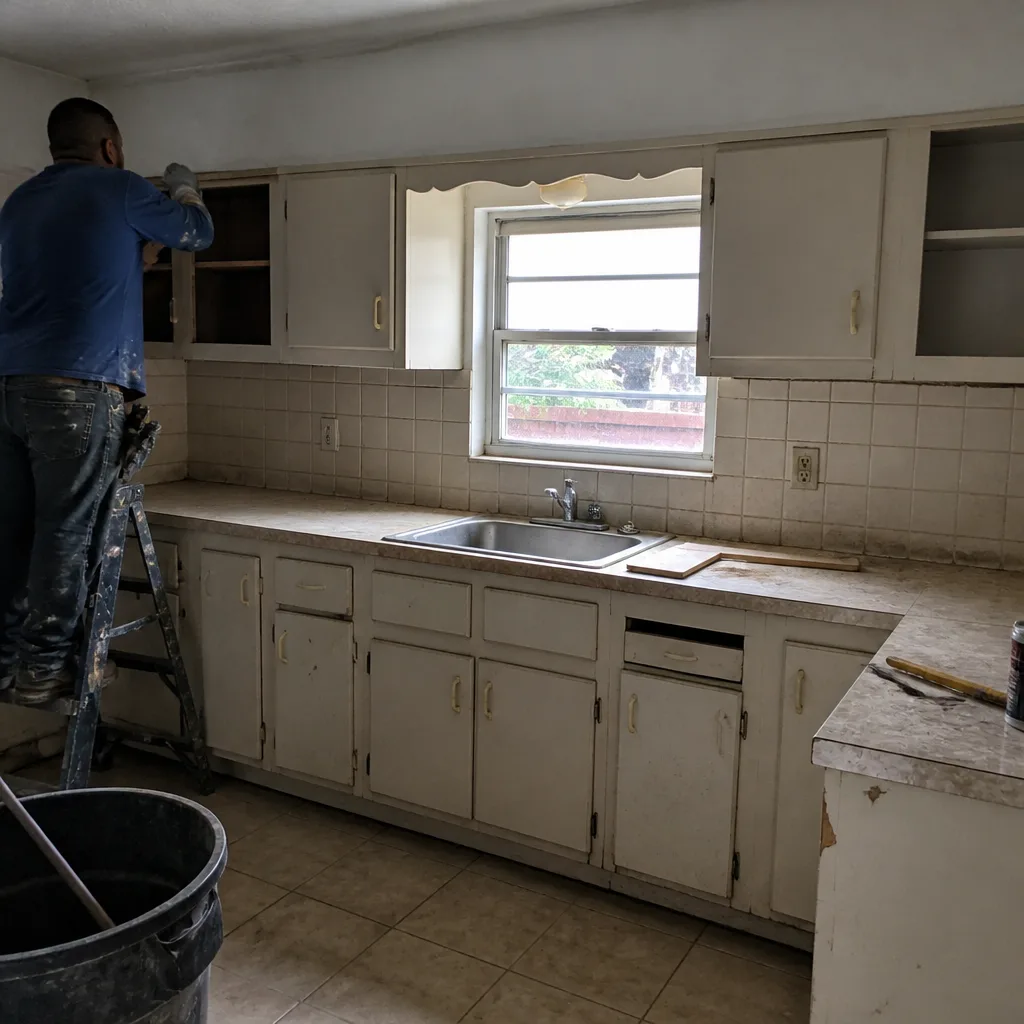 Before
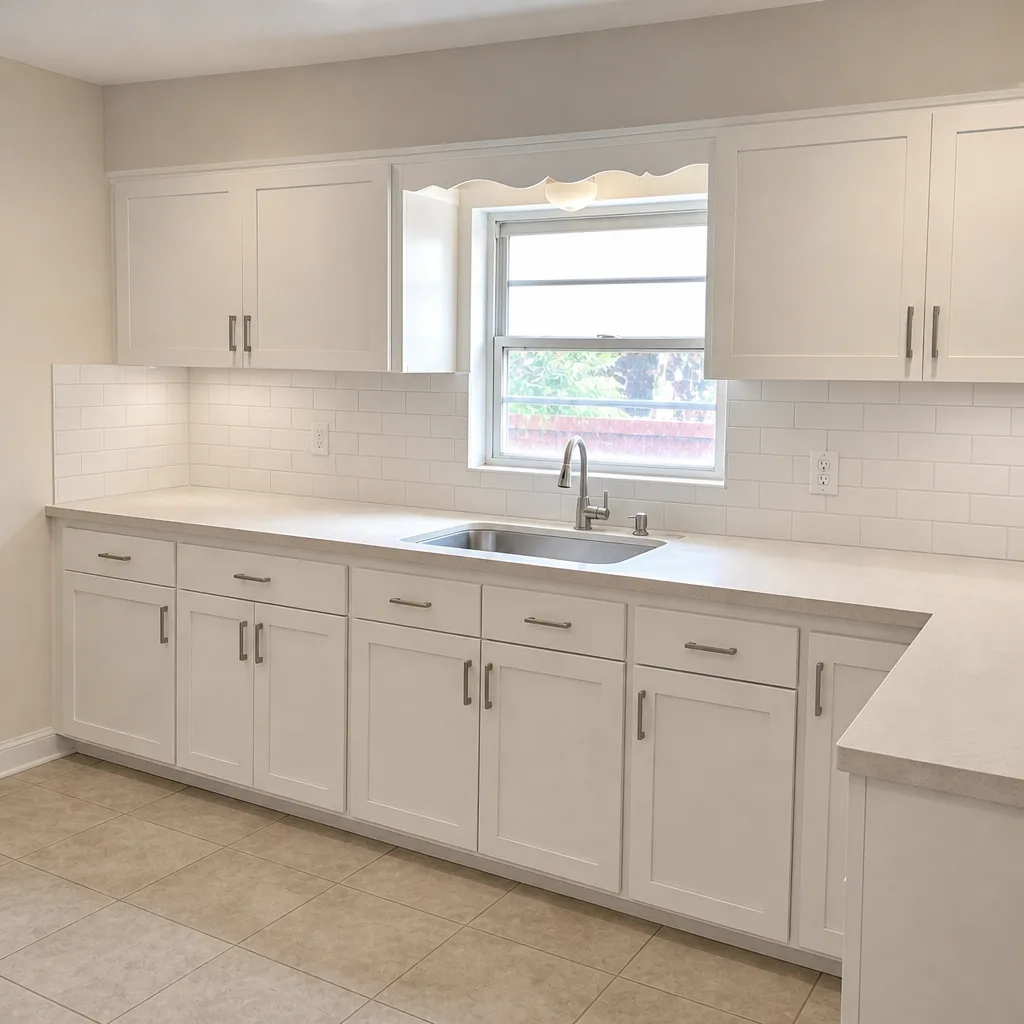 After
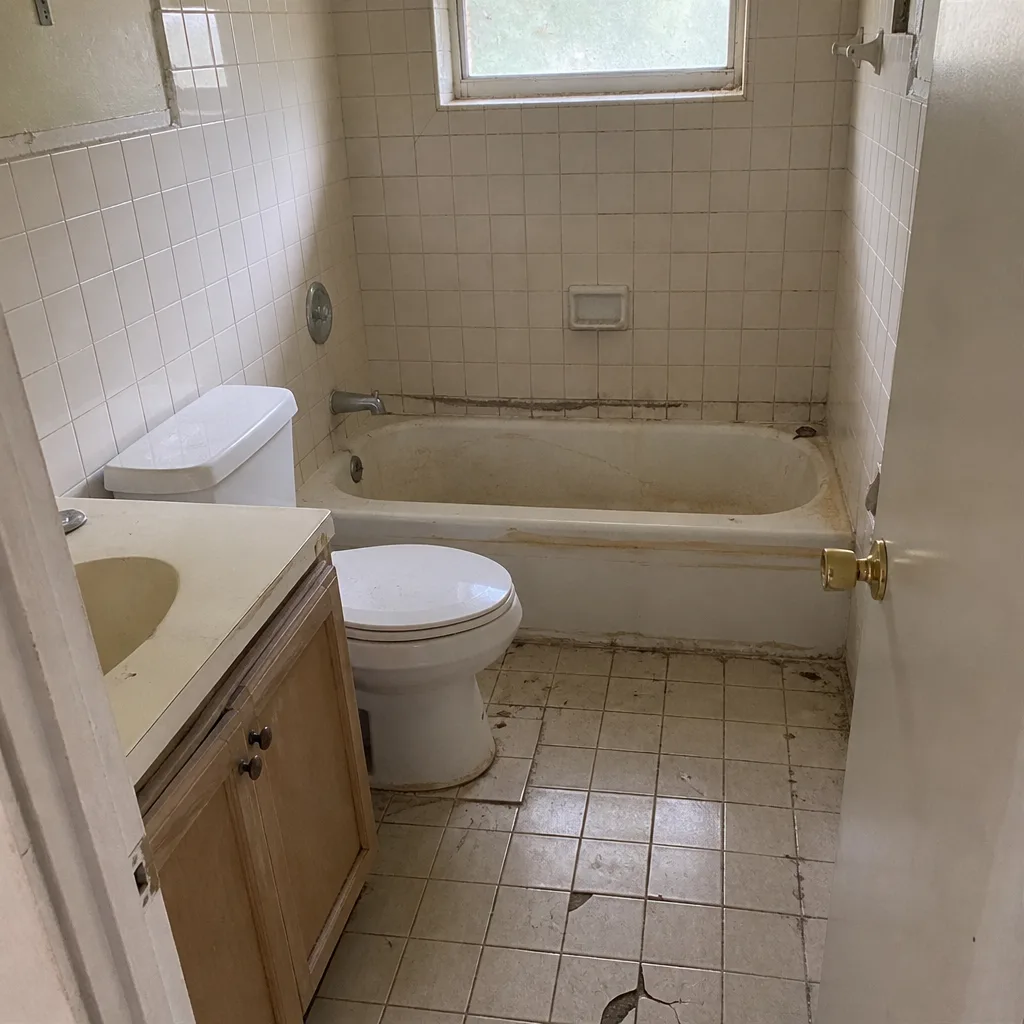 Before
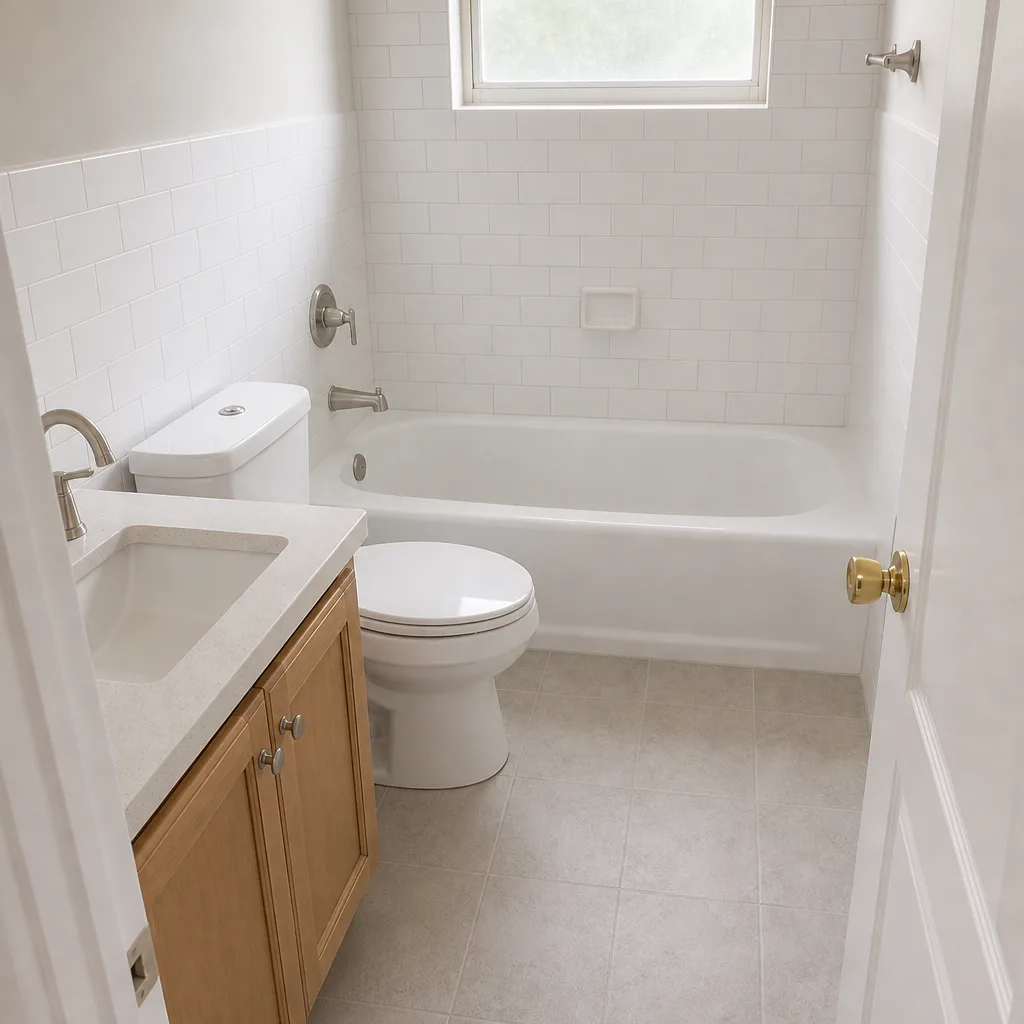 After
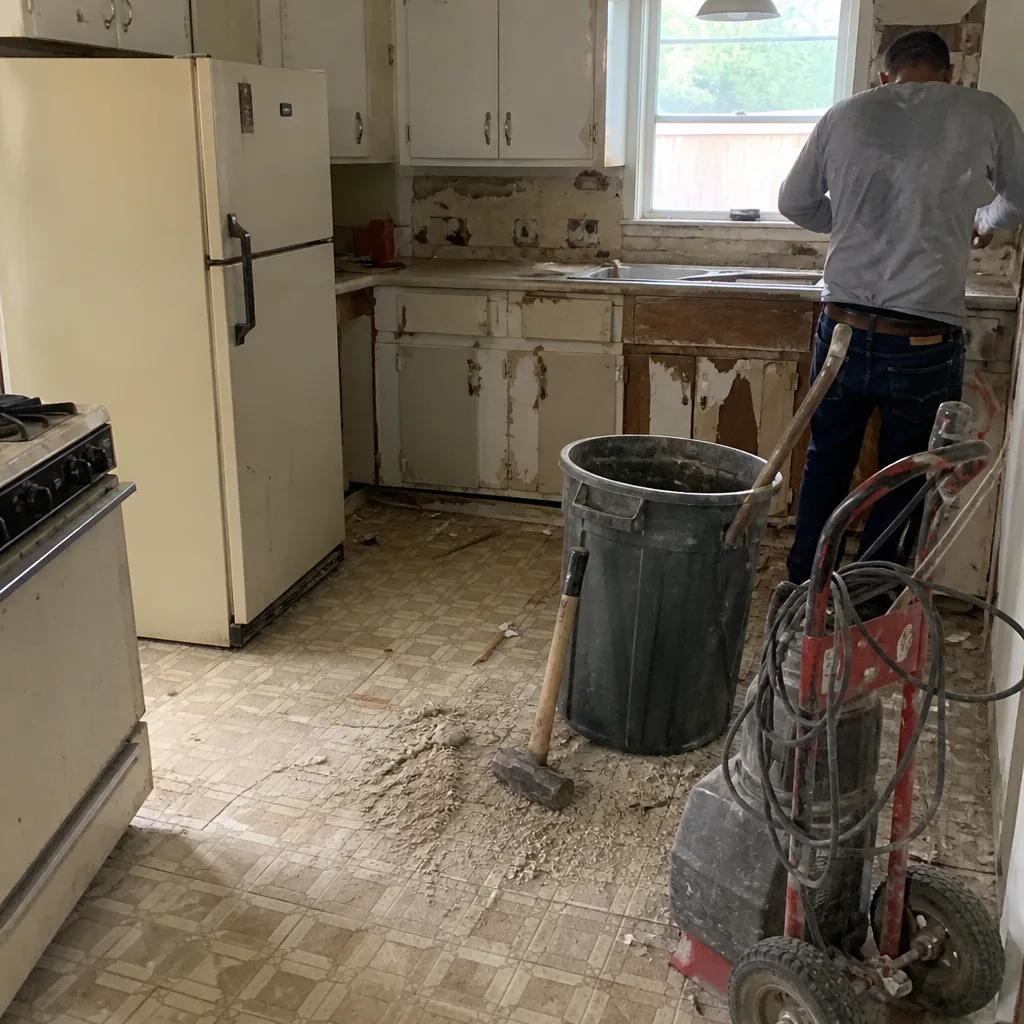 Before
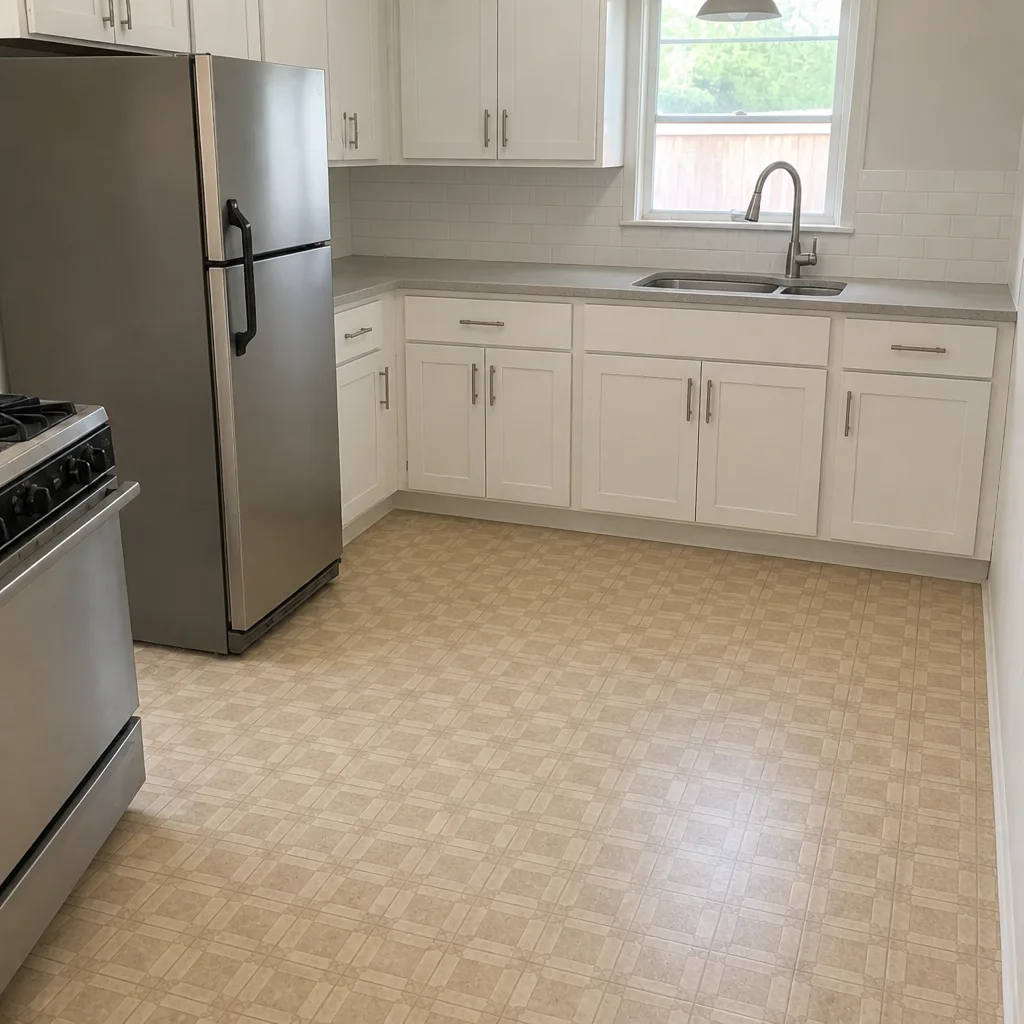 After
Frequently Asked Questions
A bathroom remodel in Miami takes 3 days for a cosmetic refresh, 1 – 2 weeks for a partial remodel, and 3 – 6 weeks for a full gut remodel, plus 1 – 3 weeks for permit review and inspection scheduling through Miami-Dade. The permit timeline is the variable most homeowners underestimate. Call (833) 968-1198 for an exact quote on your scope, estimates are free.
Most overruns come from three things: permits pulled after demo instead of before, materials ordered late so the tile crew waits, and no buffer for inspection windows. A “two-week” quote often assumes none of those happen. A realistic timeline includes all three. Call us for a written schedule, not just a number.
You need a permit in Miami-Dade whenever the work moves plumbing, electrical, or structural elements. A cosmetic refresh (paint, fixtures, vanity top) typically doesn’t. A full gut remodel almost always does. We pull the permit as part of the project and build the inspection windows into the schedule. Call (833) 968-1198 to ask about your specific scope.
Only a cosmetic refresh fits in under a week, and only when the finishes are already on hand. Anything that opens a wall, moves plumbing, or changes tile takes longer because the trade sequence and inspection steps are fixed. Anyone promising a gut remodel in three days hasn’t planned the work. Call us for a realistic timeline.
South Florida’s humidity and older housing stock are the two big factors. Proper waterproofing systems are non-negotiable here, which adds a step, and opening the walls in an older Miami home can reveal galvanized plumbing or undersized wiring that needs replacing before tile goes up. Both matter for a durable bathroom. Call (833) 968-1198 to talk through your home.
Ask three things: when will you pull the permit, how many days do you hold for the rough-in inspection, and when are my tile and vanity ordered and staged? If the contractor can answer those with specific dates, the timeline is real. If not, it’s a wish. Call us and we’ll walk you through our written schedule, estimates are free.
The Bottom Line
The bathroom remodel timeline isn’t a number, it’s a sequence. A cosmetic refresh runs 3 – 5 days, a partial remodel 1 – 2 weeks, and a full gut 3 – 6 weeks, with Miami-Dade permit review adding 1 – 3 weeks on anything that moves plumbing or electrical. The schedule holds when permits are pulled early, materials are staged before demo, waterproofing and rough-in inspections are treated as fixed steps, and buffers are built in. That’s how you tell a planner from a guesser. And it’s how Groundwork Construction Co. of Miami builds every job: upfront pricing with no surprises, a live person on the phone around the clock, and the 730-Day Done Right Promise standing behind the work.
Related Services We Handle in Miami
Bathroom remodels rarely live alone. Homeowners planning a bathroom often have a bigger project taking shape, whether that’s finishing the front of the house or extending the footprint. If your project includes outdoor work, see our Driveway & Pavers in Miami page. If privacy and curb appeal are on the list, our Fence Installation in Miami page covers materials and timelines. And if your bathroom plan is the first phase of a larger footprint, start with the Groundwork Construction Co. of Miami home page to see the full scope we cover.
What happens when you call
- 1
A real person answersNo phone trees – you reach a local pro.
- 2
You get an upfront price rangeHonest numbers before anyone is dispatched.
- 3
A background-checked tech heads outLicensed & insured, dispatched right away.
- 4
You approve before work beginsNothing starts until you say go.
Ready to Plan Your Bathroom Remodel?
You don’t have to accept a vague timeline and hope. Bring us your bathroom, your budget, and your goals, and we’ll walk you through a written schedule that accounts for permits, material staging, the fixed trade sequence, and inspection windows: no hand-waving, no surprise change orders. Call (833) 968-1198 for a free estimate and design consult in Miami. Ask about the current promotion of $1,000 off projects over $10,000 and 0% financing for 18 months. Upfront pricing, no surprises, from foundation to finish line.
Written by the team at Groundwork Construction Co. of Miami.