
Last updated November 17, 2026
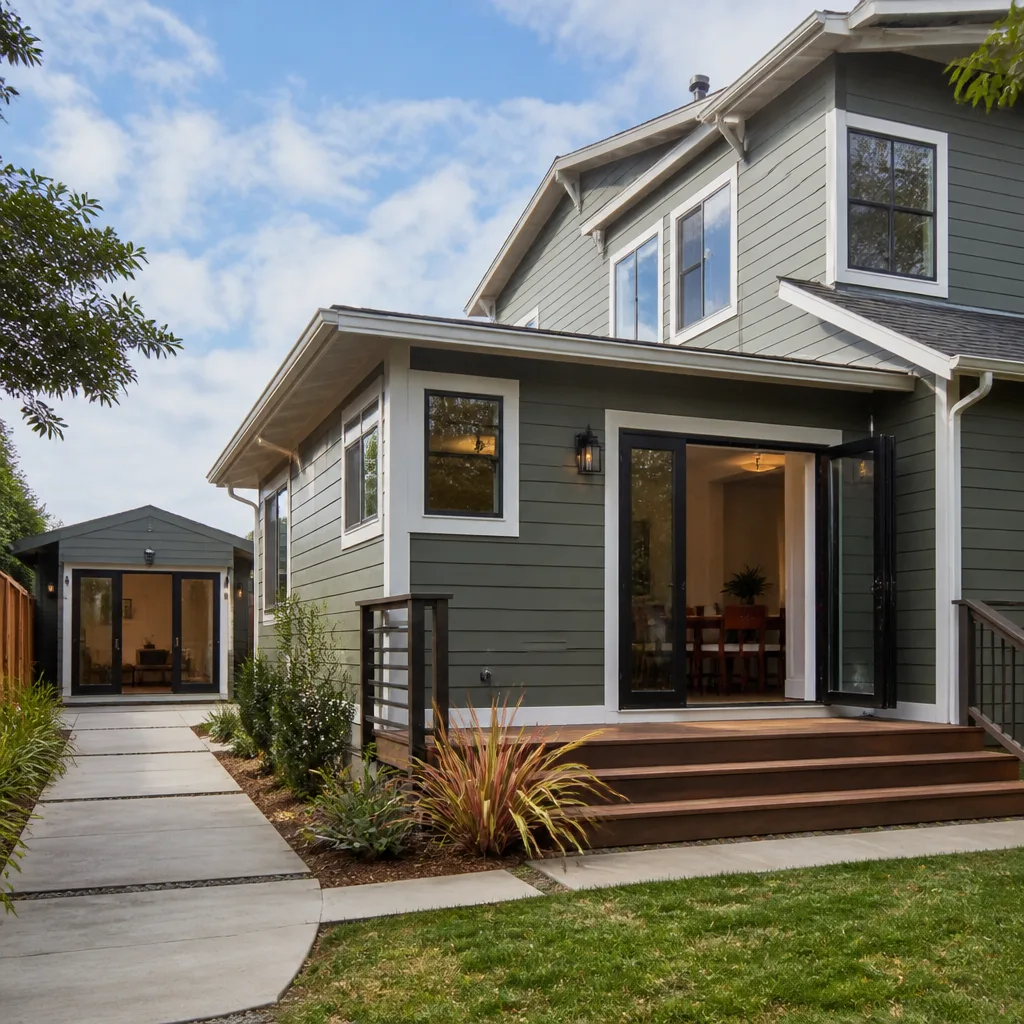 Home additions & ADU
 Kitchen remodeling
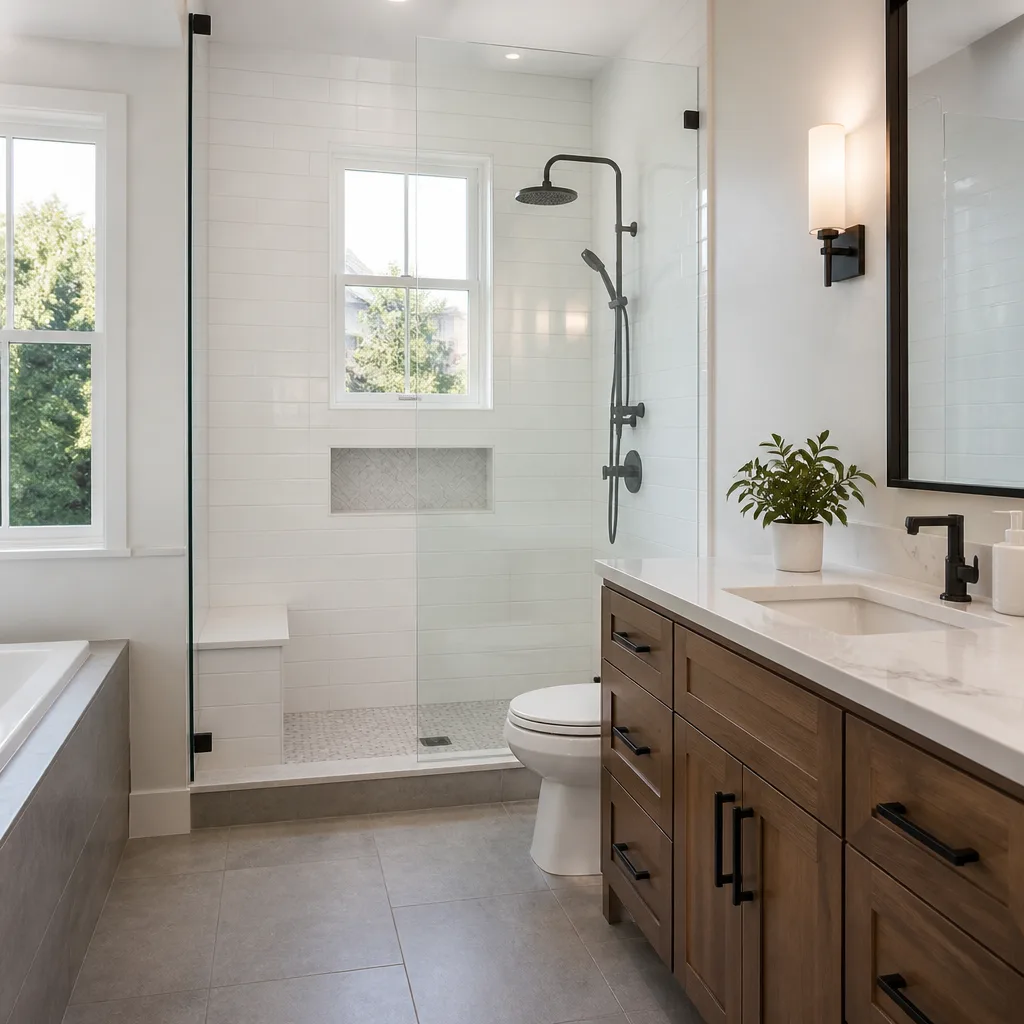 Bathroom remodeling
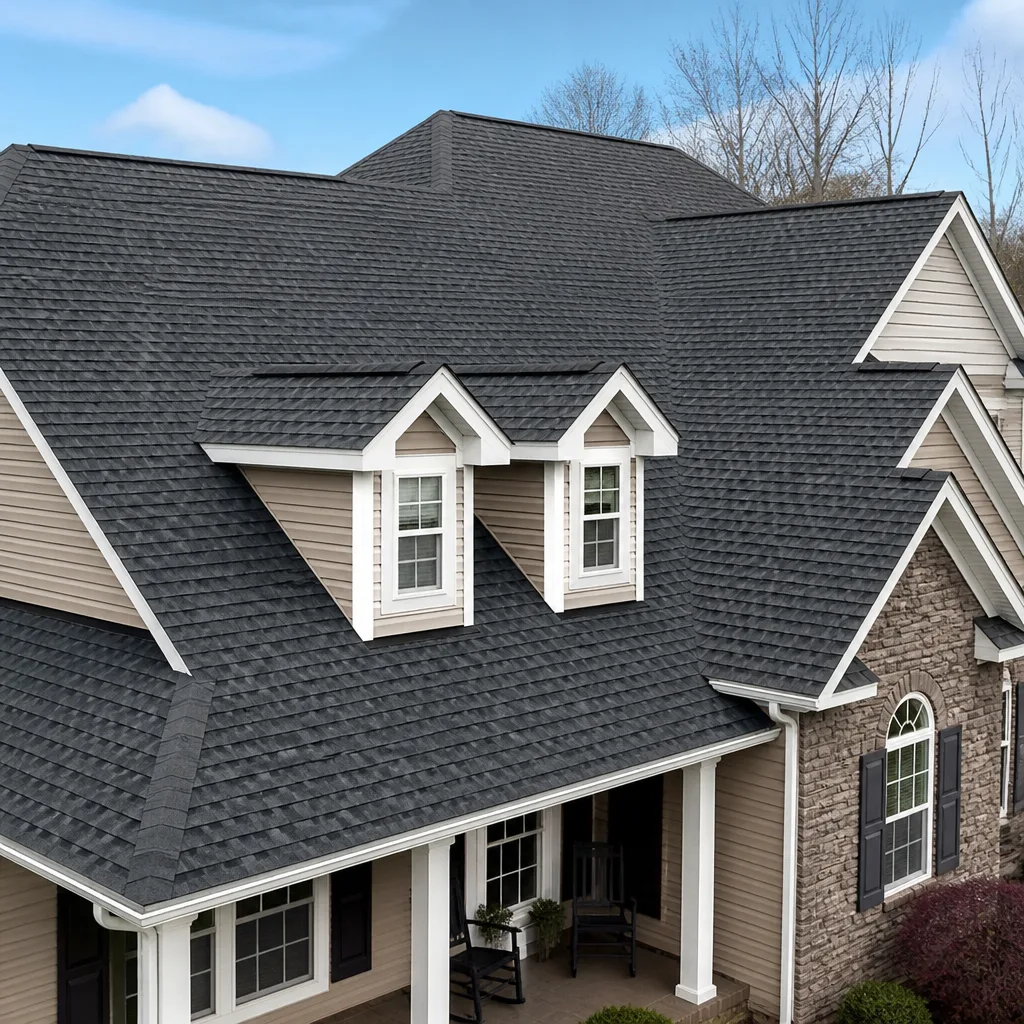 Roofing
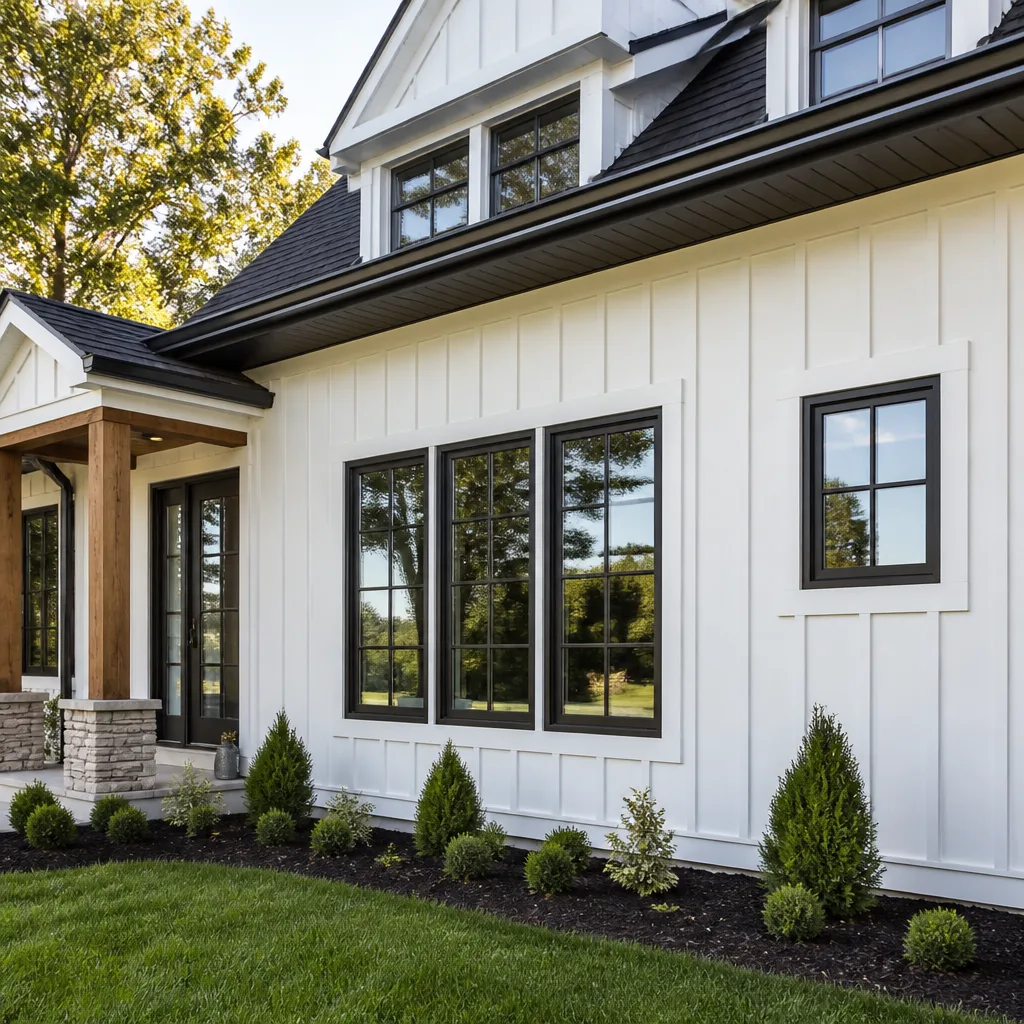 Windows & doors
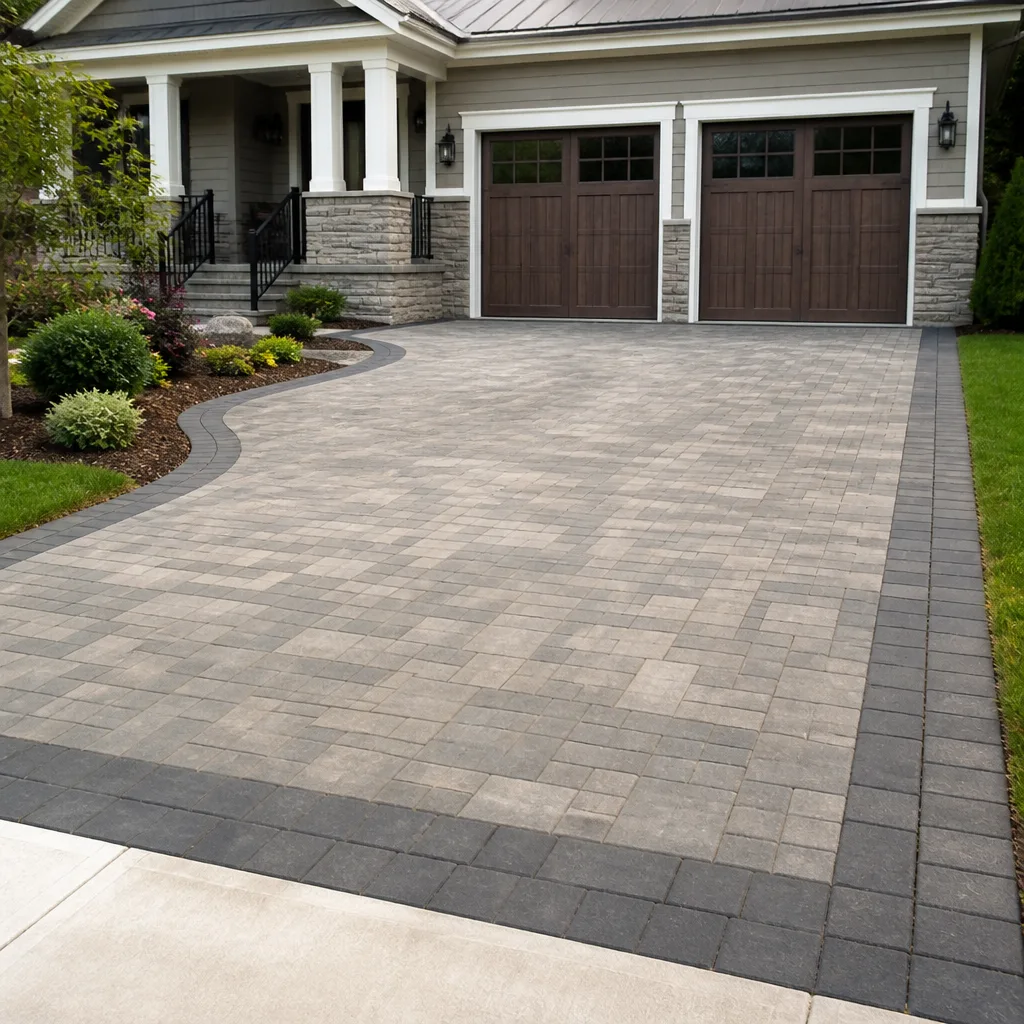 Driveway & pavers
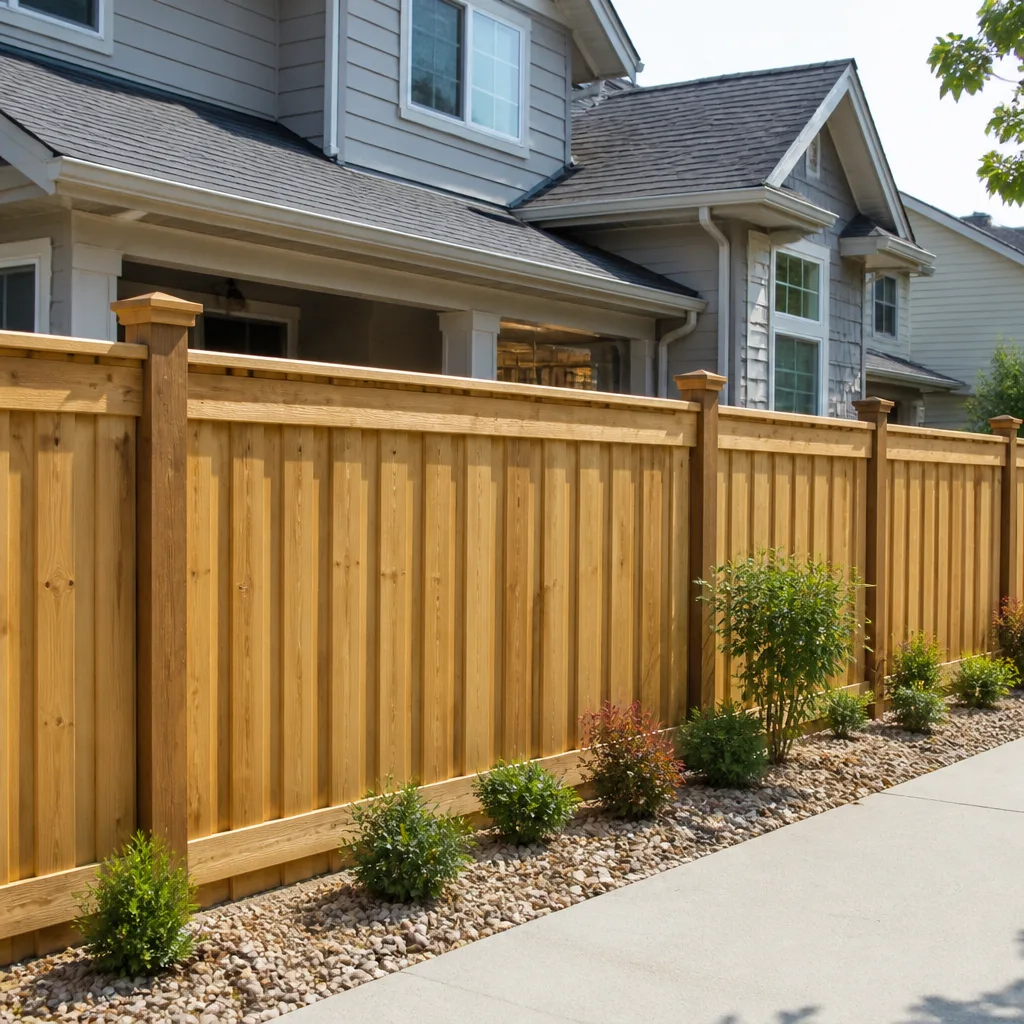 Fence
Free written scope consultation - allowances, timeline, and change-order rules on paper before a single trade is scheduled
Construction Emergency Preparedness Guide for Miami Homes
Most Miami homeowners have a hurricane kit, a shutter plan, and a generator on the list. What almost none of them have is a construction emergency protocol: a file of contractor contacts, a habit of documenting the current condition of their home, and a working knowledge of how Florida’s post-disaster contractor market changes in the 48 hours after a storm makes landfall. FEMA has documented for years that post-hurricane contractor fraud concentrates heavily in South Florida, and it isn’t because Miami homeowners are gullible. It’s because a torn-open roof plus a three-week wait on an adjuster creates exactly the desperation that unlicensed operators are built to exploit. This guide gives you the file, the checklist, and the legal grounding to avoid that trap.
Quick Answer
Construction emergency preparedness for a Miami home means three things done before a storm: photograph and log the current condition of your roof, openings, stucco, drainage, and foundation in an adjuster-friendly format; keep a written file of licensed contractor contacts, your insurance carrier’s claims line, and the Miami-Dade County emergency permit line; and know the Florida statutes that govern post-disaster solicitation so you can tell a legitimate emergency response from a storm chaser. After a storm, do your own 72-hour walkthrough before anyone with a clipboard arrives, and execute temporary protection through a licensed contractor under a limited scope of work.
Styles & brands we work with
- Kitchen remodeling
- Bathroom remodeling
- Home additions & ADU
- Roofing
- Windows & doors
- Driveway & pavers
- Fence
Table of Contents
- Before the Storm: The Construction Documentation Protocol
- What to Have on File Before Hurricane Season
- The 72-Hour Post-Storm Construction Inspection Checklist
- Florida Law on Post-Disaster Contractor Solicitation
- Temporary Protection Without Signing Your Rights Away
- Pulling Your Permit History from the Miami-Dade Portal
- How We Choose the Contractors We Connect You With
Before the Storm: The Construction Documentation Protocol
The single most valuable thing a Miami homeowner can do for hurricane construction damage recovery happens in calm weather, on a Saturday morning, with a phone and an hour. Insurance adjusters don’t want mood-board photos. They want chronological, labeled, wide-then-close documentation of the constructed elements of your home and the site around it.
Here’s the protocol we walk homeowners through when they ask how to prepare. Do it once now, and again every June before the season starts.
- Shoot wide, then tight. For each elevation of the house (front, back, left, right), take a wide shot from the property line showing the full wall and roofline in one frame. Then step in and shoot tight detail of every penetration: the roof-to-wall junction, the AC line set where it enters the stucco, the meter box, soffit vents, and any previous patch.
- Photograph the roof from three angles. A drone is not required. Use a phone from a safe, ground-level position, and shoot the ridge line, the valleys, and the area above each downspout. If you have a second-floor window that overlooks the roof slope, use it.
- Log the openings. Every window and door gets one photo, closed, with a size reference (a tape measure or a standard brick block works). Record the brand name visible on the glass or frame. This matters because an Andersen or Pella unit that fails in a storm is a different claim than a builder-grade slider, and having the brand documented up front removes an argument at the worst possible time.
- Document the site drainage. Photograph swales, French drains, area drains, and the direction the water runs. In Miami, water intrusion after a storm is often as destructive as wind, and showing the property’s original grade protects you from “this was a pre-existing drainage problem” claims.
- Scan and store. Save everything to a cloud folder labeled with the date. Email the folder to yourself so there’s a timestamp. Print a copy and keep it in a waterproof document bag with your insurance policy and permit records.
Label every file with the date and what it shows: “2026-06-01_front elevation_wide.jpg.” An adjuster sorting through 200 files named IMG_4471 through IMG_4670 has to reconstruct your timeline from scratch. One who opens a folder of labeled photos can move your claim forward the same day. Background-checked, uniformed technicians on every job we connect can help you build this documentation as part of an inspection, which is one of the simpler ways to get it right the first time.
What to Have on File Before Hurricane Season
The difference between a homeowner who recovers from a storm in six weeks and one who’s still fighting in month nine is almost always paperwork that was assembled before the wind started. Build this file now, in a three-ring binder and a cloud folder that mirror each other.
- Your insurance policy, declarations page, and claims phone number. Write the claims line on a sticky note on the inside of a kitchen cabinet. After a major storm, carrier websites go down and hold times stretch into hours. The number you already have on the fridge is worth more than the app you can’t load.
- Contractor license numbers. Before the storm, get the Florida state license number and the local competency license number for two or three contractors you’d actually call. Confirm each one through the state database while your internet is working. In a storm’s aftermath, you won’t have the bandwidth to vet anyone properly.
- Miami-Dade County building department emergency permit line. Post-disaster, emergency permitting moves to a separate intake. Save that contact before you need it. Florida law allows emergency permits for temporary repairs, and knowing the line gets you ahead of the queue.
- Your property’s permit history. Pull it from the Miami-Dade portal (more on that below) and keep the printout. If a roofer later claims your sheathing was never permitted, you’ll have the record that proves otherwise.
- The pre-storm photo documentation from the previous section. It’s only useful if it’s in the file.
- A list of material brands on your home. James Hardie siding, a specific shingle line, a window brand. When you’re filing a claim or ordering temporary protection, material identification streamlines everything from scope to lead time.
Miami sits in a market where roughly half the housing stock is pre-2002 construction, and pre-2002 homes can carry different underwriting questions than newer ones. Having your home’s build era and permit history already documented protects you from a claims conversation you didn’t prepare for.
The 72-Hour Post-Storm Construction Inspection Checklist
Do this yourself before anyone with a clipboard and a business card walks your property. The 72-hour window matters because storm chasers arrive within the first day, and a homeowner who already knows what’s damaged negotiates from knowledge instead of fear.
Walk in this order, and photograph everything as you go. Stop and call a professional the moment you see anything in the last two categories.
- Roof, from the ground. Look for lifted or missing shingles, granules in the gutter or on the ground at the downspout outlets, and any sag in the ridge line. Do not get on the roof. Wet shingles after a Miami storm are slippery, and a fall injury in the days after a hurricane is a genuinely common way to turn a recoverable problem into a catastrophic one. Ground-level inspection only.
- Openings. Check every window and door for cracked glass, water staining at the frame, and daylight through the weatherstripping. Open and close each one once. A door that suddenly sticks after a storm is telling you the frame moved.
- Drainage. Walk the perimeter. Is water ponding anywhere it didn’t before? Are the area drains clear of debris? Are the swales holding water? Standing water within 24 hours of the storm clearing is a drainage problem, not a normal condition.
- Stucco and exterior walls. Look for hairline cracks that weren’t there in your pre-storm photos, blistering paint, and any soft spot under a window or at a corner where wind-driven rain concentrates. Probe gently with a screwdriver handle, not a blade.
- Foundation and slab edge. Check for new cracks at the slab edge, separation where the stucco meets the foundation, and soil erosion around the perimeter.
- Interior water intrusion. Look at the ceiling in every room, especially under the roof valleys and around any roof penetration. Water stains can take 48 hours to appear. Check the attic if you can access it safely.
If you find water intrusion, cut power to the affected circuit before you do anything else, and call a licensed contractor for water extraction and drying. In Miami, mold growth in a wet wall cavity can begin within 48 to 72 hours in summer humidity. That’s not a scare tactic; it’s a timeline.
Once you have your own assessment, you can price the actual repair. Roofing in Miami is a substantial line item, and a licensed professional can give you a written, line-item estimate instead of a vague lump sum. If you’re also looking at driveway or hardscape damage from debris, that’s a separate trade and a separate conversation.
Florida Law on Post-Disaster Contractor Solicitation
Florida has specific statutory protections against the kind of contractor who shows up in a damaged neighborhood with a clipboard and a pitch. Understanding them takes ten minutes and can save you a five-figure mistake.
Under Florida’s Deceptive and Unfair Trade Practices Act and its contractor licensing statutes, several things are true that a storm chaser hopes you don’t know:
- Unlicensed contracting is a crime in Florida, and it’s not a technicality. A person who performs construction work requiring a license without one commits a misdemeanor on a first offense and can face felony charges on a repeat. Any contractor soliciting work after a storm should be able to produce a state license number and a local competency license on request.
- Door-to-door solicitation after a declared emergency is a red flag. Legitimate contractors do not need to cold-knock a damaged neighborhood. They’re booked out from existing customers and insurance referrals. The person knocking on your door in the first week is, by definition, not that.
- Deposit demands are a classic warning sign. A legitimate emergency repair engagement will ask for a deposit proportionate to the material order, and it will put terms in writing with a scope of work, a start date, and a completion date. A large cash deposit up front, with no written scope, is the signature of the storm chaser.
- You have the right to cancel certain contracts within three business days under Florida’s home solicitation law when the contract is signed at your home. That window doesn’t fix a bad decision, but it’s worth knowing it exists.
- Assignment of benefits contracts are a specific trap. If a contractor asks you to sign an AOB, you are assigning your insurance rights to them. That limits your control over the claims process. Read anything labeled “assignment” or “direction to pay” before signing, and when in doubt, decline.
The tell for a legitimate engagement is boring: written scope, written price, license number on the estimate, insurance certificate provided, and a schedule that doesn’t require you to sign anything today. When the work is covered by a 730-Day Done Right Promise, you’ve got a written warranty to point to, and that’s the standard every emergency repair should be held to.
Temporary Protection Without Signing Your Rights Away
After a storm, the first thing a damaged home needs is temporary protection: a tarp on the roof, board-up on failed windows, water extraction from a wet interior. The trap is signing a full repair contract when you only need emergency stabilization. Those are two different scopes and two different documents, and conflating them is how homeowners end up locked into a full replacement at an inflated price before the adjuster has even assessed the damage.
Here’s how to execute temporary protection cleanly:
- Ask for a temporary-protection scope, in writing, separate from the repair contract. The scope should list exactly what’s being done: how many square feet of tarp, which openings get boarded, what water extraction equipment is used and for how long. It should be a stand-alone document with its own price.
- Confirm the contractor is licensed and insured for the temporary work. Tarping a roof is construction work and requires a licensed roofer in Florida. Board-up is typically general contracting. Verify the license number, and ask for a certificate of insurance naming you as the property owner.
- Refuse any agreement that includes an AOB or a direction to pay. You are paying for temporary protection; you are not transferring your insurance claim. If the contractor insists, walk.
- Document what was done. Photograph the tarped roof and boarded openings, and keep the invoice. Your insurer will want it for the claim, and the photos protect you if the temporary work fails before the repair happens.
- Schedule the permanent repair separately. Once your adjuster has assessed and your claim is open, the repair scope can be written properly with line-item pricing. Rushing that step is how a $4,000 tarping job turns into a $40,000 roof replacement you didn’t need.
If you’re comparing a full window replacement against repair after a storm, ask for both scopes in writing. In Miami, hurricane-rated windows and doors from brands like Andersen, Pella, and James Hardie assemblies are a real investment, and the difference between repair and replacement should be a documented, priced decision, not a sales push in the first 48 hours.
Pulling Your Permit History from the Miami-Dade Portal
Your property’s permit history tells you what has actually been built on your home, by whom, and when. It’s the document set that protects you during an insurance claim after a storm. Pull it once now, print it, and file it with your pre-storm photos.
The Miami-Dade County online permitting portal lets a homeowner search by property address and pull every permit on record: roofing, structural, window and door replacements, additions, and inspections. Here’s what to do with it:
- Print the full permit history and note the last completed permit for each major system (roof, openings, structural). Note when it was closed out and who pulled it.
- Compare the permits to what’s actually on the house. A sunroom with no permit on record is an underwriting question that can surface at the worst possible moment, and it can also affect a claim if the unpermitted work is damaged in a storm.
- Note any open or expired permits. If there’s a permit on record that was never closed out, that’s worth resolving before a storm, not after.
- Keep the printout current. When you complete a new roof, a window replacement, or an addition, add the closed permit to the file.
If your permit history reveals an unpermitted improvement, get it inspected and documented while the market is calm. A licensed contractor can assess whether the work was done to code, and if it wasn’t, you know the scope before a storm forces the issue. That’s the calm-market conversation that saves the worst-case one.
How We Choose the Contractors We Connect You With
We don’t pull up to your house in a van that says “Storm Response” on the side. We connect Miami homeowners with independent local professionals who perform the work, and the standard for who we connect is deliberate: state-licensed, insured and bonded, background-checked, and uniformed on every job. What follows from that is what you should expect from any contractor, pre- or post-storm.
The contractors we refer operate to a written scope of work with line-item pricing, and the number you see is the number you pay, with no change orders that appear mid-project. Every project we’re connected to is covered by the 730-Day Done Right Promise: if it isn’t done right, we make it right, in writing, for two full years. That’s not a warranty you’ll find on a storm chaser’s invoice. And when you call, a live person answers 24/7, which matters most in the 72 hours after a storm when you can’t wait until Monday for a callback.
For a Miami homeowner, this is the difference between having a construction emergency protocol on file and having a desperate phone call in the days after a storm. The protocol is what we help put together: the pre-storm documentation, the file of contacts and permit records, and a written scope for the temporary work if you need it. Groundwork Construction Co. of Miami exists to make the calm-market version of that possible, so the post-storm version isn’t a scramble.
Common Mistakes to Avoid
- Signing a full repair contract during the temporary-protection phase. A tarping scope and a roof replacement are two different documents. Signing the full repair when all you need is tarping locks you into a price before the adjuster assesses the damage.
- Not photographing the pre-storm condition of the home. Without before photos, every claim becomes a he-said-she-said about whether a crack is new. An adjuster’s job is easier, and your claim moves faster, when you can show the piece of stucco that wasn’t cracked in June.
- Hiring a door-knocker in the first week after the storm. Legitimate Miami contractors are booked from existing customers and insurance referrals after a hurricane. The person who cold-knocks your door is telling you something about their pipeline. Verify the state license before you let them on the roof.
- Signing an Assignment of Benefits without reading it. AOB transfers your insurance rights to the contractor. The words “assignment” and “direction to pay” on a document signed at your kitchen table are a specific post-disaster trap in Florida.
- Getting on the roof yourself. Wet shingles, ground-level gutters that look reachable, and a damaged roof edge are three ways to turn a recoverable problem into an emergency room visit. Ground-level inspection only, and call a licensed roofer for anything that requires height.
- Ignoring the permit history until the claim demands it. Unpermitted work on a Miami home is an underwriting and claims risk that shows up exactly when you can least afford a surprise. Pull the record now and resolve the gaps while the weather’s calm.
- Estimating repair costs from a neighbor’s invoice. Concrete roof, window, and water-damage pricing in Miami is specific to the home’s build era and material. A written line-item estimate from a licensed contractor is the only number that means anything in a claim.
See the difference
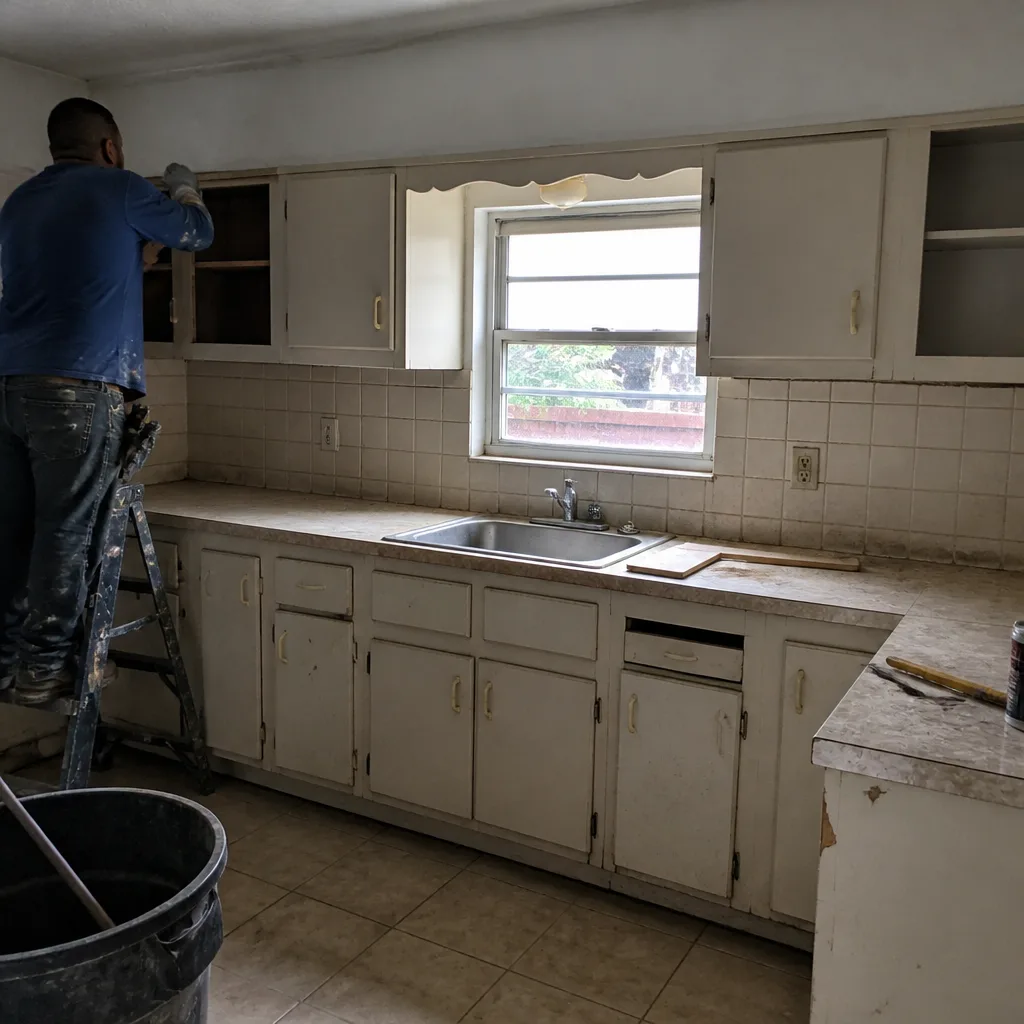 Before
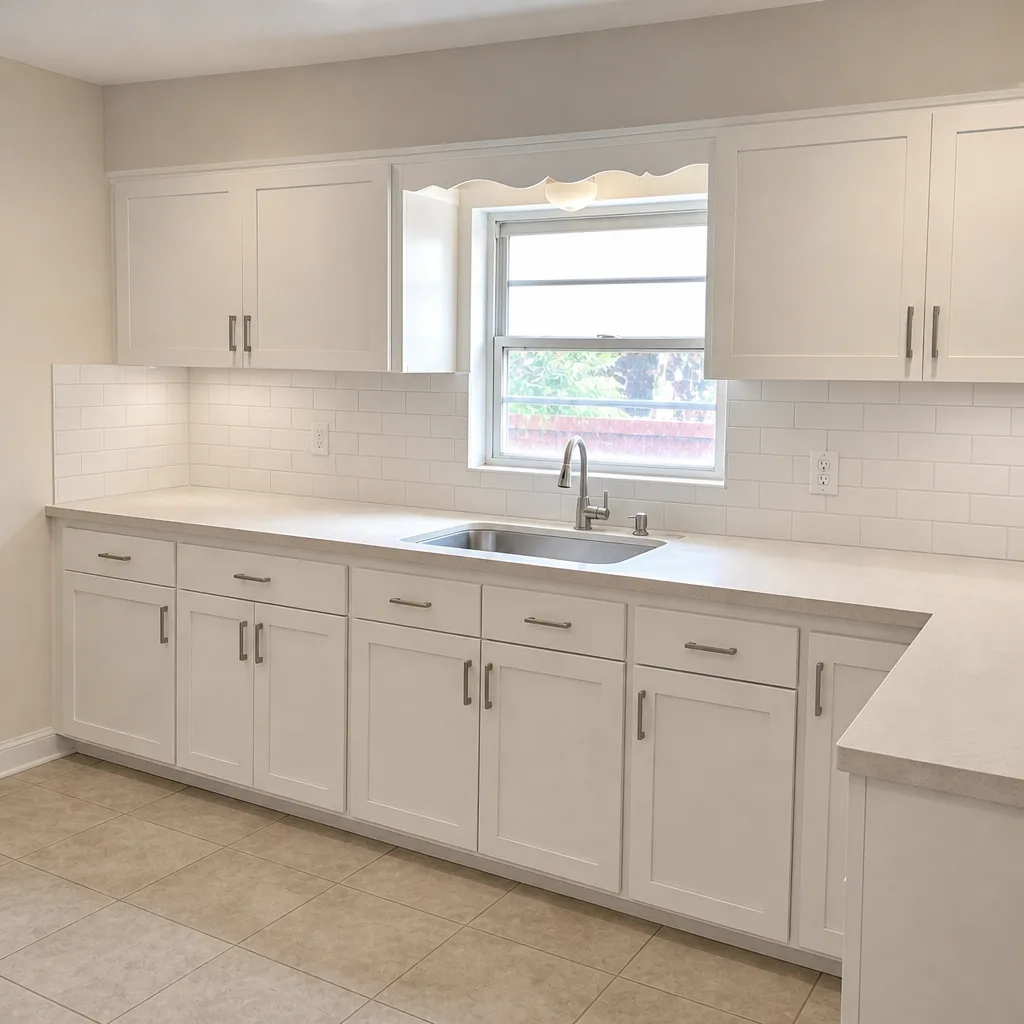 After
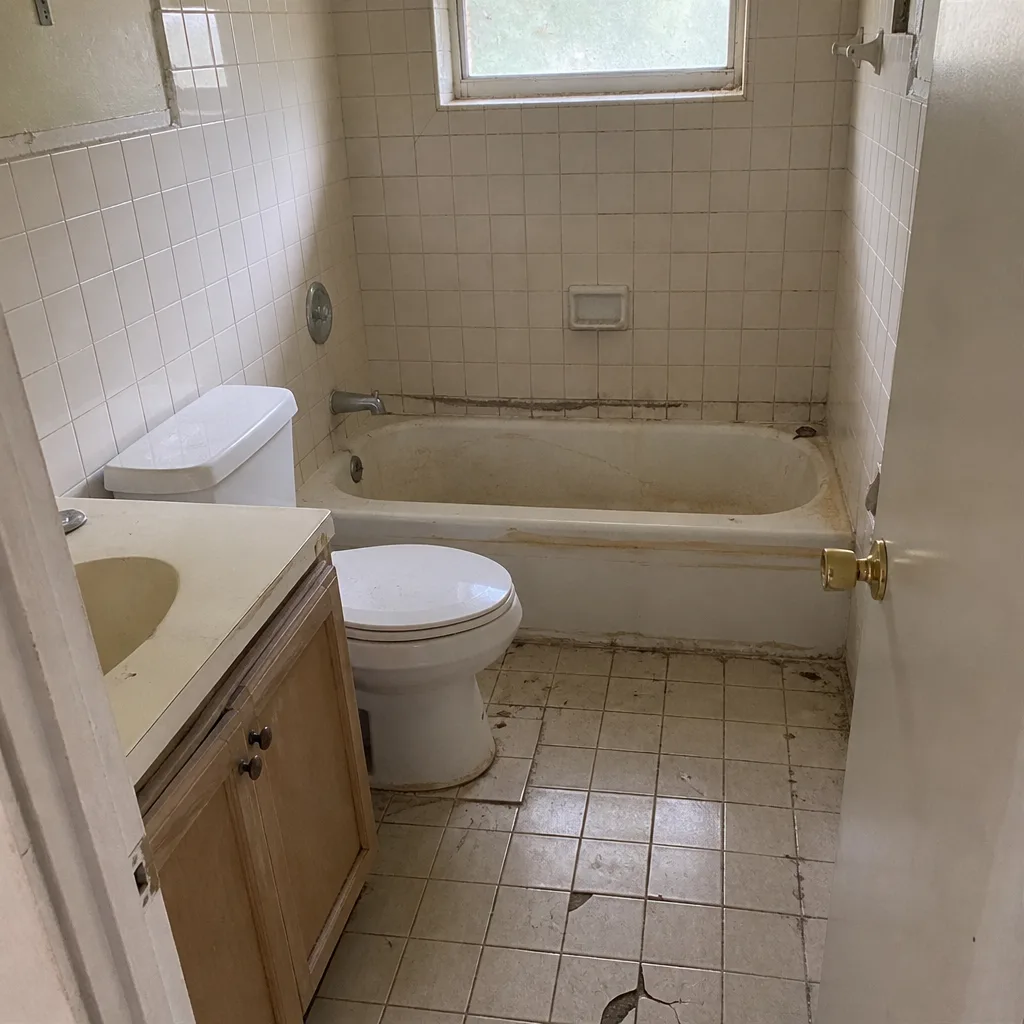 Before
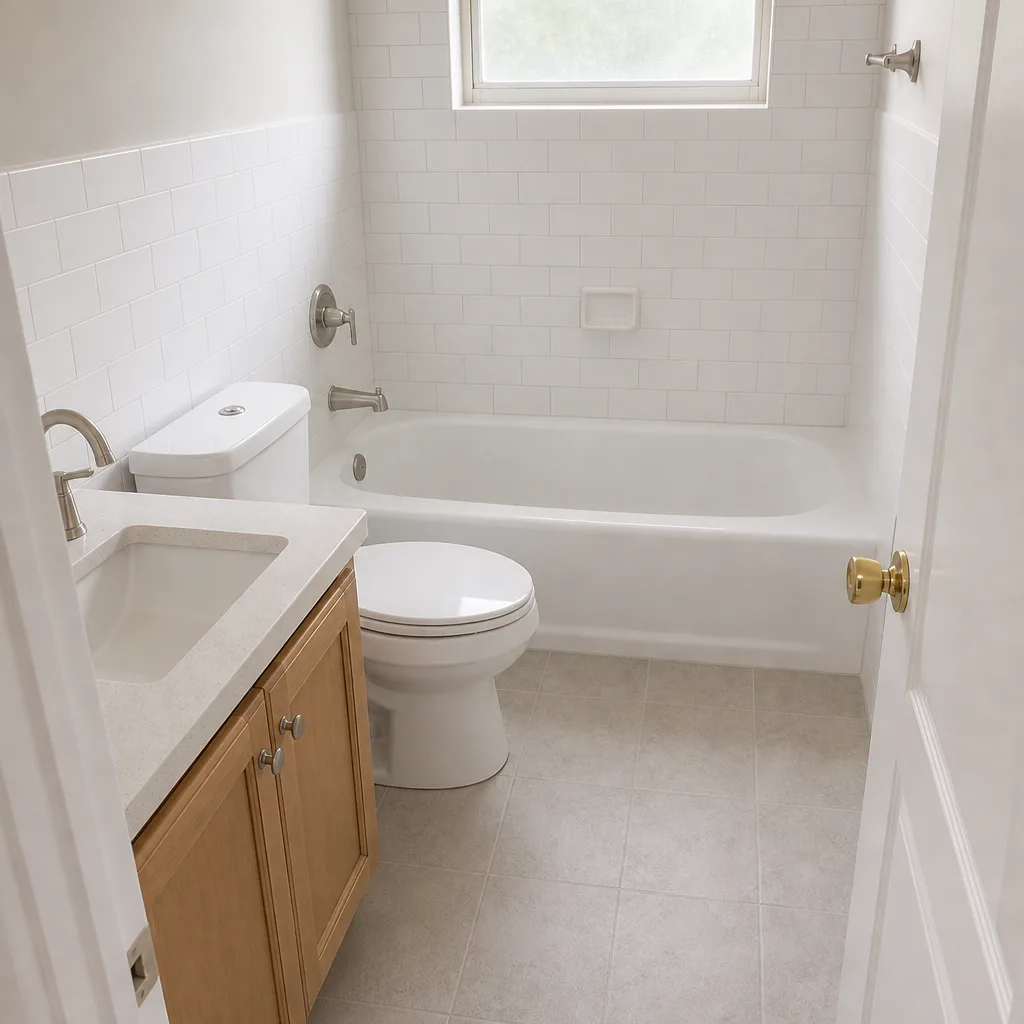 After
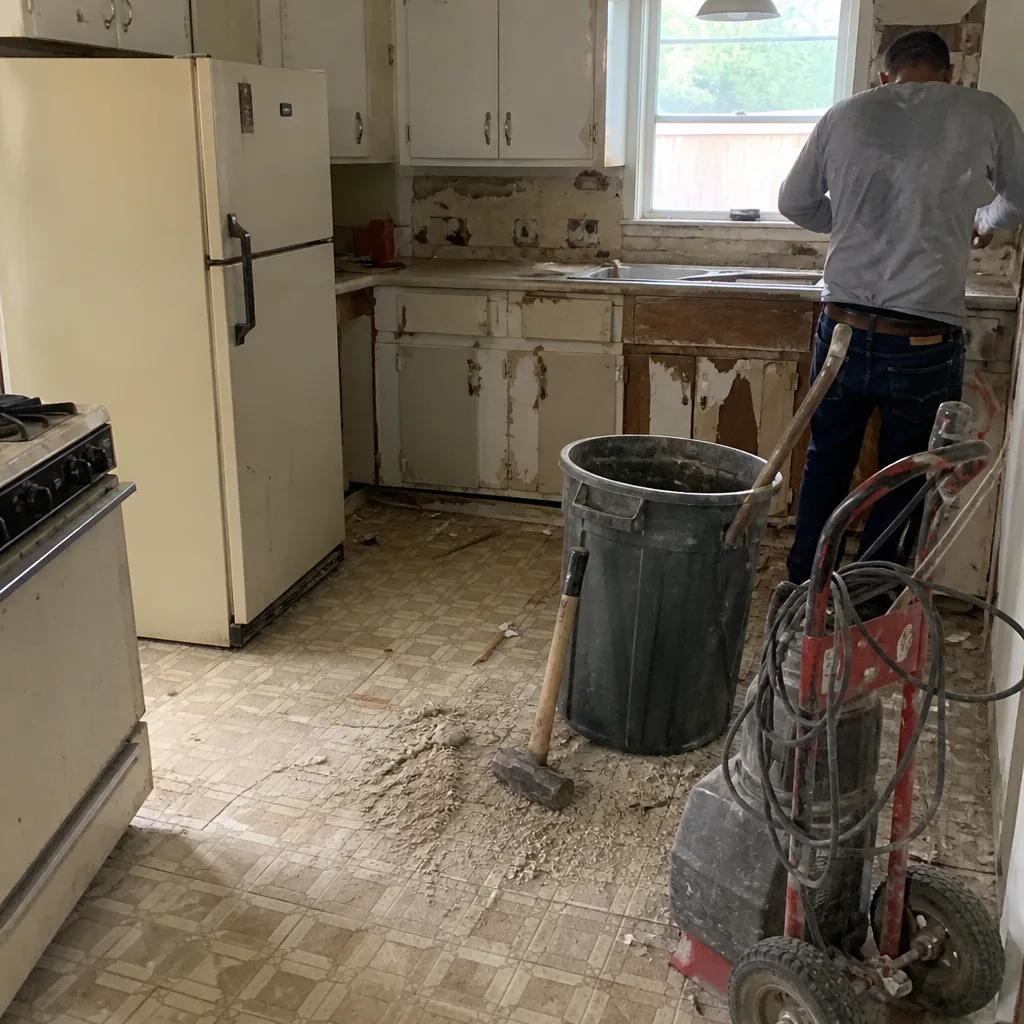 Before
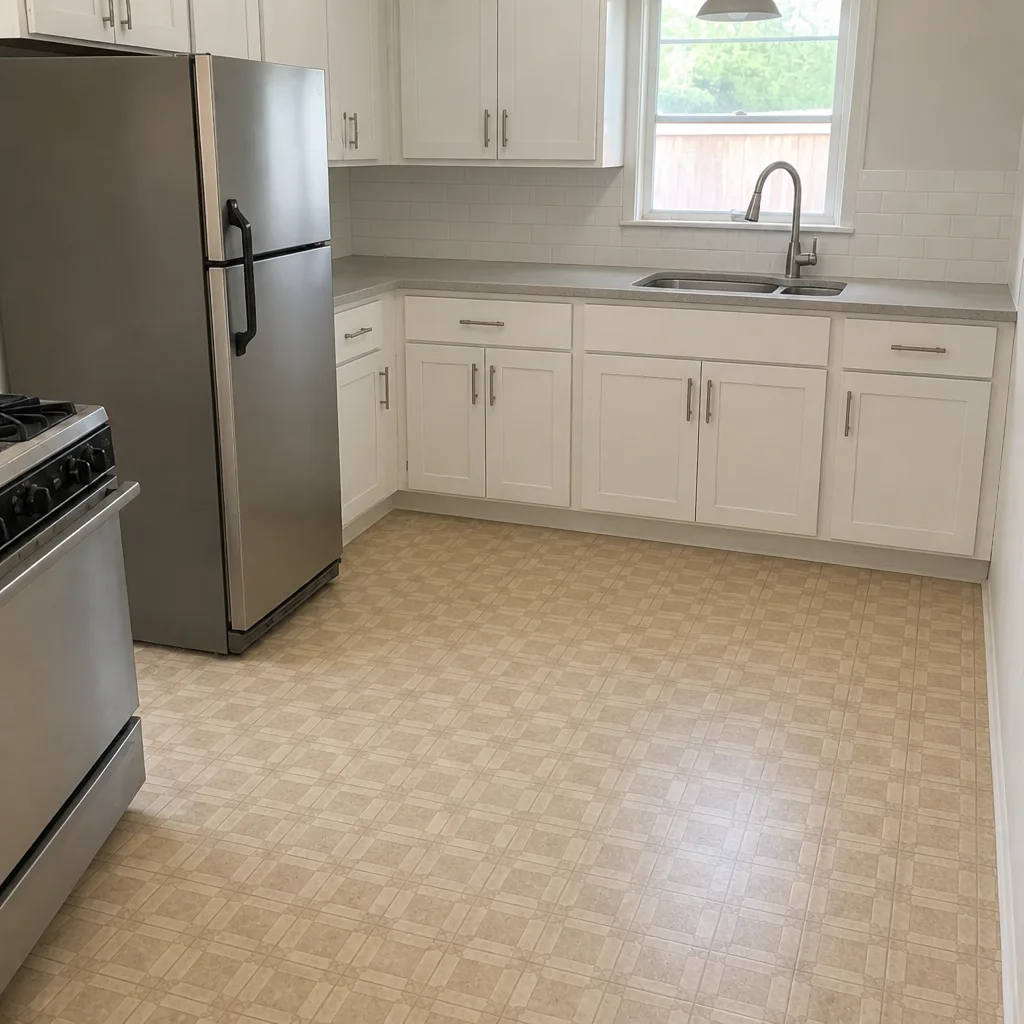 After
When to Call a Professional
Call a licensed professional the moment you see any of these: water staining on a ceiling or in an attic after a storm; a lifted or missing shingle line, or any sag in the roof; a window or door that’s suddenly sticking, cracked, or letting in daylight through the weatherstripping; a soft spot under a window or at a corner where the stucco has blistered; new cracks at the slab edge or separation where the stucco meets the foundation; or standing water on the property within 24 hours of the storm clearing. These are the categories where a professional assessment prevents a larger repair, and where a documented, written scope protects you through the claim process.
Groundwork Construction Co. of Miami offers free estimates in Miami and can help you build the pre-storm documentation file or assess damage after a storm. Call (833) 968-1198 to schedule your free estimate. Calls are answered by a live person 24/7, so you’re not waiting until Monday on a problem that won’t wait.
Frequently Asked Questions
Do your own ground-level walkthrough and document everything before anyone else sets foot on the property, then call your insurance carrier’s claims line and a licensed contractor for a written assessment. Photograph every damaged element and note which pre-storm photos it corresponds to. Don’t get on the roof, and don’t sign a full repair contract during the temporary-protection phase. Call (833) 968-1198 for a free estimate if you need a documented, line-item assessment to hand your adjuster.
It varies widely by scope, which is exactly why you want a written line-item estimate rather than a lump sum from a door-knocker. A tarp and temporary stabilization, a partial shingle repair, and a full roof replacement are three different price categories, and the difference should be documented before you commit. Call (833) 968-1198 for a free estimate with a written scope, and the number you see is the number you pay.
Soliciting is legal, but the person doing it must be licensed to perform the work, and unlicensed contracting is a criminal offense in Florida under the state’s contractor licensing statutes. A contractor soliciting after a declared emergency should be able to produce a state license number and a local competency license on request. If they can’t, or if they demand a large cash deposit with no written scope, don’t engage. Verify through the state database before you agree to anything.
No. Tarping a roof is construction work that requires a licensed roofer in Florida, and climbing a wet, damaged roof after a storm is a genuine injury risk. Hire a licensed contractor for temporary protection, get the scope in writing as a stand-alone document separate from the repair contract, and keep the invoice and photos of the work for your insurance claim. Call (833) 968-1198 and we’ll connect you with a licensed local professional.
An Assignment of Benefits, or AOB, is a contract that transfers your insurance claim rights to the contractor doing the work. After a disaster, AOBs are a common way for a contractor to control the claim process and the repair scope, which limits your ability to negotiate and to direct the work. Read anything labeled “assignment” or “direction to pay” carefully, and when in doubt, decline. You are paying for the repair, not transferring your insurance rights.
Use the Miami-Dade County online permitting portal, search by property address, and pull every permit on record for the home: roofing, structural, window and door, additions, and inspections. Print it, note which permits are open or expired, and compare the record to what’s actually built on the house. Keep it in your pre-storm file. A licensed contractor can help you assess any unpermitted work while the market is calm, before a storm makes it urgent. Call (833) 968-1198 for a free estimate and a documentation review.
The Bottom Line
The construction emergency protocol is built in June, not September. Photograph and label the current condition of your roof, openings, stucco, drainage, and foundation. File your insurance claims line, contractor license numbers, Miami-Dade emergency permit contact, and the property’s permit history in one place. Do your own 72-hour ground-level walkthrough after a storm before anyone with a clipboard arrives. Execute temporary protection as a written, stand-alone scope, refuse any AOB, and know your Florida statutory protections against unlicensed solicitation. That’s the whole guide. Groundwork Construction Co. of Miami will walk through it with you, free, at (833) 968-1198.
Related Guides
- Driveway & Pavers in Miami for hardscape damage assessment after a storm
- Fence Installation in Miami for wind-rated fence systems that hold in hurricane conditions
- Home Additions & ADU in Miami for structural and permitting questions when you’re expanding or repairing
Written by the team at Groundwork Construction Co. of Miami.