
 Kitchen remodeling
 Bathroom remodeling
 Home additions & ADU
 Roofing
 Windows & doors
 Driveway & pavers
 Fence
Free written scope consultation - allowances, timeline, and change-order rules on paper before a single trade is scheduled
Styles & brands we work with
- Kitchen remodeling
- Bathroom remodeling
- Home additions & ADU
- Roofing
- Windows & doors
- Driveway & pavers
- Fence
See the difference
 Before
 After
 Before
 After
 Before
 After
Do You Need a Permit to Remodel a Kitchen in Miami, FL?
Yes, you need a permit for most kitchen remodels in Miami. The short answer: if your project touches electrical circuits, moves plumbing, changes a wall or header, or vents a range hood to the exterior, Miami-Dade County requires a permit. Cosmetic-only work like paint, cabinet hardware, or swapping tile on an existing backsplash usually doesn’t. The bigger issue is what happens later if someone skips the permit, and in Miami that’s where the real cost shows up. If you want your scope reviewed against county rules, call Groundwork Construction Co. of Miami at (833) 968-1198 for a free estimate.
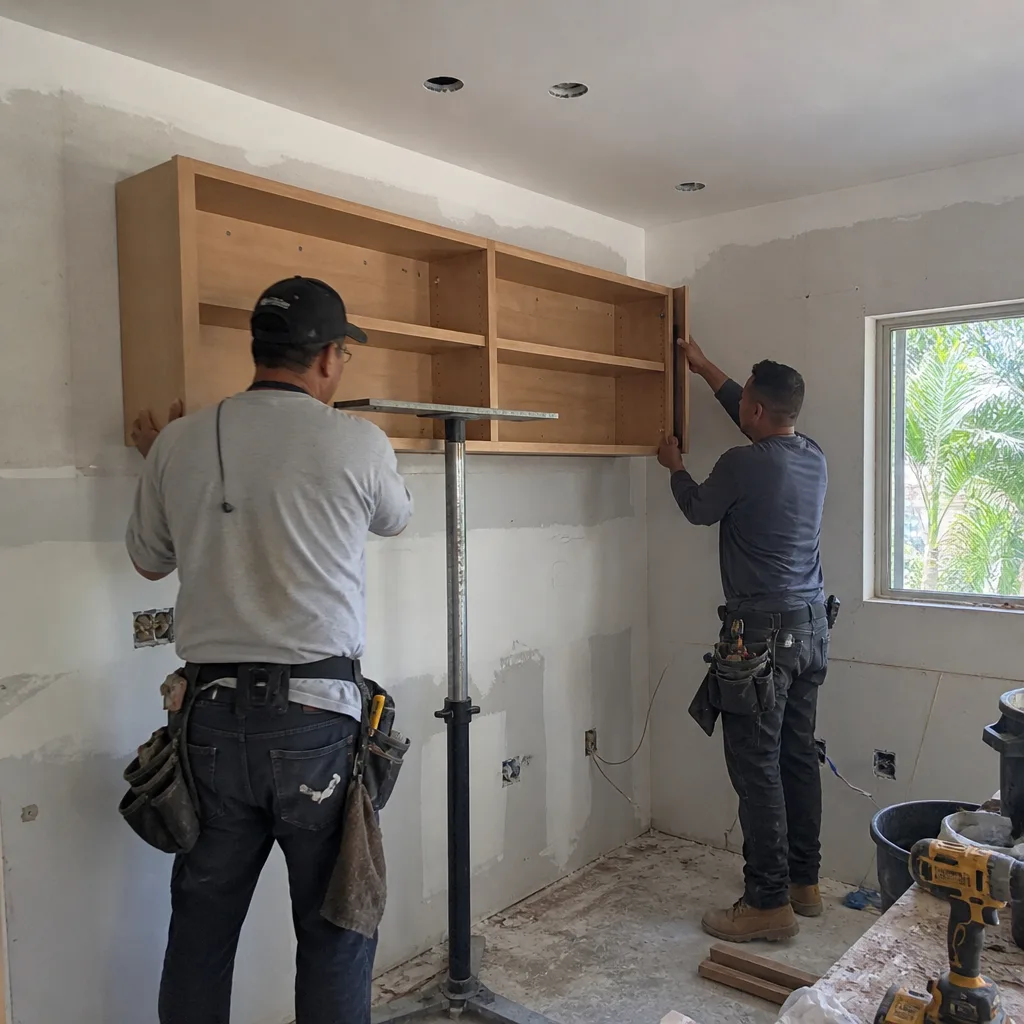
Miami is a city where the building record matters as much as the building itself. Between the subtropical salt air, the June-through-November hurricane season, and a housing stock that runs from 1920s Mediterranean Revival to pre-1970s concrete-block CBS homes to glassy Brickell high-rises, compliance here is a paper trail, not just a construction standard. A kitchen remodel sits right in the middle of that trail, and whether your permit got pulled (and closed out) follows the house long after you’ve moved on.
What Actually Triggers a Miami-Dade Kitchen Permit
This is the question we get asked most, and the answer is narrower than most homeowners fear and broader than a lot of contractors pretend. Here’s the working breakdown we use when we scope a Miami kitchen:
- Electrical beyond direct replacement. Swapping a like-for-like outlet or light fixture is generally exempt. Adding new circuits, upgrading the panel, relocating outlets, or adding under-cabinet and island wiring requires a permit. Miami-Dade’s electrical inspections are the ones most likely to catch unpermitted work decades later.
- Plumbing relocation. Moving a sink, dishwasher, or gas line needs a permit. Replacing a faucet in place usually doesn’t. Gas line work in particular is not a DIY item, and we won’t treat it as one.
- Structural changes. Taking out a wall or installing a header is a permit every time. In Miami’s concrete-block and CBS homes, what looks like a non-load-bearing partition often carries structural load, and only an engineer’s stamp settles that question.
- Mechanical changes. A range hood vented to the exterior is a mechanical permit item. Recirculating hoods that stay inside are typically not.
- Cosmetic work that usually skips the permit. Painting, cabinet hardware, refacing over existing boxes, and minor tile repair on an existing backsplash generally don’t require one.
The pattern: the moment your kitchen changes its electrical, plumbing, structural, or venting footprint, you’re in permit territory. When you start planning the layout, the Kitchen Remodeling in Miami page covers how we sequence the scope before the county ever sees it.
What to Look For: A Contractor Who Mentions Permits Before You Ask
Here’s the tell. A contractor who says “we can start next week” without asking about permits in the same breath is doing one of two things: skipping the permit or misrepresenting the timeline. Miami-Dade permit review for kitchen work typically runs three to six weeks through the county portal, and that’s before inspection scheduling. Nobody legitimate starts a permitted kitchen remodel next week.
When you compare bids, line up the contractors on these:
- Do they list the permit as a line item? It’s a real cost and a real schedule step. A bid that hides it isn’t cheaper; it’s just deferring the bill.
- Do they tell you the inspection sequence? Rough-in electrical and plumbing get inspected before drywall, and the final inspection closes the permit. A crew that doesn’t know the order won’t pass.
- Do they put the workmanship guarantee in writing? The 730-Day Done Right Promise at Groundwork cannot coexist with unpermitted work. If the work isn’t inspected and signed off, the guarantee has nothing to stand on. The permit and the promise are the same commitment.
That’s the standard we hold to on every scope. Our technicians have up to 12 years of experience, and the work is backed by the 730-Day Done Right Promise because a closed permit and a covered remodel are the same thing to us.
The 40-Year Recertification Problem (Why Skipping a Permit Is Worse in Miami)
This is the part most homeowners don’t hear until it’s expensive. Miami-Dade requires buildings at 40 years old (25 years near the coast) to be structurally and electrically recertified. That inspection doesn’t just look at the building envelope; it looks at the electrical and structural record. Unpermitted kitchen work discovered during a 40-Year Recertification becomes a code violation the current owner has to remediate, often at significant cost, before the building can be recertified.
Miami’s distinctive skyline of aging concrete-block homes and MiMo buildings means recertification waves hit by neighborhood age. If you own a home that’s approaching its window, a kitchen remodel with an open electrical permit in the county’s history can slow the whole recertification. Getting the permit now, and closing it out, is the cheap version.
Will an Unpermitted Kitchen Remodel Kill a Sale in Miami?
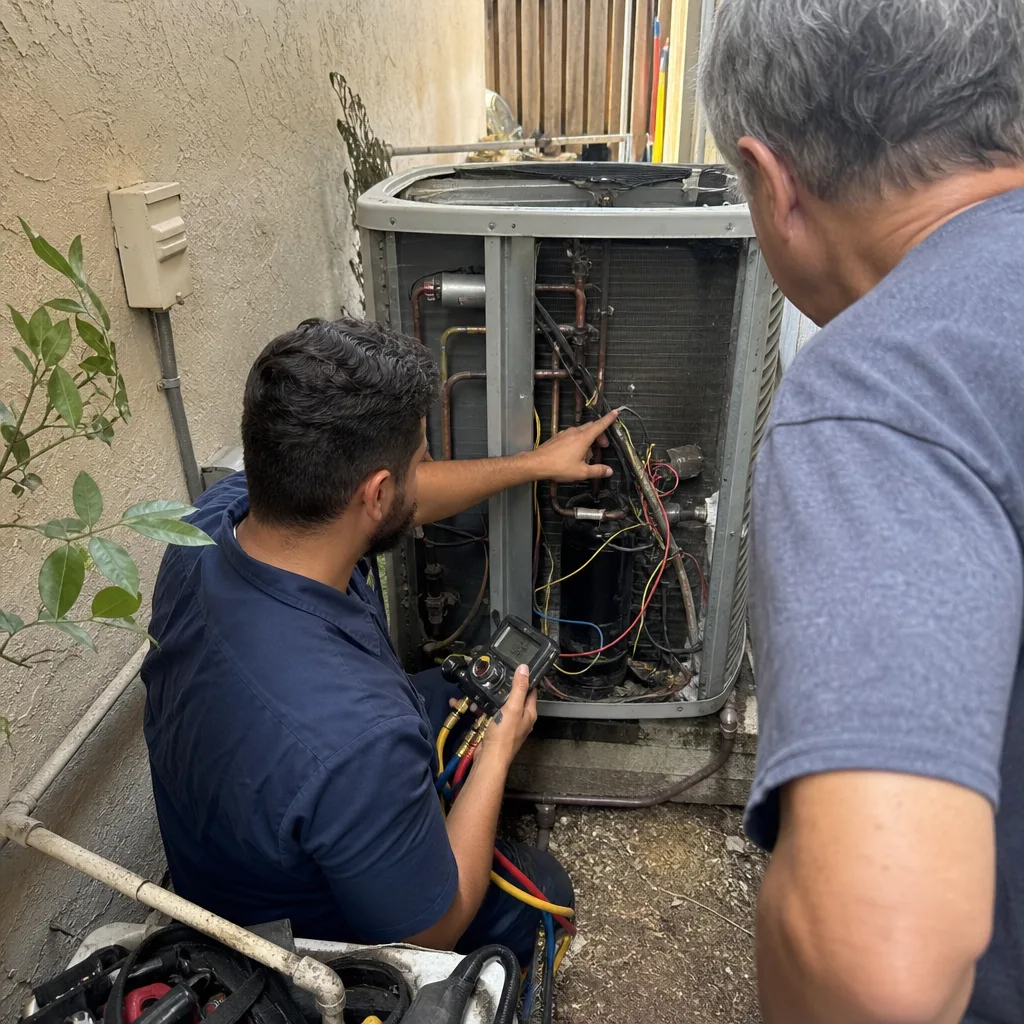
It can. Miami title searches and 4-point insurance inspections routinely flag open or expired permits. An unpermitted 2015 kitchen remodel can delay or derail a 2025 sale when the buyer’s insurer or lender demands the issue be resolved before closing. The buyer’s inspector pulls the county record, sees the remodel, sees no permit, and the negotiation changes. We’ve seen the pattern enough times to say it plainly: unpermitted work is a problem you hand to whoever buys the house next, and they hand the bill back to you.
The High Velocity Hurricane Zone adds another layer. Miami-Dade is the only place in the U.S. with its own product-approval system, so impact windows and wind-rated products carry a Miami-Dade NOA number, not just a Florida approval. When permitted work touches the envelope, the inspection record proves the products used are compliant. The home page lays out how we handle approved materials across every trade.
What Does a Permitted Miami Kitchen Remodel Cost?
Here’s the market range we work with in Miami, calibrated to the county’s permit, inspection, and material realities. A full kitchen remodel runs $16,520-$53,100. A smaller footprint kitchen comes in around $10,620-$23,600. Line items break down this way:
| Item | Typical Miami Range |
|---|---|
| Full kitchen remodel | $16,520-$53,100 |
| Small kitchen remodel | $10,620-$23,600 |
| Cabinet installation | $4,720-$15,340 |
| Countertop installation | $2,360-$7,670 |
| Backsplash installation | $945-$2,950 |
| Kitchen island installation | $3,540-$11,800 |
For finish quality, we pull from brand partners like KraftMaid for cabinetry and Cambria for counters, so you’re choosing quality rather than whatever’s available. The permit cost and inspection schedule sit inside these numbers, not on top of them. That’s what upfront pricing, no surprises means in practice. We also run 0% financing for 18 months and $1,000 off projects over $10,000 to make the budget work.
FAQs
In most cases, yes. Miami-Dade requires a permit whenever your kitchen remodel involves electrical work beyond like-for-like replacement, plumbing relocation, structural changes like wall removal or header installation, or mechanical changes like an exterior-vented range hood. Paint, hardware, and minor tile work on existing surfaces generally don’t require one. If you’re unsure where your scope lands, call (833) 968-1198 and we’ll walk through it free.
Typically three to six weeks through the county portal for kitchen work, and that’s before inspection scheduling. That timeline is why a contractor promising to start next week without mentioning permits is a red flag. We build the permit window into the schedule up front so there are no surprises, and our live person answers calls 24/7 if you have a question midway through. Call (833) 968-1198 for a free estimate that includes the timeline.
A full kitchen remodel in Miami runs $16,520-$53,100, and a smaller kitchen remodel runs $10,620-$23,600. Permit fees and inspection time are included in that scope when you work with us. Call (833) 968-1198 for an exact quote; estimates are free.
Yes, it can. Open or expired permits show up on Miami title searches and 4-point insurance inspections, and buyers’ insurers and lenders can demand resolution before closing. It’s also a risk during 40-Year Recertification, where unpermitted work becomes a violation the owner must fix. The fix is pulling the permit and closing it out on the front end. To get your scope reviewed before you sell, call (833) 968-1198 for a no-pressure assessment.
Kitchen remodeling is one of the seven core lines Groundwork Construction Co. of Miami handles, and permit management is part of every scope we run, from Kitchen Remodeling through the finishing trades. If you’d rather have your kitchen looked at by someone who’ll tell you straight whether you need a permit, we offer a free estimate and design consult in Miami. Calls get a live person 24/7, technicians are background-checked and arrive in uniform, and the 730-Day Done Right Promise backs every job. Call (833) 968-1198 today.
Written by the team at Groundwork Construction Co. of Miami, serving Miami, FL.