
Last updated November 17, 2026
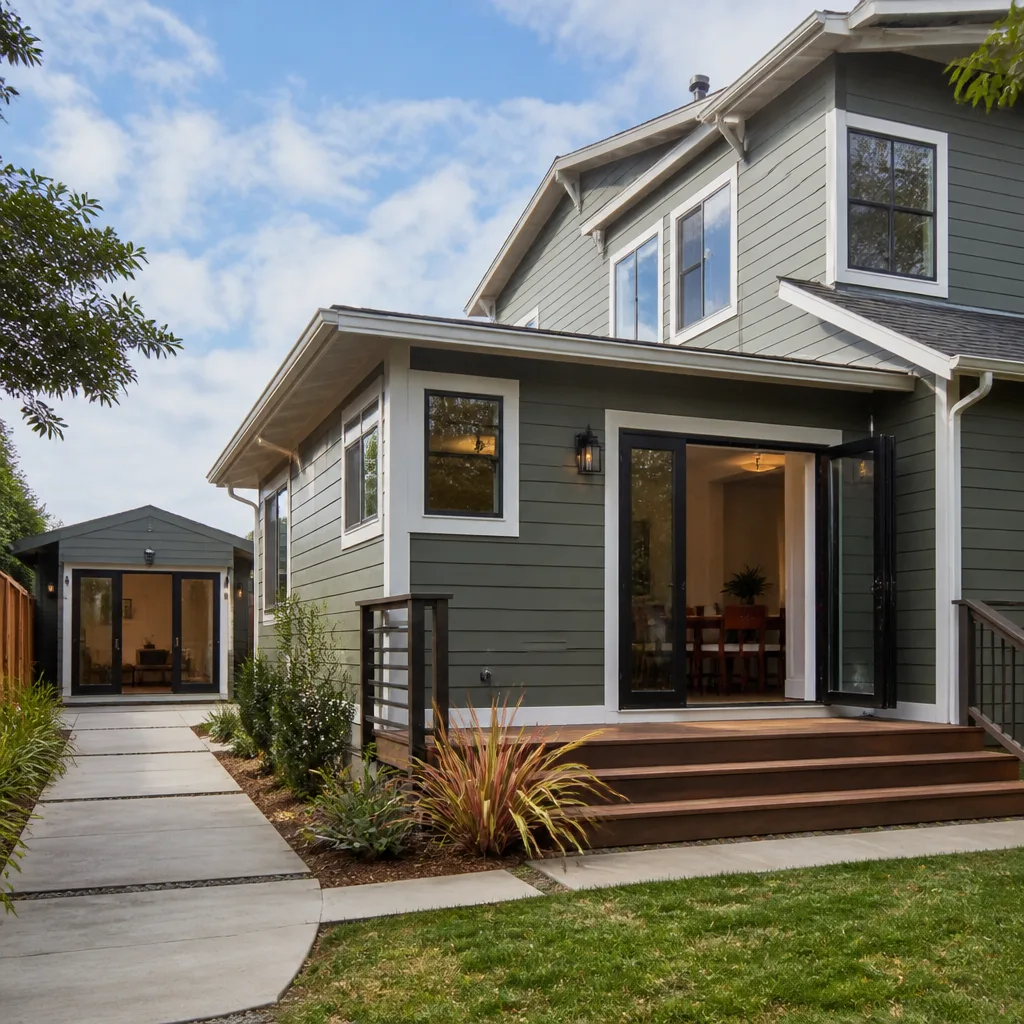 Home additions & ADU
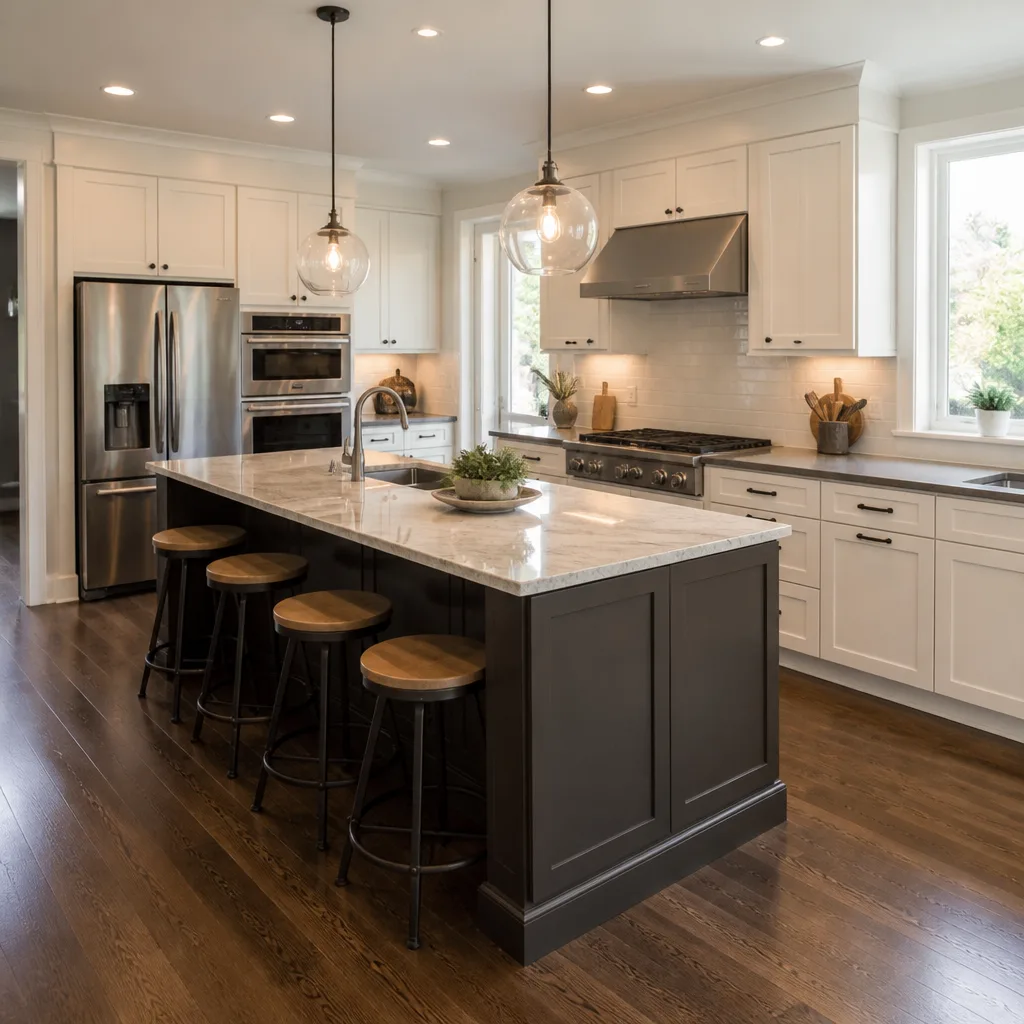 Kitchen remodeling
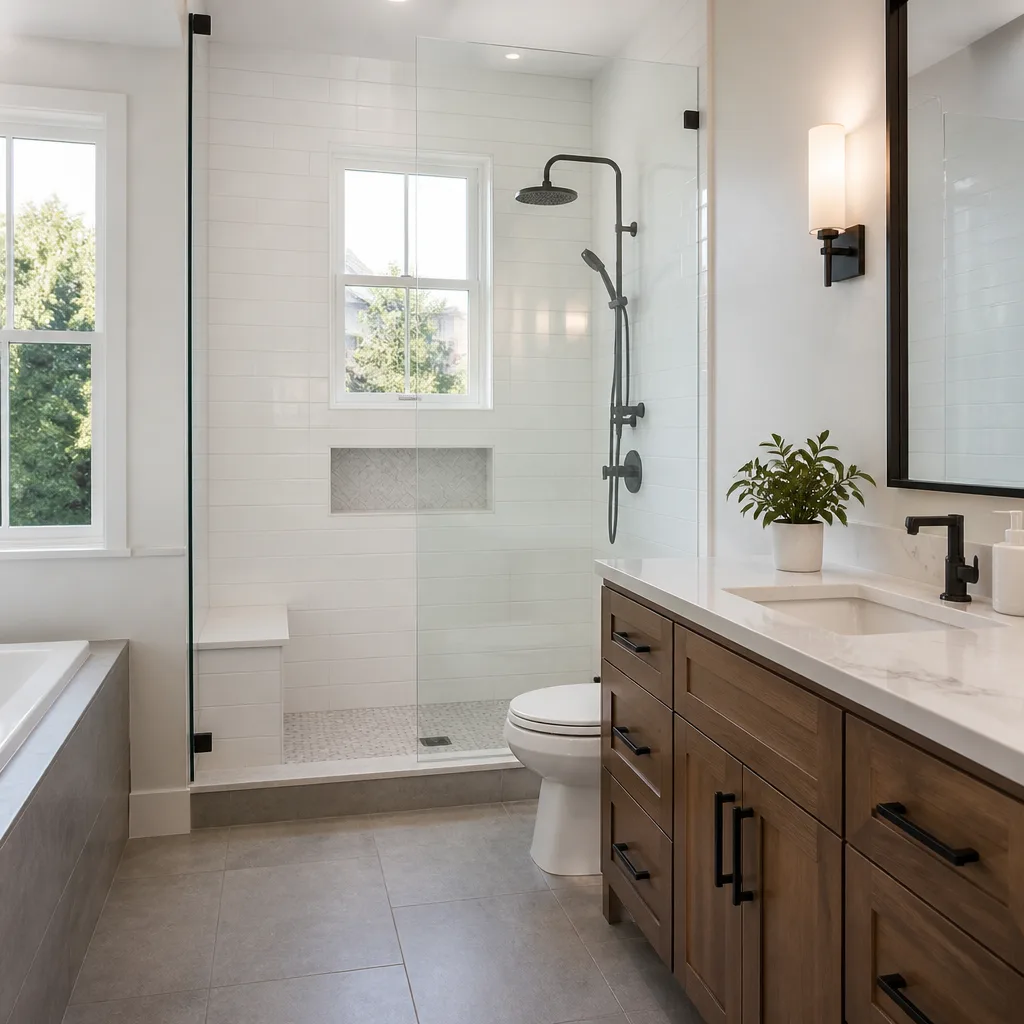 Bathroom remodeling
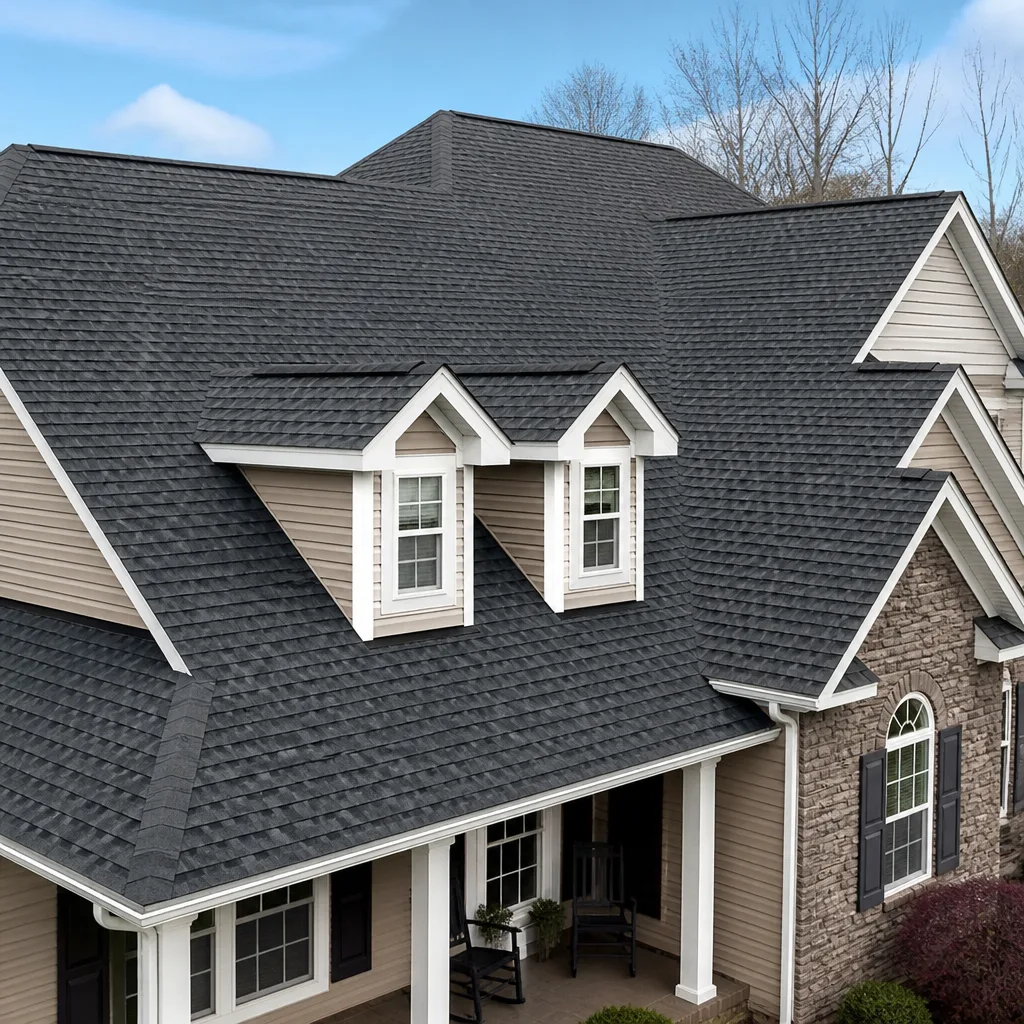 Roofing
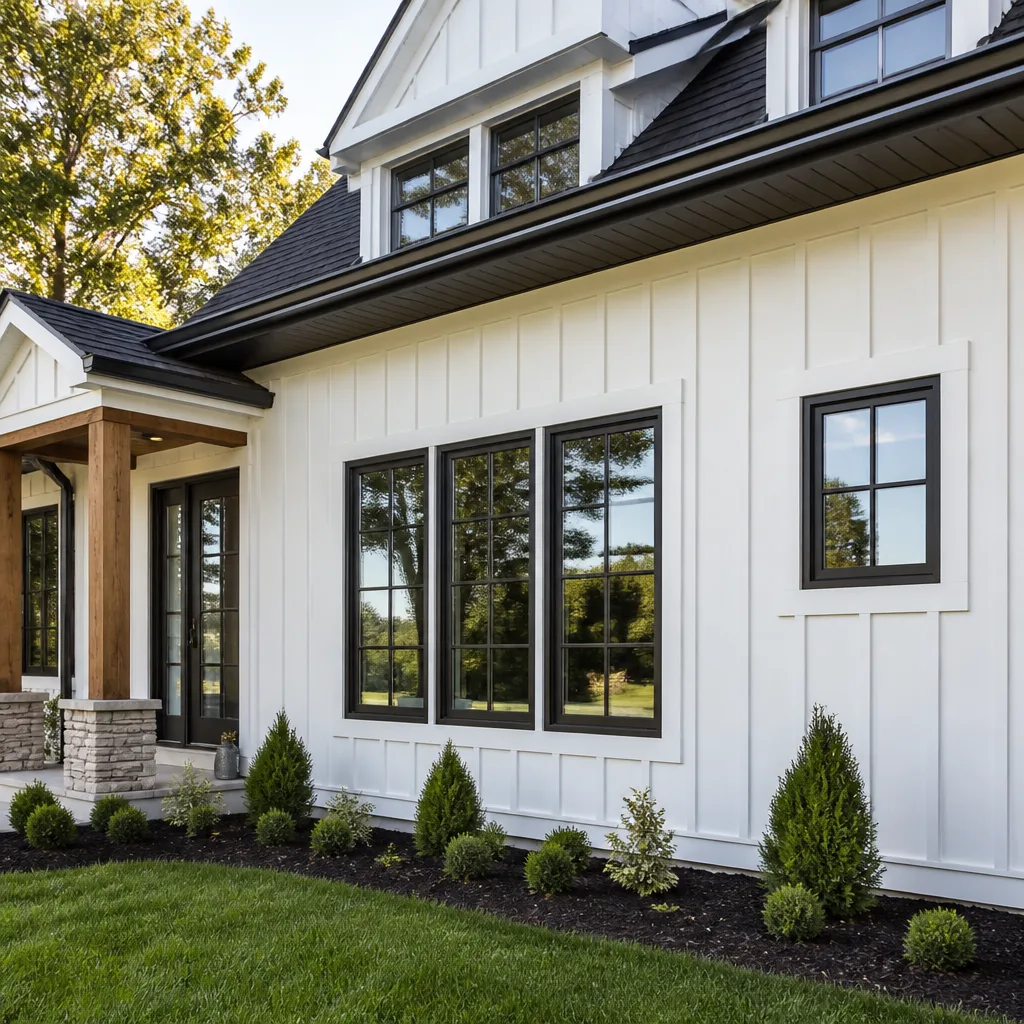 Windows & doors
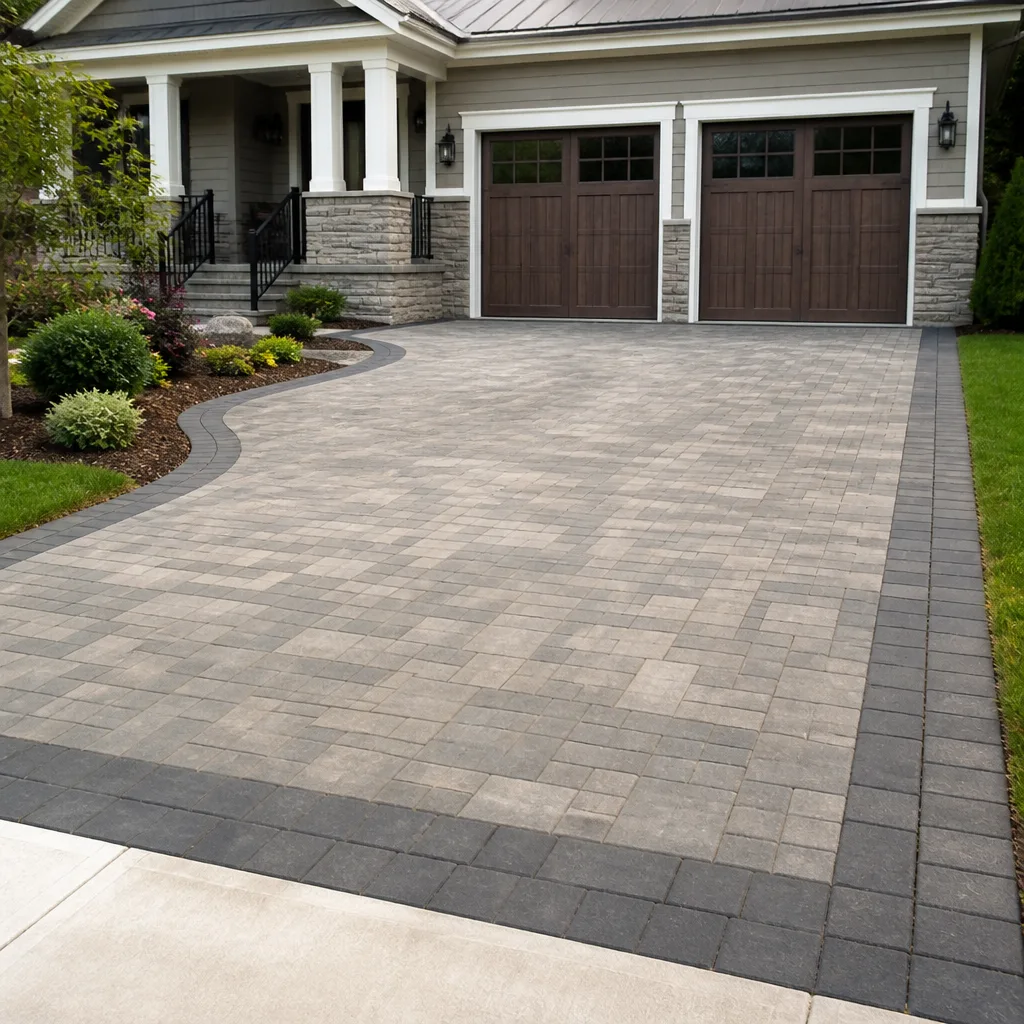 Driveway & pavers
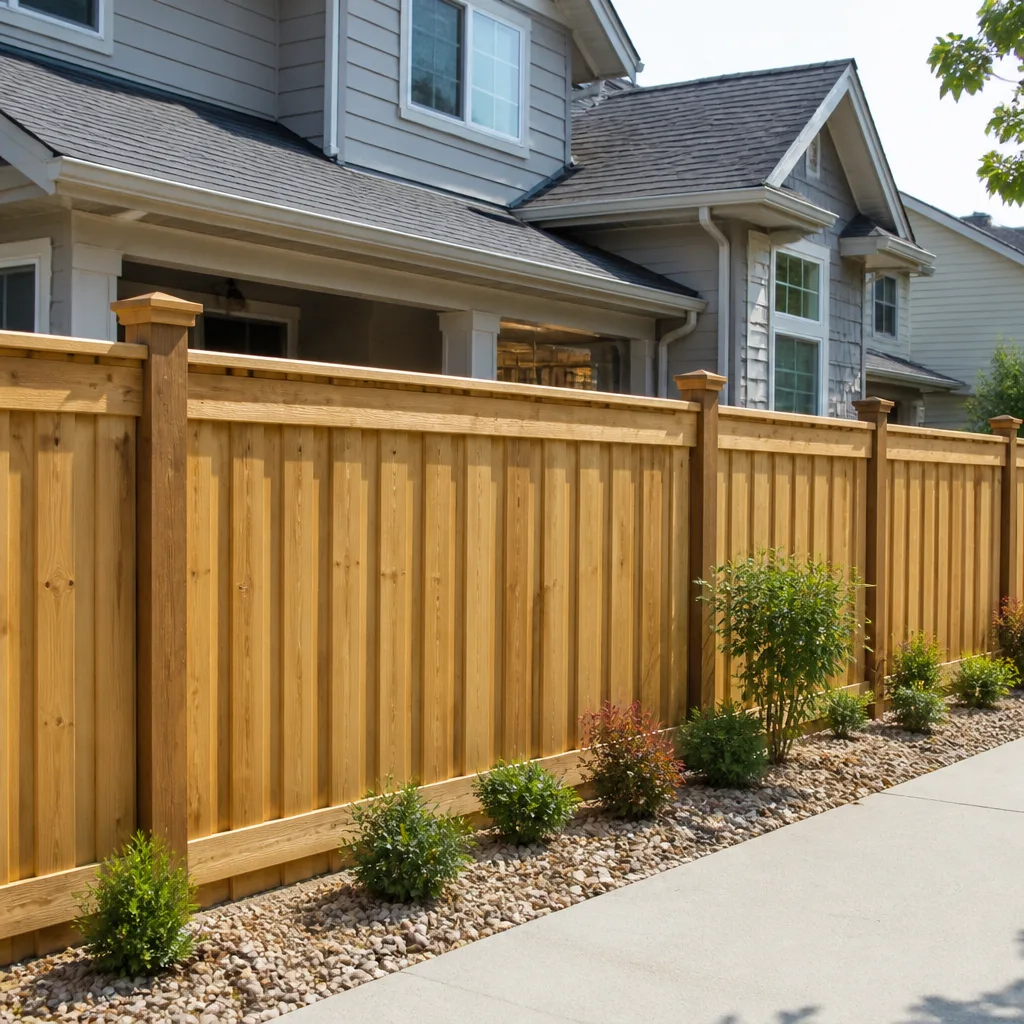 Fence
Free written scope consultation - allowances, timeline, and change-order rules on paper before a single trade is scheduled
Construction Cost Breakdown: The Miami Homeowner’s Reference for 2026
Most cost-per-square-foot figures published by home improvement sites are national averages. In Miami, they miss by 15 – 30%. The gap isn’t inflation or “Miami premium” hand-waving: it comes from High-Velocity Hurricane Zone material rules, Miami-Dade labor rates, and a permit fee structure that prices by valuation rather than by square footage. A homeowner comparing a $195/sq ft national benchmark to a real Miami number is budgeting for a house that won’t pass inspection. This guide breaks down a 2026 addition line by line – permits, foundation, block, roof, impact windows, rough trades, finishes – and shows you where the dollars actually go.
Quick Answer
A 2026 home addition in Miami runs roughly $285 – $425 per square foot for standard finishes and $400 – $600+ per square foot for high-end work, with impact windows, HVHZ roofing, and Miami-Dade permitting driving a meaningful share of the spread. Kitchen remodels land in the $60,000 – $120,000 range, bathroom renovations at $18,000 – $45,000, and a full architectural shingle roof replacement on a typical 1,800 sq ft home at $18,000 – $34,000. National averages understate all four by 15 – 30%.
Styles & brands we work with
- Kitchen remodeling
- Bathroom remodeling
- Home additions & ADU
- Roofing
- Windows & doors
- Driveway & pavers
- Fence
Table of Contents
- Why National Averages Undercount Miami Construction Costs
- Line-Item Breakdown: What a Miami Home Addition Actually Costs in 2026
- Impact Windows and Doors: The Real Premium
- How Miami Contractor Overhead Gets Priced Into Your Bid
- The Real Cost of Permitting in Miami-Dade
- Reading the Materials Line on a Quote
- How to Compare Bids Without Getting Burned
- Common Mistakes to Avoid
Why National Averages Undercount Miami Construction Costs
Three cost drivers separate Miami from most American markets, and only one of them shows up in the national average calculators.
1. HVHZ material rules. Miami-Dade sits inside the High-Velocity Hurricane Zone. That means every exterior opening – windows, doors, skylights, garage doors – must carry a Miami-Dade NOA (Notice of Acceptance) and meet impact or pressure ratings that standard products don’t hit. Roofing must meet stricter fastening and underlayment requirements. GAF and Owens Corning manufacture HVHZ-approved systems specifically for this market, but they cost more per square than the same brand’s standard line.
2. Labor rates. Union and non-union trades in Miami-Dade charge more than most of Florida because of demand, bilingual crew premiums, and the additional supervision required for hurricane-zone work. A framer’s daily rate in Miami runs meaningfully above Tampa or Jacksonville.
3. Permit structure. Miami-Dade permitting is priced by construction valuation, not by square footage, and plan review plus third-party inspections add line items that most national averages ignore entirely.
If a website quotes you $200 per square foot for construction in Miami in 2026, that number was lifted from a national database. It won’t get a block home built here.
Line-Item Breakdown: What a Miami Home Addition Actually Costs in 2026
Here’s a realistic breakdown of a 600 sq ft block-and-stucco addition on a typical Westchester or Kendall lot. Your lot, soil conditions, and finish level will move these numbers, but the proportions stay stable.
- Permits and fees: $9,000 – $18,000 (see the dedicated section below)
- Design and engineering: $7,000 – $16,000 (architectural plans, structural, HVAC load calcs)
- Site prep and demolition: $4,000 – $9,000
- Foundation: $18,000 – $32,000 (footings, slab, termite pre-treat)
- Block and framing: $38,000 – $62,000
- Roofing (HVHZ-compliant): $14,000 – $24,000
- Impact windows and doors: $16,000 – $32,000
- Rough trades (electrical, plumbing, HVAC): $32,000 – $52,000
- Insulation, drywall, and stucco: $18,000 – $30,000
- Finishes (flooring, cabinetry, paint, trim, fixtures): $45,000 – $95,000
For 600 sq ft, that’s a total landed cost of $200,000 – $370,000 depending on finishes, or roughly $335 – $615 per square foot. Kitchens and baths are the two finish categories that swing widest. KraftMaid and Cambria cabinetry and counters sit at the higher end, but they also hold warranty terms and resale value that builder-grade finishes don’t.
Impact Windows and Doors: The Real Premium
Impact-rated products cost more in Miami than anywhere else in the country for two reasons: the products must carry a Miami-Dade NOA, and the labor to install them to that standard is more involved (specific anchoring, flashing, and buck requirements). Here’s the spread across product tiers for a typical single-story home with 12 windows and 2 exterior doors.
- Builder-grade impact (single hung, basic frames): $18,000 – $26,000
- Mid-tier impact (Andersen, Pella aluminum-clad, better frame profiles): $26,000 – $38,000
- High-end impact (Marvin, custom profiles, larger sliders): $38,000 – $62,000+
The delta between standard non-impact windows and impact windows in Miami runs roughly 40 – 70% per opening. On a 1,800 sq ft home that’s an $8,000 – $20,000 premium. You cannot legally skip it – a non-rated opening will fail Miami-Dade inspection, and worse, it can void insurance coverage during a storm event. If a bid includes an allowance for “windows” with no manufacturer or model specified, that’s the line item most likely to blow up mid-project.
How Miami Contractor Overhead Gets Priced Into Your Bid
Contractors in Miami carry overhead that contractors in most of the country don’t. Insurance premiums for general liability and workers’ compensation are steep here because of hurricane exposure and litigation rates. Licensing and bonding costs are higher because Florida’s CGC and CBC licensing requirements trigger additional compliance expense. A legitimate operator prices that overhead into the bid. An illegitimate one doesn’t – and then disappears when the job goes sideways.
Here’s what to look for in the overhead line of any bid:
- General conditions line item (typically 8 – 14% of project cost). This covers supervision, permits management, site cleanup, and materials handling. Legitimate Miami contractors budget it; handymen hide it.
- Insurance certificates with current dates. Ask for certificates naming you as an additional insured. A contractor who can’t produce a certificate is running without coverage, which means workers injured on your property can claim against your homeowners policy.
- Bonding confirmation. Florida contractors bidding over statutory thresholds must carry a license bond. Verify it through DBPR before signing anything.
- Workmanship warranty in writing. Most contractors offer one year. Anything shorter is a red flag. Our own 730-Day Done Right Promise – two full years, in writing – is one of the longest in the residential construction space, and it exists because we’ve done the math on what it costs when a job isn’t done right the first time.
If two bids on the same scope differ by more than 20%, the difference is almost always overhead and insurance line items. That’s not a “cheaper contractor” – that’s a contractor who can’t afford to make a mistake on your job.
The Real Cost of Permitting in Miami-Dade
Miami-Dade permits are priced on construction valuation, not square footage, and the process has more steps than most homeowners expect. Here’s what actually happens on a typical addition.
- Plan review fee: $1,500 – $4,500 for residential additions, based on project valuation and number of reviews required. First-round review costs less than resubmittals.
- Building permit fee: Calculated as a percentage of construction value – roughly 1.5 – 2.5% of the project cost for a residential addition. On a $250,000 project that’s $3,750 – $6,250 on its own.
- Impact fees, concurrency, and utility connections: $4,000 – $12,000 depending on jurisdiction (unincorporated Miami-Dade, City of Miami, Coral Gables, and Miami Beach each assess differently) and whether the addition triggers water or sewer capacity fees.
- Third-party inspections: $800 – $2,400 for structural, MEP, and final inspection coordination if the jurisdiction requires private provider inspection.
- Impact fee for additional dwelling units (ADUs): separate fee schedule, ranges from $6,000 – $18,000 depending on the municipality.
Total permitting cost on a 600 sq ft addition in Miami-Dade: $9,000 – $18,000. That’s a real number that many bids omit entirely, then “discover” as a change order two months in. If you’re planning an ADU (prefab options from Abodu, Cover, Dvele, and Mighty Buildings are now common in Miami backyards), permitting alone typically runs $12,000 – $24,000 because of utility work and zoning review.
Reading the Materials Line on a Quote
The most common way a bid undercuts competitors by 20% is by substituting standard-grade materials that won’t pass Miami-Dade inspection. Here’s how to catch it before you sign.
- Every exterior opening should have a NOA number or model number listed. If a quote says “impact windows – allowance $15,000” with no manufacturer or model, that allowance will not cover actual Miami-Dade compliant product.
- Roofing should list the underlayment and fastening system. GAF and CertainTeed both manufacture HVHZ-compliant systems; a bid that just says “30-year shingles” is describing a product that may not meet the fastening schedule your jurisdiction requires.
- Stucco and exterior wall assemblies should specify the number of coats and base coat thickness. Miami-Dade requires specific minimums for hurricane-zone walls.
- Concrete should specify PSI rating. Typical Miami slabs run 2,500 – 3,000 PSI; structural additions usually specify 3,000 – 4,000 PSI. A number-free concrete line is a substitute risk.
- Lumber should specify grade and treatment. Ground-contact lumber requires specific treatment ratings for Miami’s humidity and termite pressure.
If your quote reads like a list of categories instead of a list of product specifications, ask for a line-item rebuild before signing. Here at Groundwork Construction Co. of Miami home, we quote by product and model – KraftMaid and Cambria in kitchens, GAF and Owens Corning on roofs, Andersen and Pella on windows – because vague bids are where projects go sideways.
How to Compare Bids Without Getting Burned
Three bids that look identical on a cover sheet often hide the differences that decide whether your project finishes on budget or blows past it by 30%. Here’s a side-by-side method that works on any Miami project, whether it’s a kitchen remodel, a roof replacement, or a full addition.
- Normalize the scope. Rewrite every bid against the same materials list, square footage, and finish level. If one bid says “tile flooring” and another says “Cambria porcelain 24×24,” those aren’t comparable numbers.
- Isolate the permits line. Ask every contractor to quote permitting as a separate line item, and ask whether they pull permits as the contractor of record or expect you to. A contractor who expects you to pull permits has no workmanship liability.
- Check the change-order policy. Ask in writing what triggers a change order and how much contract markup is added on top. A contractor with no written change-order policy has unbounded pricing power.
- Confirm the warranty in writing. Workmanship warranty length, what it covers, and who honors it if the contractor isn’t the one performing the work. The 730-Day Done Right Promise is our written answer to that question – if it’s not done right, we make it right, for two full years.
- Check the schedule against weather. Miami’s rainy season runs May through October. A contractor who promises a “6-week addition” in July without a weather contingency plan will miss the date.
Common Mistakes to Avoid
- Budgeting from national cost-per-square-foot sites. National averages undercount Miami construction costs by 15 – 30% because they miss HVHZ materials, Miami-Dade labor, and permit valuation fees. Budget from local line items, not Zillow-style estimates.
- Accepting a materials allowance without a model number. An “impact window allowance” without a NOA or model number will cover roughly 60 – 70% of actual compliant product. Specify the product before you sign.
- Assuming the roofer will pull the roof permit. In Miami-Dade, roof permits require specific inspections and engineering. A roofer who expects the homeowner to pull the permit is signaling the warranty is unenforceable.
- Skipping the permit on an ADU or addition. Unpermitted work in Miami-Dade is a disclosure problem at resale and can trigger retroactive permit fees plus penalties. When we quote an addition or ADU in Miami, permits are a line item – not a hidden cost.
- Choosing a driveway or paver contractor on price alone. Miami’s wet season destroys poorly compacted pavers within two years. Driveway and pavers quotes should specify base depth (6 – 8 inches of compacted limerock, minimum) and polymeric joint sand.
- Ignoring fence permit requirements for six-foot-plus privacy fences. Miami-Dade and most municipalities require permits and setback verification for fences over six feet. Fence installation quotes should include the permit line.
- Letting a contractor start work before the insurance certificate arrives. If a worker is injured on your property and the contractor has no workers’ comp, your homeowners policy is the backstop. Require certificates naming you before any crew arrives.
See the difference
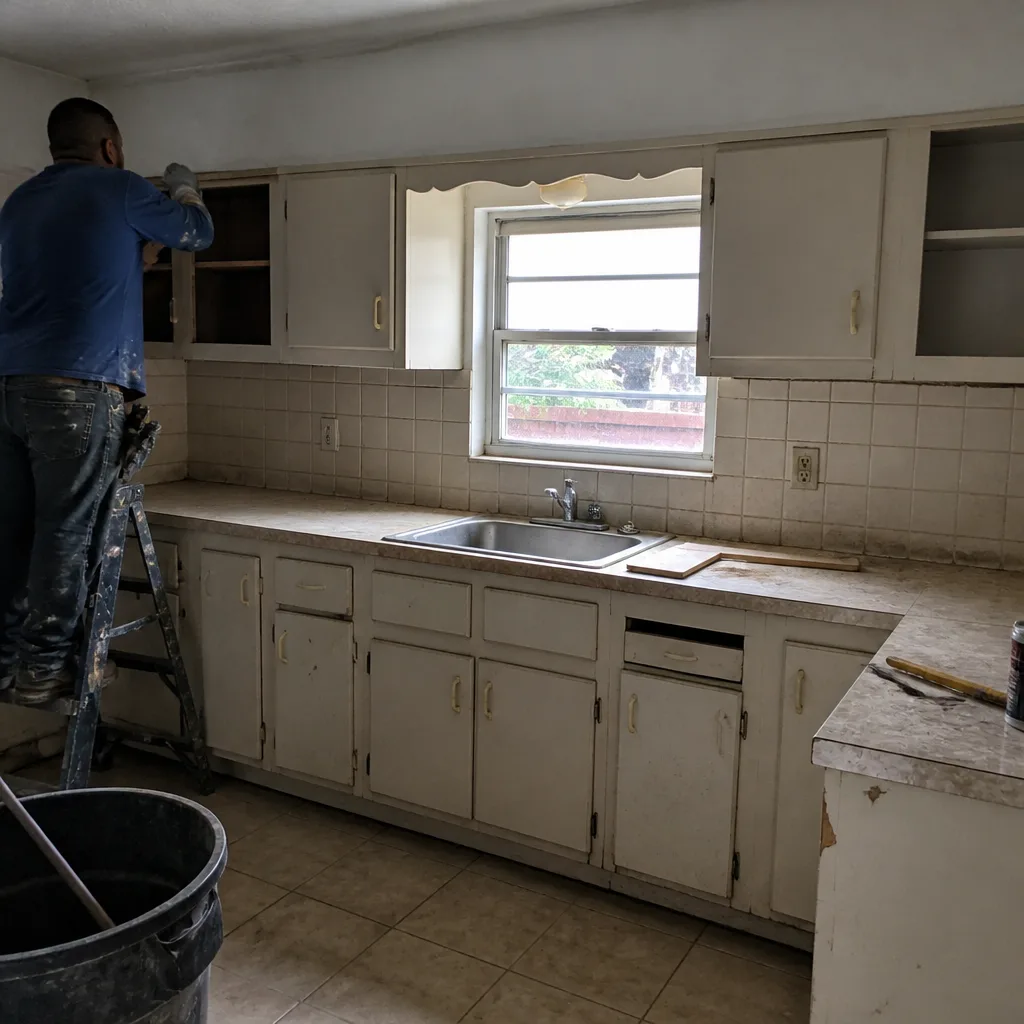 Before
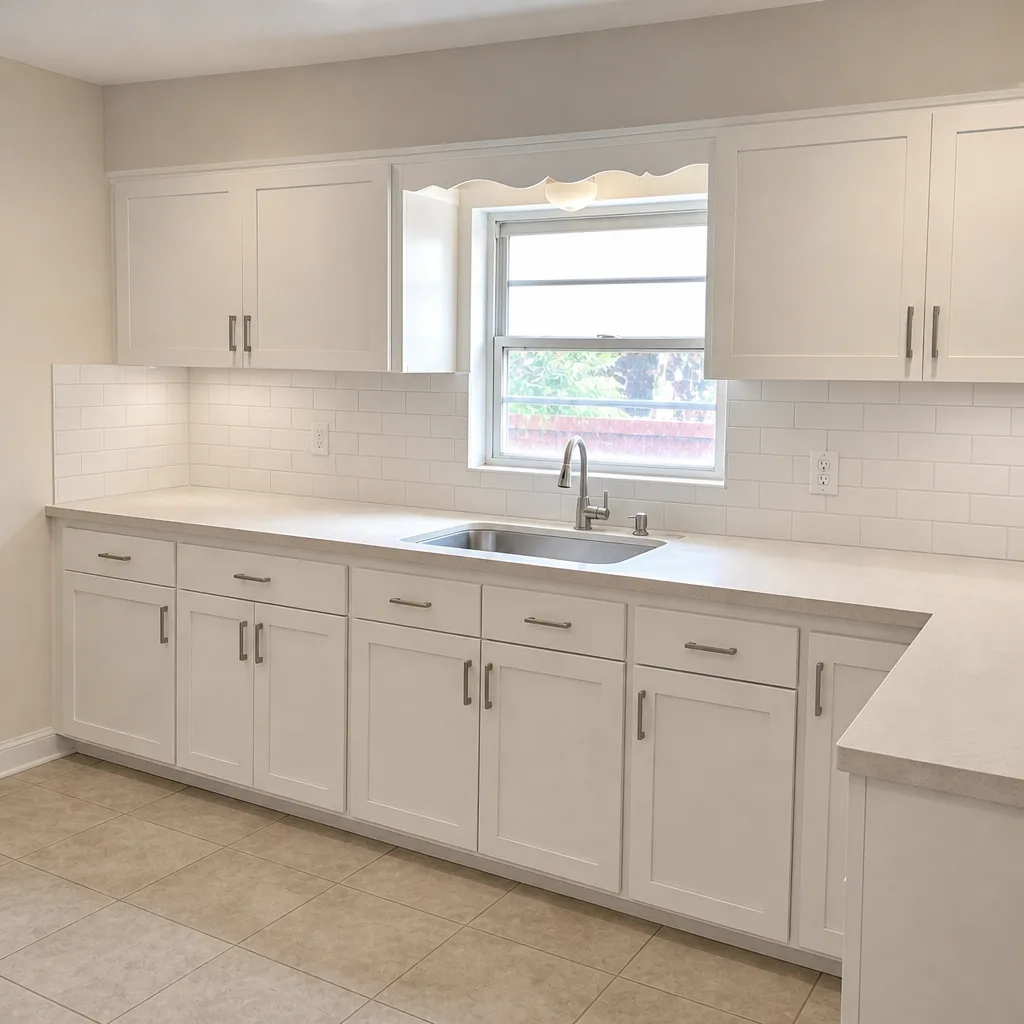 After
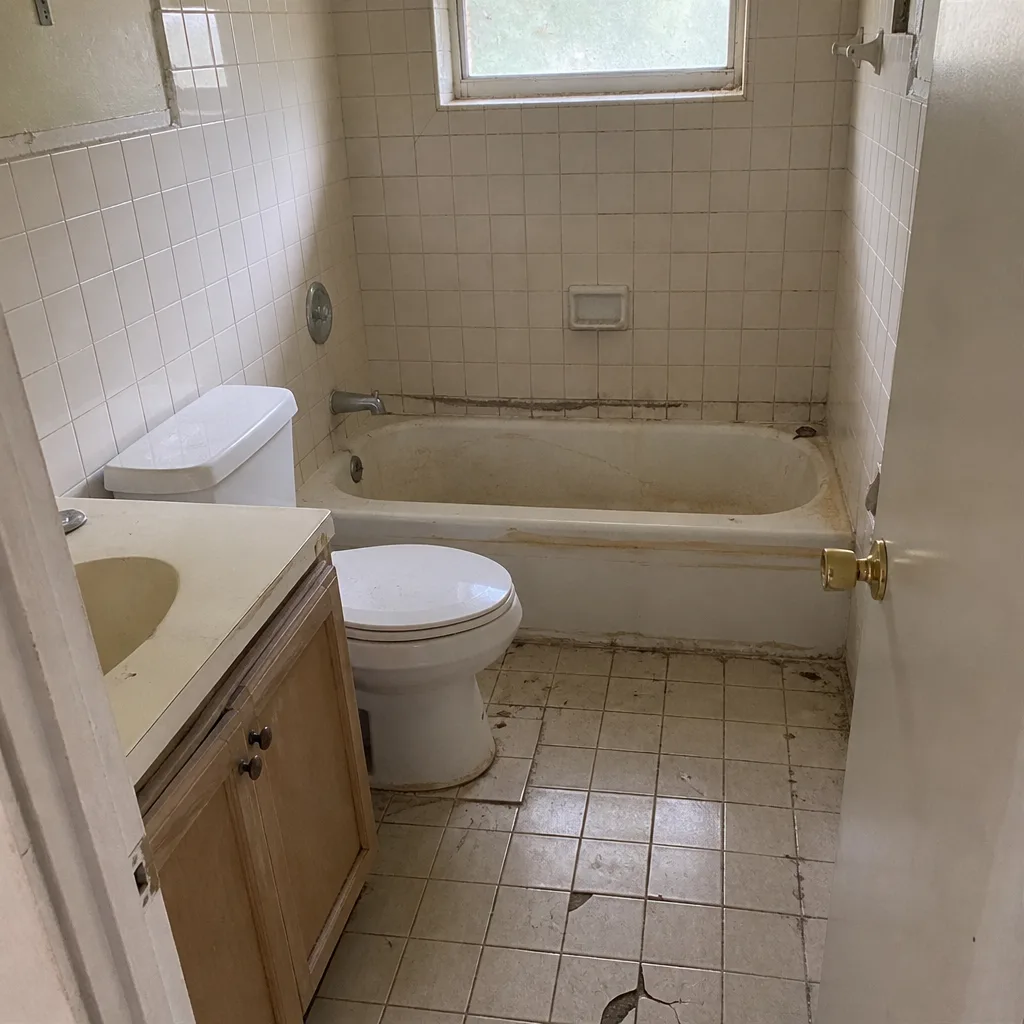 Before
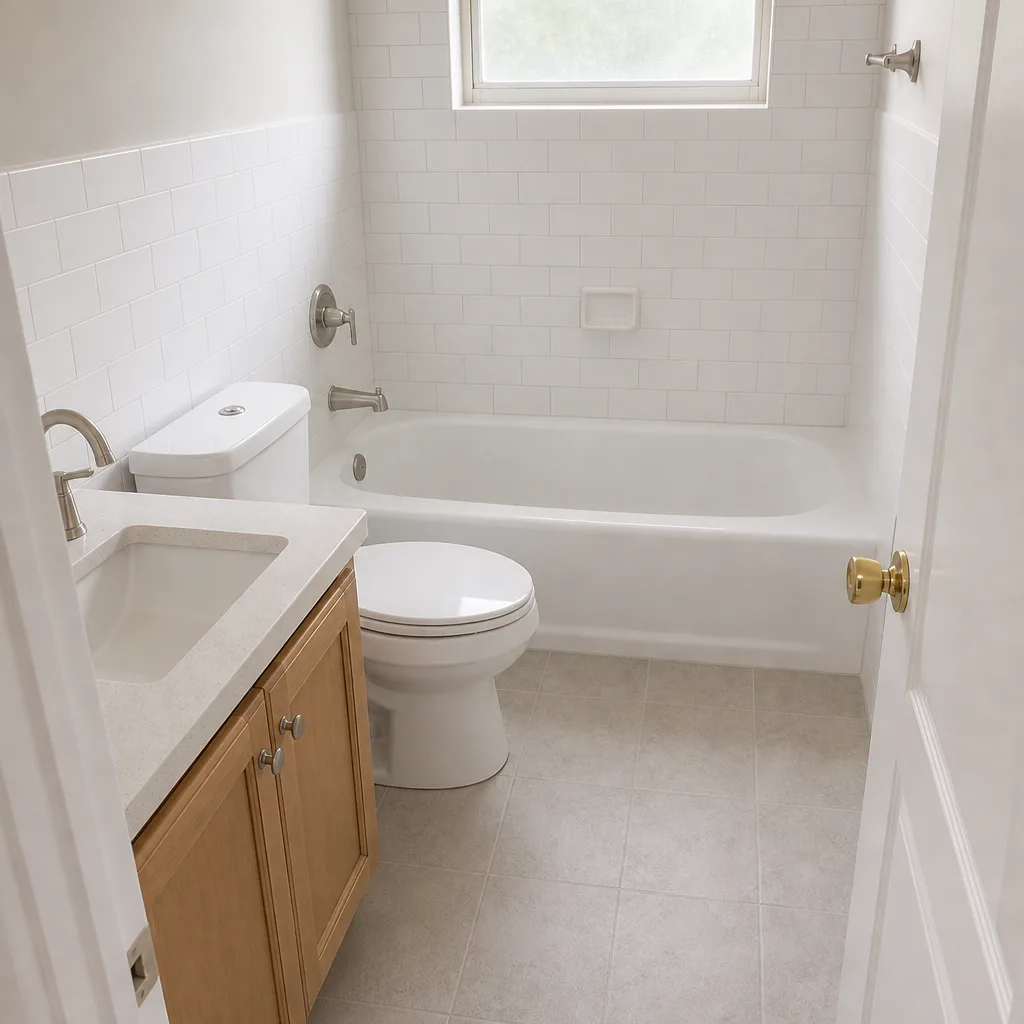 After
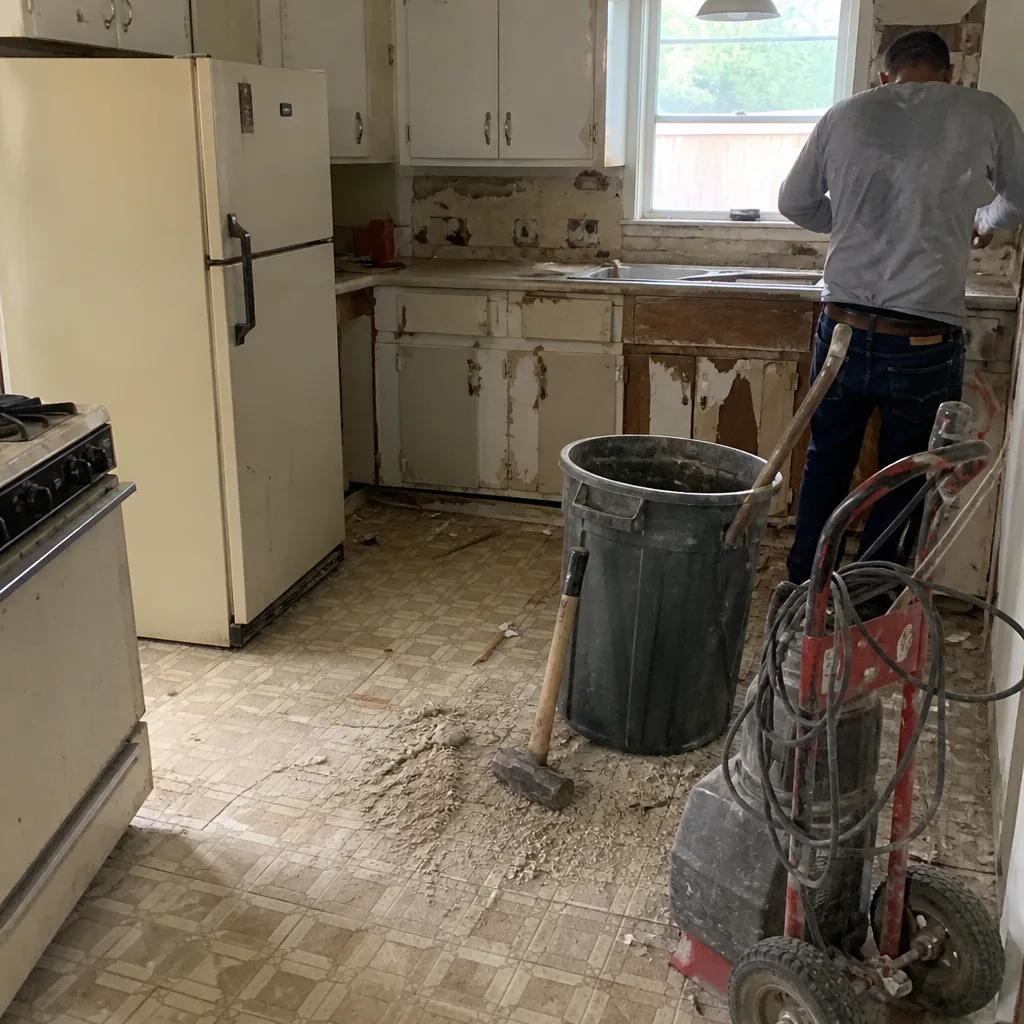 Before
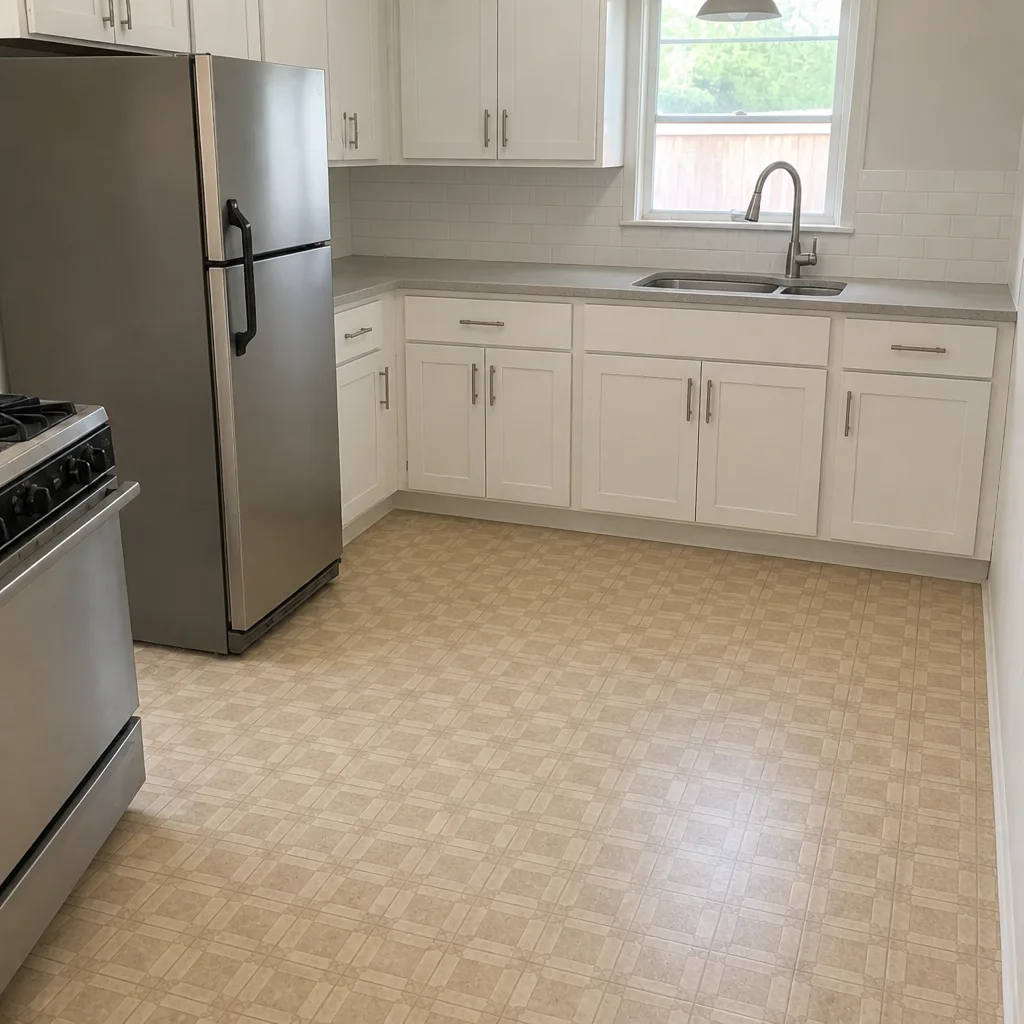 After
When to Call a Professional
Some jobs in Miami are safe to handle yourself – painting, basic fence staining, cosmetic landscaping. Others are not. Anything structural, anything on the roof, anything that requires a Miami-Dade permit, and anything involving a new exterior opening is a professional job. High-tension garage door springs, electrical panel work, gas line connections, and steep-roof work should never be attempted by a homeowner – these carry real injury risk, and a contractor carries the insurance and licensing to do them safely. If you’re planning an addition, a kitchen or bath remodel, a roof replacement, or an impact window upgrade, get at least three bids with itemized line items before committing. Groundwork Construction Co. of Miami offers free estimates in Miami – call (833) 968-1198 to schedule yours. Calls are answered by a live person, 24/7.
Frequently Asked Questions
A 2026 addition in Miami runs roughly $285 – $425 per square foot for standard finishes and $400 – $600+ for high-end work. The spread is driven by impact windows, HVHZ-compliant roofing, and Miami-Dade permitting costs. Call (833) 968-1198 for a line-item estimate on your specific project – estimates are free.
Three drivers: High-Velocity Hurricane Zone material requirements for every exterior opening and roofing system, higher Miami-Dade labor rates for hurricane-zone compliant work, and a permit fee structure priced by construction valuation rather than square footage. Together these add 15 – 30% to national benchmarks on equivalent projects.
A full kitchen remodel in Miami runs $60,000 – $120,000 for mid-to-high-end finishes, with high-end projects (custom cabinetry, stone counters, appliance packages) reaching $150,000+. KraftMaid and Cambria-branded finishes typically sit at the upper-middle of that range. Call (833) 968-1198 for a written line-item quote.
Yes. Any addition, ADU, or new exterior opening requires a Miami-Dade building permit, and permitting alone runs $9,000 – $24,000 depending on project scope, valuation, and whether impact fees apply. Every quote we write includes permitting as a separate line item so you see exactly where that money goes.
A full architectural shingle replacement on a typical 1,800 sq ft Miami home runs $18,000 – $34,000 in 2026, including HVHZ-compliant underlayment, fastening, and Miami-Dade inspection. Concrete tile and metal systems cost more. Call (833) 968-1198 for a free roof inspection and written estimate.
Impact windows in Miami cost roughly 40 – 70% more per opening than standard windows, adding $8,000 – $20,000 on a typical 1,800 sq ft home. On 12 windows and 2 doors, expect $18,000 – $62,000 depending on product tier. Every window quote should list manufacturer and NOA number – if it doesn’t, ask why before signing.
It shouldn’t. A properly scoped bid with itemized materials, permits, and finishes shouldn’t move unless you change the scope – that’s what upfront pricing means. Our written line-item quotes include the change-order policy in the contract. If a contractor won’t put it in writing, walk. Call (833) 968-1198 to see how a fixed-price quote is built.
A 600 sq ft addition in Miami typically takes 5 – 8 months from permit submission to final inspection, with construction itself running 3 – 5 months and permitting 6 – 12 weeks on top. Weather (rainy season May – October) can extend the construction phase. Ask every contractor for a schedule that names the permit-review window separately from build time.
The Bottom Line
Miami construction costs in 2026 are built from specific local line items – HVHZ materials, Miami-Dade labor, permitting by valuation, and above-national-average contractor overhead – not from generic “Miami premium” markup. A homeowner who understands the breakdown can: (1) budget from actual local numbers instead of national averages that miss by 15 – 30%, (2) read a materials line closely enough to spot products that will fail inspection, and (3) hold a contractor to the permit and warranty terms that give the job its real value. The number you see should be the number you pay – and every project should be built to last, backed in writing.
Groundwork Construction Co. of Miami writes itemized, upfront pricing on every bid – no hidden change orders, no materials-line substitutions, no permit surprises. We answer calls by live person, 24/7, and every project is covered by the 730-Day Done Right Promise. Call (833) 968-1198 to schedule your free estimate, or take $1,000 off any project over $10,000 with 0% financing for 18 months available.
Written by the team at Groundwork Construction Co. of Miami.